
Winter Hair Care: How Cold Weather Affects Hair and Scalp Health
Cold weather, dry air, and indoor heating can damage hair and irritate the scalp. Learn essential winter hair care strategies to keep your hair healthy all season.
How Cold Weather Challenges Your Hair
Winter brings a unique set of challenges for hair and scalp health. Cold outdoor temperatures, dry indoor heating, and lifestyle changes during the colder months can lead to dryness, breakage, and increased shedding. Understanding how cold weather affects your hair — and what you can do about it — helps you maintain healthy hair throughout the season.
How Cold Affects Hair Structure
Cold, dry air impacts the physical structure of your hair:
Cuticle Lifting
The outermost layer of each hair strand — the cuticle — is made up of overlapping scales. In cold, dry conditions:
- The cuticle layer lifts and becomes rougher
- Lifted cuticles allow moisture to escape from the inner cortex of the hair
- Hair becomes dull, frizzy, and more prone to tangling
- Lifted cuticles also make hair more vulnerable to mechanical damage from brushing and styling
Moisture Loss
Cold air holds less moisture than warm air, and indoor heating systems strip even more humidity from the environment:
- Hair loses its natural moisture balance
- Strands become dry, brittle, and prone to snapping
- Split ends and breakage increase
- Static electricity builds up, making hair difficult to manage
How Winter Impacts the Scalp
The scalp is often overlooked during winter, but it is just as affected as the hair:
- Dryness and flaking — Low humidity causes the scalp to dry out, leading to flaking that can be mistaken for dandruff
- Itching and irritation — Dry scalp skin becomes itchy, and scratching can damage follicles and cause inflammation
- Reduced circulation — Cold temperatures can constrict blood vessels in the scalp, reducing nutrient delivery to hair follicles
- Product buildup — Winter often means more styling products, dry shampoo, and hat-wearing, all of which can contribute to buildup on the scalp
Essential Winter Hair Care Tips
Use Gentle, Moisturizing Products
- Switch to a sulfate-free, hydrating shampoo that cleanses without stripping natural oils
- Use a rich conditioner focused on moisture retention
- Apply conditioner from mid-length to ends, where dryness is most concentrated
- Consider a leave-in conditioner or hair oil for extra protection
Deep Conditioning Treatments
- Use a deep conditioning mask or treatment once a week
- Look for ingredients like argan oil, shea butter, coconut oil, or hyaluronic acid
- Apply to damp hair, leave on for the recommended time, and rinse thoroughly
- Deep conditioning helps replenish moisture lost to cold, dry air
Protective Hairstyles
- Loose braids, low buns, and tucked styles reduce exposure to cold air and wind
- Avoid tight hairstyles that create tension and increase breakage risk
- Use soft hair ties (silk or satin-coated) instead of rubber bands
- Tuck hair into a coat collar or scarf to shield ends from wind damage
Scalp Care Strategies
- Exfoliate gently — Use a scalp scrub or exfoliating treatment every 1–2 weeks to remove buildup and dead skin
- Moisturize the scalp — Lightweight scalp oils (jojoba, tea tree, argan) can soothe dryness and reduce flaking
- Avoid very hot water — Hot showers feel great in winter but strip oils from the scalp. Use lukewarm water for washing hair
- Humidify indoor air — A humidifier in your bedroom or workspace adds moisture to dry, heated air and helps protect both hair and scalp
Common Winter Habits to Avoid
- Over-washing — Washing hair too frequently strips natural oils. Aim for 2–3 times per week in winter
- Excessive heat styling — Blow dryers, flat irons, and curling irons compound the drying effects of winter. Minimize use and always apply a heat protectant
- Skipping conditioner — Never skip conditioner in winter — it is your hair's primary moisture barrier
- Wearing tight hats — Tight-fitting hats can create friction and breakage. Choose loose-fitting, smooth-lined hats, ideally with a silk or satin lining
- Ignoring the scalp — Treating the hair while neglecting the scalp is a common mistake. A healthy scalp is the foundation for healthy hair
Nutrition and Hydration
Winter hair care is not just external — what you consume matters:
- Water — Indoor heating is dehydrating. Drink plenty of water throughout the day
- Omega-3 fatty acids — Found in salmon, walnuts, and flaxseed, these support scalp health and hair elasticity
- Vitamin D — Levels drop in winter due to reduced sun exposure. Supplement as recommended by your physician
- Iron and zinc — Essential for hair growth and follicle health. Include lean meats, legumes, and seeds in your diet
- Biotin — Supports keratin production. Found in eggs, nuts, and whole grains
Professional Treatments for Winter
If winter is taking a noticeable toll on your hair, professional treatments can help:
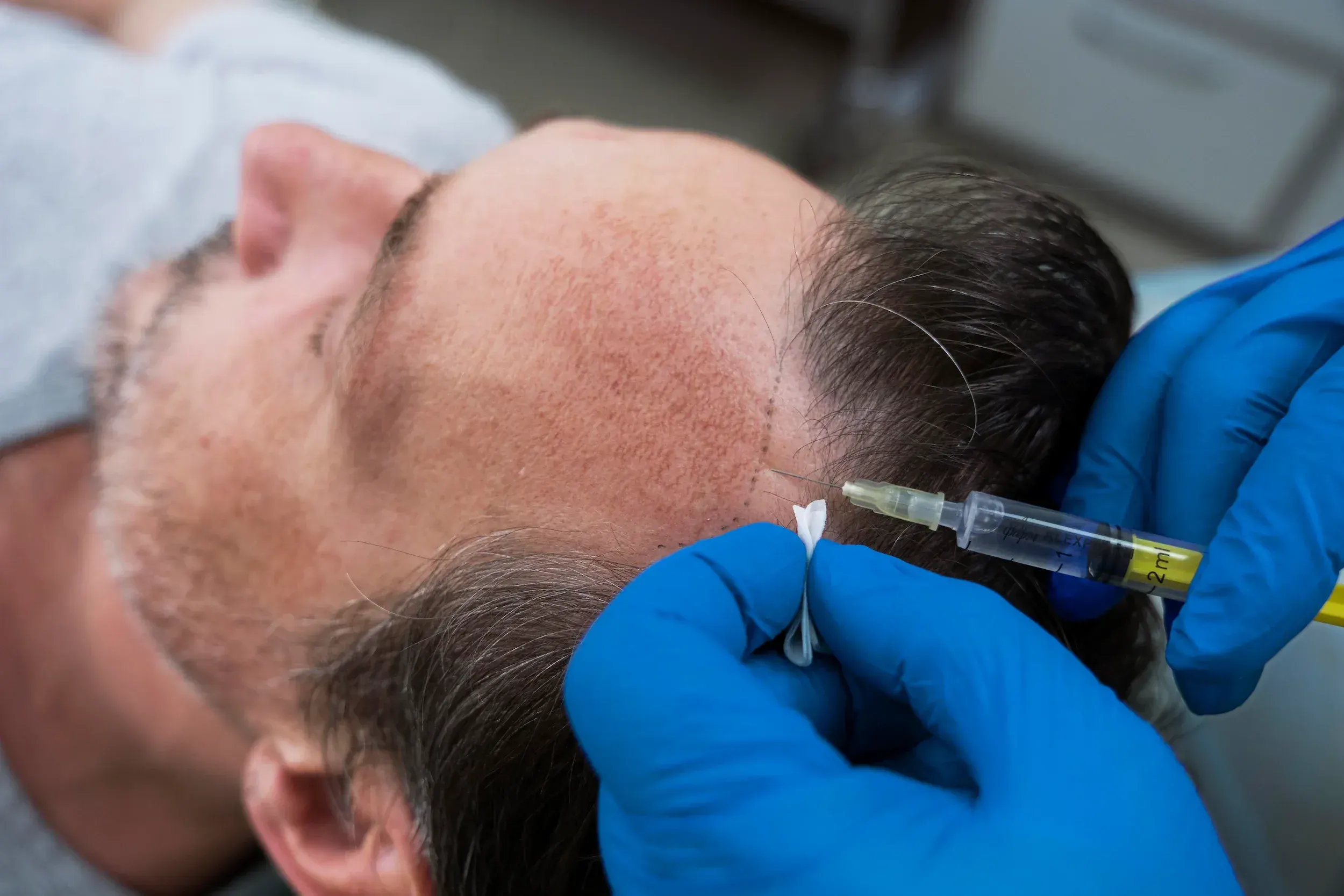
- PRP (Platelet-Rich Plasma) — Supports follicle health and can be especially beneficial during seasons of increased stress and shedding
- Low-Level Laser Therapy (LLLT) — Improves scalp circulation and supports the hair growth cycle
- Professional deep conditioning — In-salon treatments provide more intensive hydration than at-home products
- Scalp analysis — A specialist can evaluate your scalp health and recommend targeted treatments
Home vs. Professional Maintenance
A balanced approach works best:
At home:
- Consistent use of gentle, hydrating products
- Weekly deep conditioning
- Regular scalp care
- Nutritional support and hydration
- Minimizing heat and chemical exposure
Professional:
- Periodic scalp evaluations
- PRP or LLLT treatments as part of a hair health plan
- Professional-grade treatments for dryness or damage
- Guidance on product selection for your specific hair type
Winter hair care is about protection and prevention. By adjusting your routine to account for cold, dry conditions — and supporting your hair from both the outside and inside — you can come out of winter with healthy, strong hair ready for the warmer months ahead.