Consultation
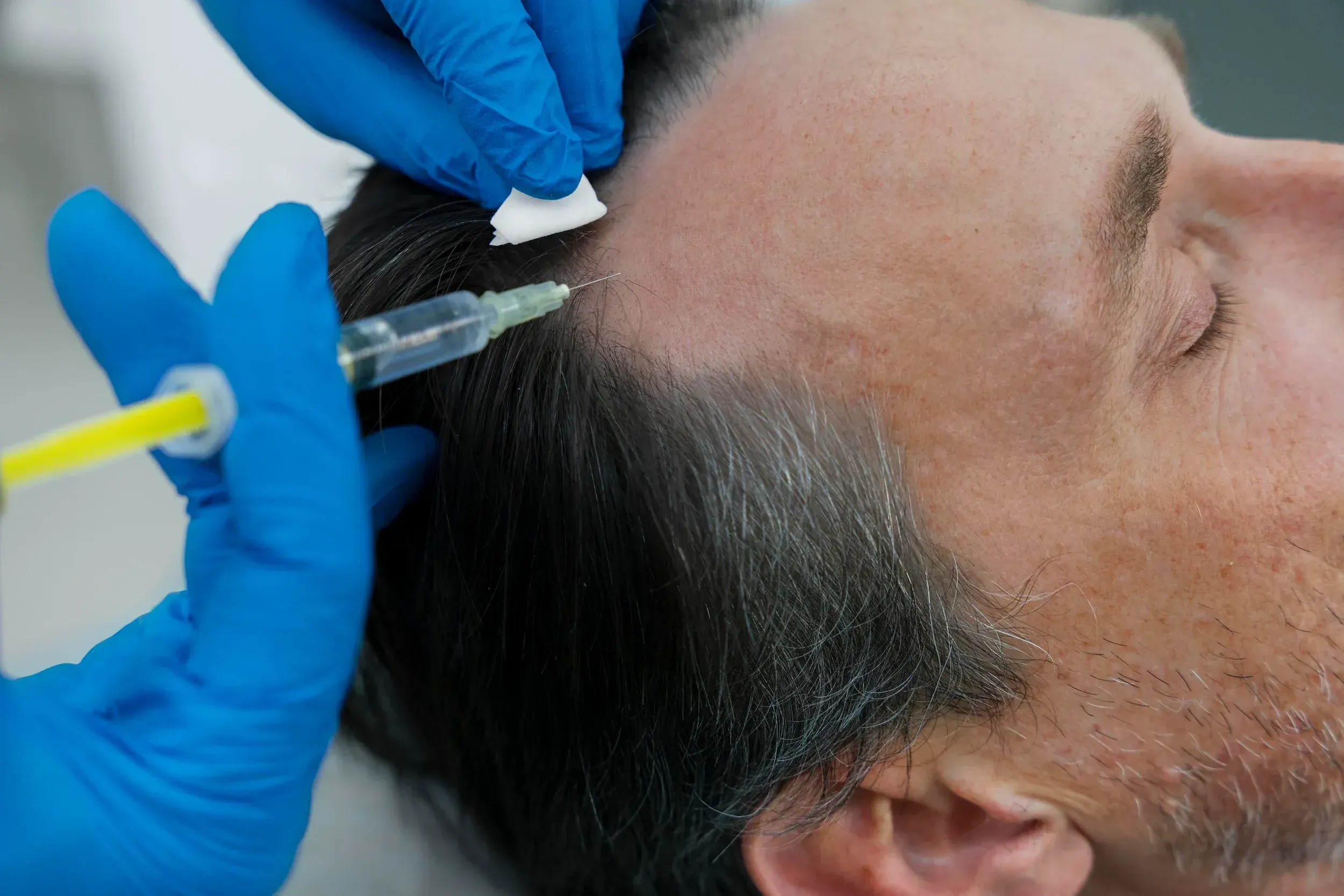
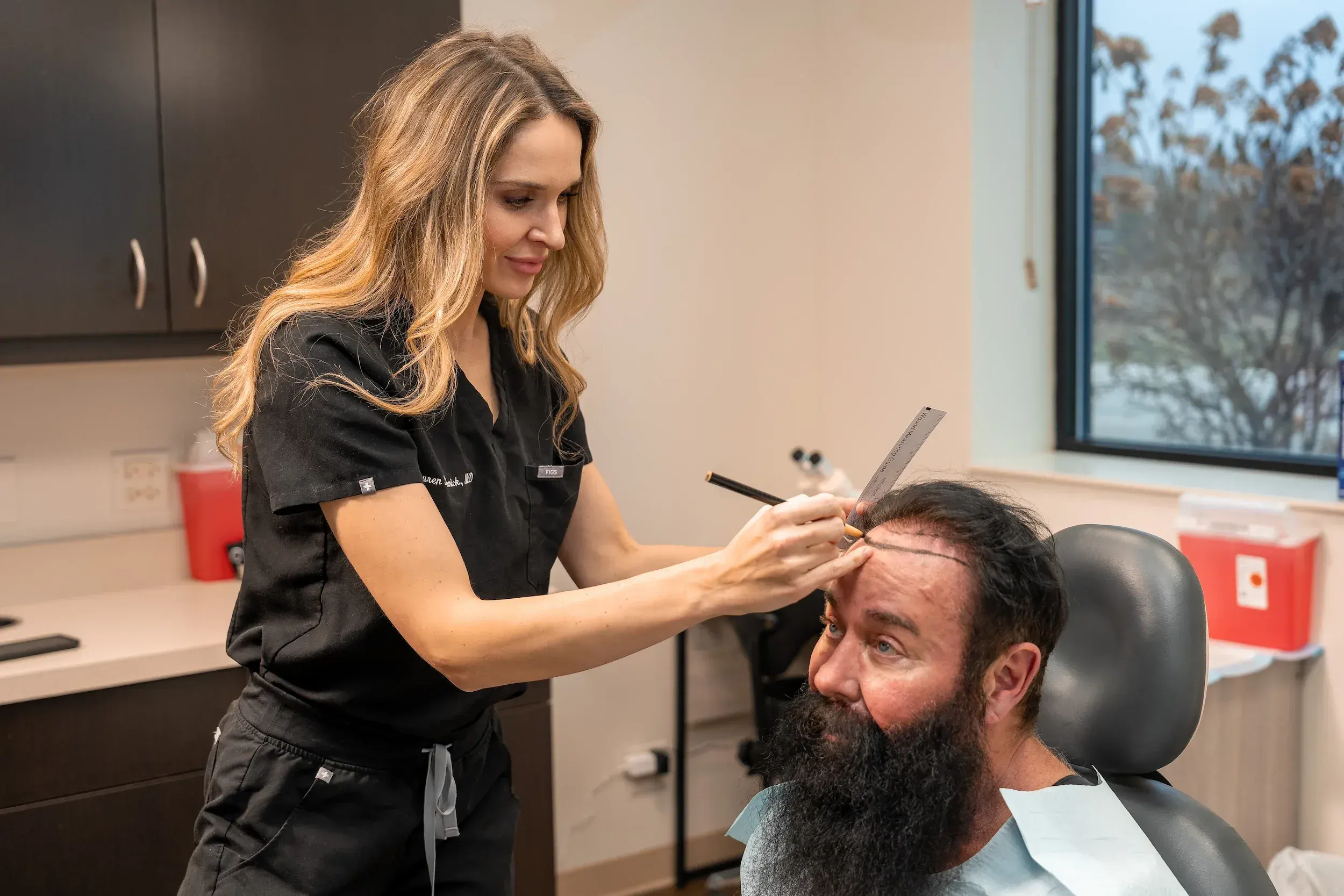
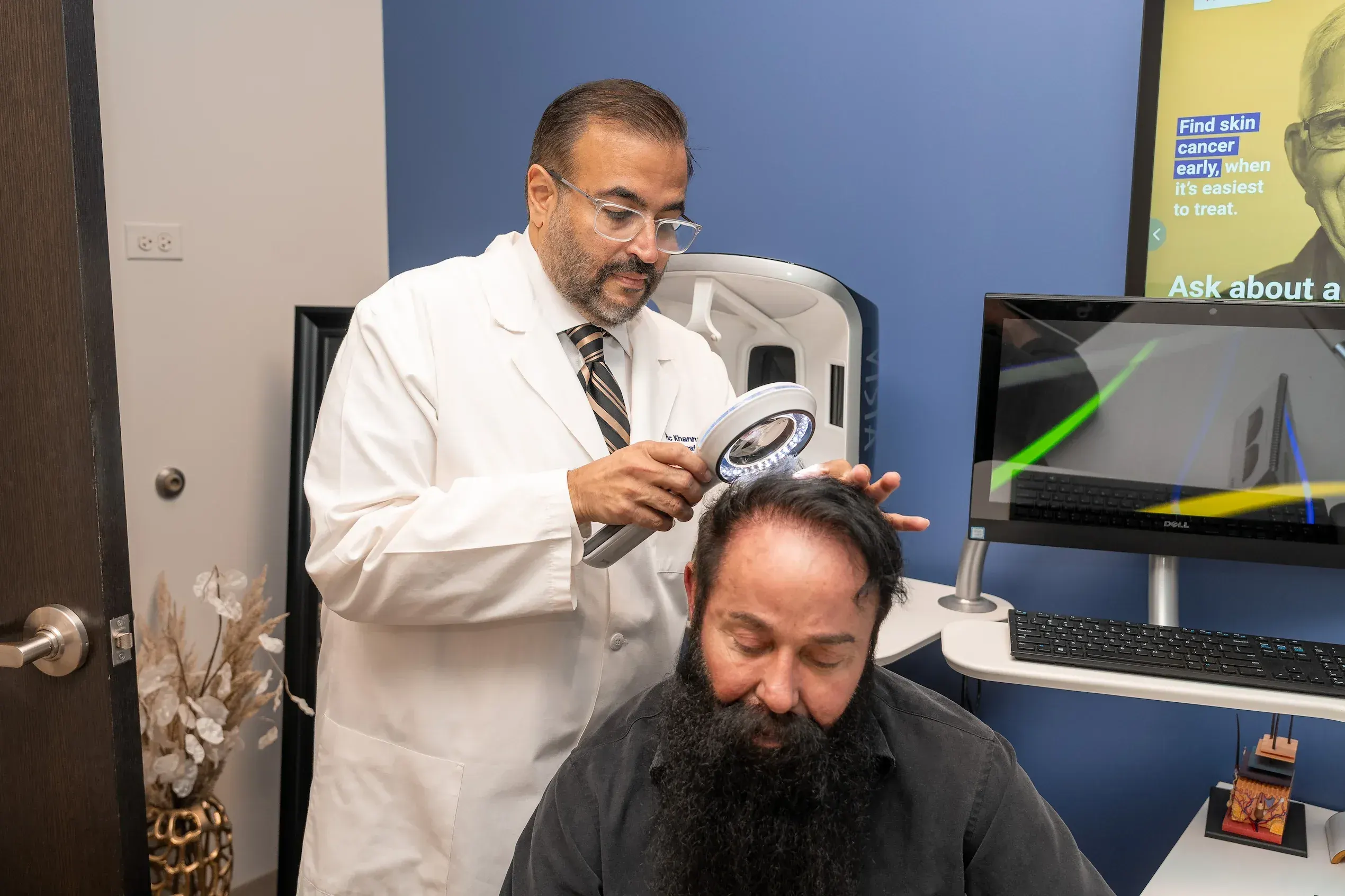
Dr. Khanna examines your scalp, maps your hair loss pattern, and uses the ARTAS digital planning tools to design your personalized graft placement strategy.

AI-Guided Robotic Precision
Understanding the Problem and Solution
Hair loss affects approximately 85% of men by age 50 and nearly 40% of women by age 40. Whether caused by androgenetic alopecia, hormonal changes, or stress, thinning hair can significantly impact self-confidence and quality of life. Many patients in the Algonquin, Barrington, and Crystal Lake area have tried topical treatments and supplements with disappointing results. Traditional strip surgery (FUT) can restore hair but leaves a permanent linear scar across the back of the head, limiting hairstyle options and requiring a longer recovery period.
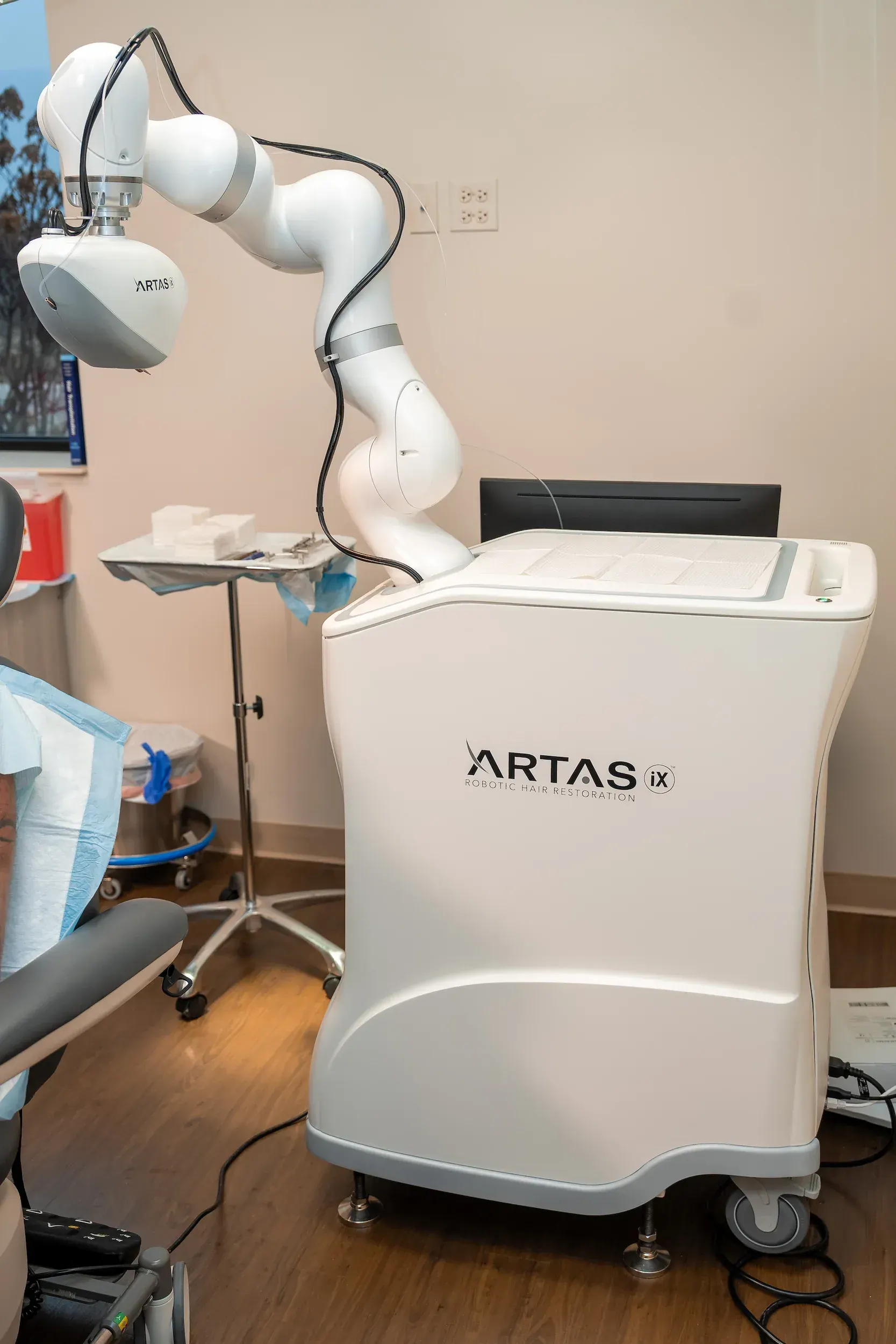
The ARTAS iXi robotic hair transplant system represents a breakthrough in hair restoration technology. Using AI-assisted digital mapping and robotic precision, the ARTAS system harvests individual follicular units from the donor area without a scalpel incision, leaving minimal scarring with ARTAS robotic FUE. Each graft is selected based on optimal characteristics for survival and growth, resulting in natural density and permanent results. At DSI Hair, Dr. Khanna combines this advanced technology with decades of dermatological expertise to deliver outcomes that look and feel completely natural.
AI-Powered Follicular Unit Extraction
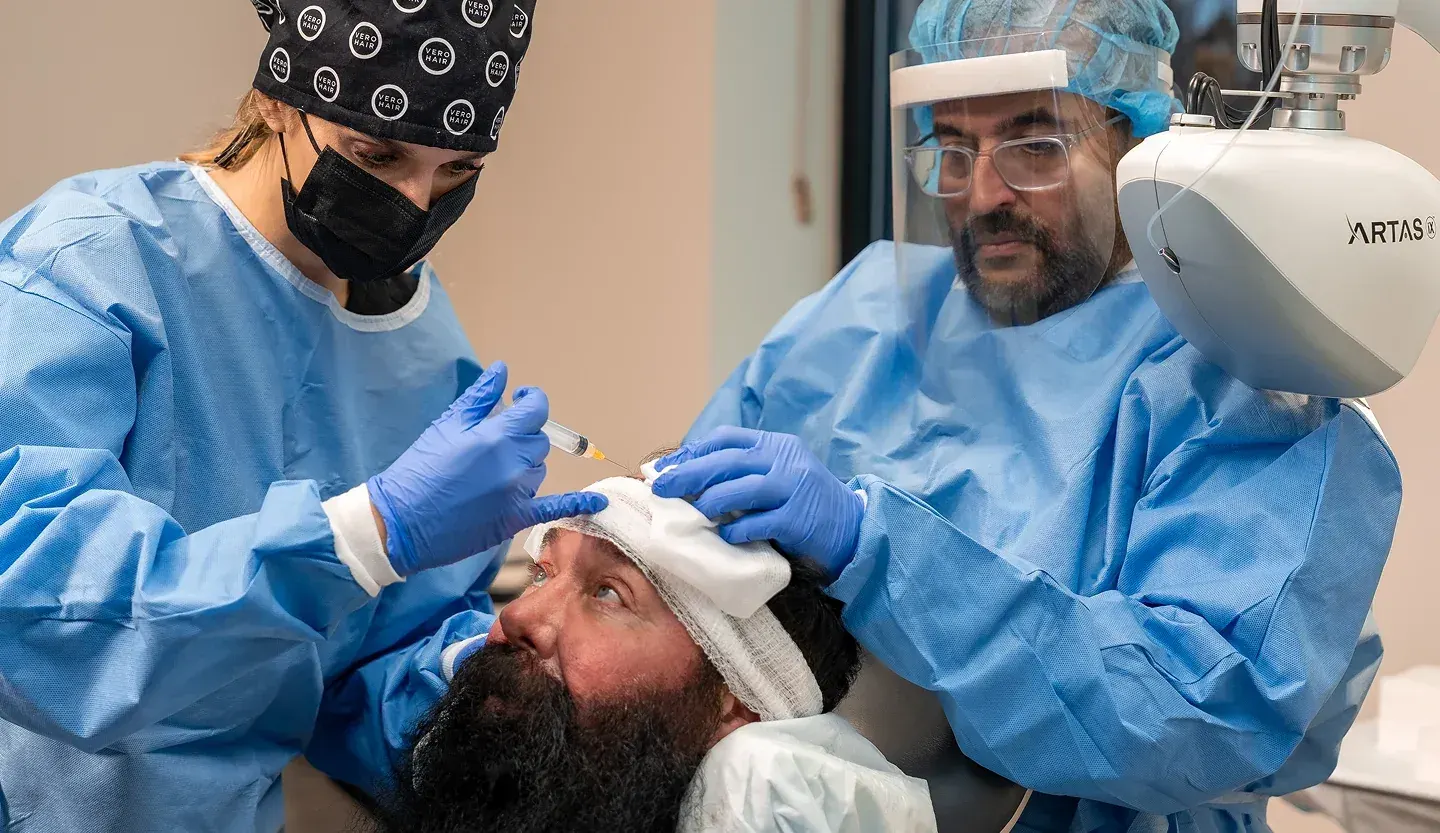
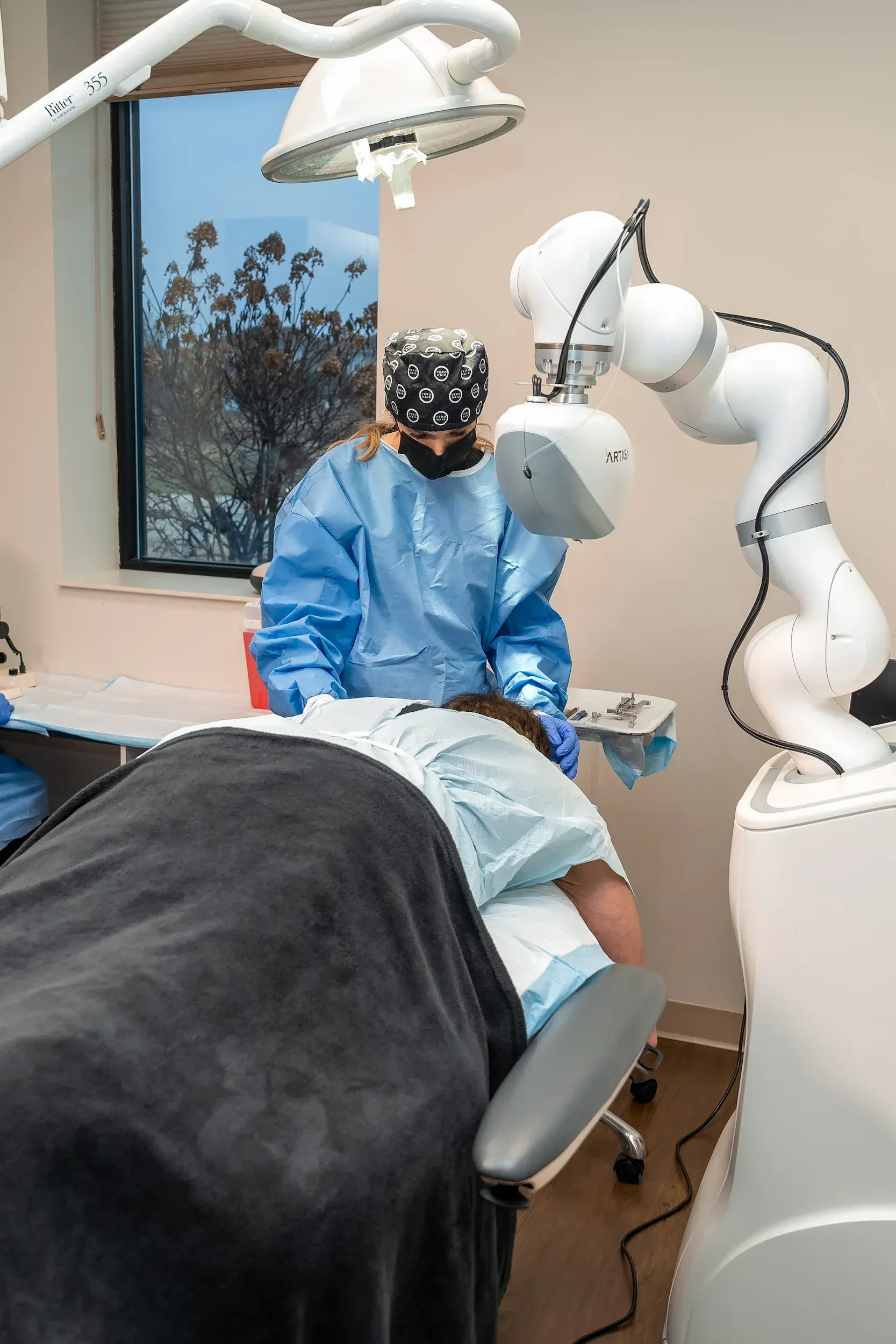
ARTAS robotic hair transplant is an FDA-cleared, minimally invasive hair restoration procedure that uses the ARTAS iXi robotic system to harvest and transplant individual hair follicles with sub-millimeter precision. Unlike manual follicular unit extraction (FUE), the ARTAS robot uses advanced AI algorithms and a high-resolution stereoscopic vision system to map your entire donor area in real time, identifying optimal grafts based on hair angle, direction, spacing, and follicular unit density.
The ARTAS iXi system represents the latest generation of robotic hair transplant technology. Its intelligent algorithms analyze over 100 variables per graft site to determine the ideal extraction pattern, preserving donor area aesthetics while maximizing graft yield. The robotic arm performs each extraction with consistent depth, angle, and speed that no human hand can replicate over thousands of grafts. This precision translates directly to higher graft survival rates and more natural-looking results. The FUE technique used by ARTAS eliminates the need for a linear incision, meaning no stitches, no staples, and no linear scar.
Targeted Solutions for Hair Restoration
Restores natural frontal hairline with precise graft placement for seamless results
Rebuilds vertex density using AI-optimized graft distribution patterns
Fills temporal points to frame the face with age-appropriate hair density
Increases overall density in areas of widespread miniaturization
Corrects unnatural results from older plug or strip procedures
Rebuilds density across the front of the scalp where thinning is most visible and impacts appearance first
Robotic Precision Advantages
Individual follicle extraction leaves tiny dot scars invisible to the naked eye
Robotic algorithms select optimal grafts and maintain consistent harvesting accuracy
Most patients return to normal activities within 5-7 days with minimal discomfort
Digital recipient site planning ensures proper angle, depth, and density for each graft
Robotic consistency reduces transection rates compared to manual extraction techniques
Transplanted follicles are genetically resistant to DHT and continue growing for life
Compare Your Options
| Treatment | Mechanism | Procedure Time | Results | Scarring | Downtime | Best For |
|---|---|---|---|---|---|---|
| ARTAS Robotic FUE | AI-guided robotic follicle extraction and transplant | 4-8 hours | Natural density at 12-18 months | No linear scar — tiny dot scars only | 5-7 days | Patients wanting precision results with minimal scarring |
| Manual FUE | Hand-held punch tool extracts individual follicles | 6-10 hours | Natural results at 12-18 months | Tiny dot scars, slight variability | 5-7 days | Smaller sessions or areas not suited for robotic access |
| FUT Strip Surgery | Scalp strip removed and dissected into grafts | 4-6 hours | High graft yield at 12-18 months | Permanent linear scar across donor area | 10-14 days | Patients needing maximum grafts who accept a linear scar |
Artas
Artas
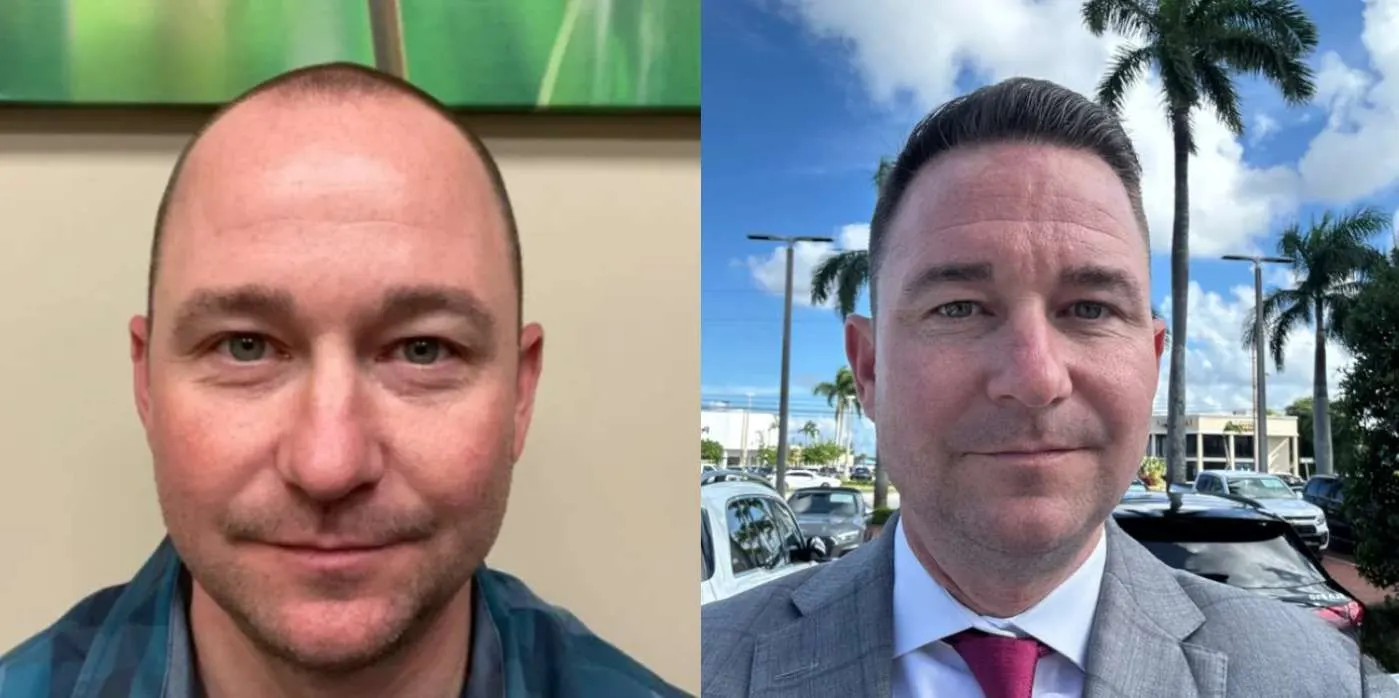
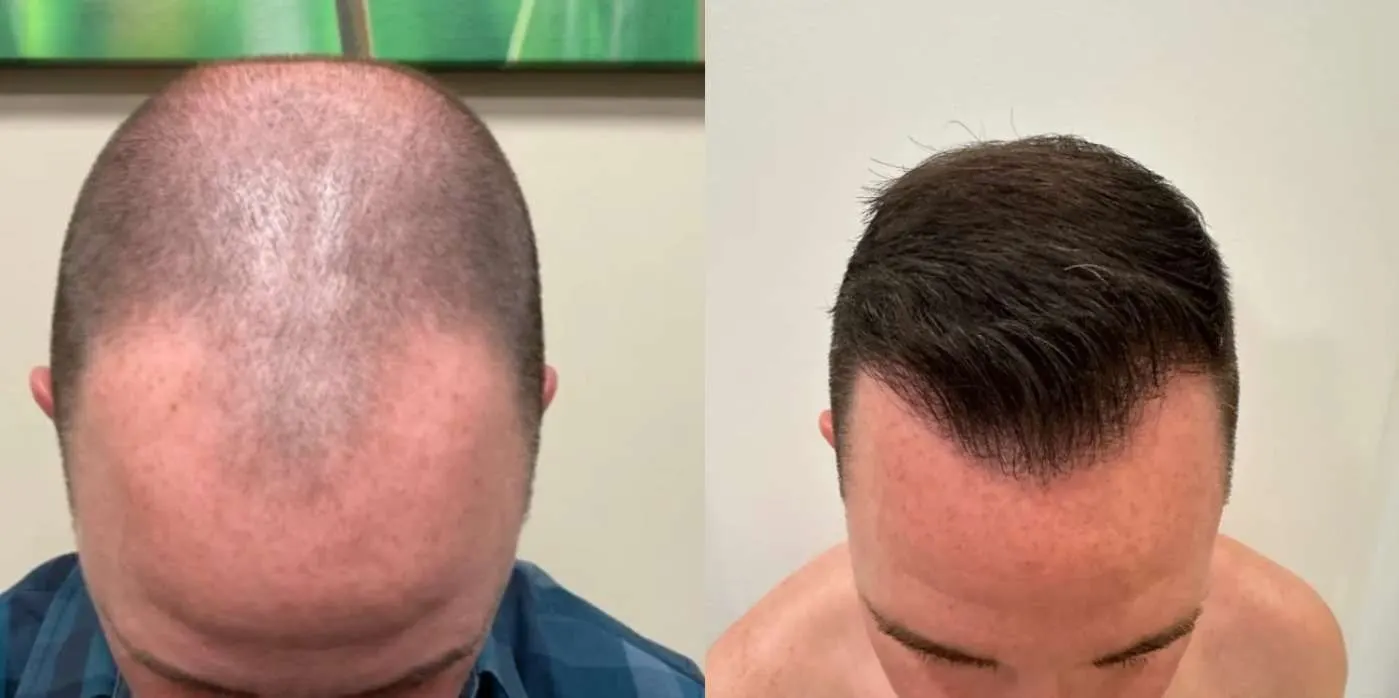
ARTAS robotic hair transplant patients at DSI Hair typically see initial new hair growth between 3 and 4 months, with progressive thickening through months 6 to 9. Full density and final results are usually visible between 12 and 18 months post-procedure. Individual results vary based on graft count, hair characteristics, and adherence to aftercare instructions.
View All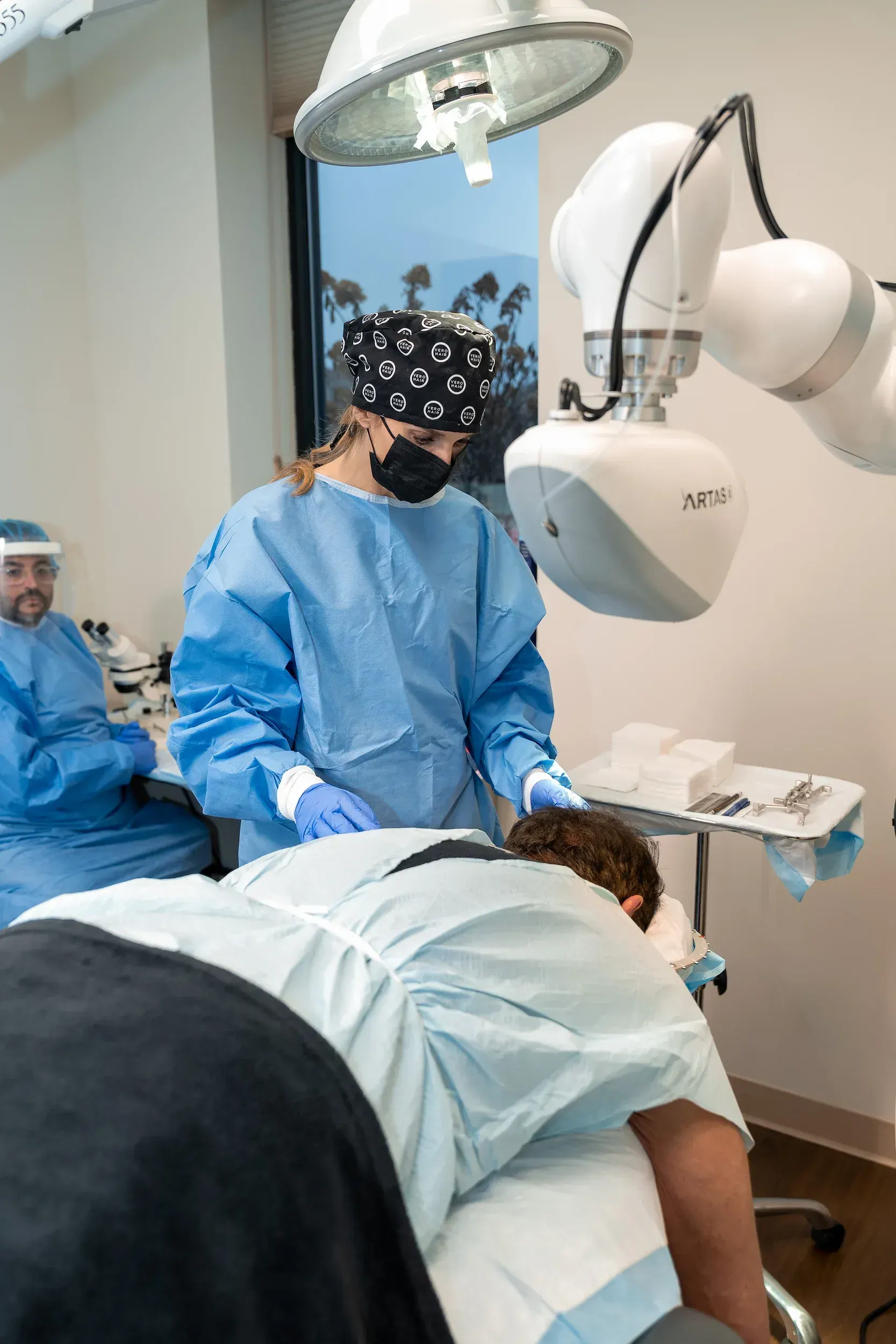
Determining Your Eligibility
The ARTAS robotic hair transplant is an effective solution for men and women experiencing pattern hair loss who have sufficient donor hair density. During your consultation at DSI Hair, Dr. Khanna evaluates your hair loss pattern, donor area quality, and treatment goals to determine whether ARTAS is the right approach.
If ARTAS is not ideal for your hair type or loss pattern, Dr. Khanna may recommend manual FUE, combination therapy with PRP hair restoration for enhanced healing, or medical management as alternative approaches.
What Happens During Your Session
Dr. Khanna examines your scalp, maps your hair loss pattern, and uses the ARTAS digital planning tools to design your personalized graft placement strategy.
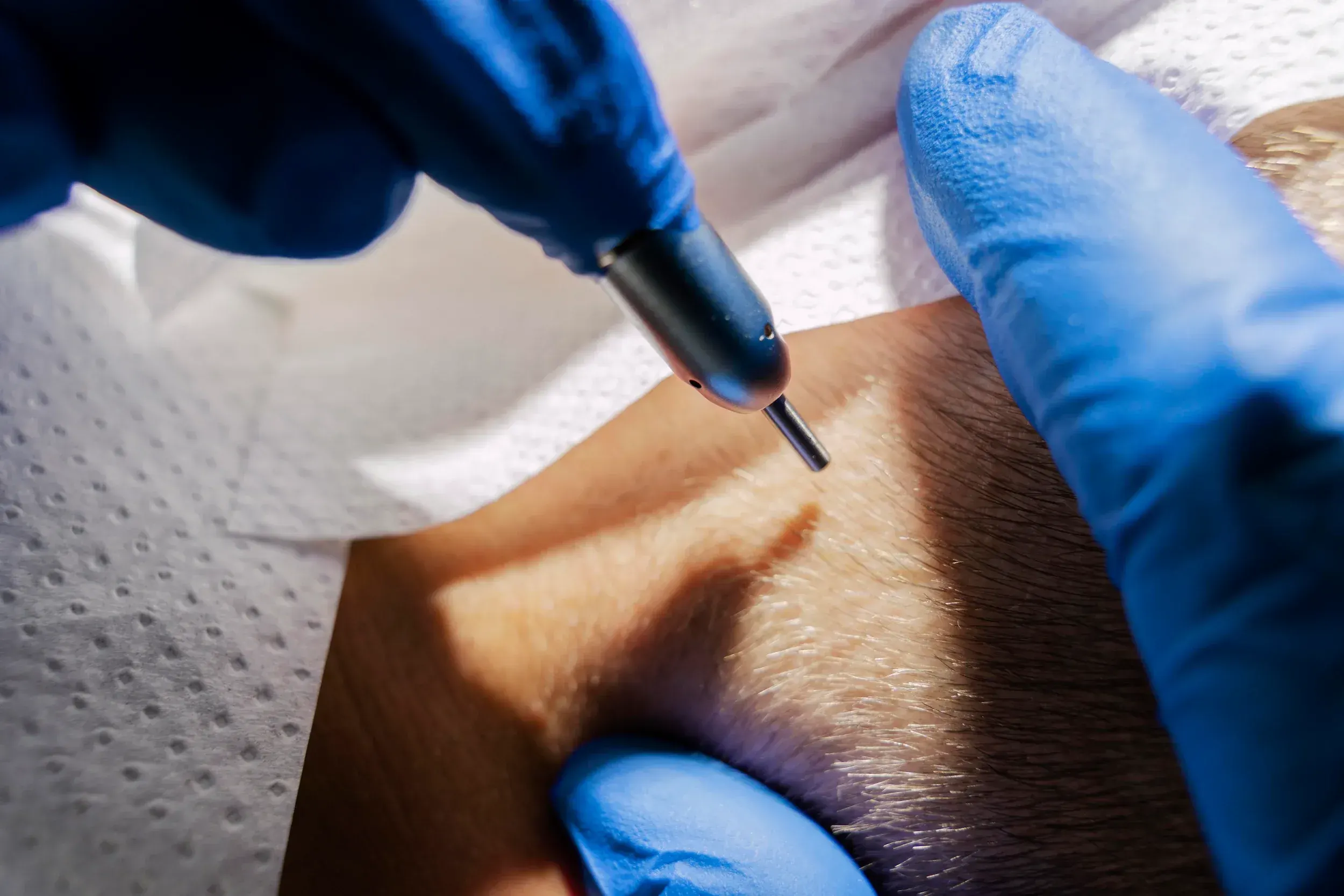
Dr. Khanna administers local anesthesia to the donor area. The ARTAS iXi system scans and creates a complete 3D digital map of your donor region.
The ARTAS robot extracts individual follicular units using AI-guided precision, selecting optimal grafts while preserving natural donor area appearance.
Dr. Khanna designs and creates recipient sites at the precise angle, depth, and density needed to achieve a natural hairline and growth pattern.
Dr. Khanna and his clinical team carefully implant each harvested graft into the prepared recipient sites, ensuring proper orientation for natural growth.
ARTAS robotic hair transplant is an FDA-cleared procedure with an excellent safety profile. Because the ARTAS iXi system uses minimally invasive follicular unit extraction rather than a scalp incision, complications are uncommon and typically mild.
Common side effects (resolve within 1-2 weeks): Mild swelling of the forehead and around the eyes (peaks at days 3-5), minor redness and crusting at extraction and implantation sites, temporary numbness or tingling in the donor area, and mild soreness managed with over-the-counter pain medication.
Less common side effects: Temporary shock loss (shedding of existing hair near transplant sites, which regrows), folliculitis (small pimple-like bumps at graft sites), and minor bleeding during the first 24-48 hours.
Rare complications: Infection at extraction or recipient sites (prevented with prescribed antibiotics), poor graft survival due to non-compliance with aftercare instructions, or cyst formation at graft sites. Dr. Khanna provides detailed pre- and post-operative instructions to minimize all risks and monitors your progress through scheduled follow-up appointments at DSI Hair.
ARTAS robotic hair transplant cost at DSI Hair in Algonquin varies based on the number of grafts needed, the complexity of your hair loss pattern, and your aesthetic goals. During your consultation, Dr. Khanna provides a detailed treatment plan with transparent pricing tailored to your specific needs.
Graft count: Most patients require between 1,500 and 4,000 grafts depending on the area of coverage. ARTAS robotic hair transplant cost is typically calculated on a per-graft basis.
Session complexity: Frontal hairline restoration, crown coverage, and full-head cases each involve different levels of planning and procedure time.
Combination therapy: Many patients benefit from adding PRP hair restoration sessions to promote faster healing and optimize graft survival, which may affect the total investment.
Financing options: DSI Hair offers flexible payment plans to make ARTAS hair transplant accessible. We work with third-party financing providers to offer monthly payment options with competitive rates. Ask about our current financing programs during your consultation.
To receive a personalized ARTAS hair transplant cost estimate, call DSI Hair at (844) 307-7546 (new patients) or (847) 458-7546 (existing patients) to schedule your consultation.
Algonquin's Hair Restoration Experts
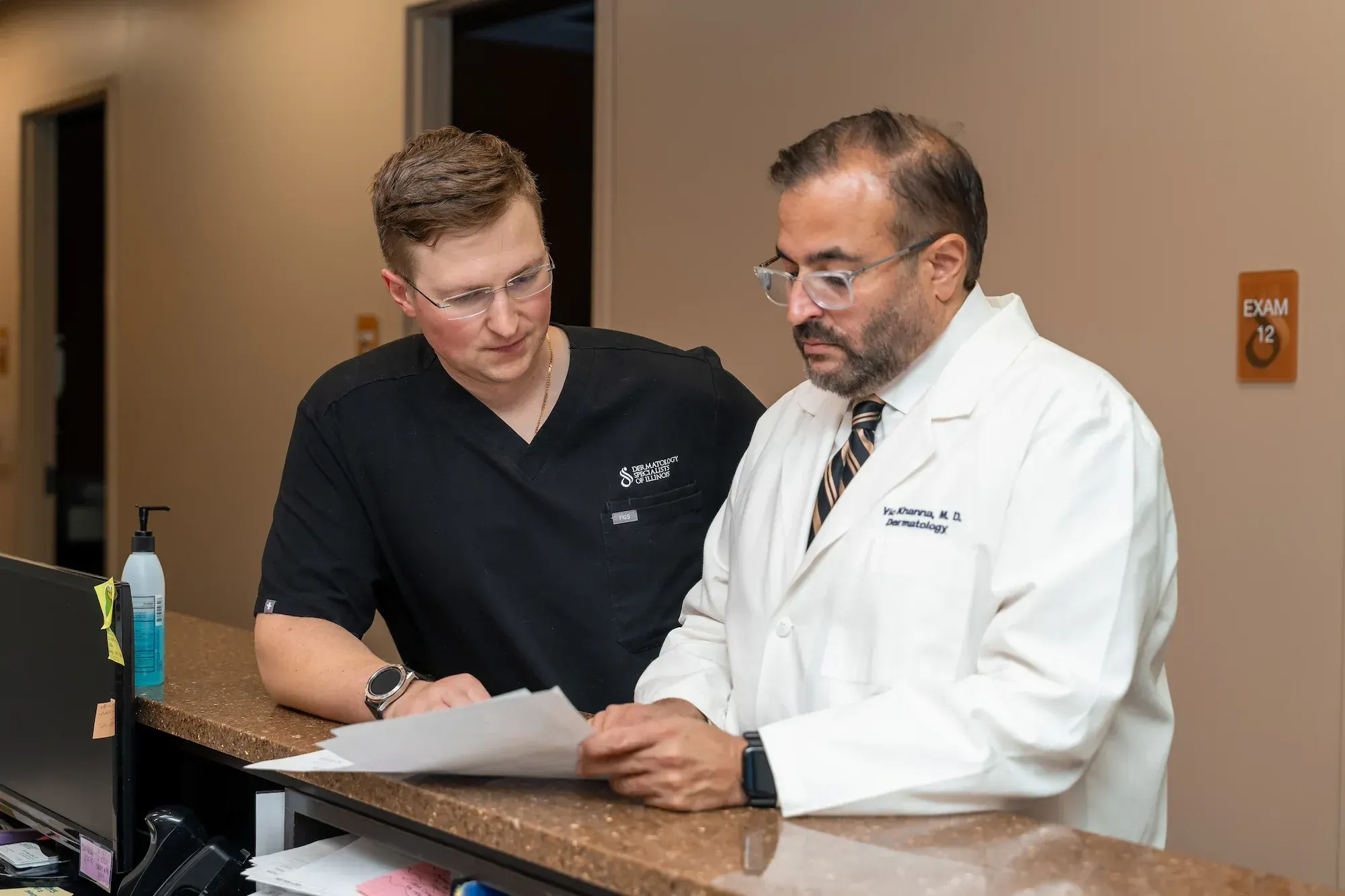
Led by Dr. Khanna with 25+ years of dermatological and hair restoration experience
Latest-generation robotic system with AI-driven graft selection and site mapping
4.8/5 rating from 972 Google reviews reflecting consistent patient satisfaction
Full spectrum of treatments including PRP therapy to enhance transplant results
Explore complementary hair restoration services at DSI Hair.
View allAnswers to Your Questions
ARTAS robotic hair transplant cost at DSI Hair depends on the number of grafts required and the complexity of your treatment plan. Most patients need between 1,500 and 4,000 grafts. During your consultation, Dr. Khanna provides a detailed cost estimate based on your specific hair loss pattern and goals. Flexible financing options are available.
The ARTAS iXi system uses a high-resolution stereoscopic vision system and AI algorithms to create a 3D digital map of your donor area. It analyzes over 100 variables per graft site to identify and extract the healthiest follicular units with robotic precision. This ensures consistent harvesting accuracy, higher graft survival rates, and natural donor area preservation.
ARTAS offers several advantages over manual FUE, including more consistent extraction accuracy over thousands of grafts, reduced transection rates, and AI-optimized donor management. The robotic system eliminates human fatigue during long procedures. However, manual FUE may be preferred for certain hair types or very small sessions. Dr. Khanna can advise which method is best for your situation.
An ARTAS robotic hair transplant procedure at DSI Hair typically takes between 4 and 8 hours depending on the number of grafts. Smaller sessions of 1,500 grafts may be completed in 4-5 hours, while larger sessions of 3,000-4,000 grafts may take 7-8 hours. The procedure is performed under local anesthesia, and patients remain comfortable throughout.
Most ARTAS patients return to desk work and normal daily activities within 5-7 days. Strenuous exercise should be avoided for about 2 weeks. Minor redness and crusting at graft sites typically resolve within 7-10 days. Transplanted hairs go through a shedding phase at weeks 2-4, with new permanent growth beginning around months 3-4.
ARTAS robotic FUE does not leave a linear scar. Instead, each extracted follicle leaves a tiny circular micro-wound less than 1mm in diameter that heals to become virtually undetectable. This is a significant advantage over FUT strip surgery, which leaves a permanent linear scar across the back of the head. Most ARTAS patients can wear their hair at any length after healing.