Evaluation
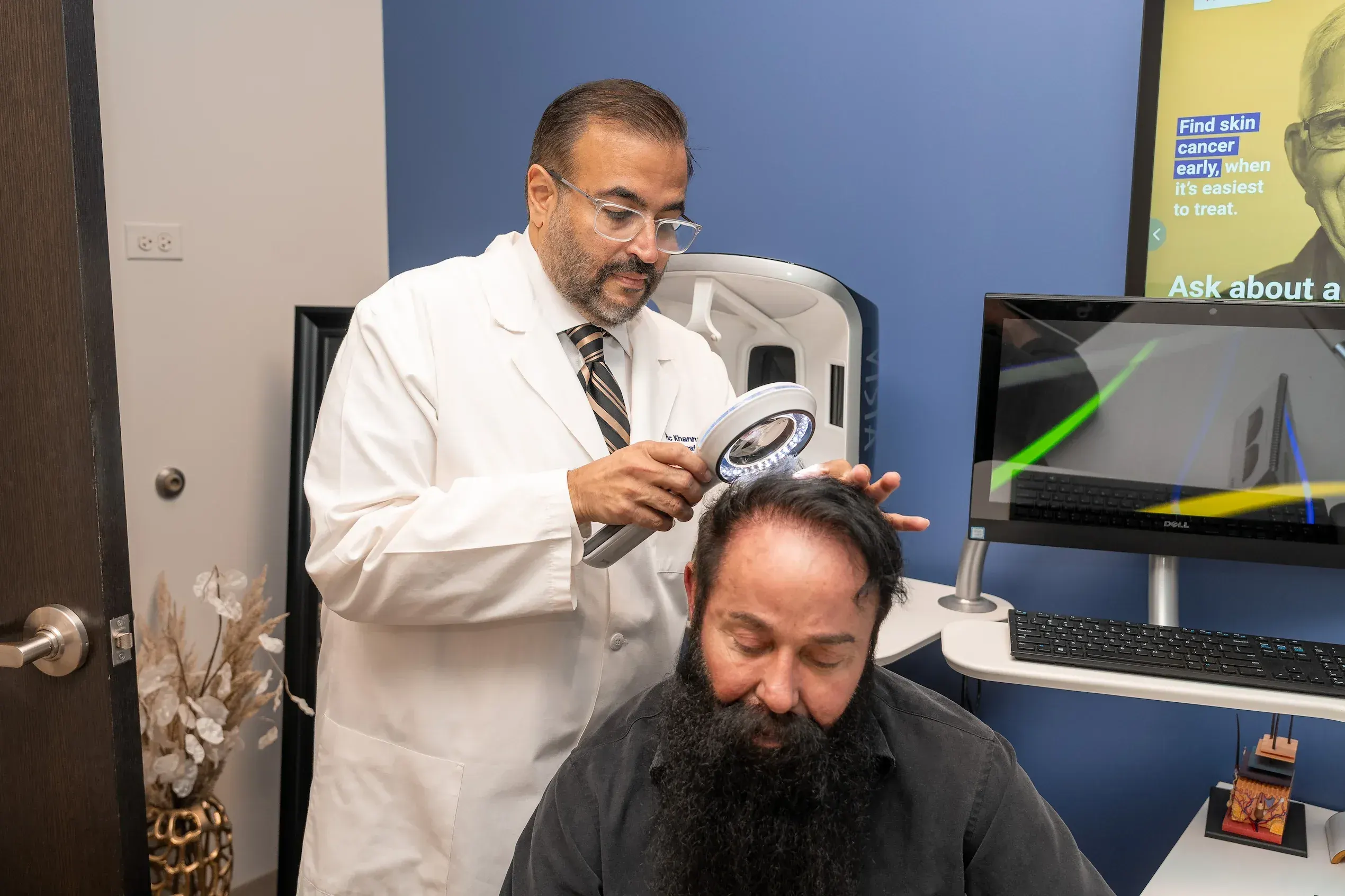
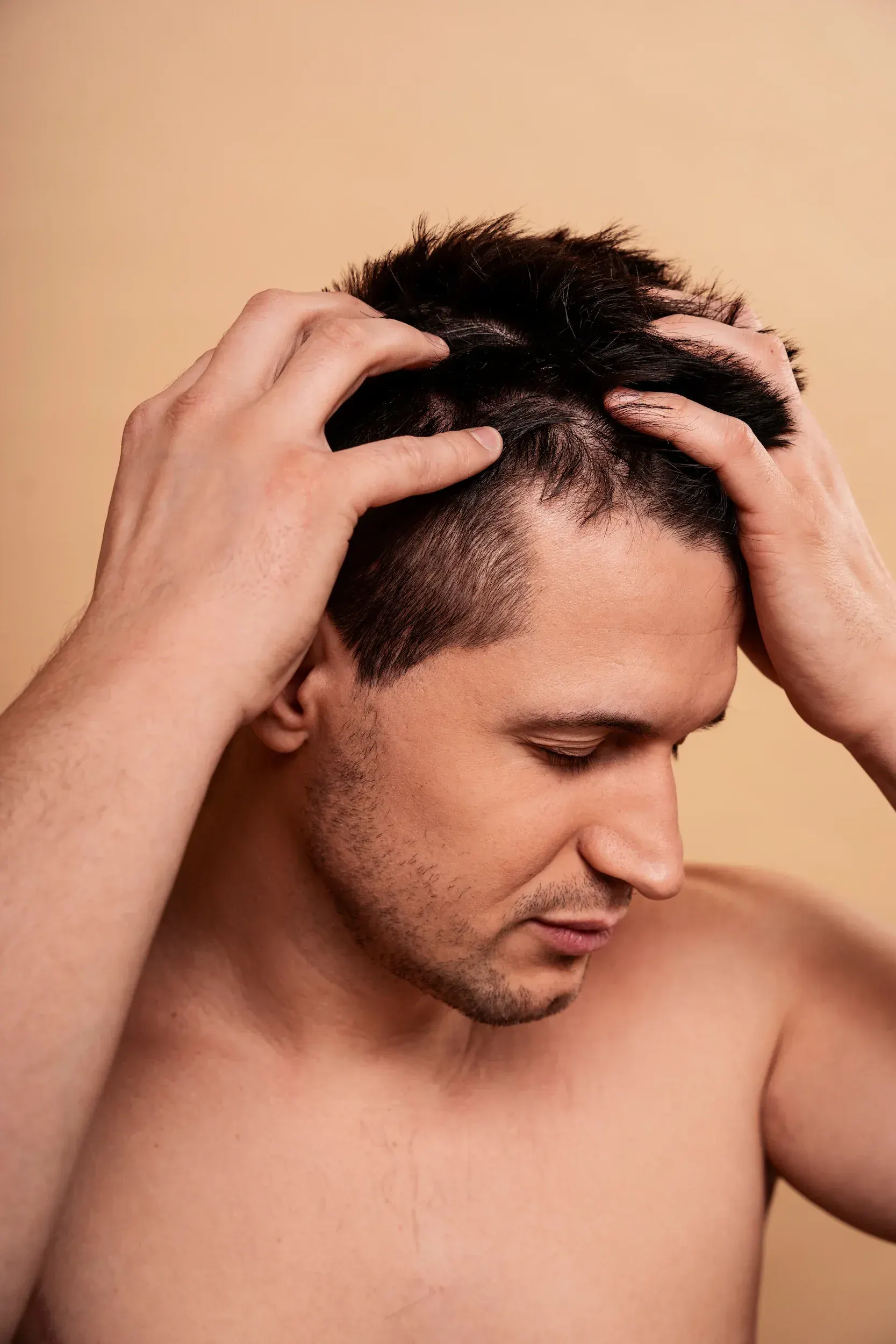
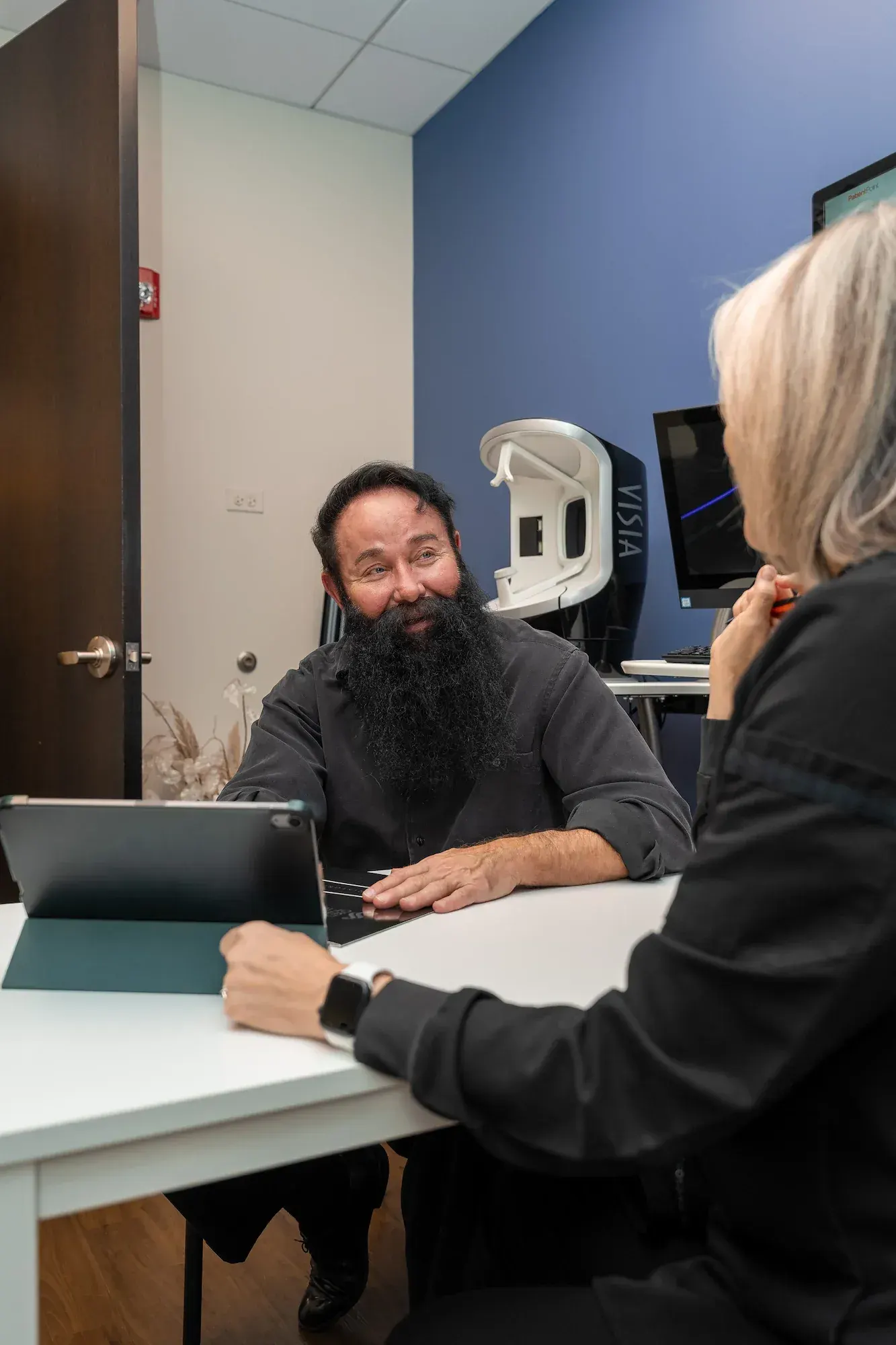
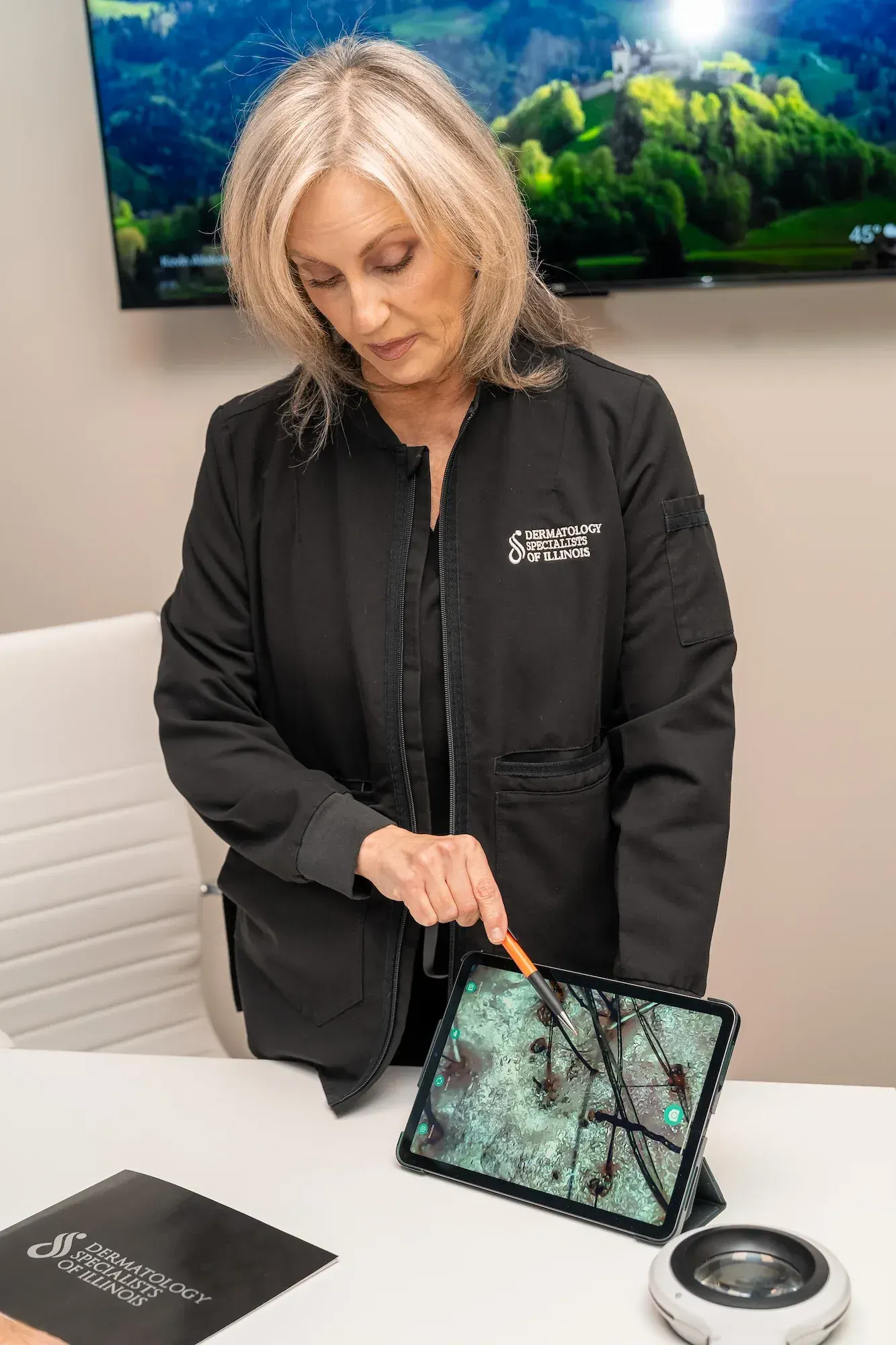
Dr. Khanna or Dr. Boshnick examines your scalp, reviews hair loss history, and identifies the specific pattern driving your thinning.


FDA-Approved Hair Regrowth
Science-Backed Solutions Matter
Millions of adults experience progressive hair thinning — yet most try over-the-counter minoxidil without professional guidance. Without a proper diagnosis, you may be using the wrong concentration, applying it incorrectly, or missing an underlying condition like diffuse thinning or hormonal imbalance. The result? Months of effort with disappointing results, shedding phases that cause unnecessary panic, and missed opportunities to intervene before follicle miniaturization becomes permanent.
At DSI Hair in Algonquin, IL, our board-certified dermatologists evaluate your scalp, diagnose the specific type of hair loss, and prescribe the right minoxidil formulation — whether that's topical foam, topical solution, or an oral minoxidil prescription alternative. By combining clinical assessment with dermatologist-guided minoxidil therapy, we help patients in Algonquin and surrounding communities like Crystal Lake, Barrington, and Huntley achieve measurable regrowth that over-the-counter use alone rarely delivers.
The Science Behind Hair Regrowth
Minoxidil is an FDA-approved topical vasodilator that stimulates hair follicles to reverse miniaturization and promote new growth. Originally developed as an oral blood pressure medication in the 1970s, its hair-regrowing side effects led to the development of topical formulations — earning FDA approval as the first over-the-counter hair loss treatment in 1988 (2% solution) and 1993 (5% foam for men). For women's hair loss, the 2% solution and 5% foam (approved 2014) are the FDA-cleared options.
Minoxidil works by shortening the telogen (resting) phase and prolonging the anagen (growth) phase of the hair cycle. It achieves this through potassium channel opening in vascular smooth muscle, which increases blood flow and nutrient delivery to hair follicles. The active metabolite, minoxidil sulfate, upregulates vascular endothelial growth factor (VEGF) expression, stimulating follicular proliferation at the dermal papilla. This is why it is particularly effective for thinning hair where follicles are miniaturized but not yet dead — the earlier treatment begins, the better the response.
At DSI Hair, our dermatologists don't just hand you a prescription. We determine whether topical minoxidil (foam or solution), oral minoxidil, or a combination approach — potentially including finasteride — gives you the strongest chance of meaningful regrowth.
Targeted Regrowth for Multiple Patterns
The most common cause of progressive thinning in both men and women — minoxidil's primary FDA-approved indication
Generalized density loss across the scalp responds well to minoxidil's follicle-stimulating mechanism
FDA-approved 2% and 5% formulations specifically studied and proven effective for women's hair thinning
Vertex area hair loss in men shows the strongest clinical response to topical minoxidil treatment
Patients who begin minoxidil before significant miniaturization achieve the most dramatic improvements
Helps shorten the shedding phase and encourage faster regrowth by stimulating follicles back into the active growth cycle
Proven, Accessible, Effective
Over 35 years of clinical data supporting measurable hair regrowth in men and women
Simple topical or oral application — no surgery, no injections, no downtime required
Available as foam, liquid solution, or oral tablet — dermatologist selects the best match for your needs
One of the only FDA-cleared hair loss treatments approved for use in both men and women
Works synergistically with finasteride, PRP, and laser therapy for enhanced regrowth outcomes
Finding Your Best Fit
| Treatment | Mechanism | Application | Results Timeline | Best For | Side Effects | Prescription Required |
|---|---|---|---|---|---|---|
| Topical Minoxidil | Vasodilation + VEGF upregulation | Foam or solution applied to scalp 1-2x daily | 4-6 months for visible improvement | Crown thinning, diffuse loss, men & women | Scalp irritation, initial shedding, unwanted facial hair | No (OTC) — but dermatologist guidance recommended |
| Oral Minoxidil | Systemic vasodilation + follicle stimulation | Low-dose tablet taken once daily | 3-6 months for visible improvement | Patients who dislike topical application or need stronger response | Hypertrichosis, fluid retention, lightheadedness (dose-dependent) | Yes — requires dermatologist prescription and monitoring |
| Finasteride | 5-alpha reductase inhibition (blocks DHT) | Oral tablet taken once daily | 3-6 months for visible improvement | Male pattern baldness, receding hairline, vertex thinning | Rare: decreased libido, erectile dysfunction (reversible) | Yes — prescription only, not FDA-approved for women |
Candidacy and Contraindications
Minoxidil is effective for a wide range of hair loss patients, but outcomes depend on the type and stage of hair loss, overall health, and commitment to consistent application. Our board-certified dermatologists at DSI Hair evaluate every patient to ensure minoxidil is the right fit — or recommend alternatives when it isn't.
If you're unsure whether minoxidil is appropriate for your hair loss pattern, schedule a consultation at DSI Hair. Our dermatologists in Algonquin, IL, will perform a thorough scalp evaluation and recommend the most effective treatment path — whether that's minoxidil alone, a combination protocol, or a different approach entirely.
Your Dermatologist-Guided Journey
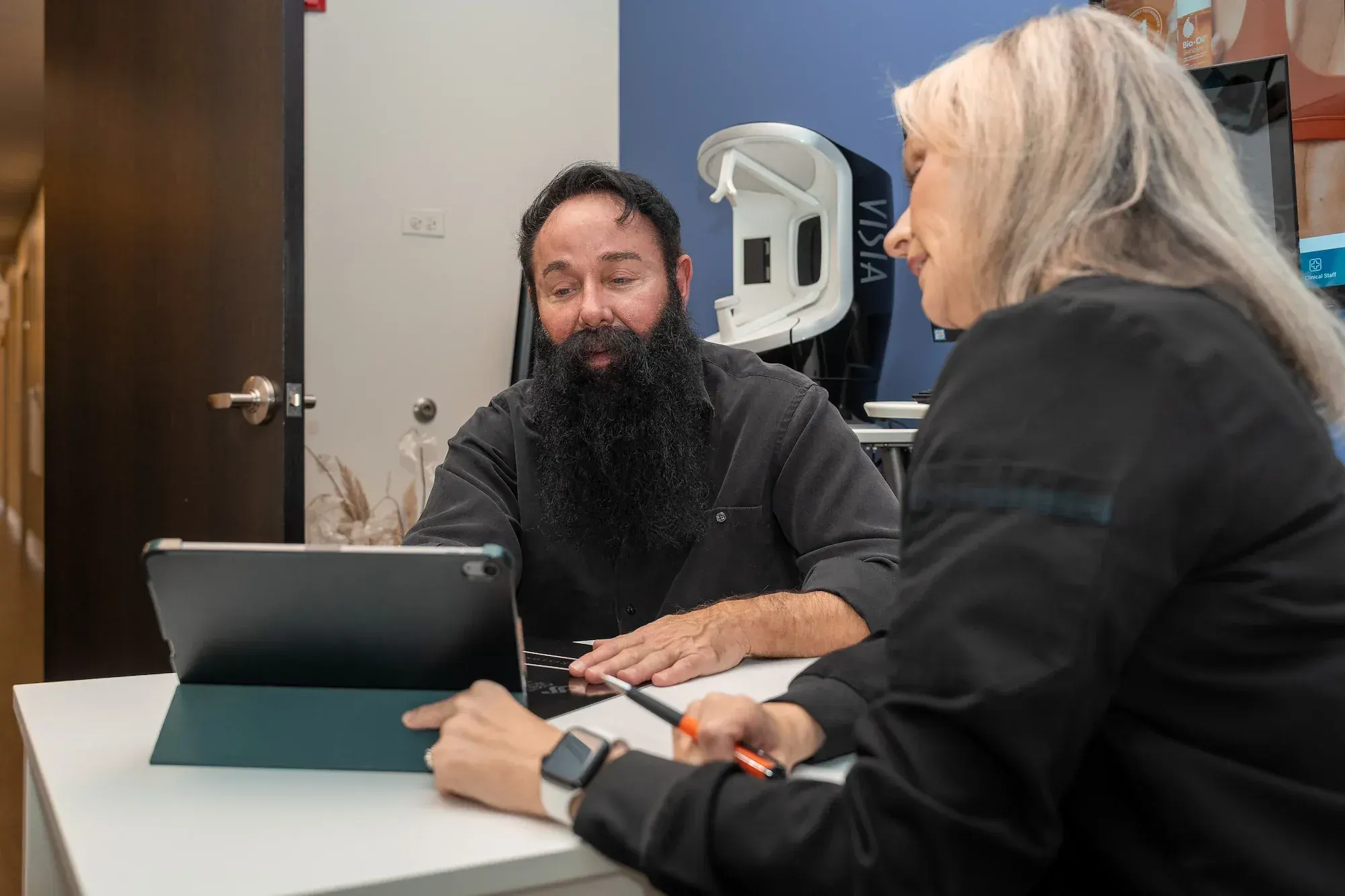
Dr. Khanna or Dr. Boshnick examines your scalp, reviews hair loss history, and identifies the specific pattern driving your thinning.
Your dermatologist recommends the optimal minoxidil type — foam, solution, or oral — based on your diagnosis, lifestyle, and sensitivity profile.
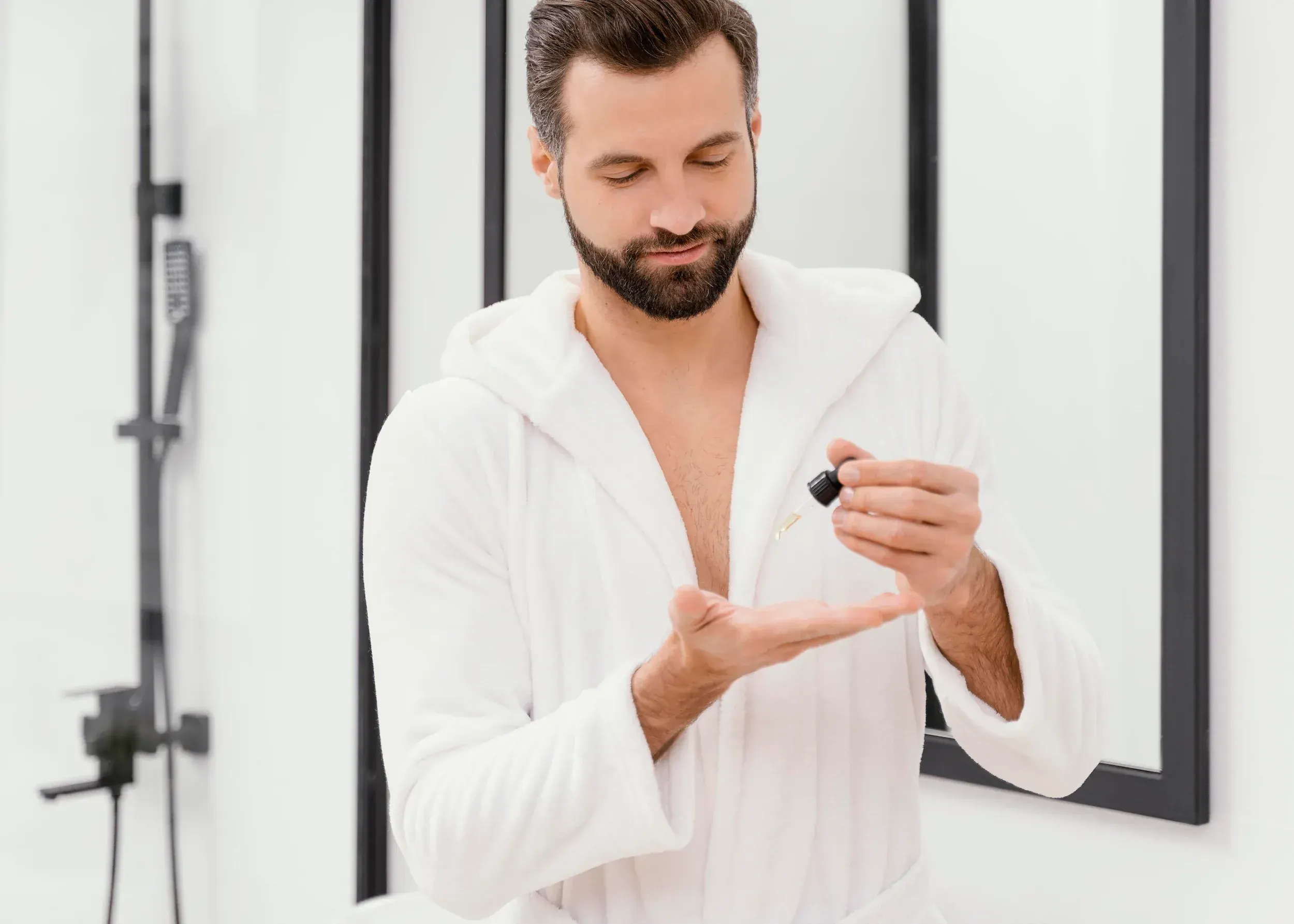
Our team demonstrates proper technique: parting the hair, applying to the scalp (not the hair), and drying time to maximize absorption.
Scheduled follow-ups at 3, 6, and 12 months include clinical photography and density assessment to track regrowth and adjust the protocol.
Minoxidil is one of the most extensively studied hair loss medications, with a well-established safety profile spanning over three decades. Most side effects are mild and self-limiting, but our dermatologists at DSI Hair ensure you're fully informed before starting therapy.
At DSI Hair, our dermatologists monitor all minoxidil patients with scheduled follow-ups, adjusting formulation and dose as needed. Contact us at (844) 307-7546 if you experience any unexpected symptoms.
Minoxidil is one of the most affordable hair loss treatments available, particularly in its over-the-counter topical formulations. However, the value of dermatologist guidance — ensuring you use the right product, concentration, and technique — dramatically impacts your return on investment.
Over-the-counter minoxidil (Rogaine and generic equivalents) does not require a prescription, but many patients in the Algonquin and Crystal Lake area spend months using it incorrectly or with the wrong concentration before seeking dermatologic guidance. A single consultation at DSI Hair can save months of ineffective treatment.
Oral minoxidil requires a prescription and dermatologist monitoring. Insurance may cover consultation visits depending on your plan. Contact DSI Hair at (844) 307-7546 for current pricing and appointment availability.
Board-Certified Dermatology in Algonquin
Board-certified specialists — not general practitioners — diagnosing and guiding your treatment
Concentration, formulation, and combination therapy matched to your diagnosis and response
Full spectrum from minoxidil to PRP to ARTAS robotic transplant under one roof
Regular follow-ups with clinical photography to track density changes and adjust therapy
Complement your minoxidil therapy with these proven treatments.
View allExpert Answers from Our Dermatologists
Yes — minoxidil is one of only two FDA-approved treatments for hair loss with over 35 years of clinical evidence. Studies show approximately 40% of men and 60% of women experience moderate to dense regrowth with consistent use over 12 months. Results are strongest in patients with early-stage thinning and those who use dermatologist-guided protocols to optimize concentration and application technique.
The most common side effects of topical minoxidil include mild scalp irritation (5-10% of users), temporary initial shedding during weeks 2-8, and occasional unwanted facial hair growth in women. Foam formulations reduce irritation risk versus liquid solutions. Oral minoxidil may cause generalized hair growth on the face and body, mild fluid retention, or lightheadedness at higher doses. Our dermatologists at DSI Hair monitor all patients and adjust treatment as needed.
Most patients begin seeing visible improvement at 4-6 months of consistent daily use. Peak results typically occur at 12-18 months. Many patients experience temporary increased shedding during weeks 2-8 — this is actually a positive sign that dormant follicles are being stimulated into a new growth cycle. Patience and consistency are critical; stopping prematurely is the most common reason patients believe minoxidil doesn't work.
Absolutely. Minoxidil is FDA-approved for women in both 2% solution and 5% foam formulations. In fact, studies suggest women may respond even better than men, with up to 60% experiencing moderate to dense regrowth. At DSI Hair, our dermatologists frequently prescribe minoxidil as a first-line treatment for female pattern hair loss and diffuse thinning. The key is selecting the right concentration and formulation to minimize side effects like unwanted facial hair.
If you stop using minoxidil, the hair follicles it was supporting will gradually return to their miniaturized state over 3-6 months, and regained hair will be lost. This is because minoxidil treats the symptom (follicle miniaturization) rather than the underlying cause (typically DHT sensitivity or hormonal factors). Our dermatologists at DSI Hair discuss long-term maintenance strategies during your consultation, including combination approaches with finasteride that may reduce dependence on any single treatment.
Neither is universally superior — the best choice depends on your specific needs. Foam minoxidil dries faster (2-4 minutes vs 15-25 minutes for liquid), causes less scalp irritation because it's propylene glycol-free, and is easier to apply precisely. Liquid solution may deliver slightly better scalp penetration and is often more affordable. Our dermatologists recommend foam for patients with sensitive scalps or those who style their hair shortly after application, and liquid for patients prioritizing maximum absorption and cost efficiency.
It depends on the state of the follicles. Minoxidil can stimulate miniaturized (shrunken but living) follicles to produce thicker, longer hair — but it cannot resurrect follicles that have been completely dormant for years. Areas of recent thinning and miniaturization respond best. For completely bald areas where follicles have scarred over, a hair transplant procedure like our ARTAS robotic transplant may be the only effective option. A scalp evaluation at DSI Hair will determine which areas can benefit from minoxidil and which may require surgical intervention.