Consultation
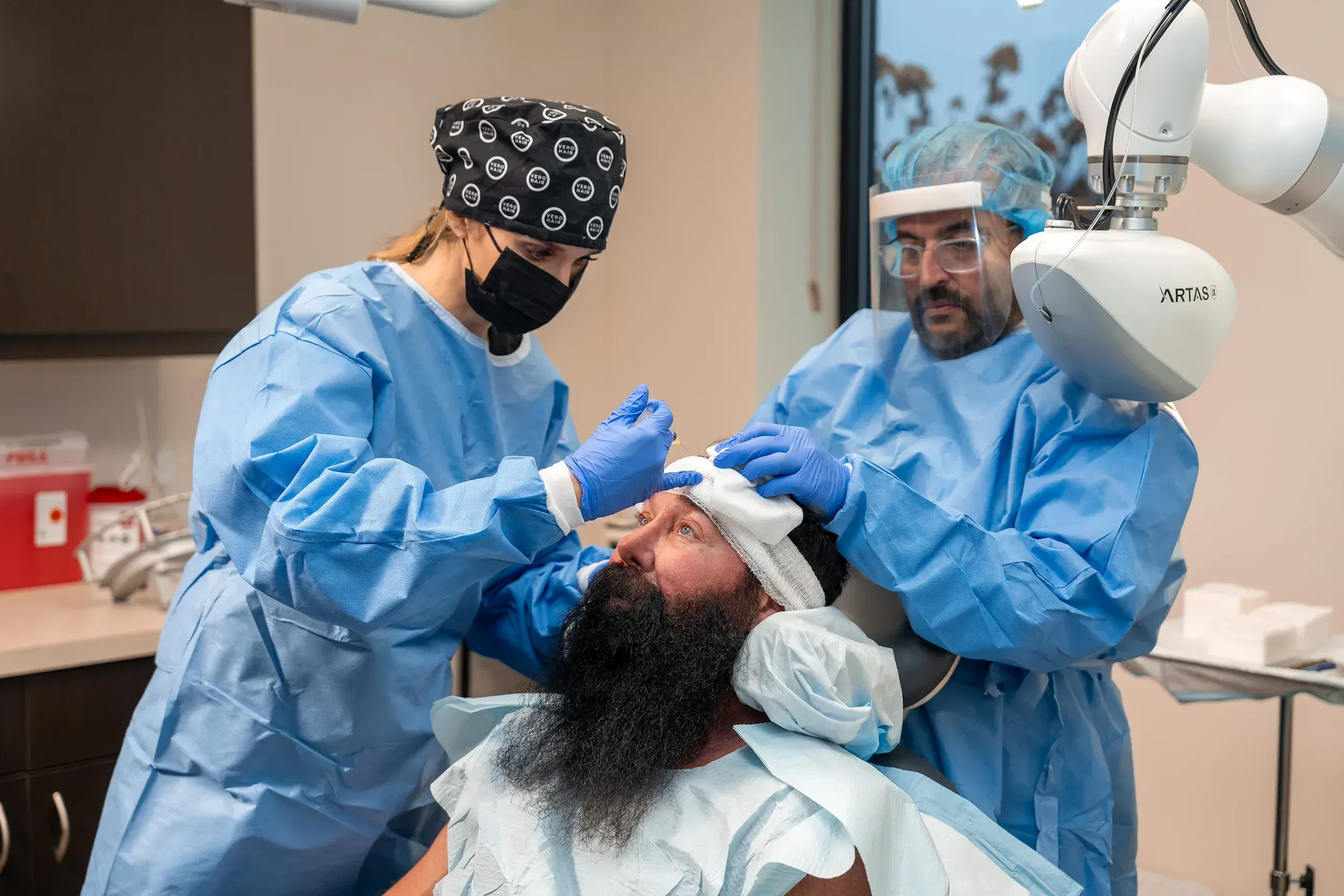
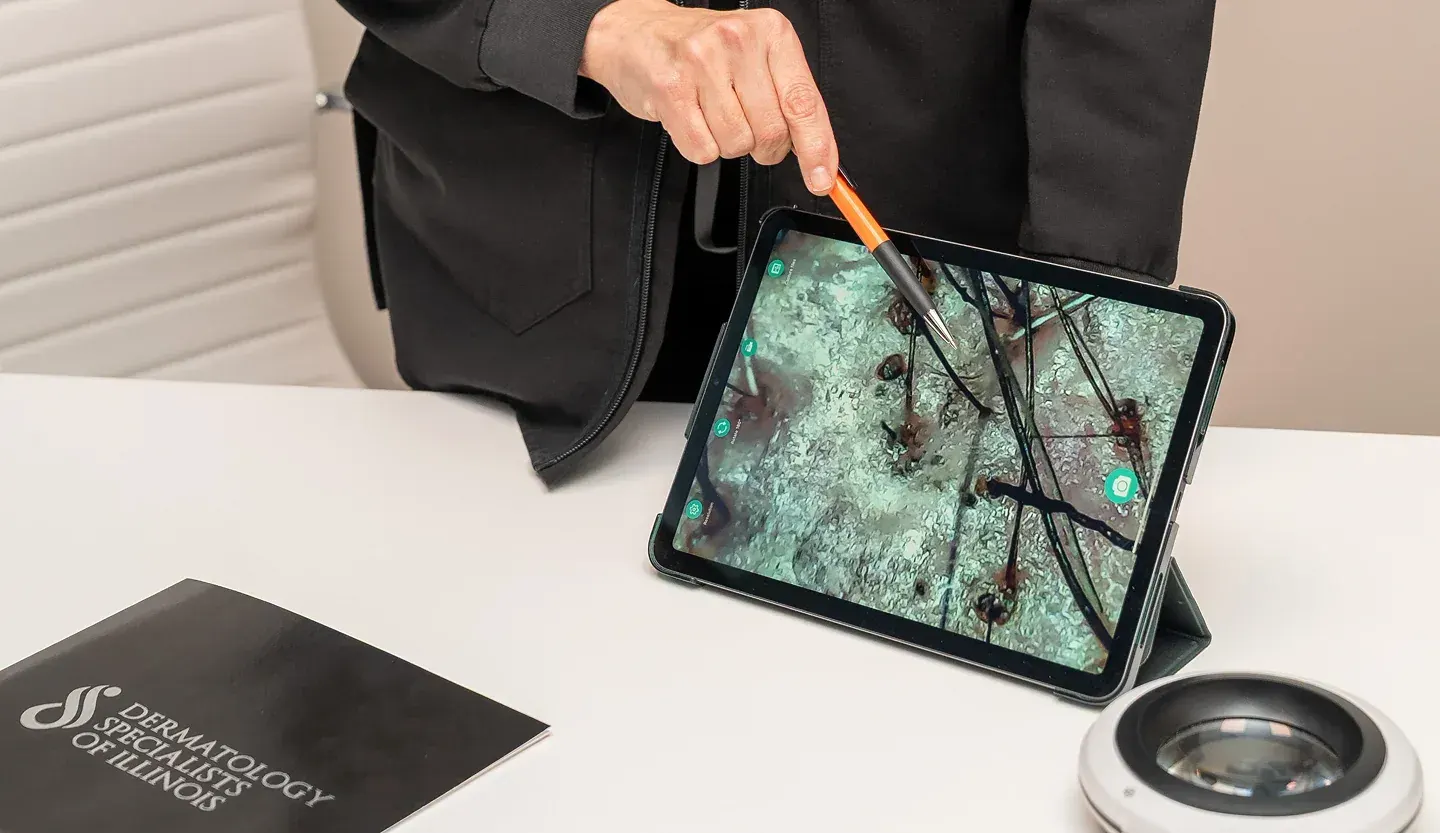
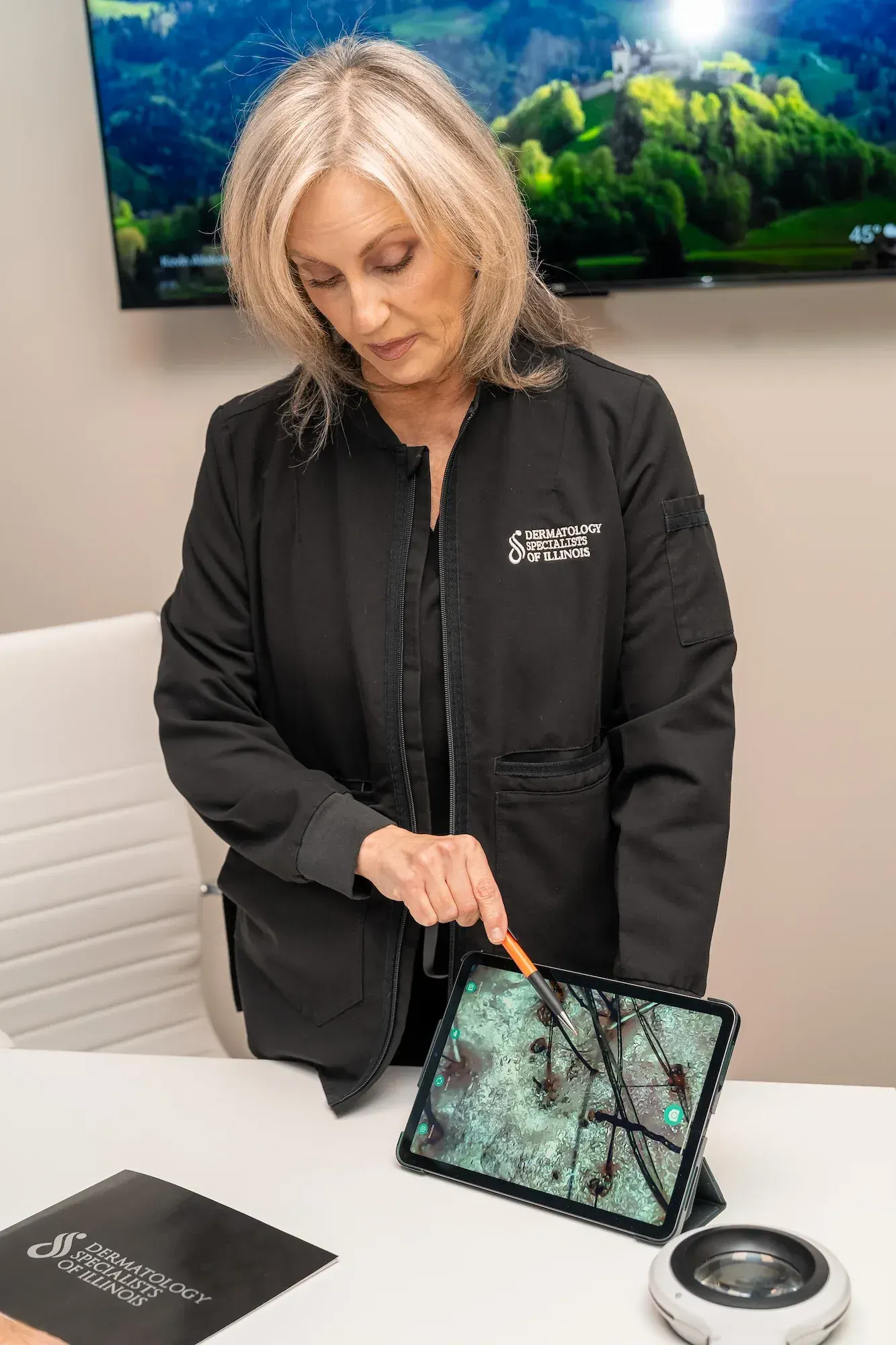
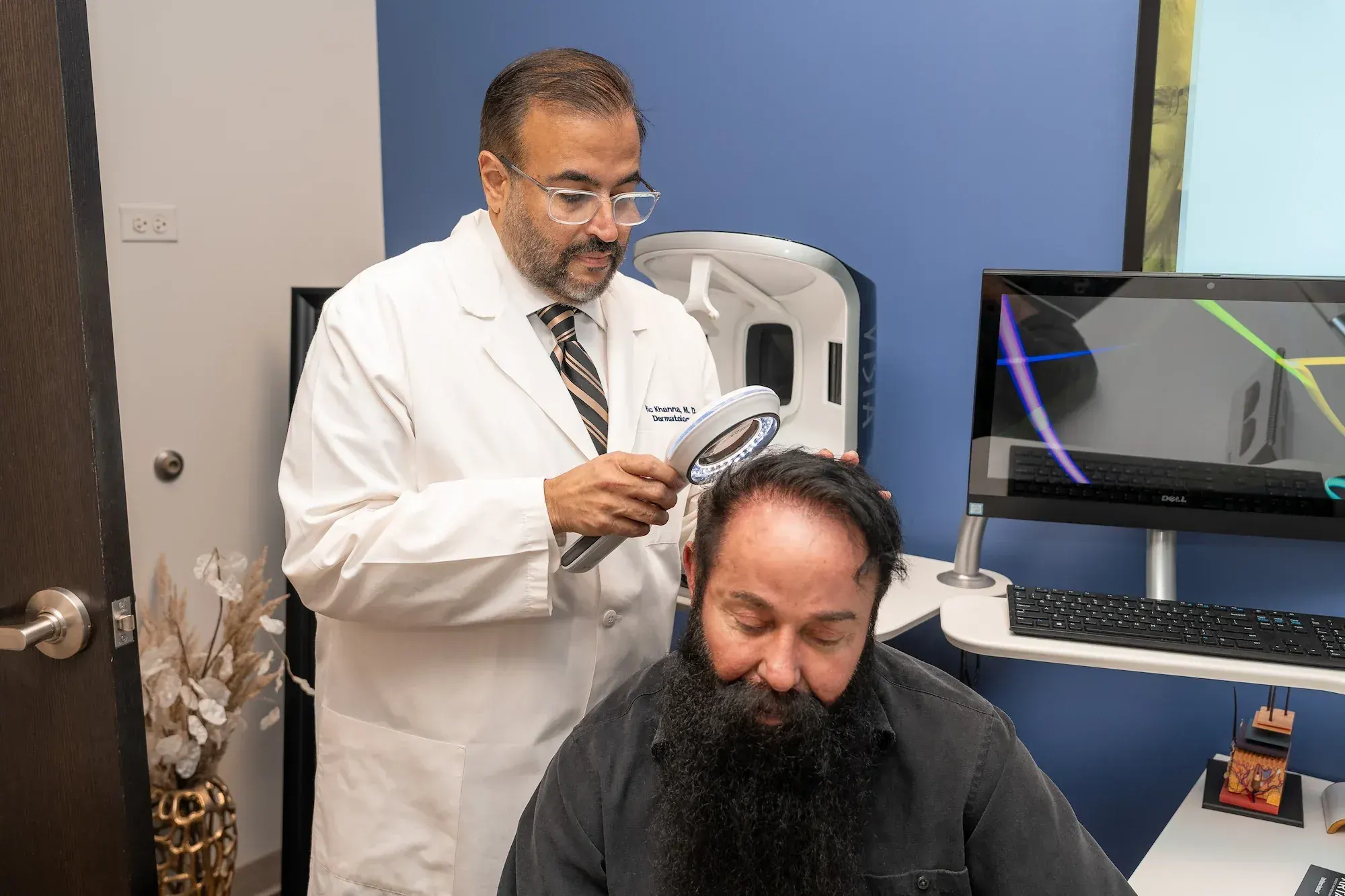
Dr. Khanna evaluates your hair loss pattern, donor density, and scalp laxity using digital imaging to recommend FUE, FUT, or ARTAS robotic FUE.

Compare Leading Methods
Clarity Through Expertise
If you're researching hair transplant options, you've likely encountered conflicting information about FUE and FUT. Both techniques permanently restore hair, but they differ significantly in scarring, recovery time, graft yield, and cost. Many patients dealing with male pattern baldness or a receding hairline feel paralyzed by the decision, unsure which method matches their hair loss severity, lifestyle, and budget. The wrong choice can mean visible scarring, longer downtime, or insufficient graft counts.
At DSI Hair in Algonquin, IL, we take the guesswork out of this decision. Dr. Khanna and Dr. Boshnick evaluate your donor hair density, scalp laxity, hair loss classification, and personal goals to recommend the optimal technique. We specialize in ARTAS robotic FUE for precision harvesting, but we believe in educating patients about all options so you can make a truly informed choice. Our board-certified dermatologists ensure your transplant plan is medically sound and aesthetically tailored.
Two Approaches to Permanent Hair Restoration
Follicular Unit Extraction (FUE) is a minimally invasive hair transplant technique where individual follicular units are harvested one at a time from the donor area using tiny circular punches (0.7-1.0mm). Each graft is extracted directly from the scalp, leaving only micro-dot scars that are virtually invisible even with short hairstyles. FUE can be performed manually or with robotic assistance — at DSI Hair, we use the ARTAS robotic system for unmatched precision and consistency in graft harvesting.
Follicular Unit Transplantation (FUT), also known as strip surgery, involves removing a narrow strip of scalp tissue from the donor area (typically the back of the head). A skilled team then dissects this strip under microscopes to isolate individual follicular units. FUT leaves a linear scar that can usually be concealed by surrounding hair. This technique has been the gold standard for decades and can yield a high number of grafts in a single session.
Both FUE and FUT transplant permanent, DHT-resistant hair follicles from the donor zone to thinning or balding areas. The transplanted hair grows naturally and lasts a lifetime. The key differences lie in how grafts are harvested — not how they're placed — which affects scarring, recovery, session capacity, and cost.
Matching Method to Your Needs
FUE excels for precise hairline restoration with natural, undetectable results
Both FUE and FUT effectively restore vertex density with proper graft placement
FUT may yield more grafts per session for Norwood 5-7 patterns
FUE can camouflage existing FUT scars with targeted graft placement
Strategic FUE placement adds density without disrupting existing follicles
Preserves long-term styling and transplant options by balancing graft distribution and maintaining donor viability for potential future procedures.
Informed Choices, Better Results
Tiny micro-dot scars allow you to wear hair short without visible evidence of surgery
Most patients return to normal activities within 5-7 days after FUE extraction
Strip method can harvest 3,000-4,000+ grafts in a single session for extensive coverage
Generally lower per-graft cost makes FUT accessible for larger restoration areas
DSI Hair's robotic precision reduces transection rates and optimizes graft survival
Both techniques transplant DHT-resistant follicles that grow naturally for a lifetime
Side-by-Side Comparison
| Treatment | Mechanism | Time | Results | Duration | Downtime | Best For |
|---|---|---|---|---|---|---|
| FUE (Manual) | Individual follicular extraction with handheld punch | 6-8 hours | Natural, permanent growth in 12-18 months | Lifetime | 5-7 days | Smaller sessions, short hairstyles, scar-free preference |
| FUT (Strip) | Linear strip excision with microscopic dissection | 4-6 hours | Natural, permanent growth in 12-18 months | Lifetime | 10-14 days | Maximum grafts per session, advanced hair loss, cost efficiency |
| ARTAS Robotic FUE | AI-guided robotic extraction with 44-micron precision | 4-6 hours | Natural, permanent growth in 12-18 months | Lifetime | 5-7 days | Precision harvesting, reduced transection, consistent graft quality |

Finding Your Best Match
The right hair transplant technique depends on your hair loss pattern, donor hair characteristics, lifestyle preferences, and restoration goals. During your consultation at DSI Hair, Dr. Khanna or Dr. Boshnick will evaluate these factors to recommend the ideal approach.
Dr. Khanna performs a thorough scalp analysis, donor density assessment, and hair loss classification during every consultation to ensure you receive the safest, most effective recommendation.
Step-by-Step Treatment Process
Dr. Khanna evaluates your hair loss pattern, donor density, and scalp laxity using digital imaging to recommend FUE, FUT, or ARTAS robotic FUE.
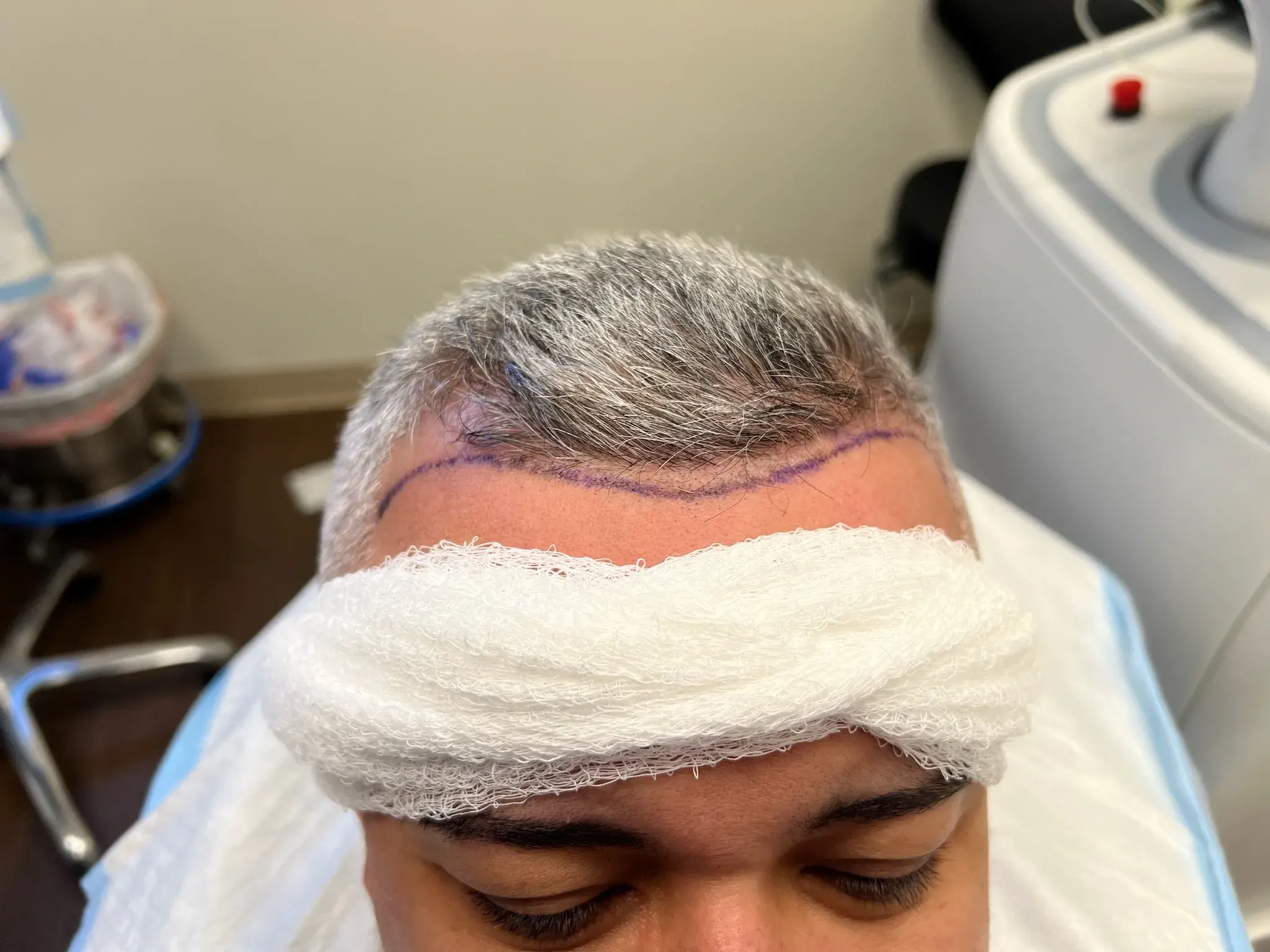
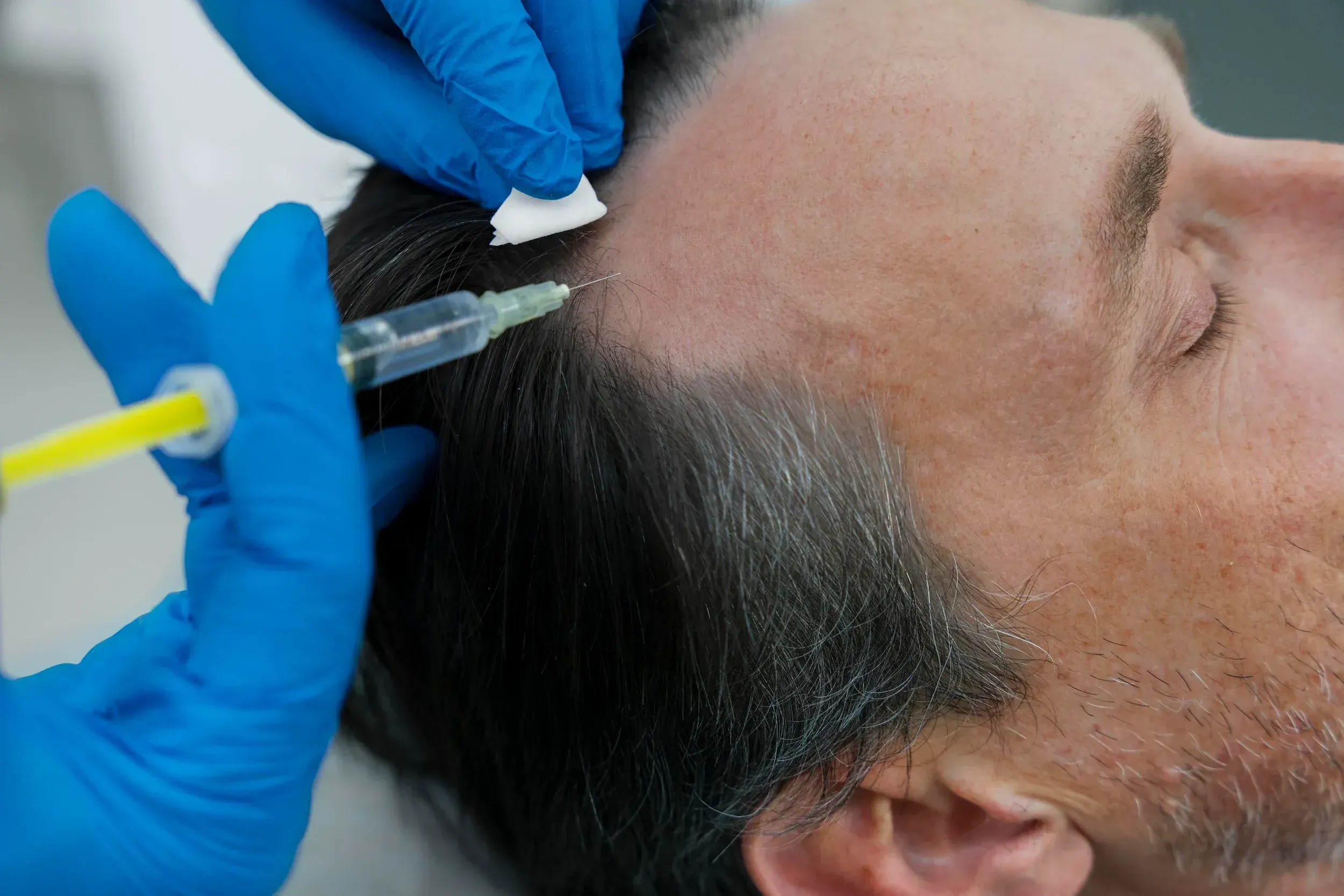
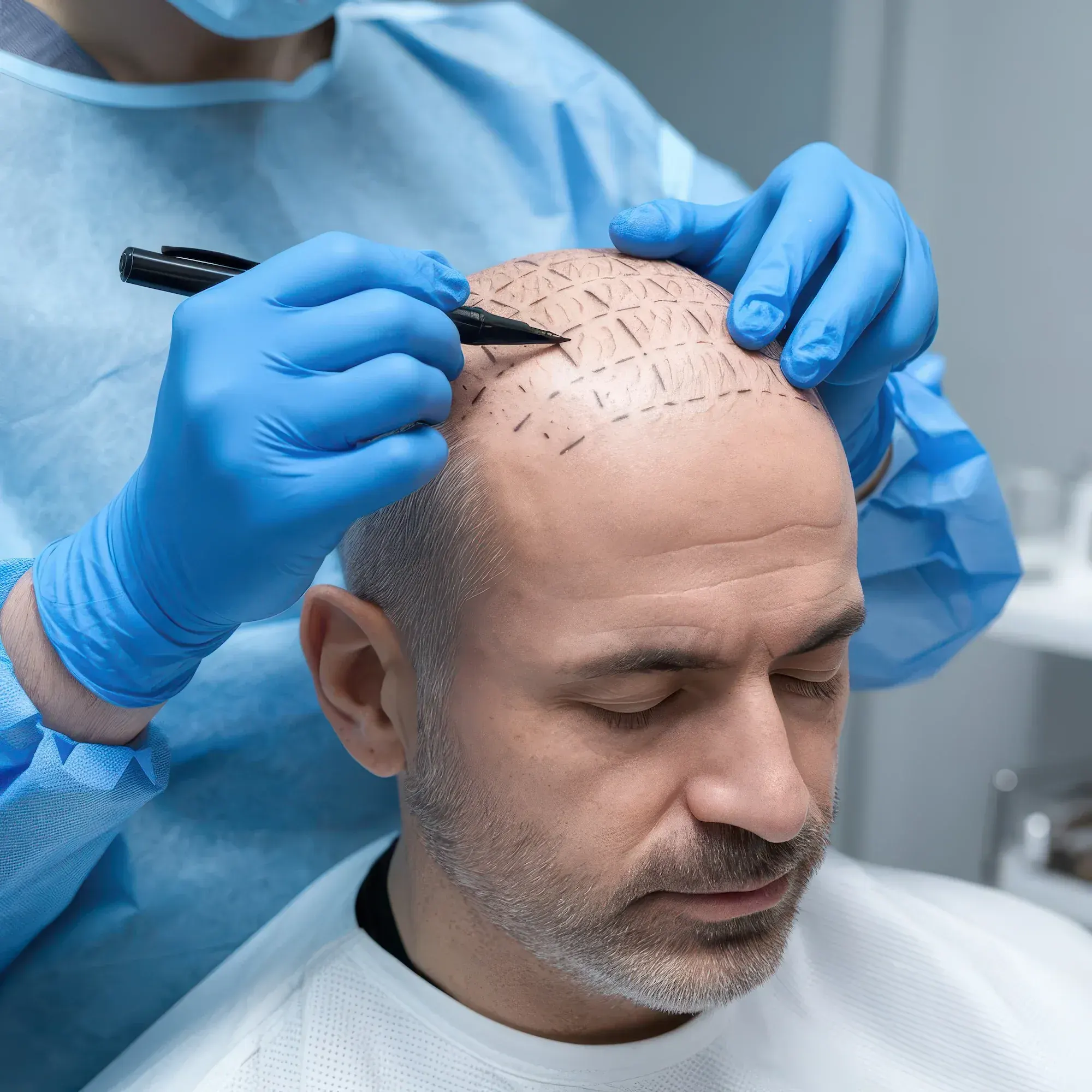
On procedure day, Dr. Khanna's team administers local anesthesia and maps the donor and recipient zones with precise markings for natural hairline design.
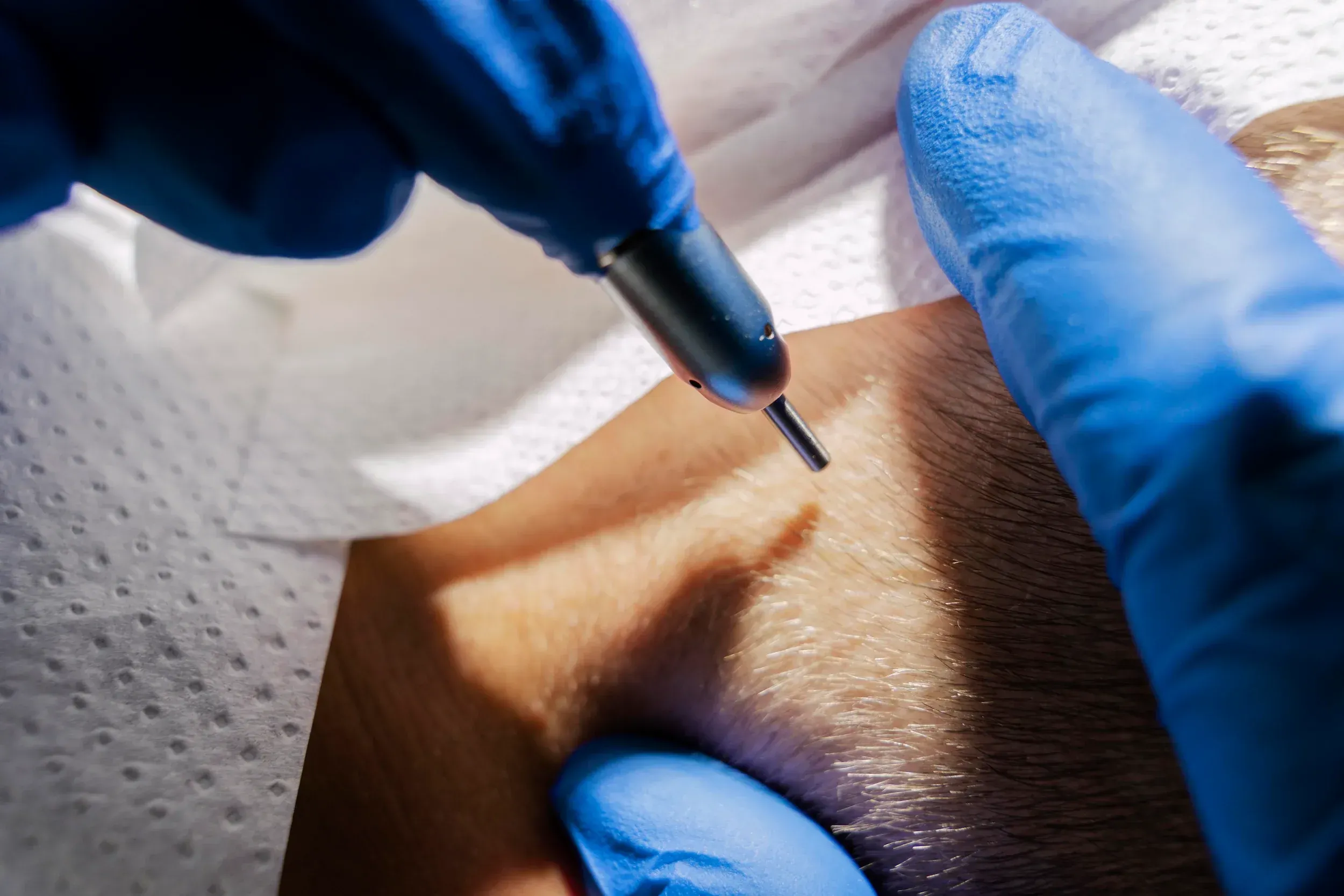
For FUE, Dr. Khanna uses the ARTAS robotic system to extract individual follicles. For FUT, a narrow donor strip is excised and microscopically dissected into grafts.
Dr. Khanna creates recipient sites at the exact angle, depth, and direction to match your natural growth pattern, then places each graft by hand.
Dr. Khanna provides detailed post-op instructions, schedules your follow-up visits, and outlines the 12-18 month growth timeline.
FUE side effects: Mild swelling and redness at extraction sites (resolves in 3-5 days), temporary numbness in the donor area, tiny dot scars (barely visible at any hair length), and the normal shedding phase at 2-4 weeks post-procedure. Infection risk is extremely low with proper aftercare.
FUT side effects: A linear scar in the donor area (typically 1-2mm wide when healed properly), mild to moderate tightness or discomfort at the incision site for 7-10 days, temporary numbness around the scar, and sutures or staples requiring removal at 10-14 days. FUT carries slightly higher post-operative discomfort compared to FUE.
Common to both: Shock loss (temporary shedding of existing hair near the transplant zone) affects approximately 5-10% of patients and resolves within 3-6 months. Minor bruising or swelling around the forehead may occur for 3-5 days. Both techniques are performed under local anesthesia with oral sedation options at DSI Hair for maximum comfort. Dr. Khanna reviews all risks and precautions during your pre-operative consultation.
Hair transplant cost varies based on the technique chosen, number of grafts required, and complexity of your restoration plan. At DSI Hair, we provide transparent pricing during your consultation so there are no surprises.
Why the price difference? FUE is more labor-intensive, requiring individual extraction of each graft. FUT allows bulk harvesting from a single strip, reducing per-graft time and cost. ARTAS robotic FUE adds the precision of AI-guided extraction, which can improve graft survival rates and reduce transection.
Your total investment depends on the number of grafts needed for your specific hair loss pattern. During your consultation, Dr. Khanna will provide an exact graft count estimate and detailed cost breakdown. We also offer financing options to make your restoration accessible.
Contact DSI Hair at (844) 307-7546 to schedule your complimentary consultation and receive a personalized quote.
Board-Certified Hair Restoration
Board-certified dermatologists ensure medically sound transplant planning and execution
State-of-the-art robotic FUE technology for consistent, accurate graft harvesting
We recommend the technique that fits your goals — not the one with the highest price tag
From consultation through recovery, our team supports every stage of your restoration
Explore complementary hair restoration options at DSI Hair.
View allAnswers From Our Specialists
FUE (Follicular Unit Extraction) harvests individual follicular units using tiny circular punches, leaving micro-dot scars. FUT (Follicular Unit Transplantation) removes a narrow strip of scalp from the donor area, which is then dissected into individual grafts, leaving a linear scar. Both techniques transplant permanent, DHT-resistant hair — the difference is in the harvesting method, scarring pattern, recovery time, and cost.
Neither technique is universally better — the right choice depends on your individual situation. FUE is preferred for patients who wear short hairstyles, want faster recovery, or need smaller sessions. FUT is often better for advanced hair loss requiring maximum grafts per session and offers a lower per-graft cost. At DSI Hair, Dr. Khanna evaluates your specific hair loss pattern and goals to recommend the ideal technique.
FUE leaves tiny circular scars (less than 1mm) at each extraction site. These micro-dot scars are virtually invisible even with very short hairstyles. This is a significant advantage over FUT, which leaves a linear scar. At DSI Hair, our ARTAS robotic system minimizes extraction site size for even less visible scarring.
FUE typically costs $5-$8 per graft, while FUT ranges from $3-$6 per graft. ARTAS robotic FUE at DSI Hair ranges from $6-$10 per graft. The total cost depends on the number of grafts needed — a 2,000-graft FUE procedure may cost $10,000-$16,000, while the same graft count with FUT may range from $6,000-$12,000. Schedule a consultation at DSI Hair for a personalized quote.
Both procedures are performed under local anesthesia, so you feel minimal discomfort during the procedure itself. Post-operatively, FUE generally involves less pain because there is no linear incision — most FUE patients manage discomfort with over-the-counter medication for 1-2 days. FUT patients may experience more tightness and discomfort at the donor incision site for 7-10 days.
An FUE procedure typically takes 4-8 hours depending on the number of grafts. Manual FUE sessions for 1,500-2,000 grafts usually require 6-8 hours. At DSI Hair, our ARTAS robotic FUE system can complete harvesting more efficiently, often reducing total procedure time to 4-6 hours for comparable graft counts. FUT procedures generally take 4-6 hours regardless of graft number.