Thinning Hair Treatment in Algonquin, IL - Restore Volume and Density

Board-certified dermatologists Dr. Vic Khanna and Dr. Lauren Boshnick offer personalized treatment plans to stop thinning and restore fuller, healthier hair.

Hair Thinning
Affects:Up to 50% of adults by age 50
Common Causes:Genetics, hormones, nutrition, stress
Treatable:Yes, with early intervention
Consultation:Comprehensive scalp evaluation

Why Is My Hair Thinning?

Gradual hair thinning is one of the most common concerns we treat at DSI Hair

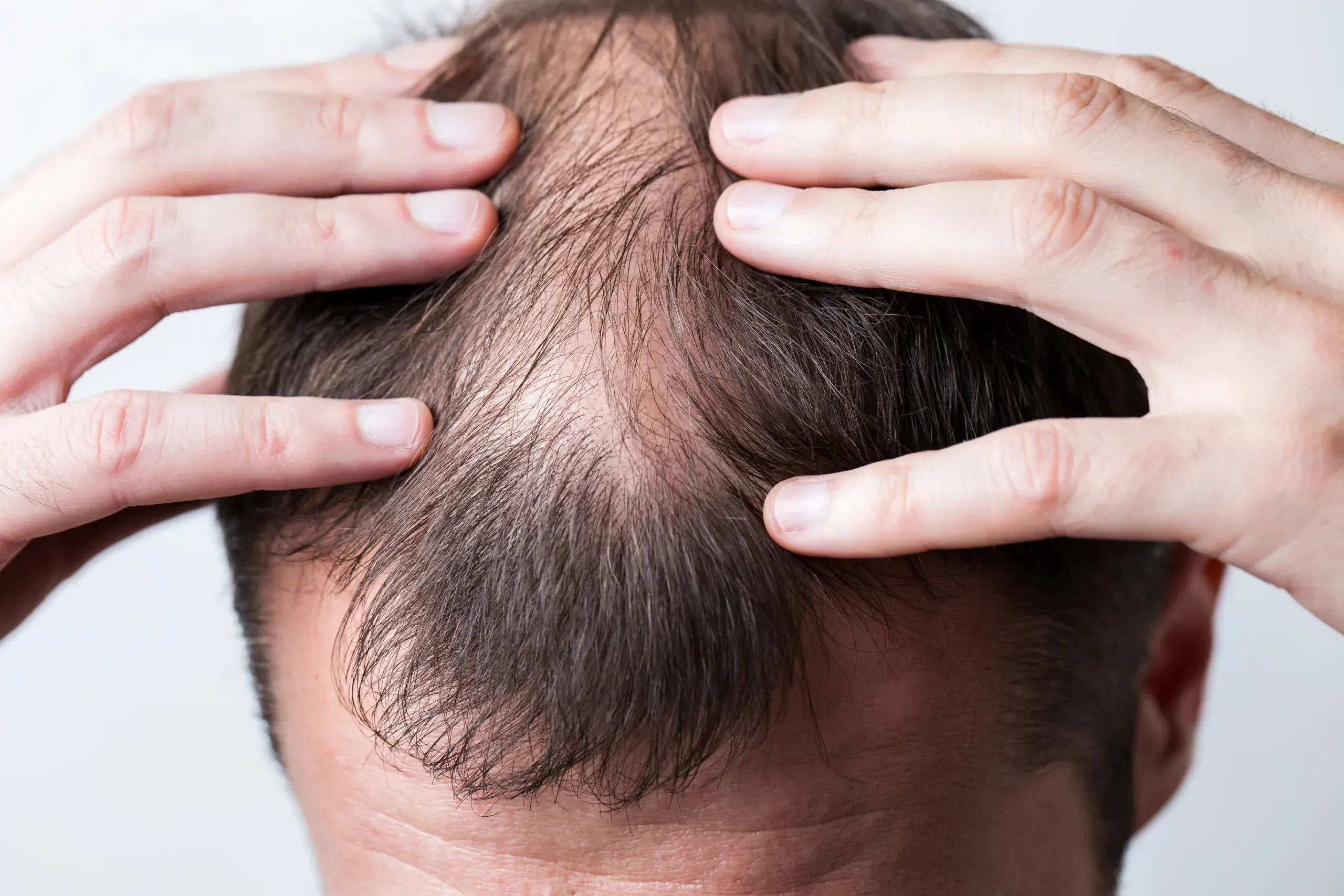
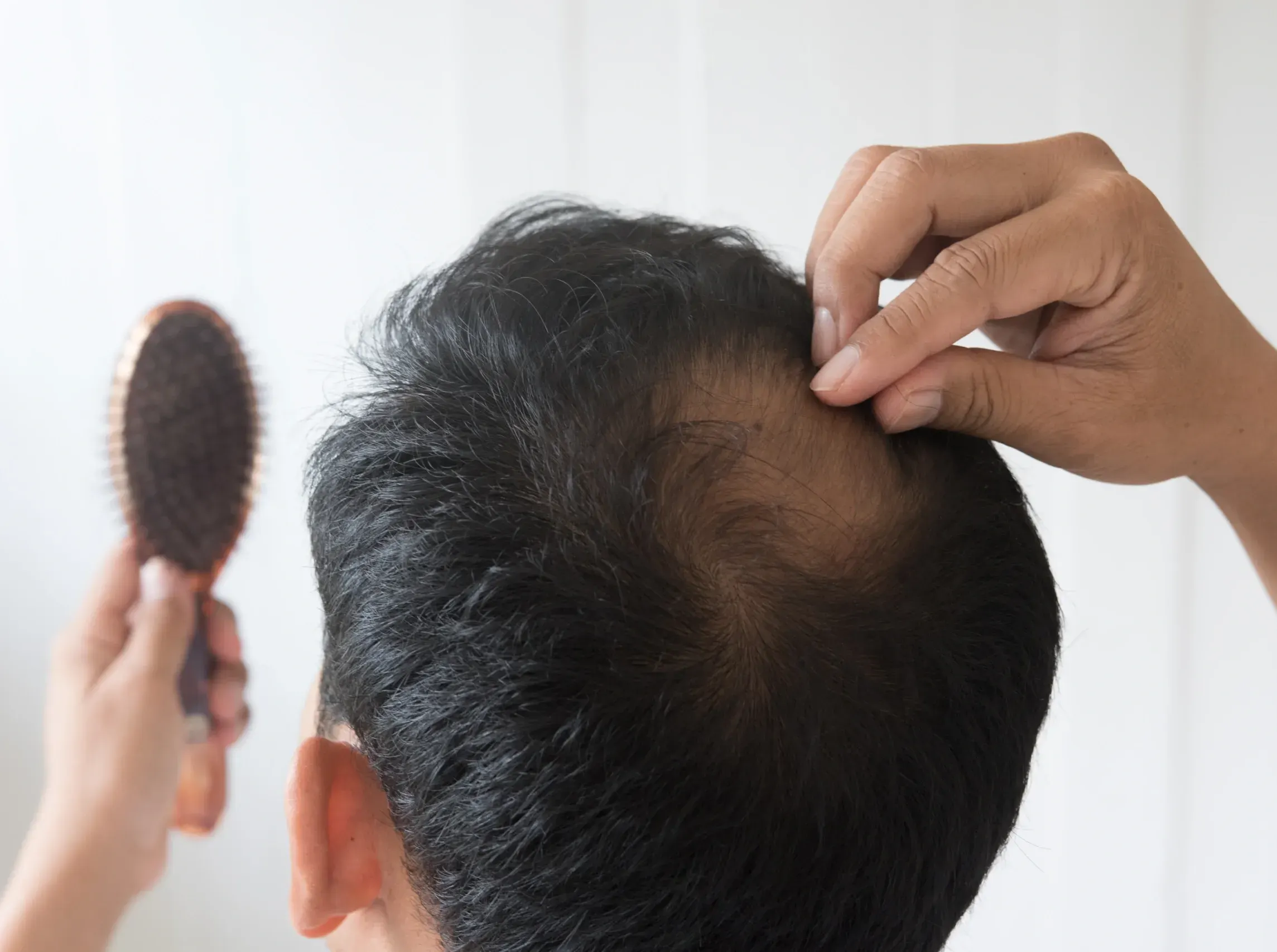
Thinning hair affects millions of men and women, often beginning so gradually that it goes unnoticed until significant density has already been lost. Unlike sudden hair loss, thinning hair involves a progressive reduction in the diameter and growth cycle of individual hair follicles -- a process called follicular miniaturization.

At DSI Hair in Algonquin, IL, Dr. Vic Khanna and Dr. Lauren Boshnick take a diagnostic-first approach to thinning hair treatment. Rather than guessing at causes, our board-certified dermatologists evaluate your scalp health, hair density patterns, medical history, and laboratory findings to identify the specific factors driving your hair thinning. This precision diagnosis allows us to build a targeted treatment plan that addresses the root cause, not just the symptoms.

What Causes Thinning Hair?

Hair thinning has multiple overlapping causes that require careful evaluation

Thinning hair is rarely caused by a single factor. In most patients, a combination of genetic predisposition, hormonal changes, nutritional deficiencies, and environmental stressors work together to weaken hair follicles over time. Understanding these overlapping mechanisms is essential for effective treatment.

Androgenetic alopecia (pattern hair loss) is the most common cause, driven by dihydrotestosterone (DHT) sensitivity in genetically predisposed follicles. However, thyroid dysfunction, iron deficiency, chronic stress, autoimmune conditions, and certain medications can all accelerate or mimic the appearance of genetic thinning. Women frequently experience thinning hair during perimenopause and menopause as estrogen levels decline, while men may notice gradual density loss across the crown and vertex as early as their mid-twenties.

At DSI Hair, we perform a thorough diagnostic workup because identifying the correct cause -- or combination of causes -- determines which treatments will actually work for you.
How Follicular Miniaturization Works

Understanding the biology behind thinning hair helps explain why early treatment matters

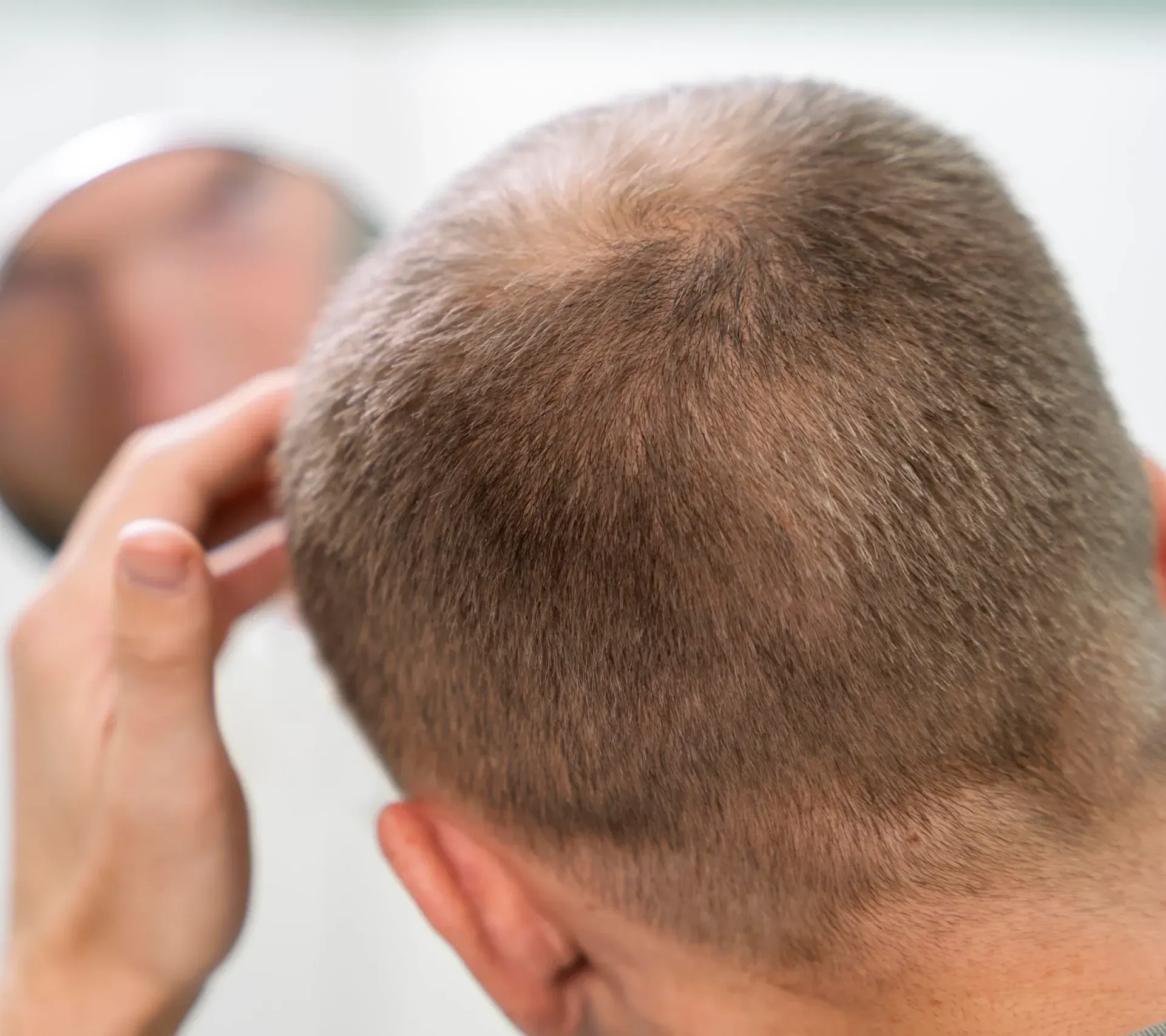
Healthy hair follicles cycle through growth (anagen), regression (catagen), and rest (telogen) phases over several years. In thinning hair, this cycle becomes disrupted. The anagen phase shortens progressively, producing thinner, shorter, less pigmented hairs with each successive cycle. This process -- follicular miniaturization -- is the hallmark of androgenetic alopecia and explains why thinning hair often appears wispy or transparent rather than completely absent.

Research shows that miniaturized follicles retain their stem cell populations for years, which means they can potentially be rescued with appropriate treatment. However, once a follicle has been miniaturized for too long, it may permanently lose its ability to produce visible hair. This is why early intervention with treatments like PRP therapy to reverse thinning hair or minoxidil for thinning hair treatment is so important -- the sooner you act, the more follicles can be saved.

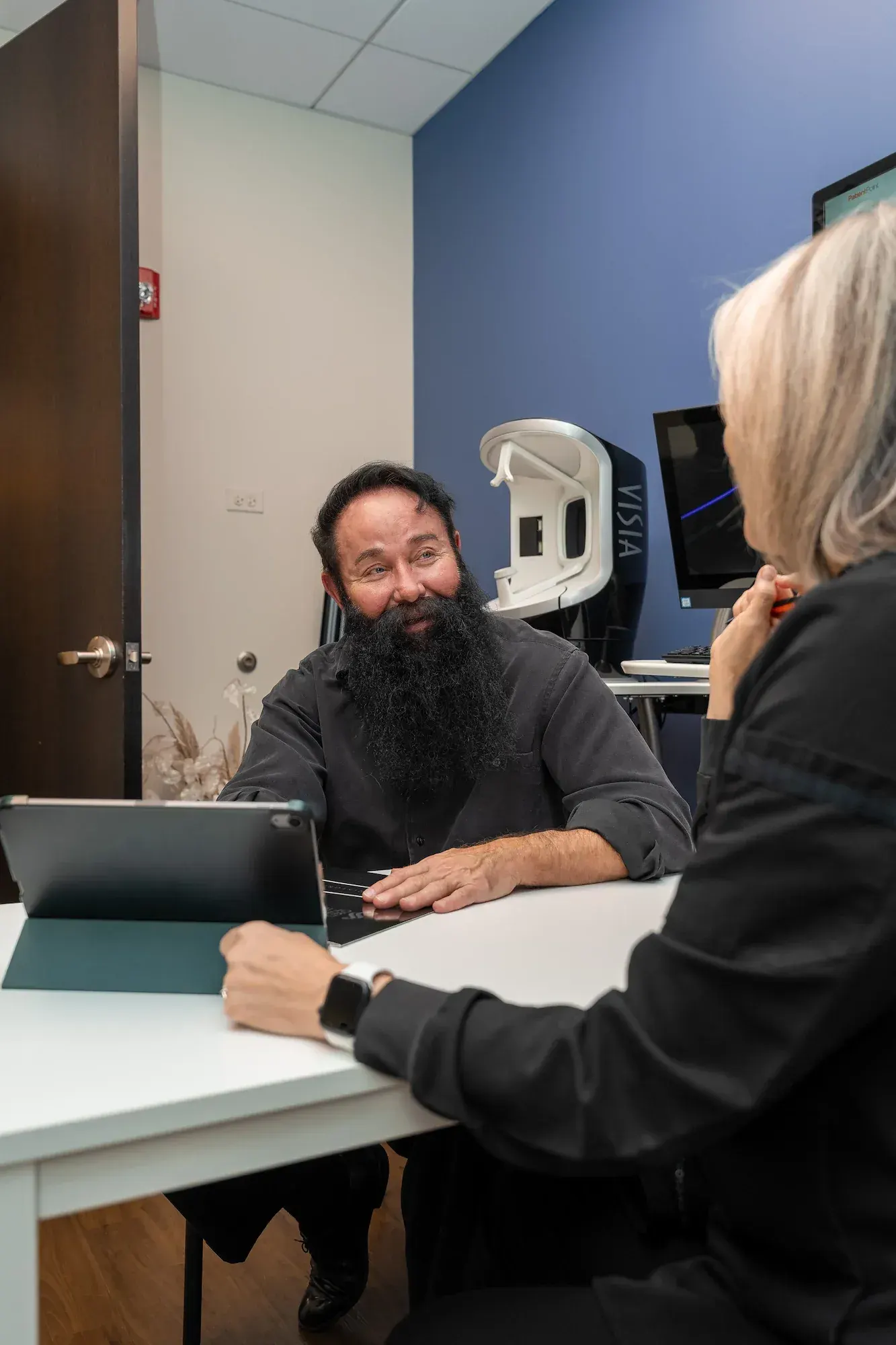
At DSI Hair, we use dermoscopy and clinical assessment to evaluate the degree of miniaturization across your scalp, helping us determine which follicles are still responsive to treatment and which areas may benefit from surgical restoration.

Contributing Factors

Common Causes of Thinning Hair

Multiple factors can contribute to gradual hair density loss

Genetic Predisposition (Androgenetic Alopecia)

The most common cause of thinning hair, driven by inherited sensitivity to DHT. Affects both men and women with distinct patterns -- crown and vertex thinning in men, diffuse density loss in women.

Hormonal Changes

Thyroid disorders, polycystic ovary syndrome (PCOS), menopause, and postpartum hormonal shifts can all trigger or accelerate hair thinning by disrupting the hair growth cycle.

Nutritional Deficiencies

Low iron (ferritin), vitamin D, zinc, and biotin levels are frequently associated with thinning hair. Blood work can identify these treatable contributors.

Chronic Stress (Telogen Effluvium)

Physical or emotional stress can push large numbers of follicles into the resting phase simultaneously, causing diffuse thinning that typically appears 2-4 months after the triggering event.

Medications and Medical Conditions

Certain blood pressure medications, antidepressants, hormonal contraceptives, and autoimmune conditions can contribute to hair thinning as a side effect.

Scalp Inflammation

Conditions like seborrheic dermatitis, folliculitis, and chronic scalp inflammation can damage follicles over time, contributing to progressive density loss if left untreated.

Why Choose DSI Hair for Thinning Hair Treatment

Board-certified dermatology expertise combined with the most advanced hair restoration technology in the Algonquin area

  • Dermatology-Led Diagnosis
  • Complete Treatment Ladder
  • Personalized Protocols
  • Proven Track Record

Thinning Hair Treatment Options at DSI Hair

Compare clinic treatments to find the right approach for your thinning hair

Treatment Best For Session Time Results Timeline Maintenance
PRP Hair Restoration Early to moderate thinning with active follicles 45-60 minutes 3-6 months for visible improvement Every 6-12 months
Minoxidil (Rogaine) Diffuse thinning, women's hair loss, maintenance therapy Daily home application 3-6 months for initial results Ongoing daily use
Laser Cap for Hair Growth (Revian Cap) Mild to moderate thinning, treatment enhancement 10 minutes daily at home 3-6 months for visible changes Ongoing daily use
Hair Transplant Advanced thinning with stable donor area 4-8 hours (one session) 6-12 months for full growth Permanent results

Signs You May Be Experiencing Thinning Hair

Recognizing early signs of thinning allows for more effective treatment

  • Wider Part Line
  • Reduced Ponytail Volume
  • Visible Scalp in Bright Light
  • Increased Hair Shedding
  • Finer Hair Texture
  • Slow Regrowth After Cuts
  • Family History of Hair Loss

Frequently Asked Questions About Thinning Hair

Answers from our board-certified dermatologists

01 What causes thinning hair?

Thinning hair is most commonly caused by androgenetic alopecia (genetic pattern hair loss), where follicles gradually miniaturize due to DHT sensitivity. Other causes include hormonal changes (thyroid disorders, menopause, PCOS), nutritional deficiencies (iron, vitamin D, zinc), chronic stress, certain medications, and scalp conditions. At DSI Hair, Dr. Khanna and Dr. Boshnick perform comprehensive diagnostics to identify your specific contributing factors.

02 Can thinning hair grow back?

Yes, in many cases thinning hair can be restored, especially with early intervention. Miniaturized follicles retain their stem cells and can be reactivated with treatments like PRP therapy, medications, and laser cap therapy. The key factor is timing -- follicles that have been miniaturized for extended periods may permanently lose their regenerative capacity, which is why we encourage early evaluation.

03 What is the best treatment for thinning hair?

The best treatment depends on the cause, severity, and pattern of your thinning. For genetic thinning, a combination approach often works best -- for example, minoxidil to stimulate growth, finasteride to block DHT (in appropriate candidates), and PRP to strengthen existing follicles. For advanced thinning with stable donor hair, an ARTAS robotic hair transplant can permanently restore density. Dr. Khanna and Dr. Boshnick customize every plan to your specific situation.

04 Does PRP work for thinning hair?

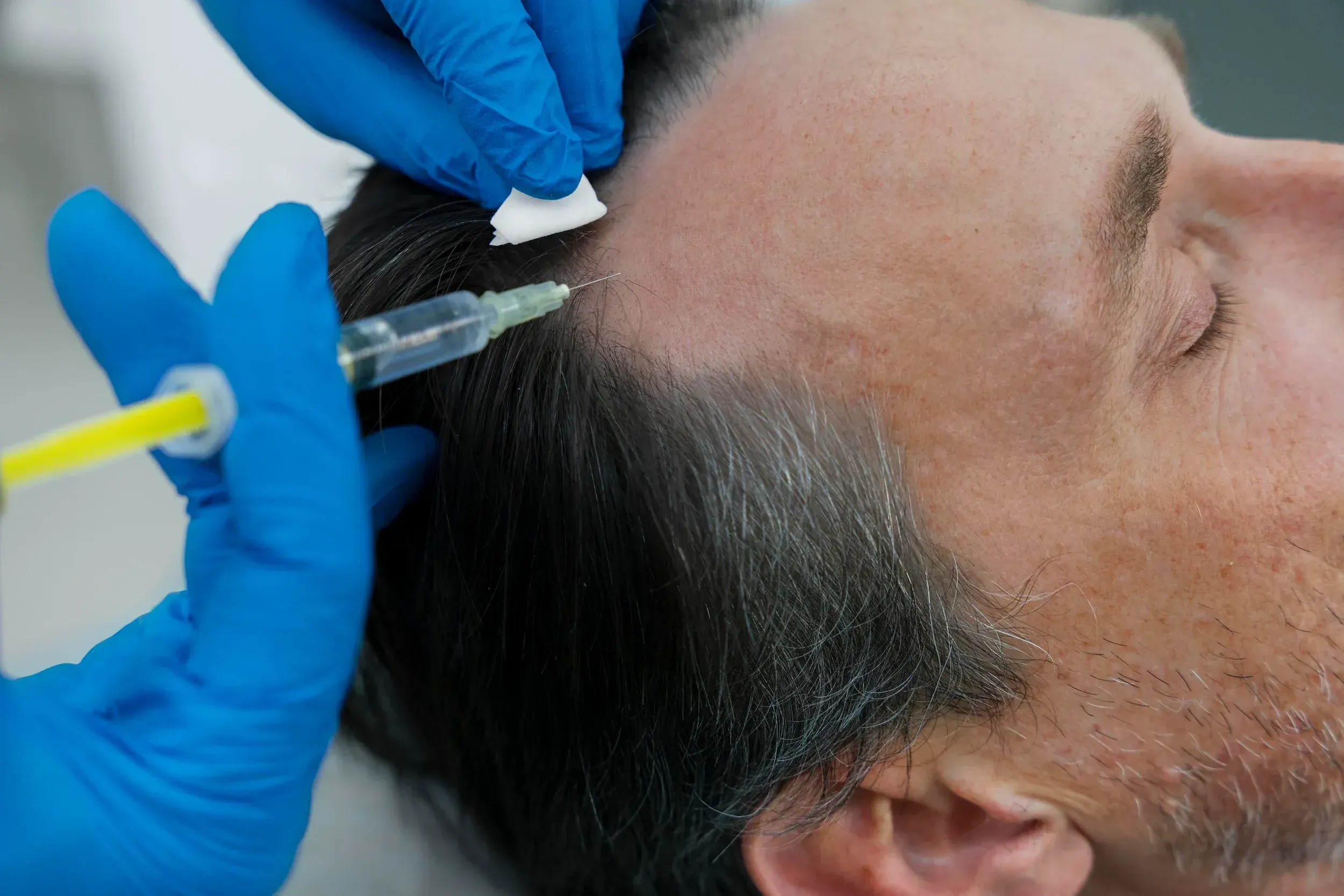
Clinical studies show PRP (platelet-rich plasma) therapy can increase hair density and thickness in patients with thinning hair, particularly those with early to moderate androgenetic alopecia. PRP works by concentrating growth factors from your own blood and injecting them into the scalp to stimulate dormant follicles and improve blood supply. Most patients at DSI Hair see measurable improvement after 3-4 monthly sessions, with maintenance treatments every 6-12 months.

05 When should I see a doctor about thinning hair?

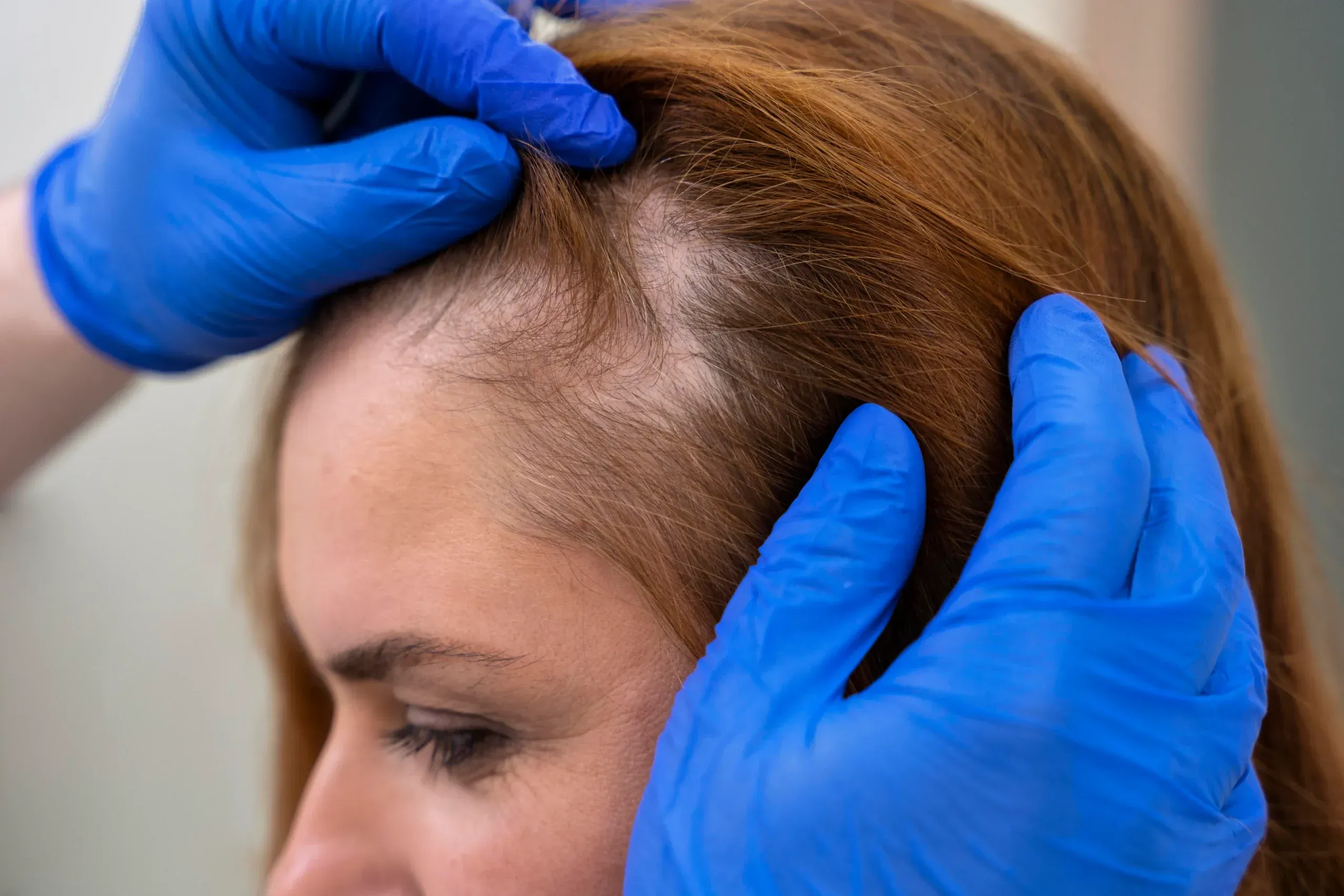
You should seek evaluation if you notice a wider part line, increased shedding beyond the normal 50-100 hairs per day, visible scalp through your hair, or a family history of hair loss combined with early signs of thinning. The sooner treatment begins, the more follicles can be preserved. Sudden or patchy hair loss warrants immediate evaluation to rule out autoimmune or medical causes.

06 Can a hair transplant fix thinning hair?

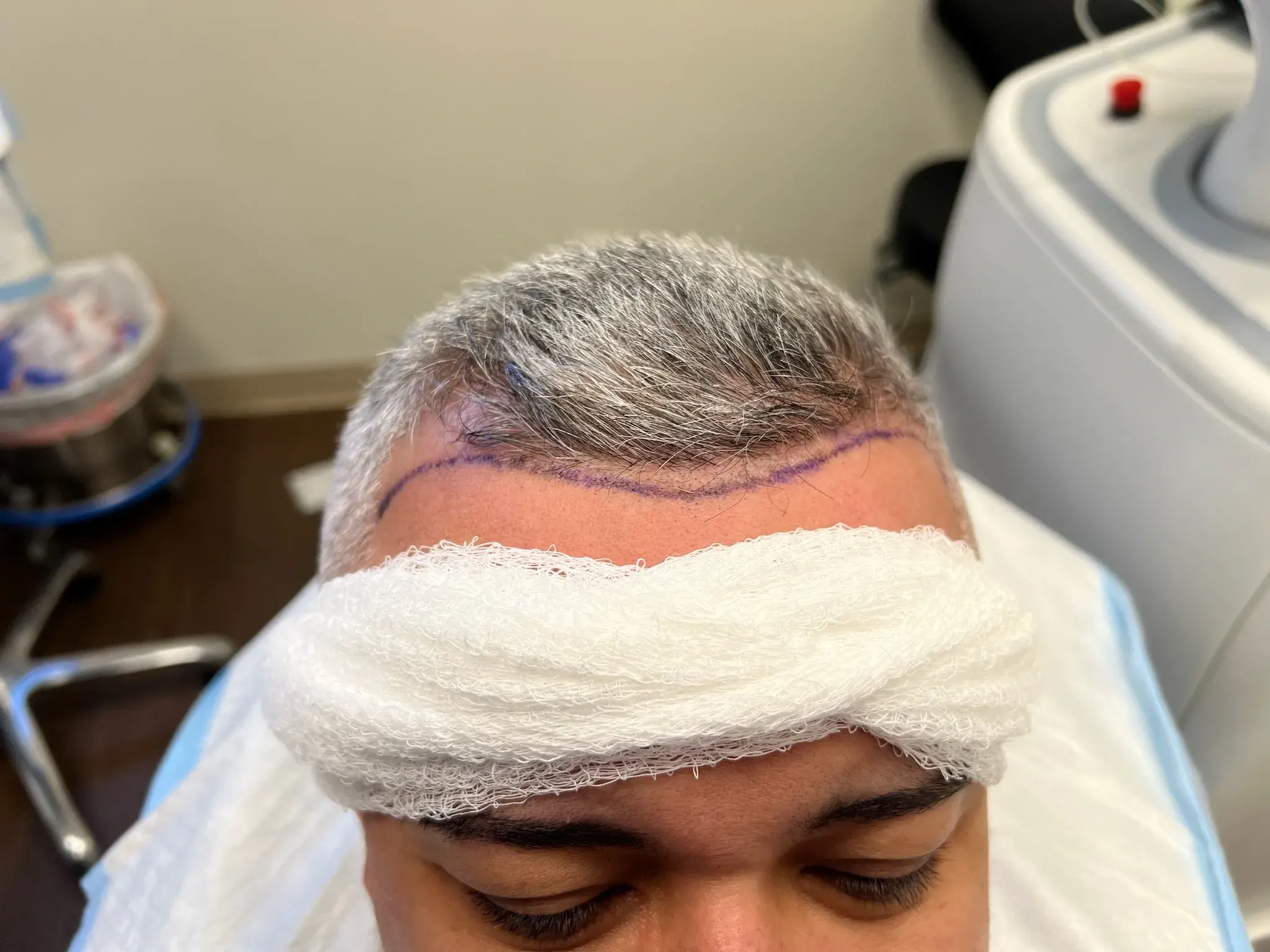
Yes, a hair transplant can permanently restore density in areas of thinning by relocating DHT-resistant follicles from the back and sides of the scalp. DSI Hair uses the ARTAS robotic system for precise follicle harvesting with minimal scarring. However, transplantation works best when combined with medical therapy to protect existing native hair from continued thinning.

Location2430 Esplanade Drive, Suite B
Algonquin, IL, 60102
New Patients(844) 307-7546
Existing Patients(847) 458-7546

Schedule Your Consultation

Scientific References