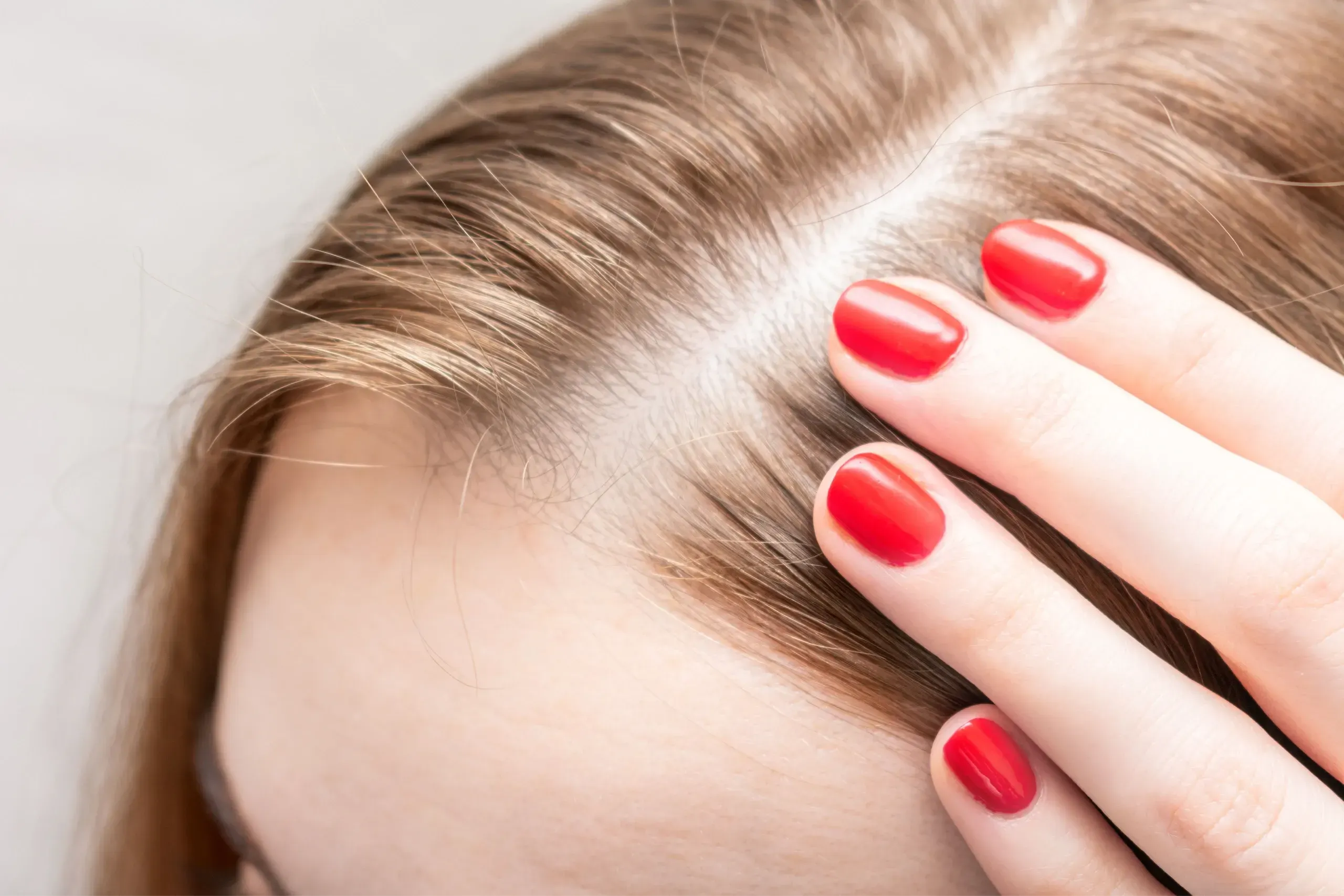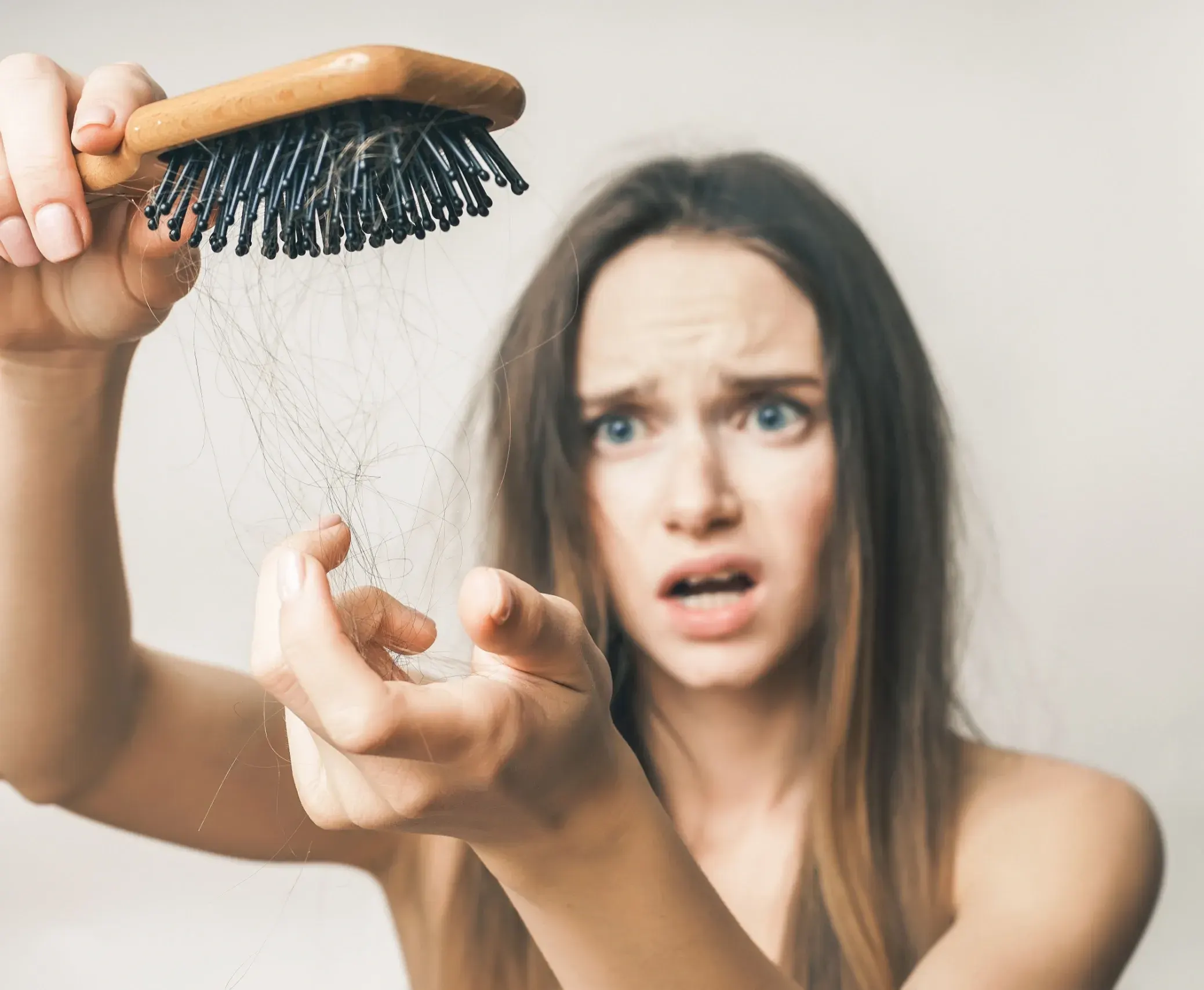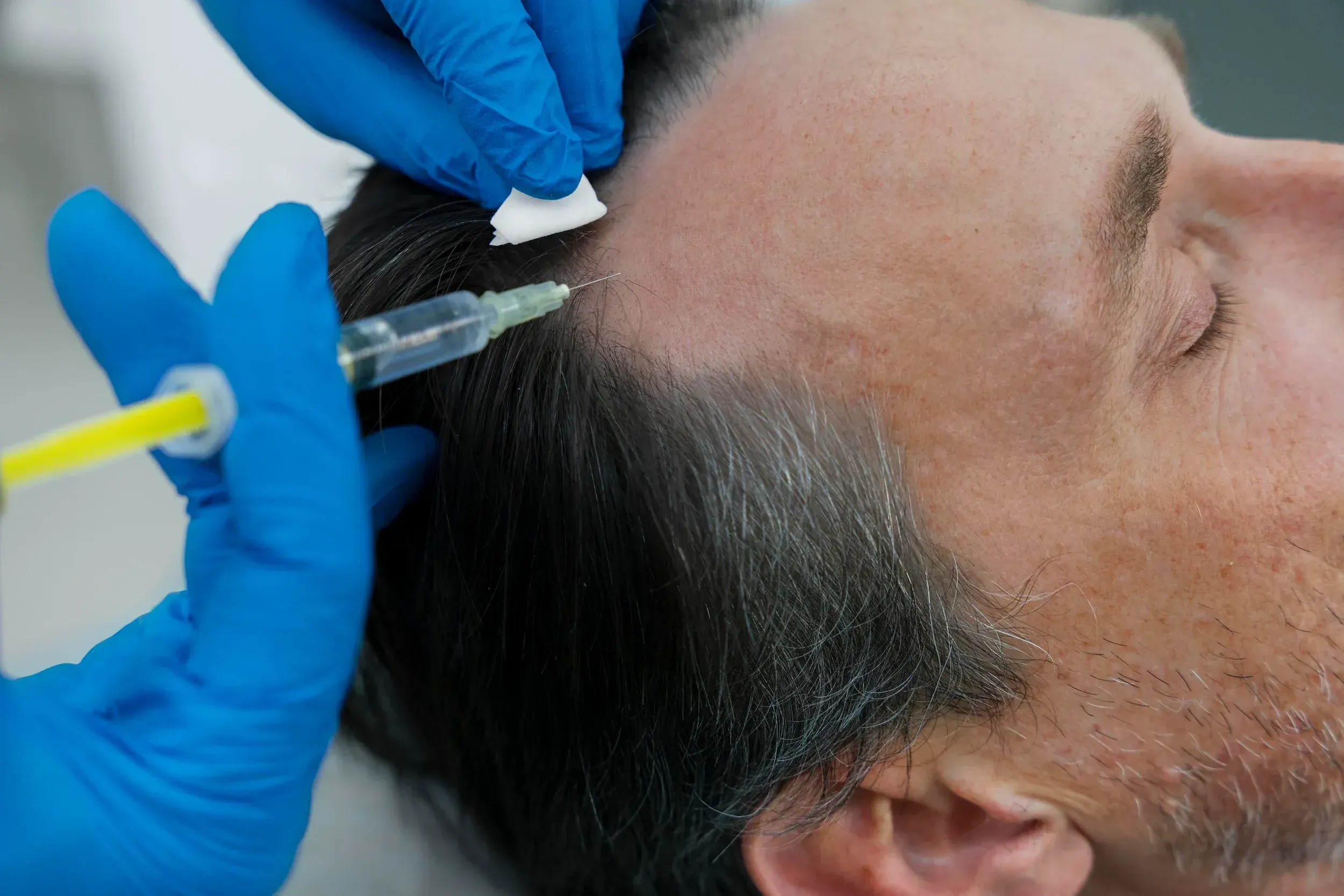

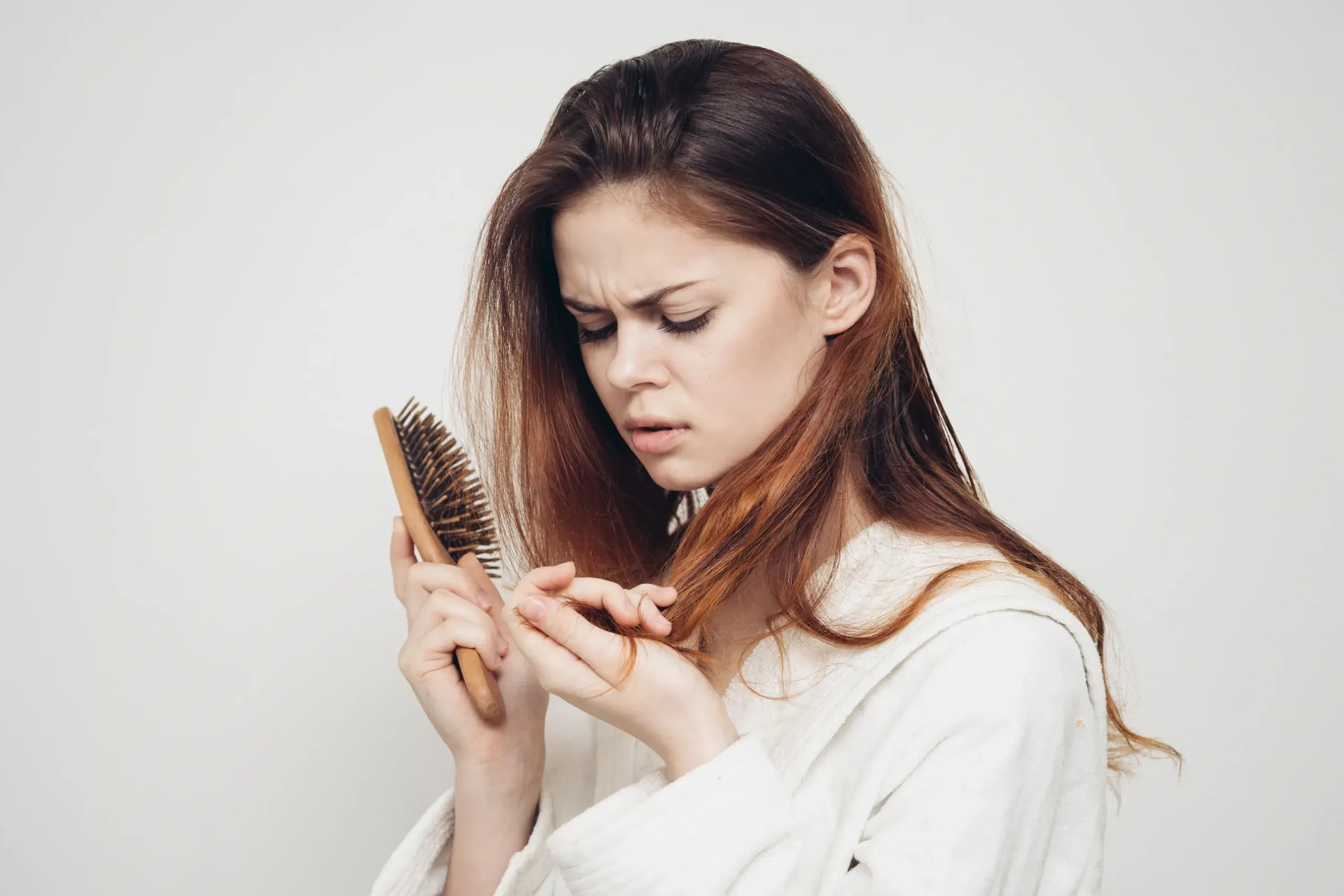
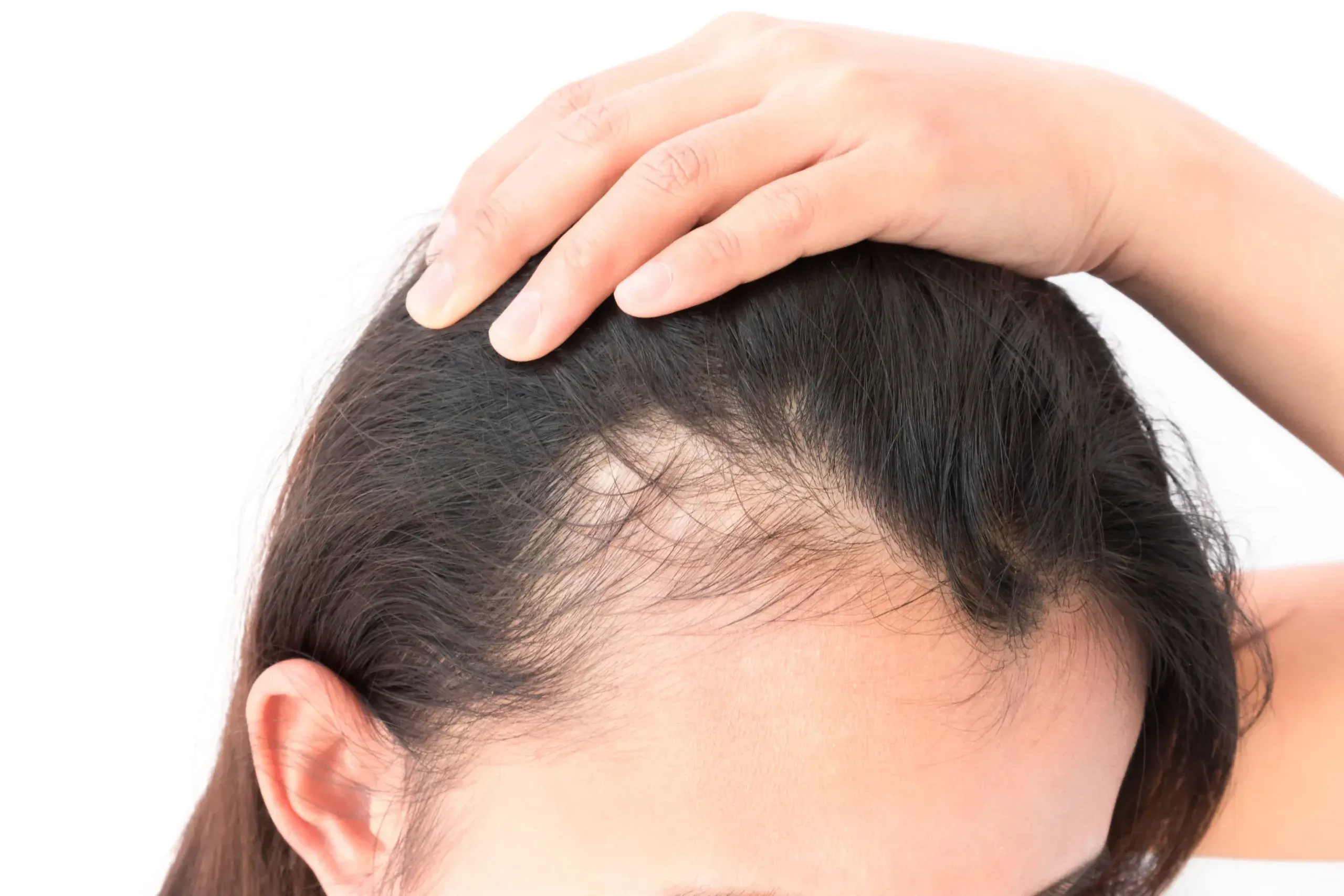
Female pattern hair loss (androgenetic alopecia) is the most common cause, affecting up to 50% of women over their lifetime. Unlike men, women typically retain their frontal hairline while experiencing progressive thinning along the central part, classified using the Ludwig Scale from mild (Type I) to extensive (Type III).
Hormonal shifts represent a major category of triggers. Menopause hair loss occurs as declining estrogen levels allow androgens to exert a stronger miniaturizing effect on hair follicles. Postpartum hair loss (telogen effluvium) affects many new mothers as hormone levels normalize after pregnancy, causing a temporary but distressing wave of shedding typically 2-4 months after delivery. Conditions like polycystic ovary syndrome (PCOS) and thyroid disorders can also drive chronic hair loss in women.
Beyond hormones, nutritional deficiencies (particularly iron, vitamin D, and biotin), chronic stress, autoimmune conditions like alopecia areata, and certain medications can all contribute to women's hair loss. Identifying the specific cause is the essential first step toward effective treatment.