Alopecia Treatment in Algonquin, IL - Diagnosed and Treated by Dermatologists

Board-certified dermatologists Dr. Vic Khanna and Dr. Lauren Boshnick provide expert diagnosis and personalized treatment plans for all types of alopecia at DSI Hair.

Alopecia Treatment
Affects:6.8 million Americans
Types:Androgenetic, areata, totalis, universalis, traction
Diagnosis:Dermatologist scalp examination & labs
Treatable:Multiple evidence-based options available

What Is Alopecia?

A Medical Condition, Not Just Hair Loss

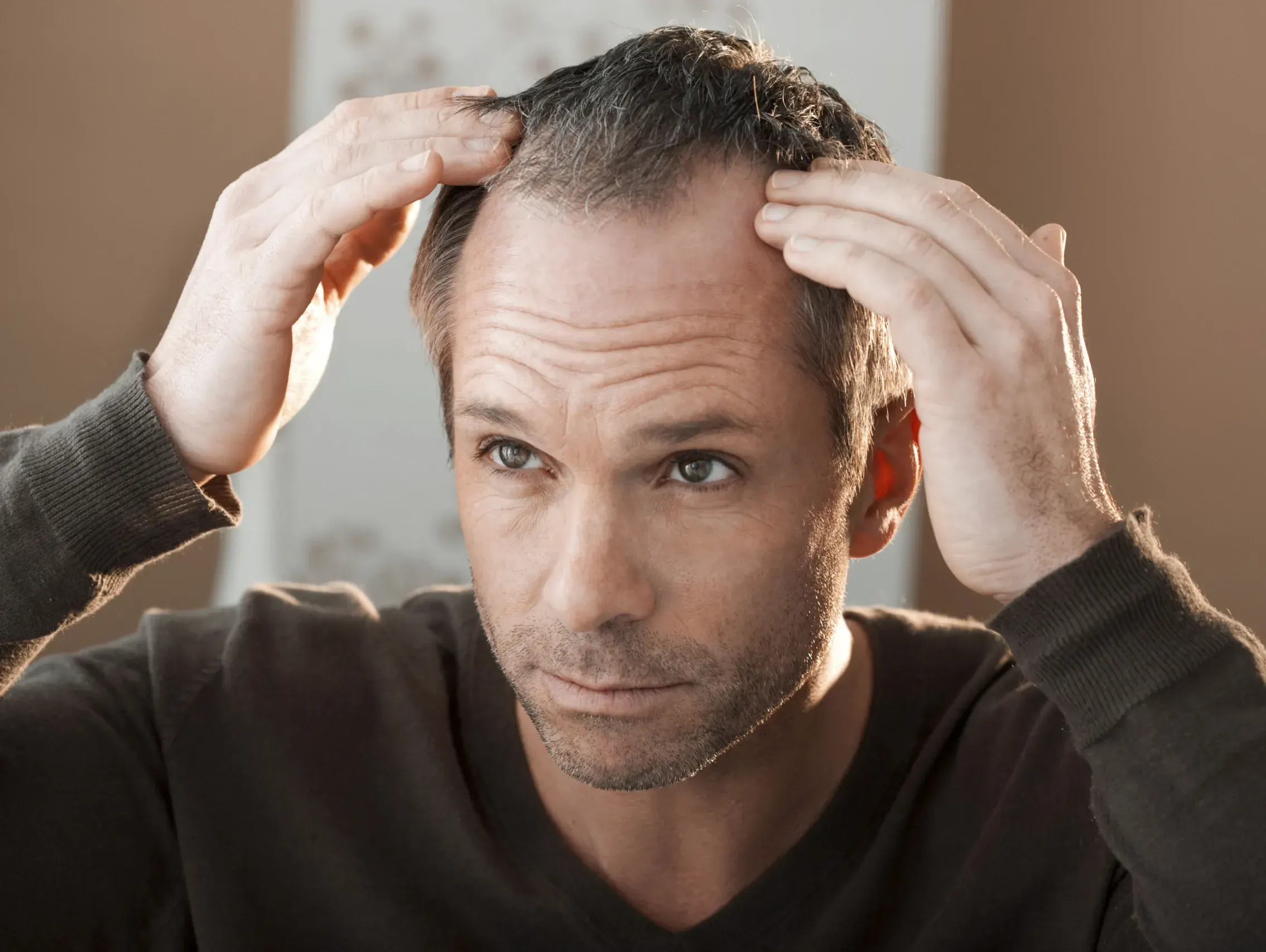
Alopecia is a medical term encompassing several distinct conditions that cause partial or complete hair loss. Unlike general thinning, alopecia often involves specific patterns and mechanisms that require professional dermatologic evaluation to diagnose accurately. At DSI Hair in Algonquin, IL, our board-certified dermatologists distinguish between autoimmune, hormonal, genetic, and mechanical forms of alopecia to ensure you receive the most effective hair transplant for alopecia patients or medical treatment for your specific type.

The most common forms include androgenetic alopecia (pattern hair loss driven by DHT sensitivity), alopecia areata (an autoimmune attack on hair follicles), traction alopecia (caused by chronic tension on hair), and frontal fibrosing alopecia (a scarring condition increasingly seen in postmenopausal women). Each type has a different cause, prognosis, and treatment approach, which is why seeing a dermatologist rather than self-diagnosing is critical for achieving the best possible outcome.

Why Alopecia Happens

Multiple Pathways Lead to Hair Loss

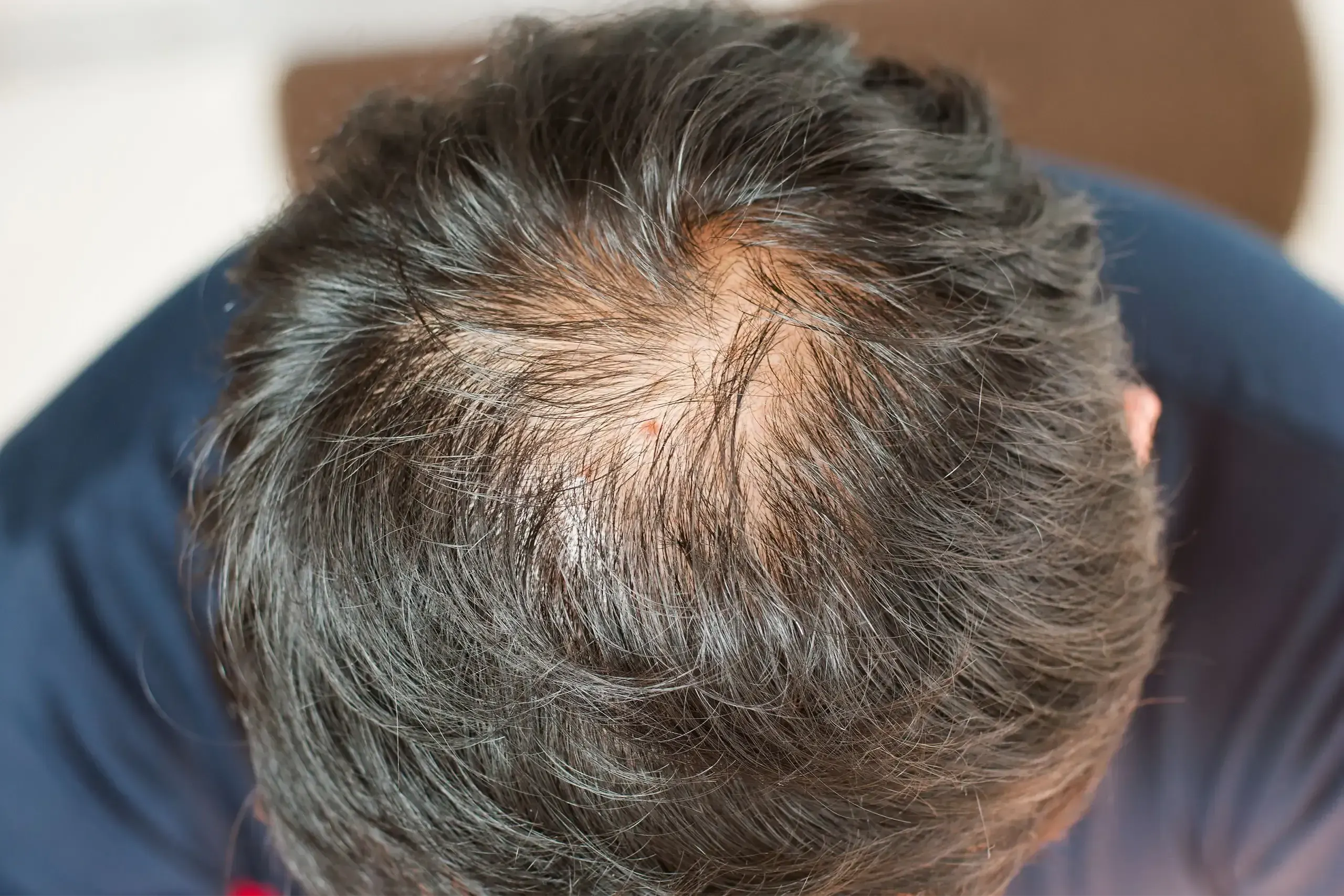
Alopecia is not a single disease but a group of conditions with distinct underlying causes. Androgenetic alopecia, the most prevalent form affecting up to 50% of men and 40% of women by age 50, results from a genetic sensitivity to dihydrotestosterone (DHT). This hormone miniaturizes hair follicles over time, progressively shortening the growth cycle until follicles produce only fine vellus hairs or cease production entirely.

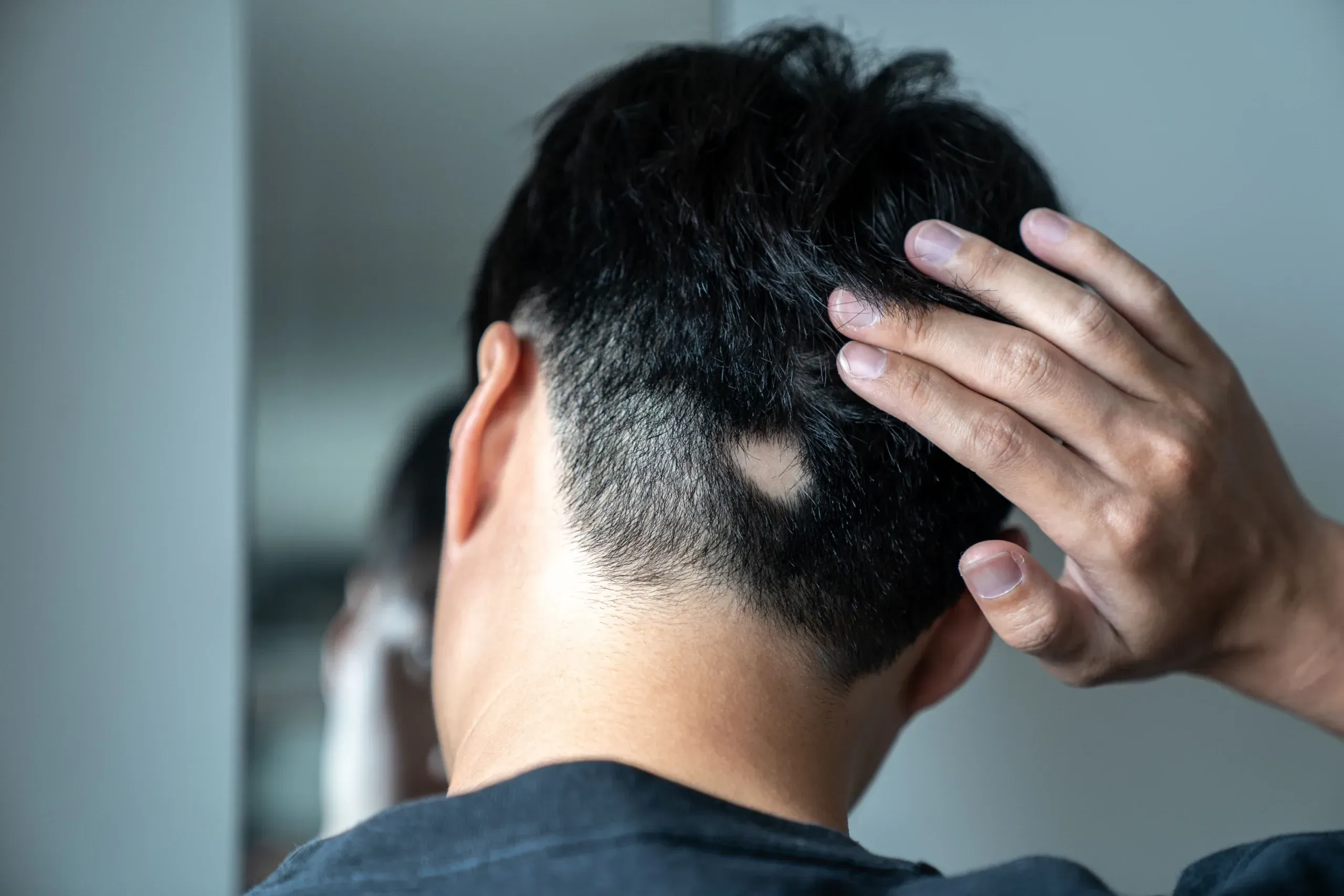
Alopecia areata, affecting approximately 2% of the population, is an autoimmune disorder in which T-lymphocytes mistakenly target the hair follicle bulb. The immune attack disrupts the growth phase (anagen), causing sudden, well-defined patches of hair loss. In more severe cases, this can progress to alopecia totalis (complete scalp hair loss) or alopecia universalis (total body hair loss). Traction alopecia develops from prolonged mechanical stress on follicles due to tight hairstyles, extensions, or chemical treatments. Frontal fibrosing alopecia involves lymphocytic inflammation that permanently destroys follicles along the frontal hairline. Early diagnosis by a dermatologist is essential because some forms cause irreversible scarring if untreated.
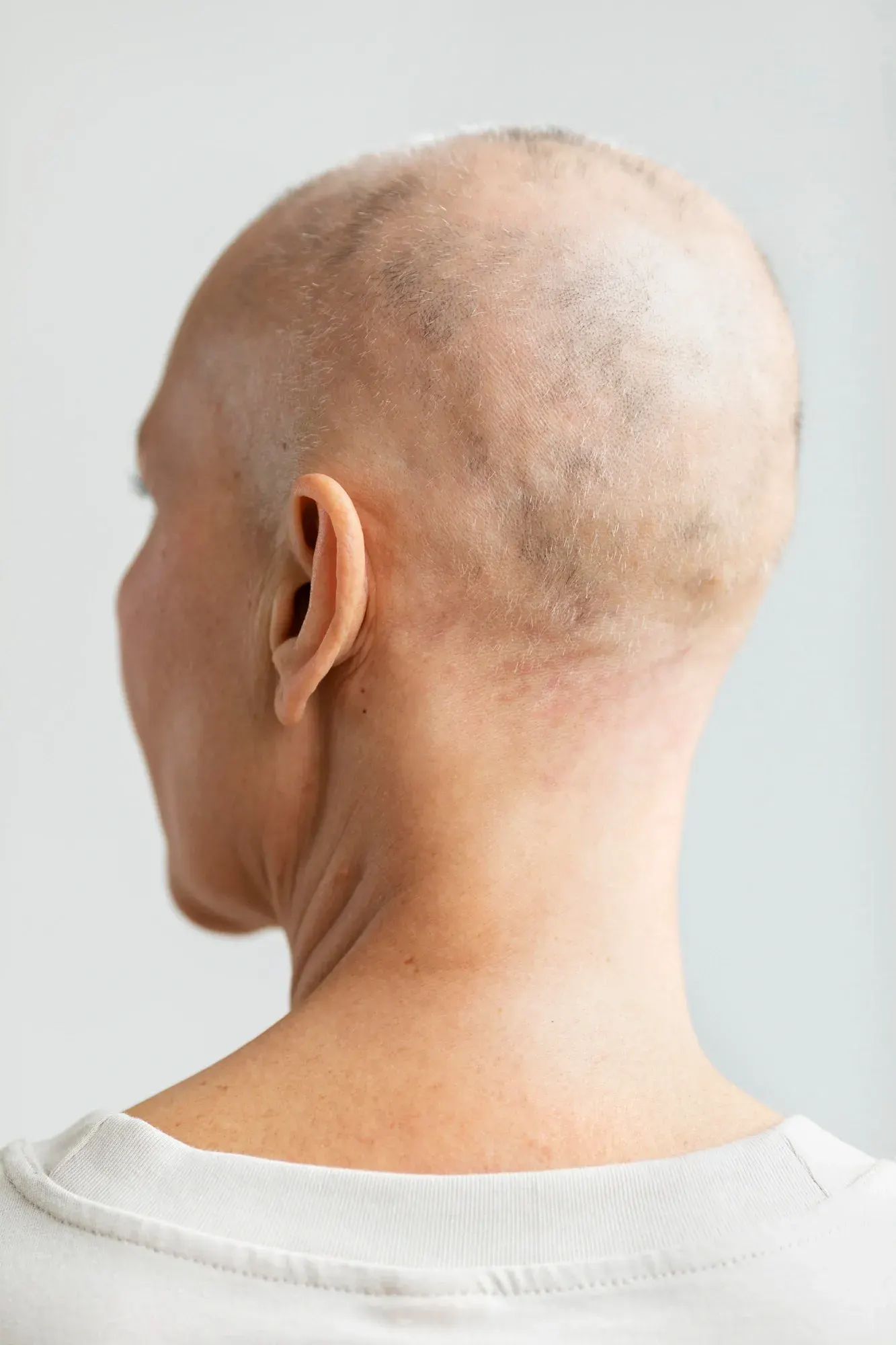
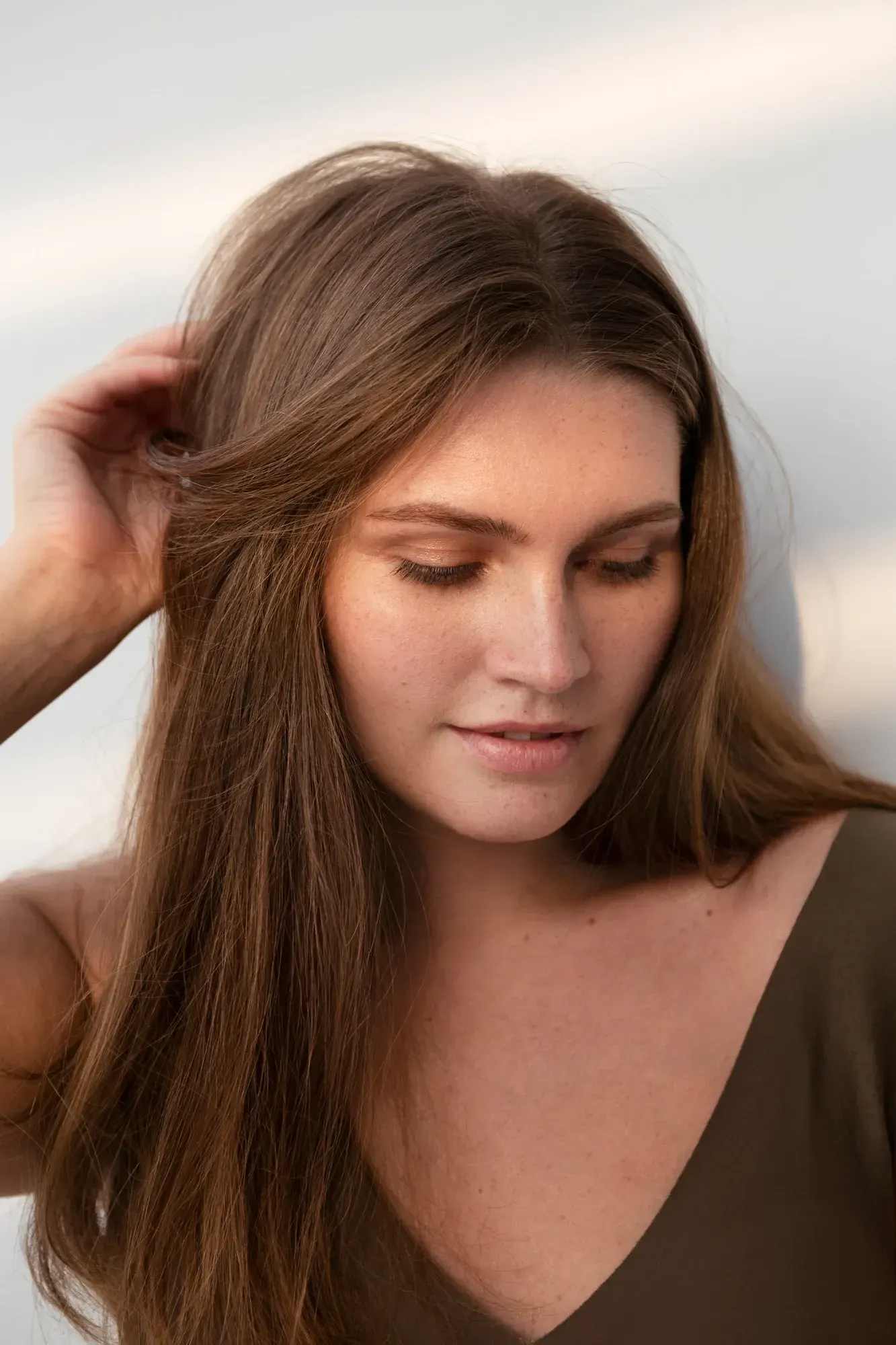
What You Should Know About Alopecia

Diagnosis Is the First Step Toward Effective Treatment

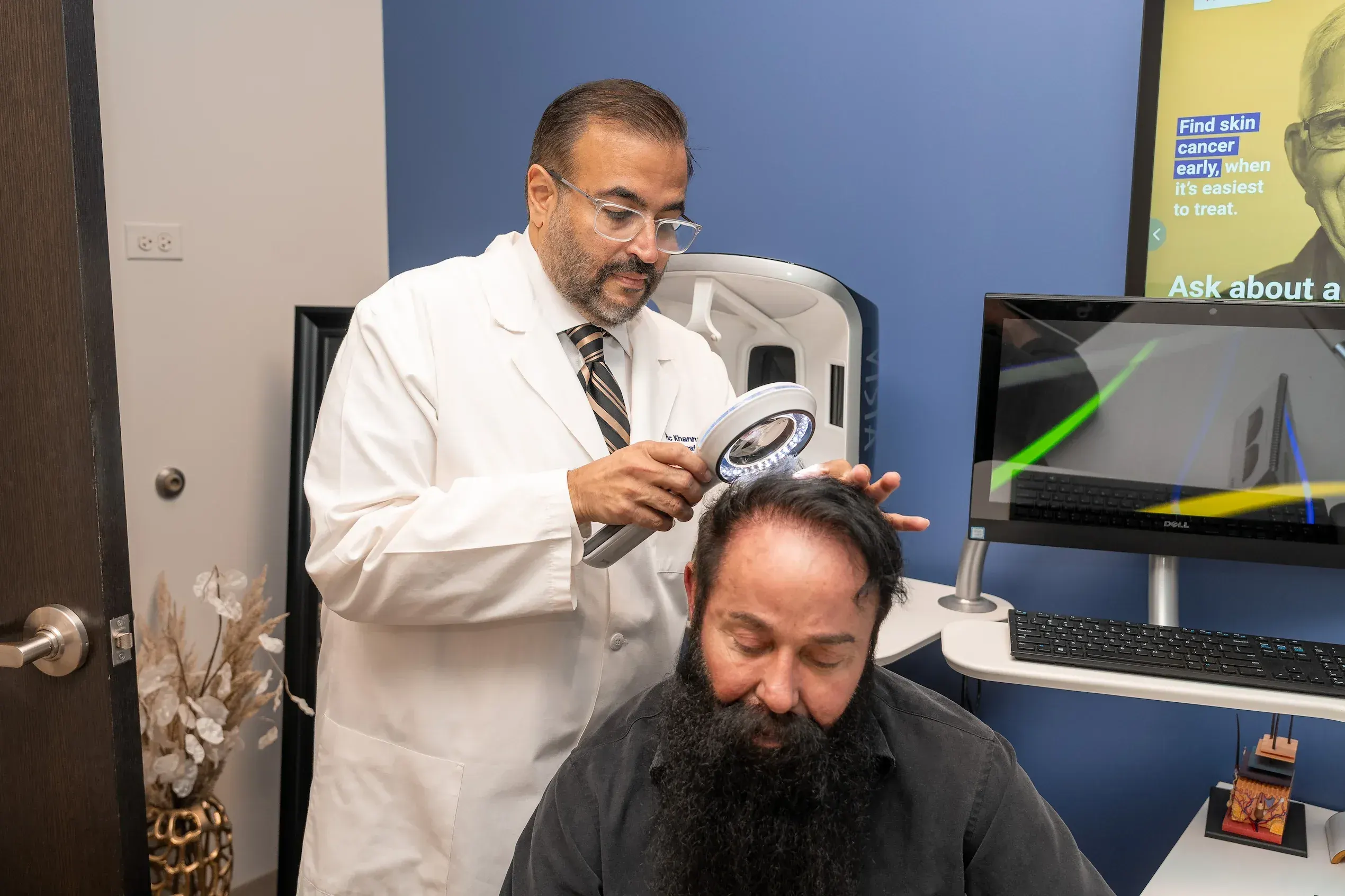
Many patients who come to DSI Hair have spent months or years trying over-the-counter products without improvement, often because they have not received an accurate diagnosis. A board-certified dermatologist can differentiate between alopecia types through clinical examination, dermoscopy (magnified scalp imaging), and targeted blood work to check thyroid function, iron levels, hormonal panels, and autoimmune markers. This diagnostic precision determines whether your hair loss will respond to medical therapy such as finasteride for androgenetic alopecia or minoxidil for alopecia hair regrowth, or whether a procedural approach is more appropriate.

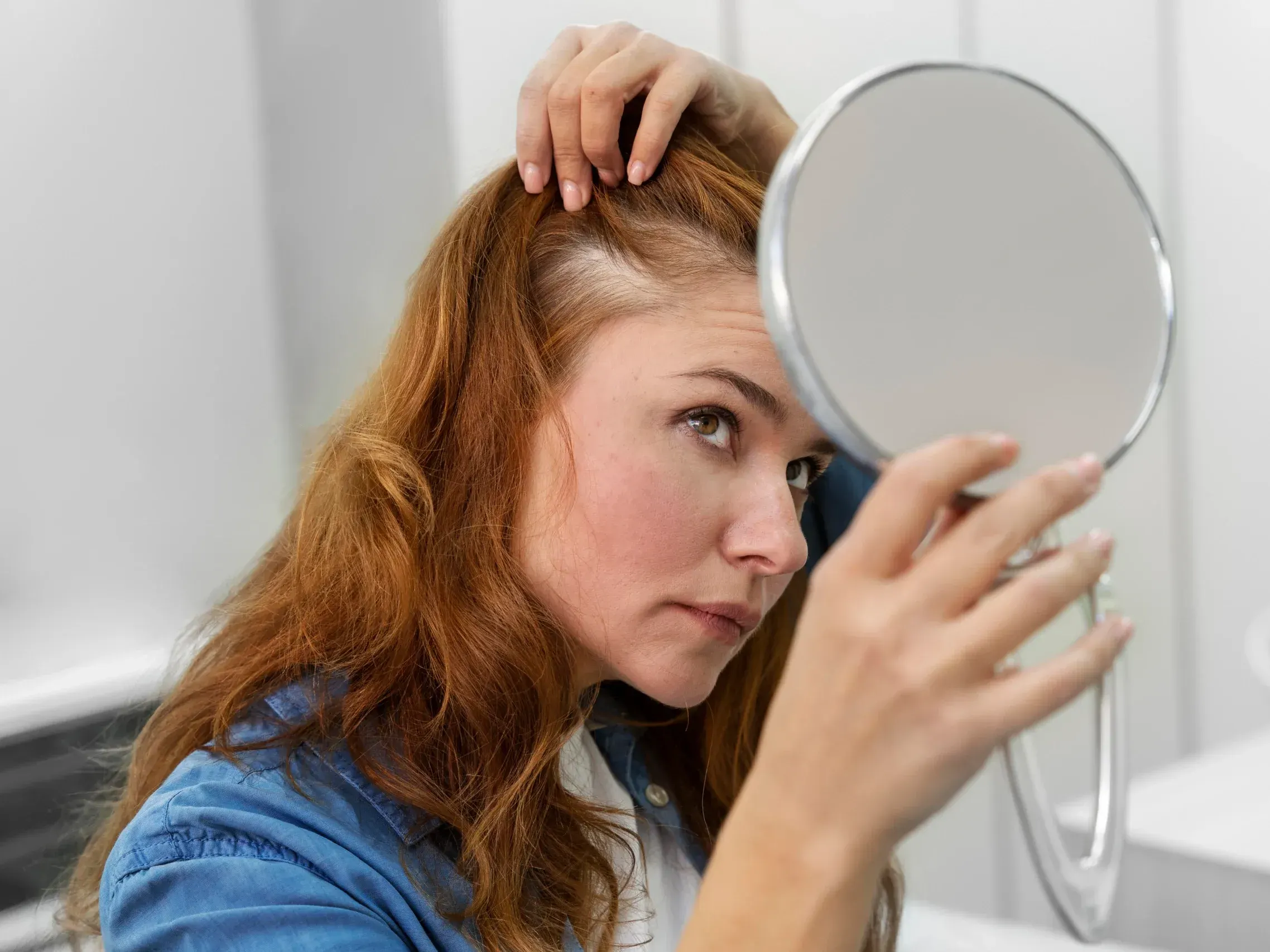
Alopecia in women presents differently than alopecia in men. Female pattern hair loss typically causes diffuse thinning across the crown while preserving the frontal hairline, whereas male androgenetic alopecia follows the classic Norwood pattern with temporal recession and vertex thinning. Women also face unique triggers including postpartum telogen effluvium, polycystic ovarian syndrome, and menopause-related hormonal shifts. Understanding these gender-specific patterns allows Dr. Khanna and Dr. Boshnick to tailor treatment protocols that address the true underlying cause.

Types & Mechanisms

What Causes Different Types of Alopecia?

Understanding Your Specific Type Guides Treatment

Androgenetic Alopecia

Genetic sensitivity to DHT causes progressive follicle miniaturization. The most common form, affecting both men and women with different patterns. Responds well to finasteride, minoxidil, and hair transplantation once stabilized.

Alopecia Areata

Autoimmune T-cells attack the hair follicle bulb, causing sudden round patches of hair loss. Can progress to totalis or universalis. Often treated with corticosteroid injections, JAK inhibitors, or immunotherapy.

Traction Alopecia

Chronic mechanical tension from tight hairstyles, braids, extensions, or chemical relaxers damages follicles along the hairline and temples. Early intervention is key before permanent scarring occurs.

Frontal Fibrosing Alopecia

A scarring (cicatricial) alopecia causing progressive recession of the frontal hairline, predominantly in postmenopausal women. Involves lymphocytic inflammation that permanently destroys follicles.

Telogen Effluvium

A temporary but often alarming diffuse shedding triggered by stress, surgery, illness, medication changes, or hormonal shifts such as postpartum. Hair typically recovers within 6-12 months once the trigger resolves.

Central Centrifugal Cicatricial Alopecia

Scarring hair loss starting at the crown and expanding outward, most common in women of African descent. Requires early dermatologic intervention to halt progression and preserve remaining follicles.

Why Choose DSI Hair for Alopecia Treatment in Algonquin, IL

Board-Certified Dermatologists Specializing in Hair Restoration

  • Dermatologist-Led Diagnosis
  • Comprehensive Treatment Options
  • Personalized Stabilization Protocols
  • Multi-Location Convenience

Alopecia Treatment Options at DSI Hair

Compare Our Evidence-Based Treatments for Alopecia

Treatment Best For Session Time Results Timeline Maintenance
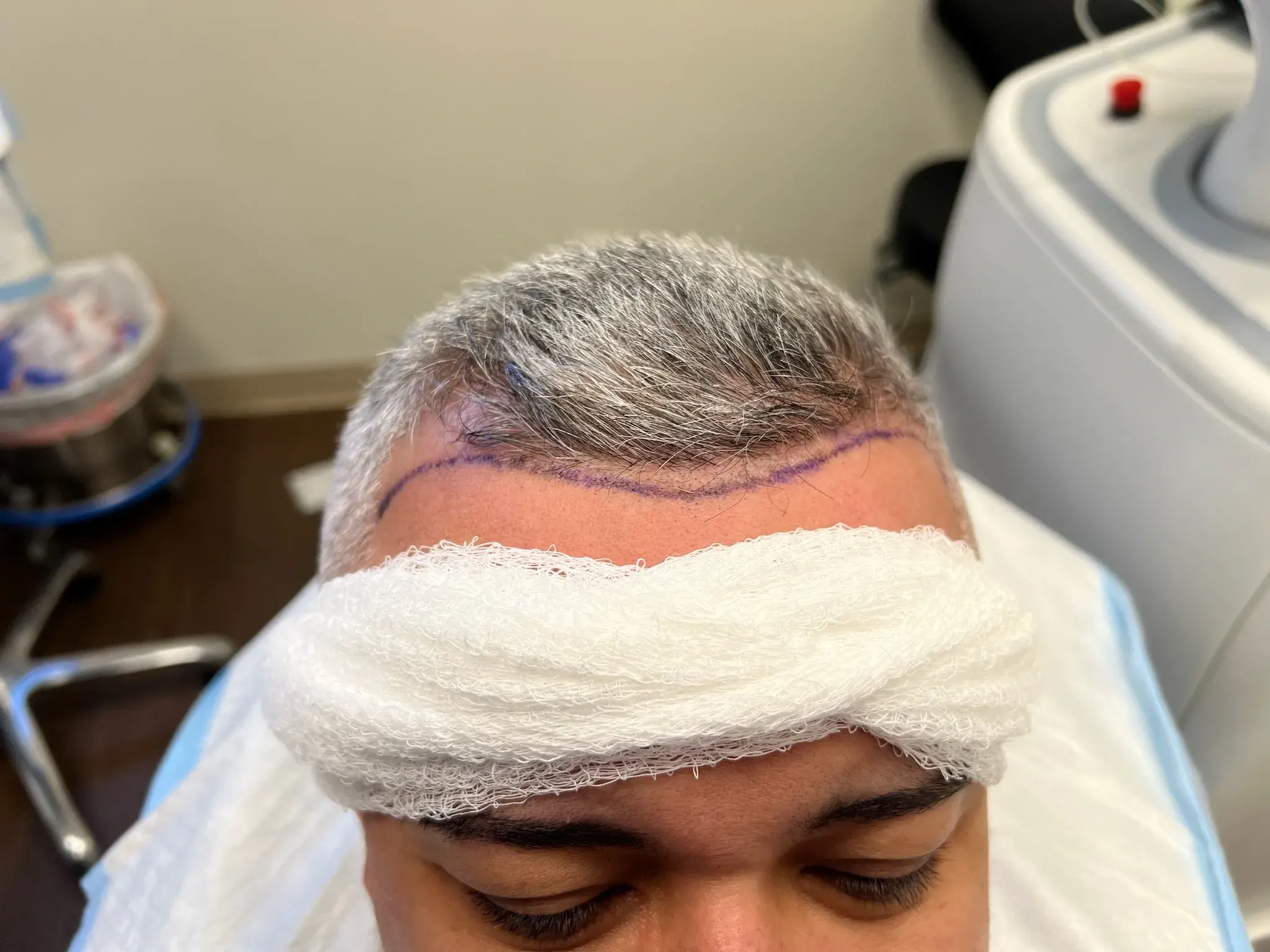
Hair Transplant Androgenetic alopecia with stable donor area 4-8 hours 9-12 months for full growth Minimal once grafts establish
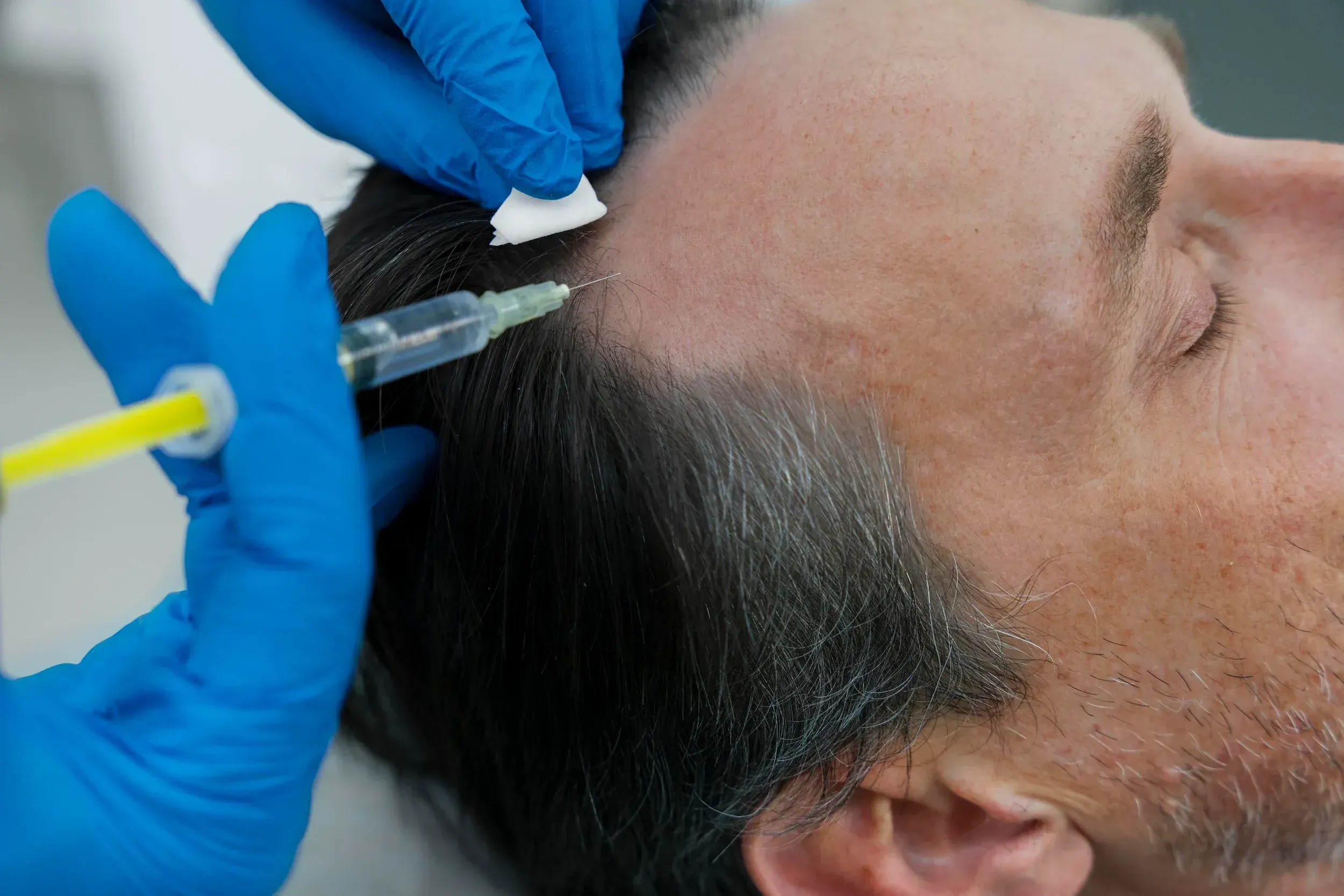
PRP Hair Restoration Early-stage alopecia, post-transplant support 30-45 minutes 3-6 months visible improvement Every 3-6 months initially
Finasteride (Propecia) Male androgenetic alopecia (DHT blocker) Daily oral medication 3-6 months to slow loss, 12 months regrowth Ongoing daily use required
Minoxidil (Rogaine) Androgenetic alopecia in men and women Daily topical or oral 4-6 months visible improvement Ongoing daily application

Signs You May Be Experiencing Alopecia

Recognizing These Symptoms Early Can Improve Treatment Outcomes

  • Sudden Patchy Loss
  • Gradual Thinning at the Crown
  • Receding Frontal Hairline
  • Excessive Daily Shedding
  • Scalp Tenderness or Burning
  • Miniaturized or Fine Hairs
  • Family History of Hair Loss

Frequently Asked Questions About Alopecia

Answers From Our Board-Certified Dermatologists

01 What is alopecia?

Alopecia is a broad medical term for hair loss that encompasses several distinct conditions. The most common types include androgenetic alopecia (genetic pattern hair loss), alopecia areata (autoimmune patchy hair loss), traction alopecia (caused by hairstyle tension), and frontal fibrosing alopecia (a scarring condition). Each type has different causes, patterns, and treatment approaches, which is why professional dermatologic diagnosis is essential.

02 Can alopecia be cured?

Whether alopecia can be fully cured depends on the type. Androgenetic alopecia cannot be cured but can be effectively managed and even reversed with treatments like finasteride, minoxidil, PRP, and hair transplantation. Alopecia areata may resolve spontaneously or respond to immunotherapy, though recurrence is common. Traction alopecia is reversible if caught early. Scarring alopecias like frontal fibrosing alopecia cannot regrow lost hair but can be stabilized to prevent further loss.

03 What causes alopecia?

Alopecia has multiple causes depending on the type. Androgenetic alopecia is driven by genetic sensitivity to the hormone DHT. Alopecia areata is an autoimmune condition where the body's immune system attacks hair follicles. Traction alopecia results from chronic physical tension on hair. Other triggers include hormonal changes, nutritional deficiencies, thyroid disorders, stress, medications, and systemic illness. A dermatologist can determine your specific cause through examination and testing.

04 Can a hair transplant help alopecia?

Hair transplantation can be highly effective for certain types of alopecia, particularly androgenetic alopecia where there is a stable donor area at the back and sides of the scalp. At DSI Hair, our hair transplant for alopecia patients uses ARTAS robotic technology for precise graft harvesting. However, active alopecia areata or unstable hair loss must be stabilized medically before transplantation. Dr. Khanna and Dr. Boshnick evaluate each patient's candidacy carefully.

05 What treatments are available for alopecia areata?

Alopecia areata treatment options include intralesional corticosteroid injections (the most common first-line treatment for limited patches), topical immunotherapy, JAK inhibitors (such as FDA-approved baricitinib), PRP therapy for alopecia treatment, and topical minoxidil to support regrowth. Treatment choice depends on the extent of hair loss and patient response. Our dermatologists create individualized protocols based on your specific presentation.

06 Is alopecia hereditary?

Androgenetic alopecia has a strong genetic component and can be inherited from either parent. If your mother, father, or grandparents experienced pattern hair loss, your risk is significantly elevated. Alopecia areata also has a genetic predisposition, with about 10-20% of patients having an affected family member, though environmental triggers play a role in onset. A family history discussion is an important part of your diagnostic evaluation at DSI Hair.

07 What is the difference between alopecia areata and androgenetic alopecia?

Alopecia areata is an autoimmune condition causing sudden, patchy hair loss where the immune system attacks follicles. It can occur at any age and may resolve spontaneously or progress to total hair loss. Androgenetic alopecia is a genetic, hormonal condition causing gradual, patterned thinning driven by DHT sensitivity. It typically begins after puberty and progresses slowly over decades. The treatment approaches differ significantly, which is why accurate diagnosis by a board-certified dermatologist is essential.

Location2430 Esplanade Drive, Suite B
Algonquin, IL, 60102
New Patients(844) 307-7546
Existing Patients(847) 458-7546

Schedule Your Consultation

Scientific References