
What Is DHT and Why Does It Cause Hair Loss? A Dermatologist Explains
DHT is the hormone responsible for pattern hair loss in men and women. DSI Hair dermatologists in Algonquin, IL explain how DHT miniaturizes follicles, why genetics matter, and what treatments effectively block it.
Introduction
If you have been researching hair loss, you have almost certainly come across the term DHT. It comes up in discussions about finasteride, minoxidil, hair transplants, and pattern baldness. But what is DHT, exactly? How does it actually cause hair to fall out? And — most importantly — what can be done about it?
At DSI Hair in Algonquin, Illinois, our board-certified dermatologists work with patients from across Algonquin, Crystal Lake, Barrington, Huntley, Woodstock, and greater McHenry County who are trying to understand the real cause of their hair loss. DHT is usually at the center of that conversation.
What Is DHT?
DHT stands for dihydrotestosterone. It is an androgen — a male sex hormone — that is derived from testosterone. When testosterone encounters an enzyme called 5-alpha reductase, it is converted into DHT. This conversion happens in several tissues throughout the body, including the skin, liver, and notably, the hair follicles and scalp.
DHT is more potent than testosterone. It binds to androgen receptors with greater affinity and for longer periods. In many tissues, this potency is entirely normal and necessary. DHT plays important roles in male development, prostate function, and other physiological processes. The problem arises specifically at the level of genetically sensitive hair follicles.
How Does DHT Cause Hair Loss?
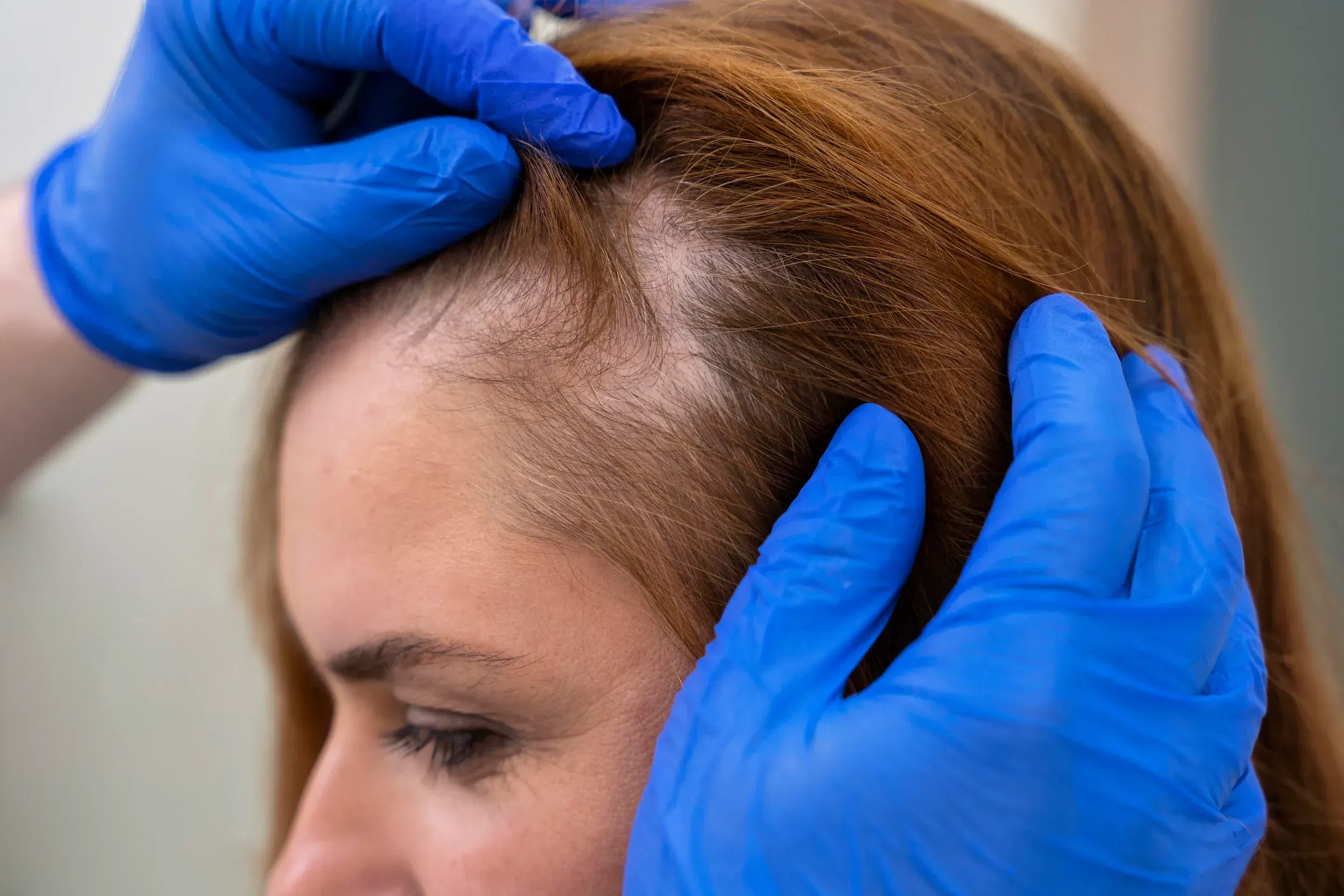
Not everyone's hair follicles respond the same way to DHT. Whether yours do depends largely on your genetics. People who develop androgenetic alopecia — the most common form of hair loss in both men and women — have hair follicles that are genetically programmed to be sensitive to DHT.
When DHT binds to receptors in a sensitive follicle, it triggers a process called follicular miniaturization. Here is how it unfolds step by step:
- DHT binds to androgen receptors within the dermal papilla cells of the hair follicle.
- This binding disrupts the normal hair growth cycle, shortening the anagen (active growth) phase and lengthening the telogen (resting) phase.
- Each successive hair cycle produces a shorter, thinner, lighter hair shaft — a process called miniaturization.
- Over years, the follicle produces increasingly fine, barely visible vellus hairs rather than the thick terminal hairs that characterize a full head of hair.
- Eventually, severely miniaturized follicles may stop producing hair altogether.
This is why androgenetic alopecia — male and female pattern baldness — follows predictable patterns. In men, it typically begins at the hairline and crown (the areas with the most DHT-sensitive follicles). In women, it tends to present as diffuse thinning across the top of the scalp rather than complete baldness in one area.
Why Do Some People Lose Hair and Others Do Not?
Circulating DHT levels alone do not determine whether you will lose hair. Many men with high testosterone levels never go significantly bald, while others with average hormone levels experience significant hair loss. The critical variable is genetic sensitivity — specifically, how many androgen receptors your scalp follicles express and how strongly those receptors respond when DHT binds to them.
This genetic predisposition is inherited from both parents, not just the maternal grandfather as the popular myth suggests. If you have a strong family history of pattern hair loss on either side of your family, your risk of developing androgenetic alopecia is significantly higher. The Men's Hair Loss and Women's Hair Loss sections of our site explain how these patterns present differently between sexes.
DHT and the Norwood Scale
The Norwood Scale — which classifies male pattern baldness from Stage 1 through Stage 7 — essentially maps the progressive effects of DHT-driven follicular miniaturization over time. The scalp regions that are most vulnerable to DHT are the frontal hairline, temples, and crown, which is why Norwood progression tends to follow those areas first.
Understanding where you fall on the Norwood Scale helps our dermatologists at DSI Hair determine which treatments are most appropriate and what realistic outcomes look like for your specific pattern.
How Is DHT Measured?
DHT can be measured through a blood test, though the results must be interpreted carefully. Serum DHT levels vary significantly between individuals and do not always correlate directly with the degree of hair loss. As noted above, it is the sensitivity of the follicle — not just the amount of circulating DHT — that determines the outcome.
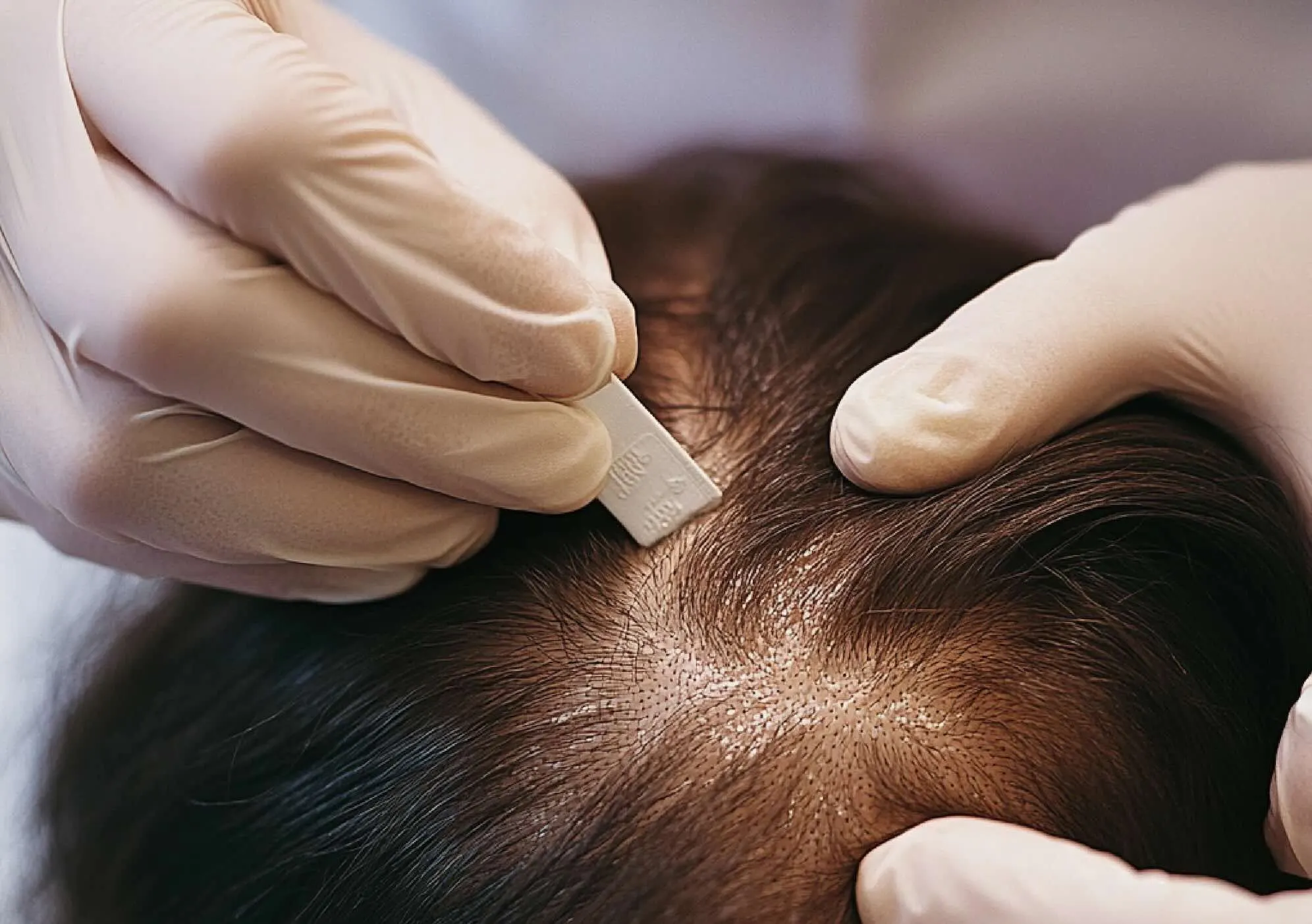
At DSI Hair, our dermatologists evaluate DHT-related hair loss through a clinical examination, detailed family history, and in some cases, scalp analysis and blood work to rule out other contributing factors such as thyroid dysfunction or nutritional deficiencies.
How to Block DHT: Treatment Options at DSI Hair
The most evidence-based approaches to DHT-related hair loss work by either blocking DHT production at the source, reducing its effect at the follicle level, or combining both approaches. Here is how each treatment fits into that framework.
Finasteride (Propecia)
Finasteride is a 5-alpha reductase inhibitor — meaning it directly blocks the enzyme responsible for converting testosterone to DHT. Clinical studies consistently show that oral finasteride reduces serum DHT levels by approximately 70%, which is sufficient to slow or stop follicular miniaturization in most men with androgenetic alopecia.
At DSI Hair, Finasteride (Propecia) is prescribed and managed by our board-certified dermatologists. The medication does not reverse existing follicle damage but is highly effective at preventing further loss when started early and maintained consistently.
Minoxidil (Rogaine / Oral Minoxidil)
Minoxidil does not block DHT directly. Instead, it works by prolonging the anagen phase of the hair growth cycle and improving blood flow to the scalp, which supports follicle activity. This is why minoxidil and finasteride are often prescribed together — they address hair loss from complementary mechanisms.
Both topical Rogaine (Minoxidil) and Oral Minoxidil are available through DSI Hair, with the appropriate formulation determined based on your specific hair loss pattern, health history, and tolerance.
PRP Hair Restoration
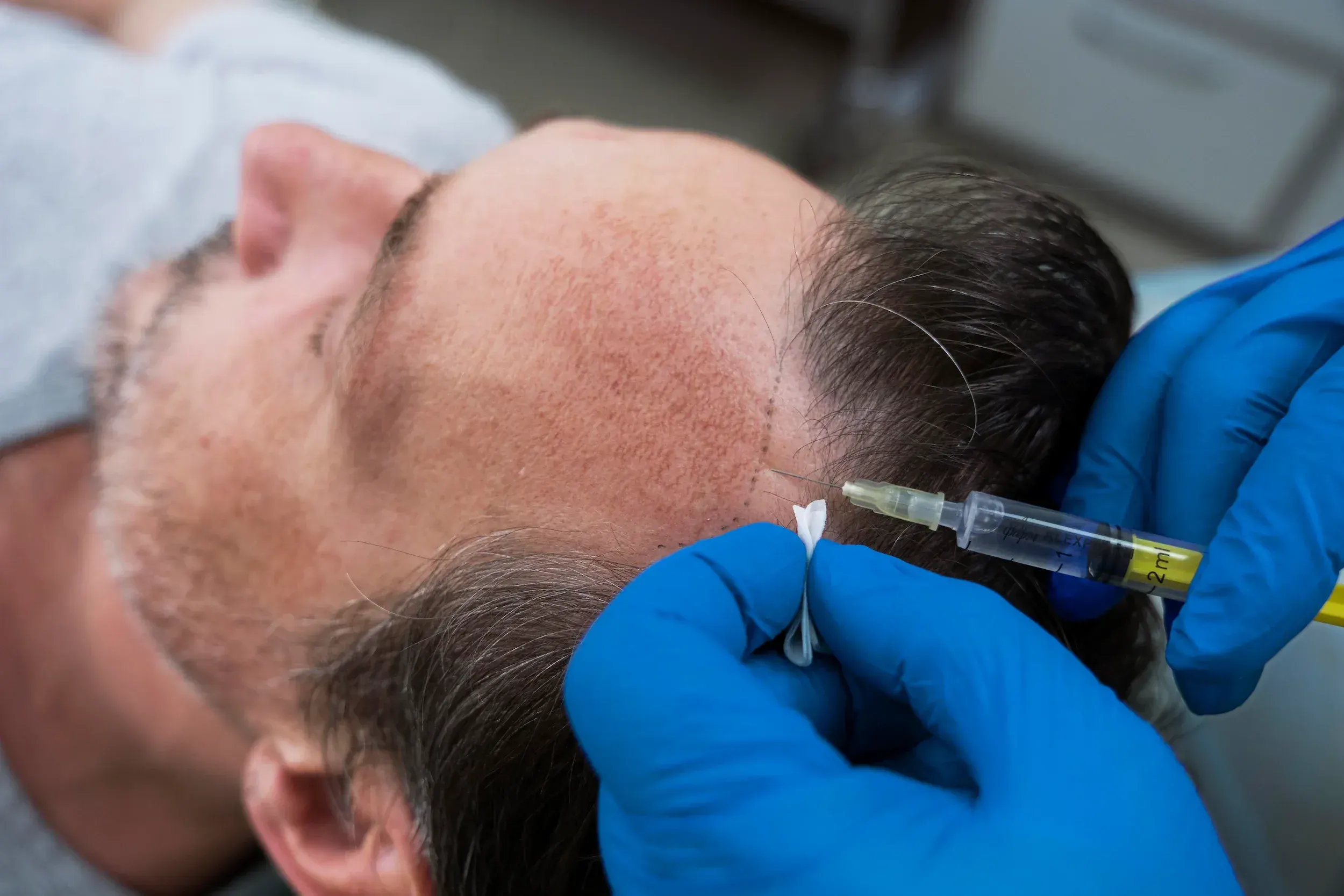
Platelet-Rich Plasma (PRP) therapy does not block DHT, but it works as a powerful supportive treatment that helps maintain the health and viability of follicles that are under DHT stress. By injecting concentrated growth factors directly into the scalp, PRP can extend the lifespan of miniaturizing follicles, improve hair shaft diameter, and create a more favorable environment for hair regrowth.
When combined with DHT-blocking medications, PRP Hair Restoration at DSI Hair offers a comprehensive approach — one that addresses the hormonal cause while simultaneously supporting the structural health of the follicle.
ARTAS Hair Transplant
For patients whose follicles have already undergone significant miniaturization and are no longer producing viable hair, DHT-blocking medications and PRP can only do so much. ARTAS Hair Transplant relocates DHT-resistant follicles from the donor area at the back and sides of the scalp — which are genetically programmed not to miniaturize — to areas of thinning or baldness.
This is why transplanted hair is permanent: the moved follicles carry their donor area's DHT resistance with them. They continue to behave as if they were still in the donor region, regardless of where they are placed on the scalp.
Low Light Laser Therapy (LLLT) with Revian Caps
Low level laser therapy stimulates cellular energy production in hair follicles and improves scalp circulation. Like minoxidil, it does not block DHT, but it supports follicle activity and is a useful adjunct treatment. The Revian Cap used at DSI Hair combines red and near-infrared wavelengths for at-home use between clinic visits, making it a convenient addition to a comprehensive DHT management plan.
Does Diet or Lifestyle Affect DHT Levels?
Some dietary and lifestyle factors can influence DHT production or sensitivity, though their impact is generally modest compared to genetic predisposition and medical treatment:
- Saw palmetto: A botanical supplement that mildly inhibits 5-alpha reductase. Evidence for its effectiveness in hair loss is limited and inconsistent compared to prescription finasteride.
- Zinc deficiency: Zinc plays a role in 5-alpha reductase function; severe deficiency may influence DHT activity. Most people with adequate nutrition are not meaningfully deficient.
- High-glycemic diet: Some research suggests that insulin spikes may promote androgen activity, including DHT. A balanced diet with controlled glycemic load may offer marginal benefit.
- Exercise: Regular physical activity supports hormonal balance broadly, though it does not specifically suppress DHT in ways that meaningfully impact hair loss.
These factors are worth considering as part of overall health, but patients in Algonquin and across northern Illinois who are experiencing significant androgenetic alopecia will not resolve it through lifestyle adjustments alone. Medical treatment is required to meaningfully interrupt the DHT-driven miniaturization cycle.
Frequently Asked Questions
Can you have hair loss without high DHT?
Yes. Serum DHT levels are often within the normal range in patients with androgenetic alopecia. The problem is typically follicular sensitivity, not DHT quantity. This is why many effective treatments focus on blocking DHT at the receptor level rather than simply reducing circulating levels.
Does DHT affect women differently than men?
Yes. Women have lower overall levels of DHT and androgens, and female pattern hair loss (FPHL) presents differently — typically as diffuse thinning across the crown rather than a receding hairline. The role of DHT in FPHL is more complex and debated, with other hormonal factors such as estrogen decline and prolactin also involved. Women's Hair Loss is evaluated separately at DSI Hair with treatment plans that reflect these differences.
If I start finasteride, do I have to take it forever?
Finasteride works by continuously suppressing DHT. If you stop taking it, DHT levels return to baseline and follicular miniaturization resumes. Most patients who respond well to finasteride continue it long-term to maintain results. This is an important consideration to discuss during your consultation at DSI Hair in Algonquin.
Can a hair transplant be affected by DHT?
Transplanted follicles from the donor area are DHT-resistant by nature and are not affected by DHT in the same way as the original follicles in the recipient area. However, the native hair surrounding the transplanted follicles can continue to miniaturize if DHT is not managed. This is why many patients continue finasteride after a hair transplant — to protect the existing hair surrounding the transplanted grafts.
Talk to a DSI Hair Dermatologist in Algonquin, IL
Understanding DHT is the first step toward making an informed decision about your hair restoration options. Whether you are in the early stages of thinning or further along in the process, Dr. Vic Khanna and the team at DSI Hair can evaluate your specific pattern, hormone profile, and goals to build a treatment plan that addresses the root cause.
We serve patients from Algonquin, Crystal Lake, Barrington, Huntley, Woodstock, and across northern Illinois at our four convenient locations. Call DSI Hair today at (844) 307-7546 or schedule your consultation online to get started.