
Receding Hairline Treatment in Algonquin, IL

Surgical and Medical Solutions by Board-Certified Dermatologists

Receding Hairline
Onset:As early as late teens to mid-20s
Pattern:Norwood Scale Stages I-III
Primary Cause:DHT sensitivity at temporal hairline
Progression:Gradual — years to decades without treatment

Why Your Hairline Is Receding - and What You Can Do About It

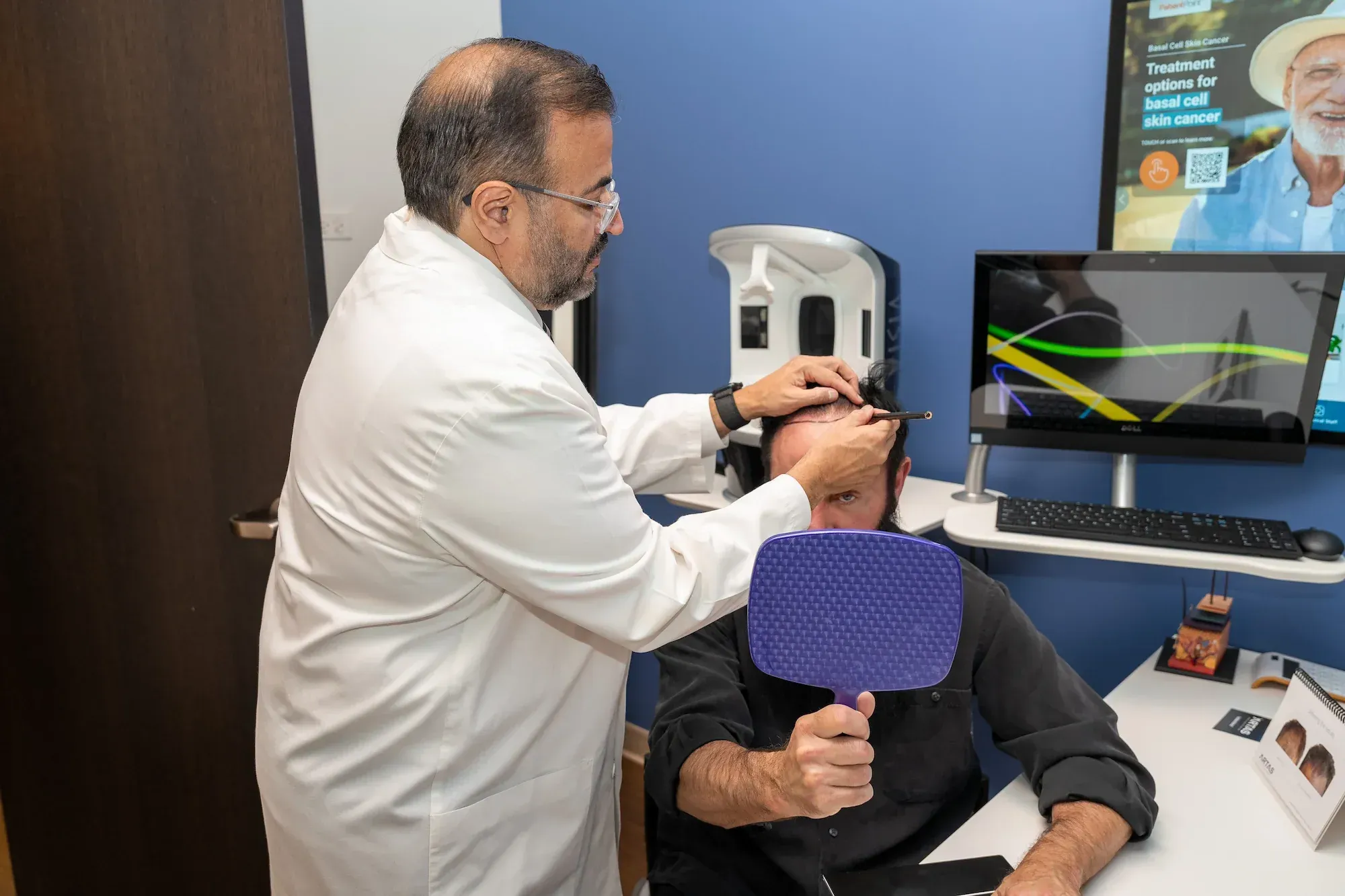
Board-certified dermatologists Dr. Vic Khanna and Dr. Lauren Boshnick specialize in diagnosing and treating receding hairlines at every stage.

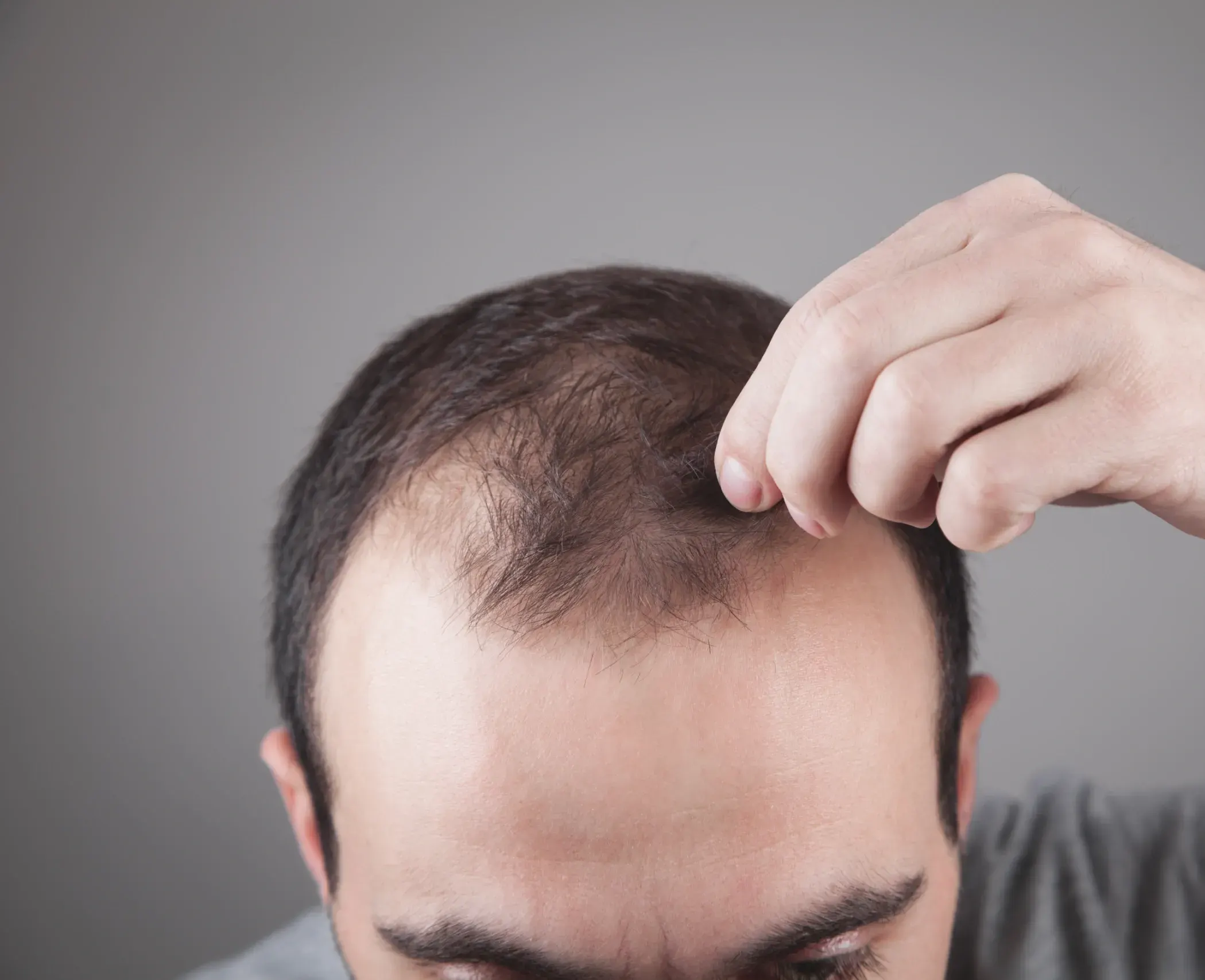
A receding hairline is one of the earliest and most recognizable signs of androgenetic alopecia (pattern hair loss). It typically begins at the temples, creating an M-shaped or V-shaped pattern as the frontal hairline gradually moves backward. For many patients, it is the first visible change that prompts concern about hair loss.

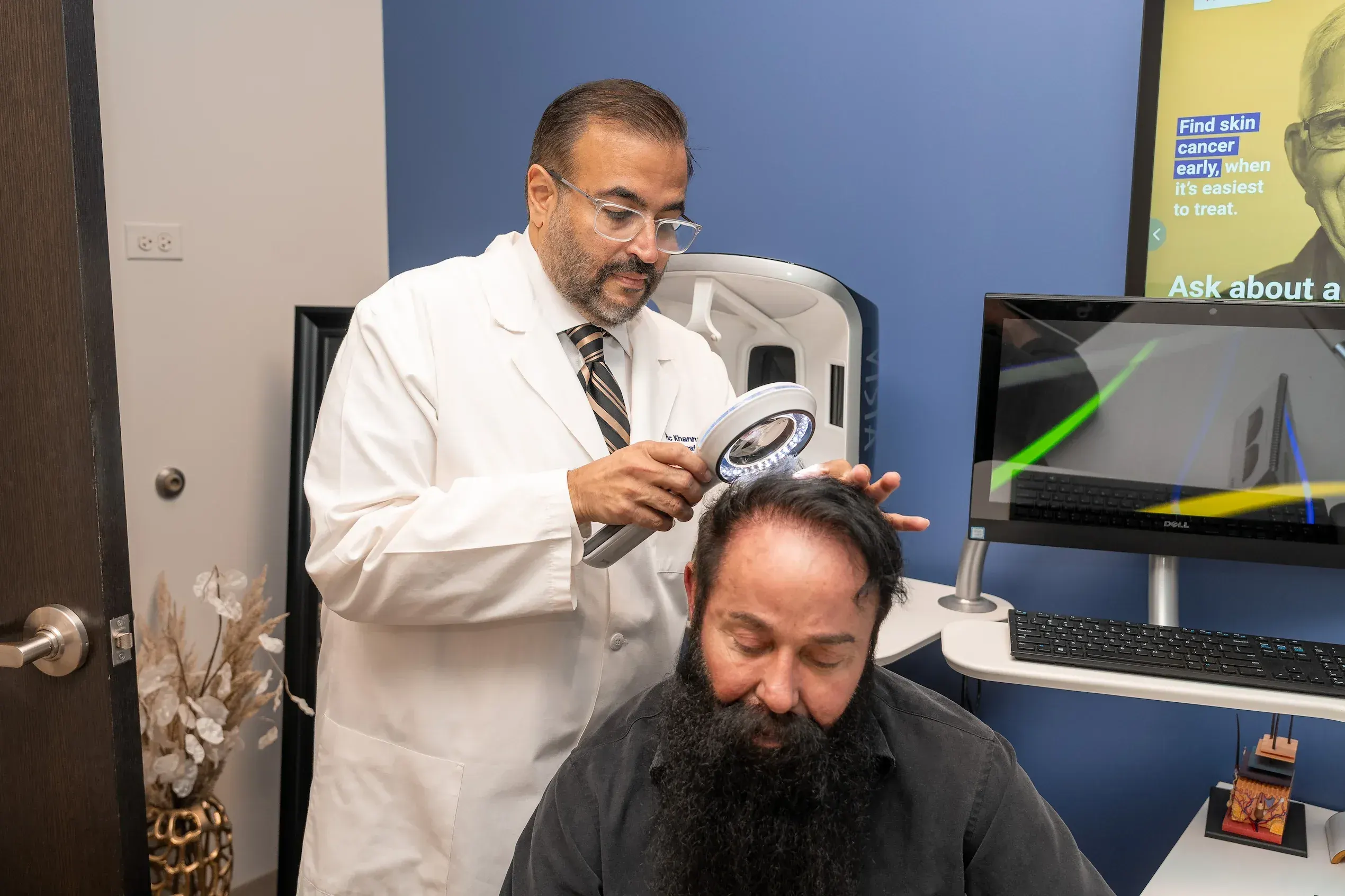
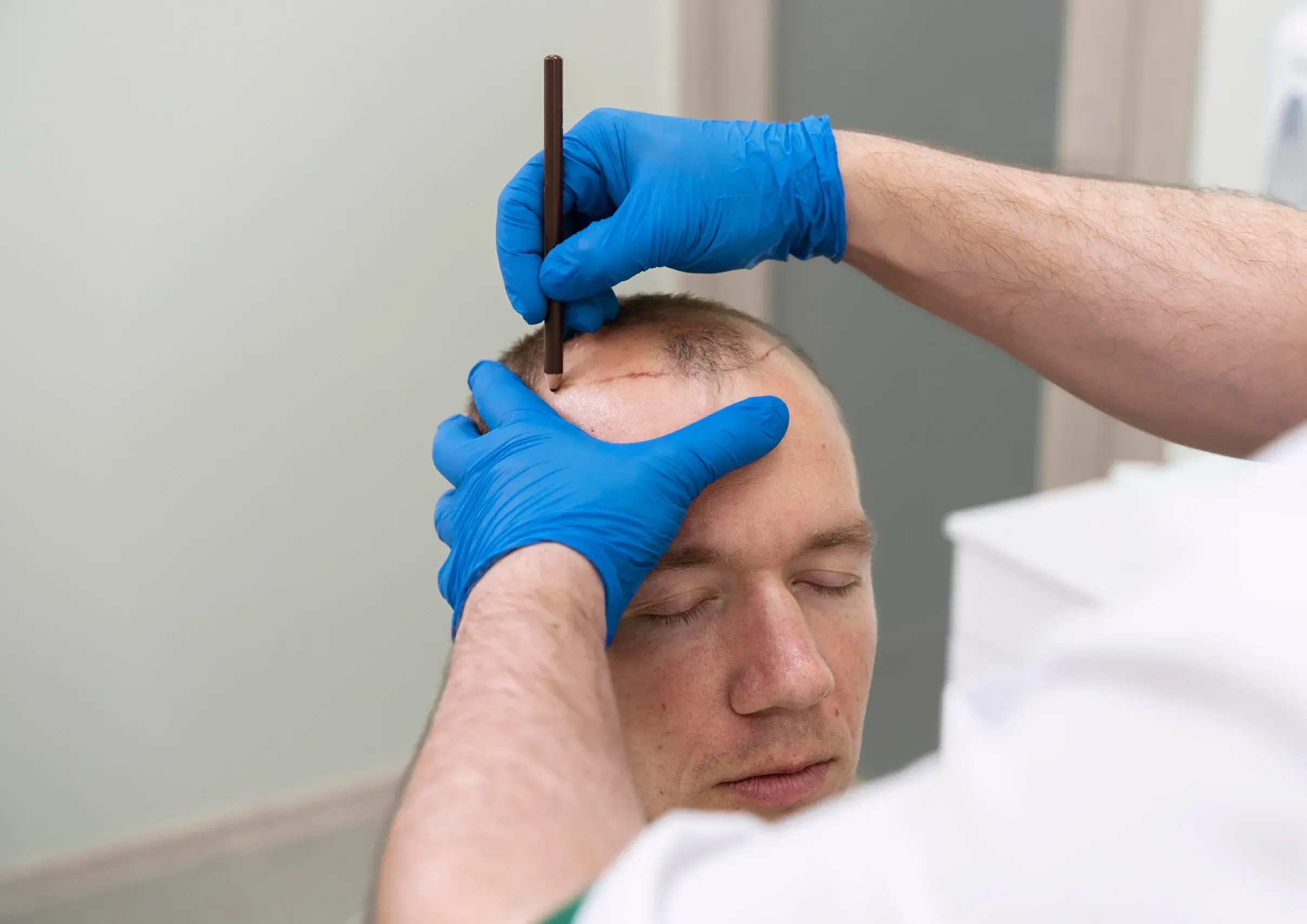
At DSI Hair in Algonquin, IL, our board-certified dermatologists evaluate your hairline recession using the Norwood classification system, identify contributing factors, and design a treatment plan that may include finasteride to stop receding hairline progression, minoxidil for receding hairline treatment, or hair transplant for receding hairline restoration. The key is early intervention — the sooner treatment begins, the more hairline territory can be preserved or restored.

Why the Hairline Is the First Area to Recede

Understanding DHT sensitivity and the biology of temporal hair loss

The hairline recedes before other areas because the hair follicles along the frontal and temporal scalp contain the highest concentration of androgen receptors. These receptors bind to dihydrotestosterone (DHT), a potent androgen converted from testosterone by the enzyme 5-alpha reductase. When DHT attaches to susceptible follicles, it triggers a process called follicular miniaturization — each successive growth cycle produces a thinner, shorter, less pigmented hair until the follicle eventually stops producing visible hair altogether.

This is why men with identical testosterone levels can have vastly different hairlines: it is not the amount of DHT circulating in the blood, but the genetic sensitivity of the follicle receptors that determines whether recession occurs. The temporal and frontal follicles are genetically programmed to be more DHT-sensitive than those at the crown or back of the scalp, which is why the hairline is almost always the first casualty of androgenetic alopecia.
How a Receding Hairline Progresses Over Time

From subtle temple changes to advanced frontal recession

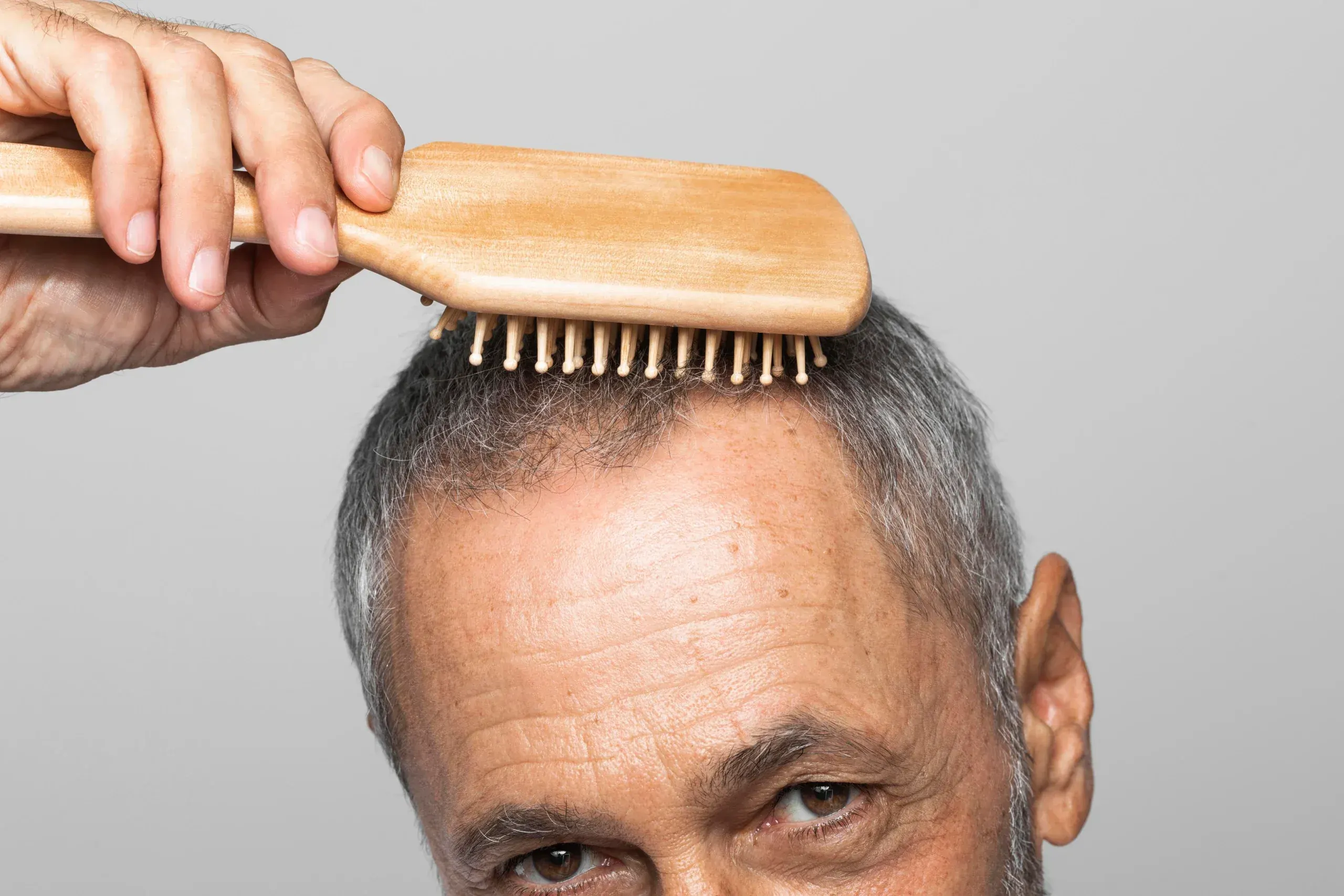
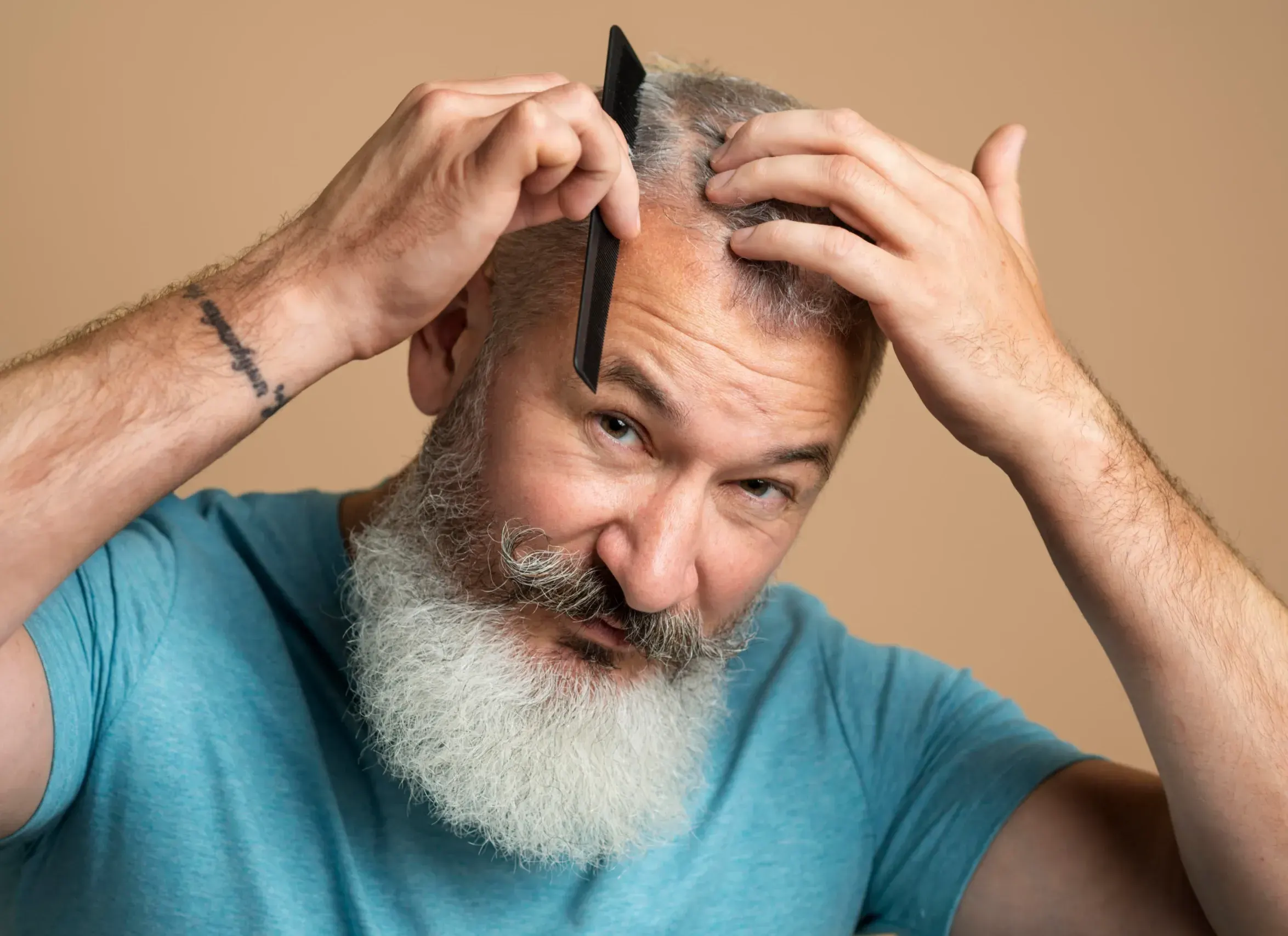
Hairline recession follows a predictable pattern classified by the Norwood Scale. Stage I represents a juvenile or adolescent hairline with no recession. Stage II shows slight recession at the temples — often called a "maturing hairline" — which is considered normal in many adult men. Stage III marks true hair loss, with deeper temporal recession that creates a noticeable M-shape or V-shape pattern.

The speed of progression varies significantly between individuals. Some men notice their hairline shifting in their early twenties and experience rapid advancement over five to ten years. Others may have a stable Stage II hairline for decades before any further recession occurs. Factors that accelerate progression include high stress levels, smoking, poor nutrition, and hormonal fluctuations. Without intervention, most men with a genetic predisposition will continue to progress, though the rate and ultimate extent remain individual. Early evaluation by a dermatologist allows you to understand exactly where you stand on the Norwood Scale and which treatments can slow, stop, or reverse the process.

Root Causes

What Causes a Receding Hairline?

Genetic, hormonal, and lifestyle factors that drive temporal hair loss

Androgenetic Alopecia

The primary cause — inherited sensitivity of frontal follicles to DHT leads to progressive miniaturization, affecting up to 80% of men by age 80.

DHT and 5-Alpha Reductase

The enzyme 5-alpha reductase converts testosterone to DHT, which binds to androgen receptors in susceptible hairline follicles, shortening the growth cycle.

Family History

Hair loss patterns are polygenic, inherited from both maternal and paternal lines. A family history of early recession strongly predicts your timeline.

Age and Hormonal Changes

Testosterone and DHT levels fluctuate with age. Some men experience accelerated recession during hormonal shifts in their 30s and 40s.

Traction and Styling Stress

Tight hairstyles, frequent pulling, or heat damage along the hairline can cause traction alopecia that mimics or compounds androgenetic recession.

Lifestyle Factors

Chronic stress, smoking, nutritional deficiencies (iron, zinc, vitamin D), and poor sleep can accelerate hair follicle miniaturization at the hairline.

Why Choose DSI Hair for Receding Hairline Treatment

Board-certified dermatologists with specialized hair restoration expertise

  • Dual Board-Certified Dermatologists
  • ARTAS Robotic Technology
  • Comprehensive Treatment Spectrum
  • Proven Patient Outcomes

Receding Hairline Treatment Options at DSI Hair

Compare our clinic services for hairline restoration

Treatment Best For How It Works Results Timeline Maintenance
Hair Transplant Norwood III+ with stable donor area FUE/FUT grafts relocated to hairline 8-12 months for full growth Permanent — no ongoing treatment
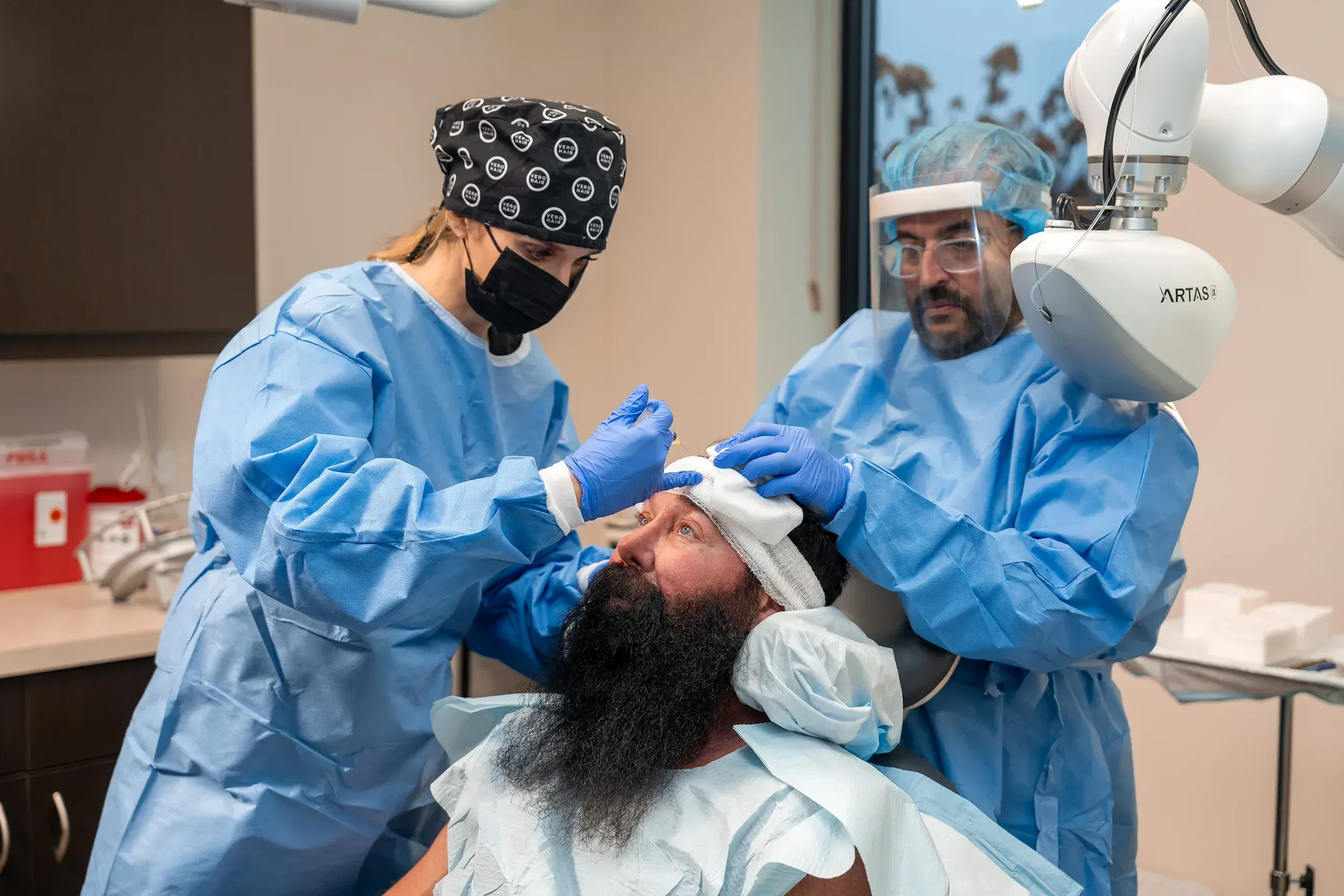
ARTAS Robotic Hair Transplant Precise hairline restoration, minimally invasive Robotic-assisted FUE with AI graft selection 8-12 months for full growth Permanent — single procedure
Finasteride (Propecia) Early recession, Norwood II-III, DHT reduction Blocks 5-alpha reductase to lower scalp DHT by ~60% 3-6 months to slow loss, 12 months for regrowth Daily oral medication, ongoing
Minoxidil (Rogaine) Supplemental hairline thickening, early stages Vasodilator that prolongs anagen growth phase 3-6 months for visible improvement Twice daily topical, ongoing

Signs You May Have a Receding Hairline

Recognizing early and advancing hairline recession

  • Temple Recession
  • Higher Forehead
  • Thinner Frontal Hair
  • Visible Scalp at Temples
  • Asymmetric Recession
  • Family Pattern Match

Receding Hairline Treatment FAQ

Answers from our board-certified dermatologists

01 Can a receding hairline be reversed?

In many cases, yes. Medications like finasteride can stop further recession and promote some regrowth in the early stages. For more advanced recession (Norwood III and beyond), a hair transplant can restore the hairline to a natural, age-appropriate position. The earlier you begin treatment, the more reversible the recession tends to be.

02 What is the best treatment for a receding hairline?

The best treatment depends on the degree of recession, your age, and your goals. For early-stage recession, finasteride combined with minoxidil is often the first-line approach. For moderate to advanced recession where follicles have been lost, a hair transplant — particularly with ARTAS robotic technology — delivers the most dramatic and permanent results. Dr. Khanna and Dr. Boshnick will recommend the optimal combination for your specific case.

03 Does finasteride stop a receding hairline?

Finasteride is clinically proven to stop hairline recession in the majority of men by blocking the conversion of testosterone to DHT. Studies show that approximately 83% of men maintained their existing hair after two years on finasteride, and about 66% experienced some degree of regrowth. It is most effective when started early in the recession process.

04 Can a hair transplant fix a receding hairline?

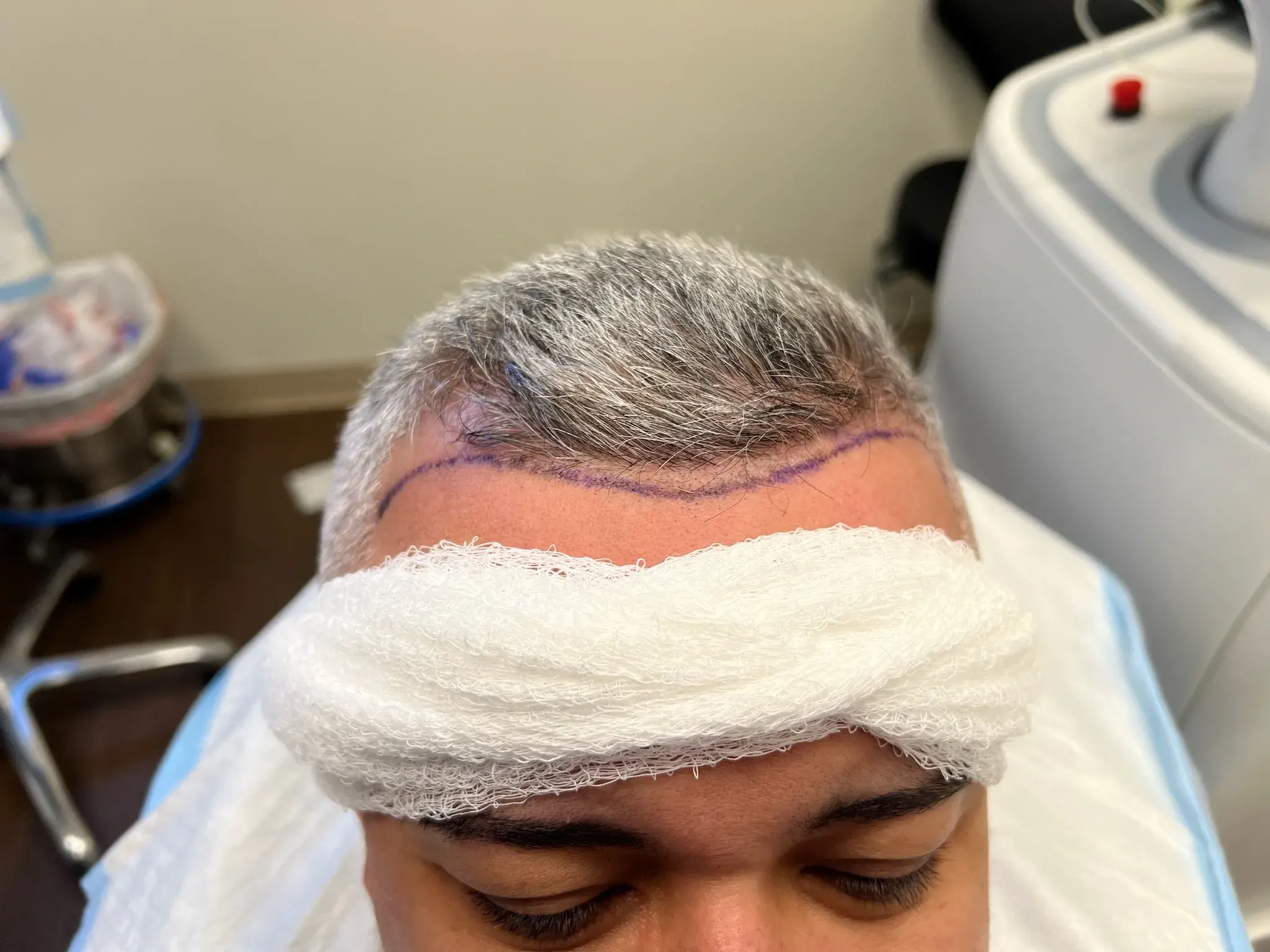
Yes. Hair transplant is the gold standard for restoring a receded hairline. At DSI Hair, we use both manual FUE and ARTAS robotic techniques to transplant DHT-resistant follicles from the donor area to the hairline. The transplanted hair is permanent and grows naturally. Most patients see full results within 8-12 months of the procedure.

05 At what age does a receding hairline start?

A receding hairline can begin as early as the late teens, though it most commonly becomes noticeable in the mid-to-late twenties. By age 30, approximately 25% of men show some degree of hairline recession. By age 50, roughly half of all men have noticeable recession. The timing is largely determined by genetics.

06 Does minoxidil work on a receding hairline?

Minoxidil can help thicken and strengthen existing hair along the hairline, and it may stimulate some regrowth of miniaturized follicles. However, it is generally more effective for crown thinning than frontal recession. For receding hairlines, minoxidil works best as a complement to finasteride or as a post-transplant support therapy rather than a standalone treatment.

Location2430 Esplanade Drive, Suite B
Algonquin, IL, 60102
New Patients(844) 307-7546
Existing Patients(847) 458-7546

Schedule Your Consultation

Scientific References