How Many PRP Sessions Do You Need for Hair Regrowth? Illinois Dermatologist Answers
How many PRP sessions does it take to see real results? DSI Hair dermatologists in Algonquin, IL explain the standard protocol, what to expect at each stage, and what factors affect your response.
Introduction
If you are considering PRP hair restoration, the most practical question you want answered before booking is simple: how many sessions will it take before I actually see results?
At DSI Hair in Algonquin, Illinois, this is the question our board-certified dermatologists answer most often during initial consultations. The honest answer involves understanding the biology of how PRP works, what factors influence response, and what a realistic treatment timeline actually looks like — not just for the first few sessions, but for maintaining results long-term.
What PRP Does to the Hair Follicle
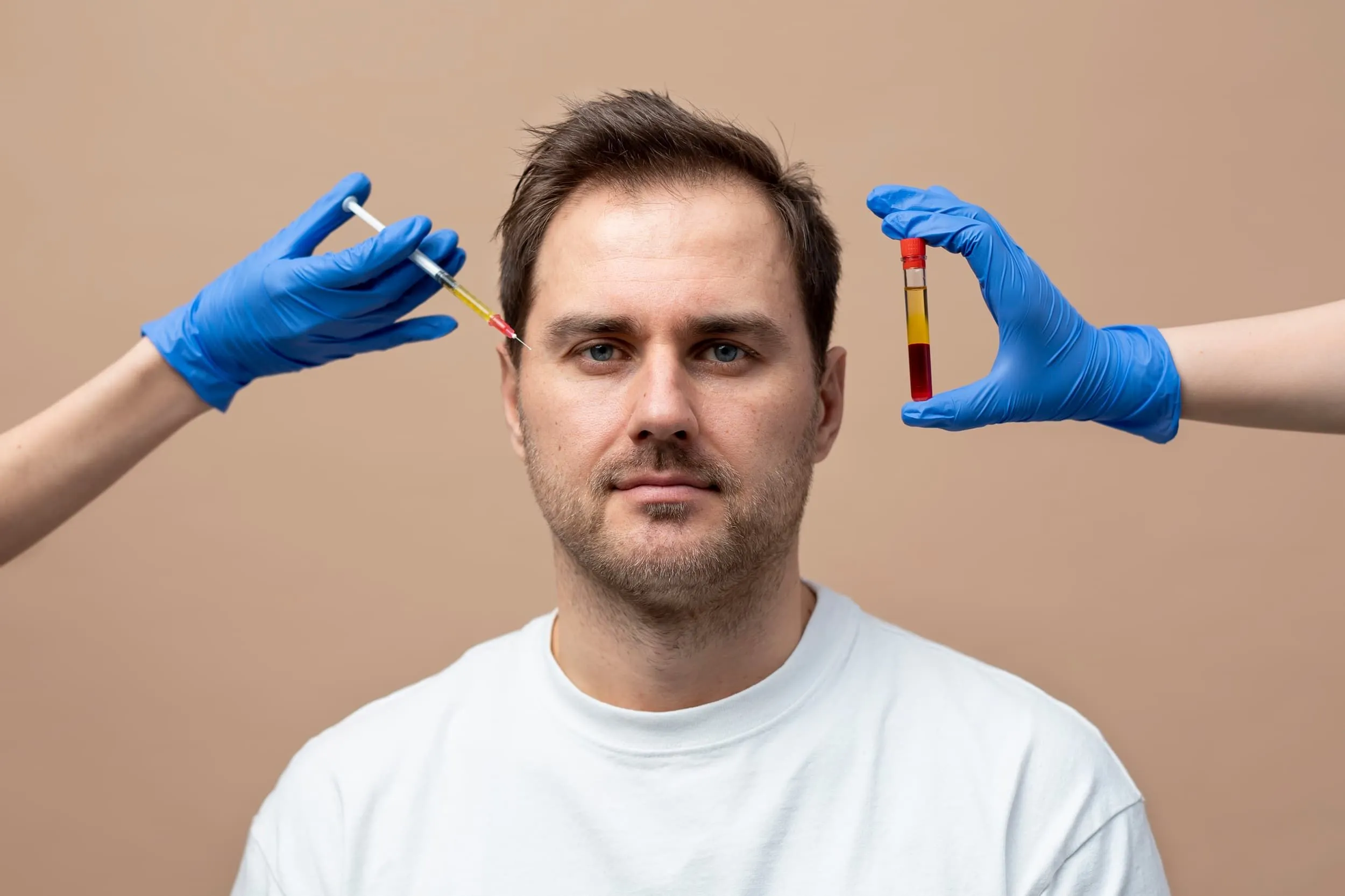
Platelet-Rich Plasma therapy works by harvesting growth factors from your own blood and delivering them in concentrated form directly to the scalp. The centrifuge process separates platelets from red blood cells, producing a PRP solution that is typically 3–5 times richer in platelets than normal blood.
When injected into areas of thinning or early loss, these growth factors — including PDGF, VEGF, TGF-β, and IGF-1 — stimulate several important changes in the follicle environment: they extend the anagen growth phase, improve blood supply to the follicle, reduce inflammation in the scalp, and increase the diameter of existing hair shafts.
The key word here is "stimulate." PRP is not a transplant and does not create new follicles where none exist. It works by activating and supporting follicles that are still viable but underperforming due to DHT exposure, poor scalp circulation, inflammation, or general follicle stress. This distinction is critical for setting realistic expectations.
The Standard Initial PRP Protocol: 3–4 Sessions
The most widely used evidence-based protocol for PRP hair restoration is an initial series of 3–4 sessions, spaced 4–6 weeks apart. This spacing allows each treatment to build on the previous one without overwhelming the follicle's response capacity.
At DSI Hair, the standard initial plan is 3–4 monthly sessions for most patients. Your dermatologist will assess your progress after the initial series and recommend whether additional sessions or a shift to maintenance frequency is appropriate based on your response.
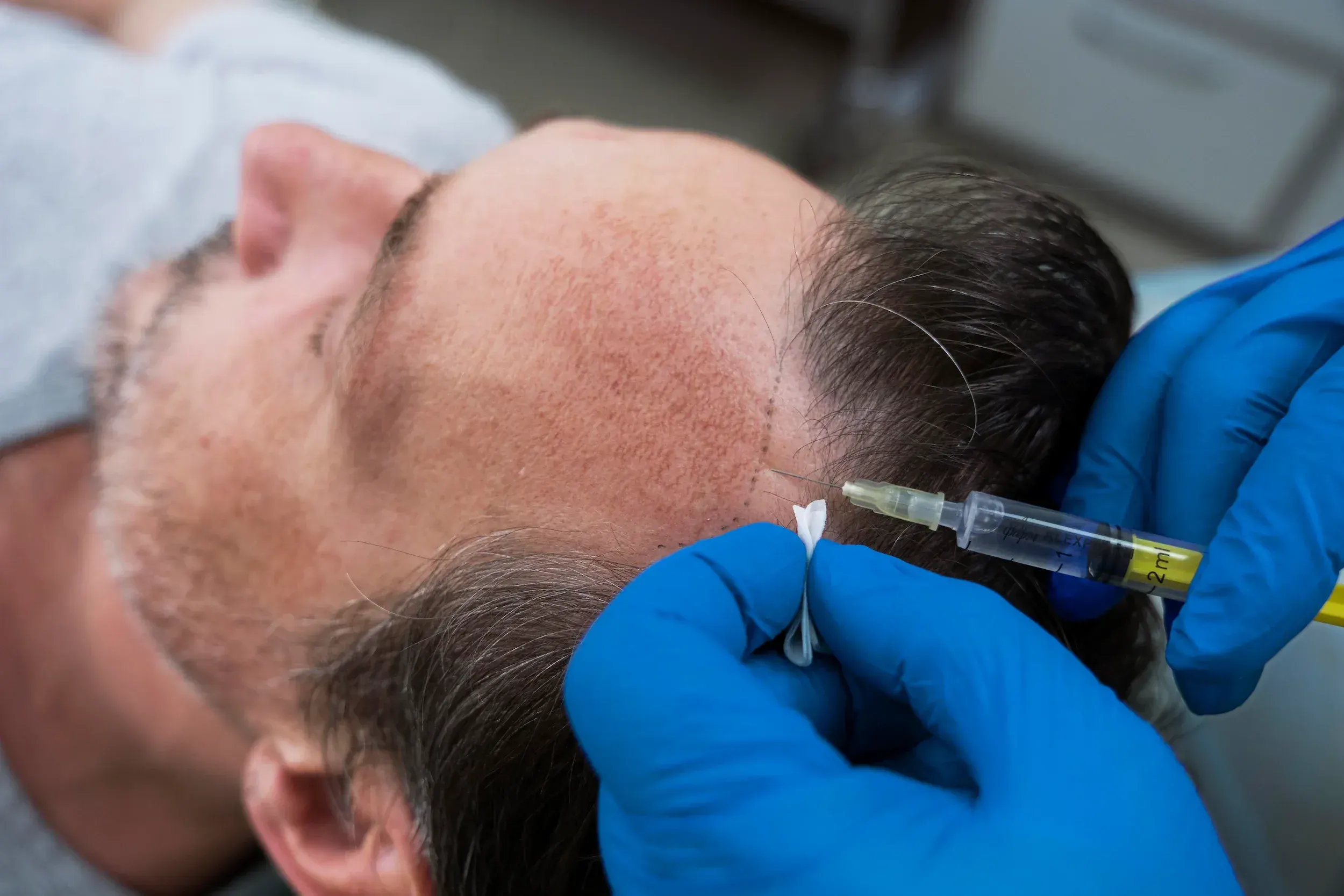
Each session follows the same process: a blood draw (typically 20–25 mL), centrifugation to isolate the PRP, scalp numbing with topical or local anesthetic, and careful injection into the target areas. The entire appointment takes approximately 60–90 minutes.
When Do You Start to See Results?
This is where realistic expectation-setting matters most. PRP works through a biological process, not an immediate mechanical change, and the results reflect that.
Weeks 1–4 (After First Session)
Most patients notice no visible change at this stage, and that is expected. The growth factors have been delivered and are beginning their work at the cellular level, but the hair growth cycle is slow — hair in the anagen phase grows approximately half an inch per month.
Some patients notice reduced shedding within the first few weeks, which can be an encouraging early signal that follicle activity is being supported.
Months 2–3 (After 2nd and 3rd Sessions)
This is typically when patients begin to notice the first meaningful changes: reduced shedding, a slight improvement in hair shaft thickness, and in some cases, the emergence of new fine hairs in areas of thinning. These early hairs are often described as "baby hairs" — fine and light, but present.
It is worth noting that these changes are progressive and gradual. They will not be dramatic at this stage, but they represent the foundation of the results to come.
Months 3–6 (Completing the Initial Series and Beyond)
The most significant and visible results typically emerge in the 3–6 month window after completing the initial treatment series. By this point, the cumulative effect of multiple PRP sessions has created a meaningfully improved follicle environment, and the hair shafts that have been growing throughout this period are now long enough to be visible.
Patients commonly describe their hair as looking noticeably thicker, fuller, and more dense. Areas of diffuse thinning that were becoming increasingly visible through styling often respond well at this stage.
Months 6–12
Results continue to improve through the first year as the hair that grew from stimulated follicles becomes progressively longer and the overall density continues to build. Many patients describe this window as when the full benefit becomes apparent and when they begin receiving comments from others about their hair looking different.
What Factors Affect How Many Sessions You Need?
Not every patient responds identically to PRP, and several variables influence how many sessions are needed and how dramatic the results are.
Stage of Hair Loss
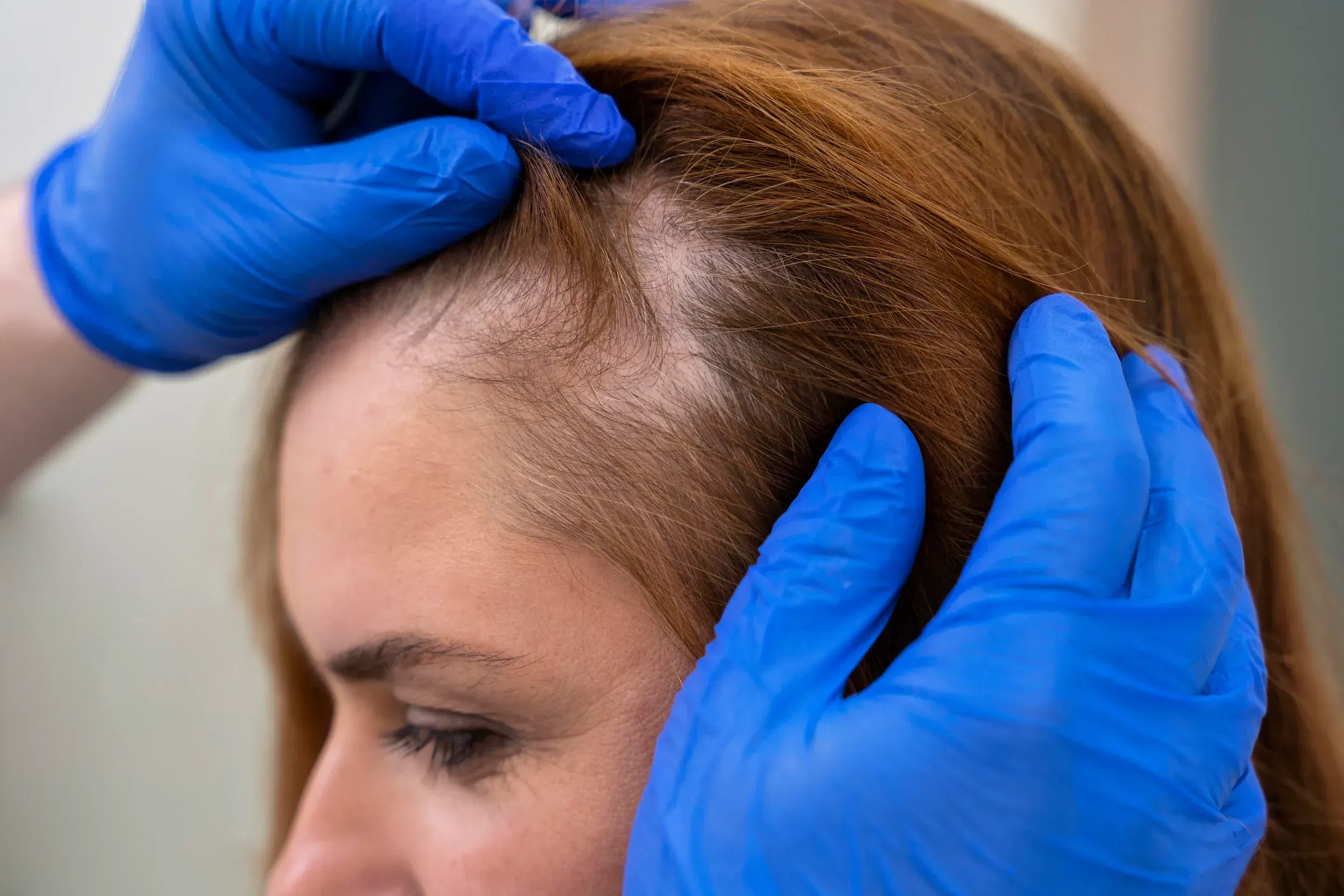
This is the single most important predictor of PRP response. PRP works best in patients with early to moderate androgenetic alopecia where follicles are miniaturizing but still viable. For patients with early receding hairline or early thinning hair, the response tends to be more robust than for those with more advanced loss.
Patients with significant baldness where follicles are no longer active will not respond well to PRP — and for these patients, our dermatologists at DSI Hair will typically recommend a hair transplant evaluation instead.
Age
Younger patients with active follicles typically respond faster and more dramatically than older patients whose follicles have been miniaturizing for longer. Age is not a disqualifier, but it is a factor in calibrating expectations.
Underlying Cause of Hair Loss
PRP is most effective for androgenetic alopecia (pattern hair loss). It can also be useful for telogen effluvium recovery and as a supportive treatment for other forms of hair loss. For conditions like scarring alopecia (where follicles have been permanently destroyed), PRP is generally not effective as a standalone treatment.
Whether PRP Is Combined with Other Treatments
PRP significantly enhances its effectiveness when combined with DHT-blocking medications like Finasteride (for men) or Spironolactone (for women), or with Oral Minoxidil. The rationale is straightforward: PRP supports and stimulates existing follicles, while DHT blockers prevent the hormonal damage that is miniaturizing those same follicles. Each treatment addresses a different part of the problem.
Similarly, patients who use the Revian Laser Cap for low level laser therapy between clinic sessions are supporting scalp circulation and follicle activity consistently — which can amplify PRP results compared to PRP alone.
Patient Health and Nutrition
Hair follicles are metabolically hungry. Patients with low ferritin, iron deficiency, vitamin D deficiency, or significant protein insufficiency will not respond as robustly to PRP because the follicles lack the nutritional building blocks to capitalize on the growth signals being delivered. Before starting PRP, our dermatologists will assess whether nutritional factors are playing a role.
Maintenance Sessions: What Happens After the Initial Series?
PRP results are not permanent. The growth factors delivered with each session support follicle activity during the months that follow, but they do not permanently alter the follicle's long-term programming. Without ongoing support, results tend to gradually fade over 6–12 months after the initial series.
This is why maintenance sessions are a critical part of any PRP plan. Most patients at DSI Hair maintain their results with sessions every 3–4 months once the initial series is complete. Some patients with robust early responses extend to every 4–6 months.
Think of PRP maintenance like regular exercise for your scalp: the initial intensive phase builds the foundation, and the maintenance sessions preserve what was gained. Patients who skip maintenance for 12+ months often find they need to restart a more intensive series to recover their progress.
PRP vs. Hair Transplant: When to Choose Each
PRP and hair transplants are not competing treatments — they serve different purposes and are often used together. As a general guide:
- PRP is the right primary treatment when hair loss is in early to moderate stages, follicles are still present and viable, and the patient prefers a non-surgical approach or wants to delay or avoid transplant surgery.
- ARTAS Hair Transplant is the right choice when hair loss is more advanced, when areas of the scalp have insufficient density to improve meaningfully with non-surgical treatments, or when the patient wants permanent, comprehensive coverage.
- Combining both is often ideal: PRP before and after an ARTAS transplant improves graft survival, supports the existing hair surrounding transplanted follicles, and maintains long-term scalp health.
Our dermatologists at DSI Hair will give you an honest assessment of which path makes the most sense for your specific situation — without pressure to pursue a more intensive option than you actually need.
Frequently Asked Questions
Can I see results from just one PRP session?
A single session can provide some benefit — many patients notice reduced shedding within weeks of their first treatment. However, meaningful, visible improvements in density and thickness typically require the full initial series of 3–4 sessions and the 3–6 months of follicle response that follows.
Is PRP worth it for women with hair loss?
Yes. PRP is effective for both men and women. Women with early to moderate female pattern hair loss often respond particularly well because the follicles in diffuse thinning patterns tend to still be viable. DSI Hair evaluates women's hair loss with treatments specifically calibrated for female hair loss patterns.
What is the difference between PRP at DSI Hair and at a regular medspa?
At DSI Hair, PRP is performed and overseen by board-certified dermatologists with specific expertise in hair loss. The centrifugation protocol, platelet concentration, injection technique, and scalp mapping are all clinically calibrated. This is meaningfully different from PRP administered by non-physician staff at general wellness clinics, where training and protocol standards vary widely.
How do I know if PRP is working?
The clearest early signal is a reduction in daily shedding, which often appears within 4–8 weeks