
When Does Hair Start Falling Out for Men?
Male hair loss can begin earlier than most men expect, sometimes in the late teens. Learn the timeline, the role of DHT, early warning signs, and what you can do to fight back.
Understanding the Hair Growth Cycle
Before diving into when and why men start losing their hair, it is essential to understand how hair growth works. Every hair on your head follows a three-phase cycle that repeats throughout your life.
Anagen Phase (Active Growth)
The anagen phase is the active growth period for each hair. It lasts between two and seven years, and the duration is largely determined by genetics. During this phase, cells in the hair follicle divide rapidly, pushing the hair shaft upward at a rate of about half an inch per month.
Approximately 85% to 90% of the hair on your head is in the anagen phase at any given time. The length of this phase determines how long your hair can grow before it naturally transitions to the next stage.
Catagen Phase (Transition)
This brief transitional phase lasts about two to three weeks. The hair follicle shrinks and detaches from its blood supply. Growth stops, and the hair is effectively cut off from its nutrient source. About 1% to 2% of your hair is in catagen at any time.
Telogen Phase (Rest and Shedding)
The telogen phase lasts approximately three months. The hair rests in the follicle while a new hair begins forming beneath it. At the end of telogen, the old hair sheds, and the follicle re-enters the anagen phase with a new hair. This natural shedding accounts for the 50 to 100 hairs that everyone loses daily.
In a healthy scalp, this cycle continues indefinitely. Hair loss occurs when something disrupts the cycle, either by shortening the anagen phase, prematurely pushing hairs into telogen, or damaging the follicle itself.
When Does Hair Loss Typically Start?
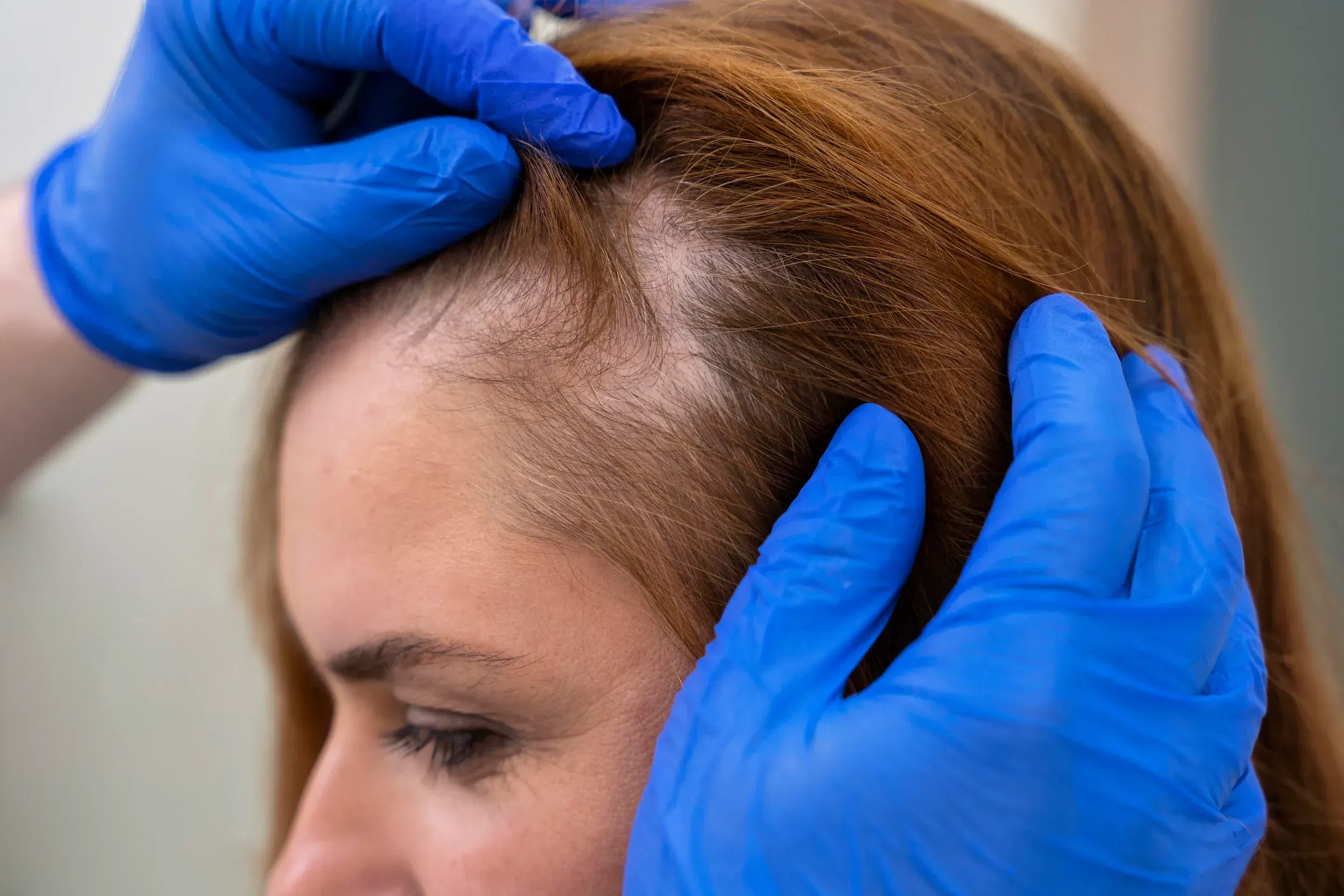
Male pattern hair loss (androgenetic alopecia) can begin much earlier than most men realize.
Late Teens to Early Twenties
For some men, the first signs of hair loss appear as early as 17 or 18. The hairline begins to shift from its rounded juvenile position to a more mature, slightly receded position. While some recession is a normal part of maturation, for genetically predisposed men, this can be the beginning of a progressive pattern.
By age 20, approximately 20% of men show some visible signs of hair thinning or recession.
Mid-Twenties to Thirties
This is when many men first notice meaningful changes. The hairline recession at the temples becomes more pronounced, and thinning at the crown may begin. By age 30, roughly 25% to 30% of men have noticeable hair loss.
This decade is often when men first seek treatment, as the changes become difficult to ignore or conceal with styling.
Forties and Fifties
Hair loss continues to progress for most affected men. By age 50, approximately 50% of men have significant hair loss. The receding hairline and crown thinning may merge, creating more extensive areas of visible scalp.
Sixties and Beyond
By age 60, roughly 65% to 70% of men experience significant thinning. By 85, the number exceeds 80%. The progression rate varies widely among individuals, with some men maintaining relatively stable patterns for decades.
The Role of DHT
Dihydrotestosterone (DHT) is the primary hormonal driver of male pattern hair loss. Understanding how it works is key to understanding both why hair falls out and how treatments work.
How DHT Works
Testosterone, the primary male sex hormone, is converted into DHT by the enzyme 5-alpha reductase. DHT is a more potent androgen than testosterone and plays important roles in male development during puberty. However, it also has a destructive effect on genetically susceptible hair follicles.
When DHT binds to androgen receptors in susceptible follicles, it initiates a process called miniaturization:
- The anagen phase progressively shortens with each hair cycle
- The follicle physically shrinks in size
- Each new hair produced is thinner, shorter, and lighter
- Eventually, the follicle produces only a tiny, barely visible vellus hair
- In advanced cases, the follicle may stop producing visible hair entirely
Why Only Certain Follicles Are Affected
DHT circulates throughout the entire scalp, yet hair loss follows a specific pattern, affecting the top and front while sparing the back and sides. This is because follicle sensitivity to DHT is genetically programmed and varies by location on the scalp.
Follicles at the temples, frontal scalp, and crown have high densities of androgen receptors and are susceptible to DHT. Follicles at the back and sides of the head are genetically resistant to DHT, which is why they maintain growth even in men with advanced baldness. This resistance is also why these follicles serve as the donor area for hair transplant surgery.
Other Types of Hair Loss in Men
While androgenetic alopecia is the most common, other conditions can cause hair loss in men.
Alopecia Areata
An autoimmune condition causing circular patches of hair loss. It can occur at any age and is not related to DHT. The immune system attacks hair follicles, causing them to stop producing hair. It often resolves spontaneously but can recur and may progress to more extensive loss.
Telogen Effluvium
Diffuse shedding triggered by physical or emotional stress, illness, nutritional deficiencies, or medication changes. It typically appears two to three months after the trigger and is usually temporary, resolving within six to twelve months once the cause is addressed.
Thyroid-Related Hair Loss
Both hypothyroidism and hyperthyroidism can cause diffuse hair thinning in men. This type of hair loss is often accompanied by other symptoms such as fatigue, weight changes, and temperature sensitivity. It responds to thyroid medication.
Female Pattern Hair Loss (in Context)
While this article focuses on men, it is worth noting that women experience pattern hair loss differently. Female pattern hair loss typically presents as diffuse thinning along the top of the scalp with preservation of the frontal hairline, following the Ludwig scale rather than the Norwood scale.
Early Warning Signs
Recognizing hair loss early gives you the best chance of successful treatment. Watch for these signs:
- Receding hairline - The hairline begins to move back at the temples, creating a more pronounced M-shape
- Thinning at the crown - Hair at the top of the head becomes less dense, and scalp becomes more visible
- Increased shedding - Finding more hair than usual on your pillow, in the shower, or on your comb
- Miniaturized hairs - Thinner, shorter, lighter hairs interspersed with normal hair, particularly along the hairline and at the crown
- Scalp visibility - Increased visibility of the scalp through the hair, especially in certain lighting
- Changes in hair texture - Hair feeling thinner or less substantial overall
- Widening part - The part line appears wider than it used to
Comparing current photos to older ones can help you identify changes that may be too gradual to notice day-to-day.
Treatment Options
Multiple effective treatments are available for men experiencing hair loss, and the best outcomes come from early intervention.
Finasteride
Finasteride is an oral prescription medication that blocks 5-alpha reductase, reducing DHT levels by approximately 60% to 70%:
- FDA-approved at 1mg daily for male pattern hair loss
- Stops progression in approximately 86% of men
- Promotes visible regrowth in approximately 65%
- Results appear at three to six months, with full effects at twelve to eighteen months
- Topical formulations available with potentially fewer systemic side effects
- Must be used continuously to maintain benefits
Minoxidil
Minoxidil is an FDA-approved topical treatment available without a prescription:
- Available in 2% and 5% liquid and foam formulations
- Works by increasing blood flow to follicles and extending the growth phase
- Effective for both hairline and crown thinning
- Results typically visible at three to six months
- Can be combined with finasteride for enhanced results
- Oral minoxidil (low-dose) is also available by prescription
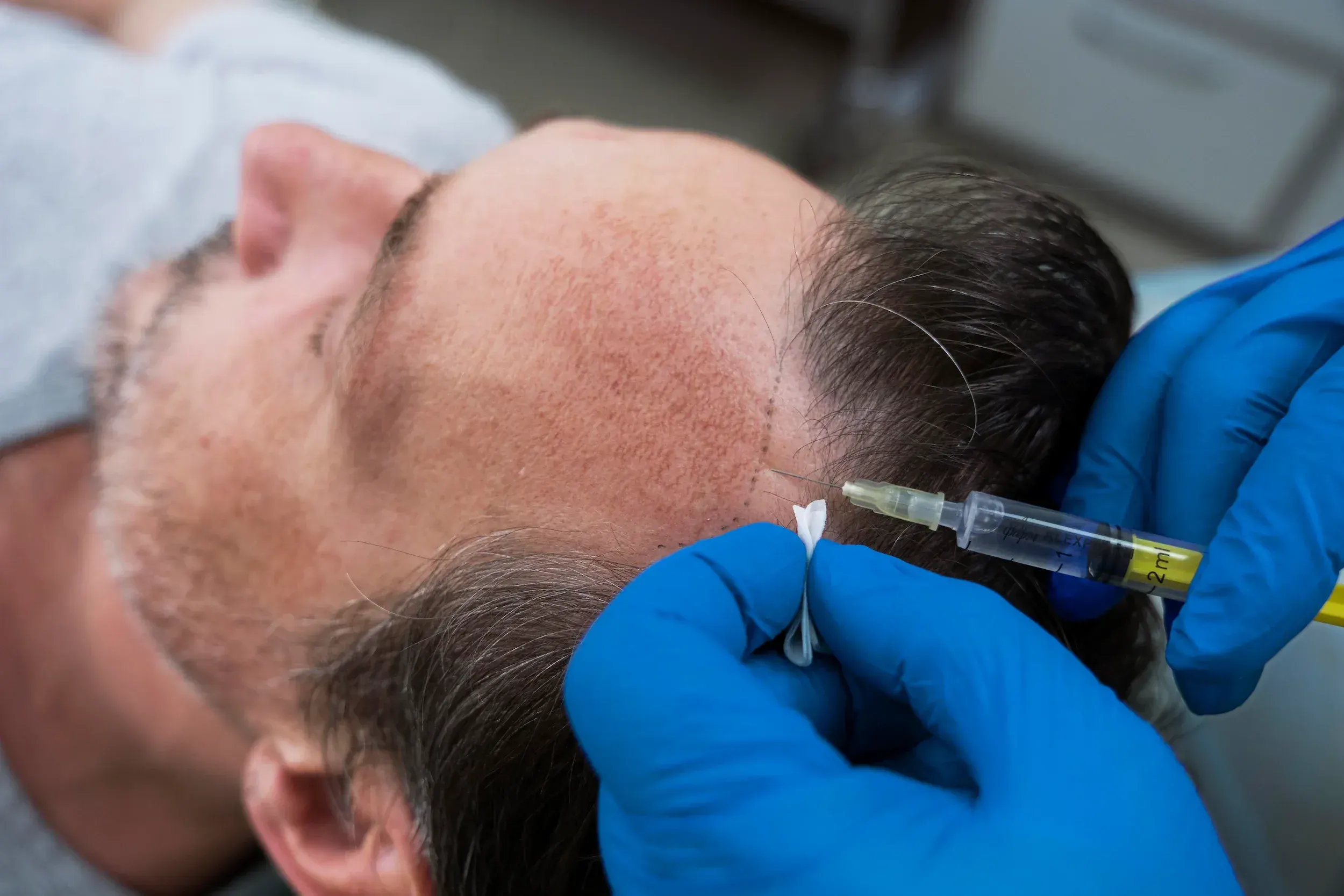
Hair Transplant Surgery
For more advanced hair loss, hair transplant surgery offers a permanent solution:
FUE (Follicular Unit Extraction):
- Individual follicular units extracted from the donor area
- No linear scar
- Faster healing time
- Natural-looking results
- Can be performed with robotic assistance (ARTAS) for enhanced precision
FUT (Follicular Unit Transplantation):
- A strip of donor tissue is removed and follicular units are dissected
- Higher graft yields possible per session
- Leaves a linear scar (concealable with hair)
- Well-established technique with decades of proven results
Both techniques produce permanent, natural-looking results when performed by an experienced surgeon.
Low-Level Laser Therapy (LLLT)
FDA-cleared laser devices for home use stimulate follicular activity:
- Available as caps, helmets, and combs
- Non-invasive with minimal side effects
- Best results when combined with other treatments
- Requires consistent use several times per week
Hair Care Tips
Simple adjustments to your daily routine can support hair health:
- Use a gentle, sulfate-free shampoo
- Avoid excessive heat styling
- Eat a diet rich in protein, iron, zinc, and biotin
- Manage stress through exercise and relaxation
- Avoid tight hairstyles that pull on the hairline
- Consider supplements if blood work reveals deficiencies
- Protect your scalp from sun damage
When to See a Dermatologist
Seek professional evaluation if:
- You notice progressive thinning or recession in your teens or twenties
- Hair loss is sudden or patchy rather than gradual
- You want to understand your specific type and stage of hair loss
- Over-the-counter treatments have not produced results after six months
- Hair loss is accompanied by other symptoms (fatigue, weight changes, scalp issues)
- You are interested in prescription treatments or advanced options
- You want a comprehensive treatment plan tailored to your situation
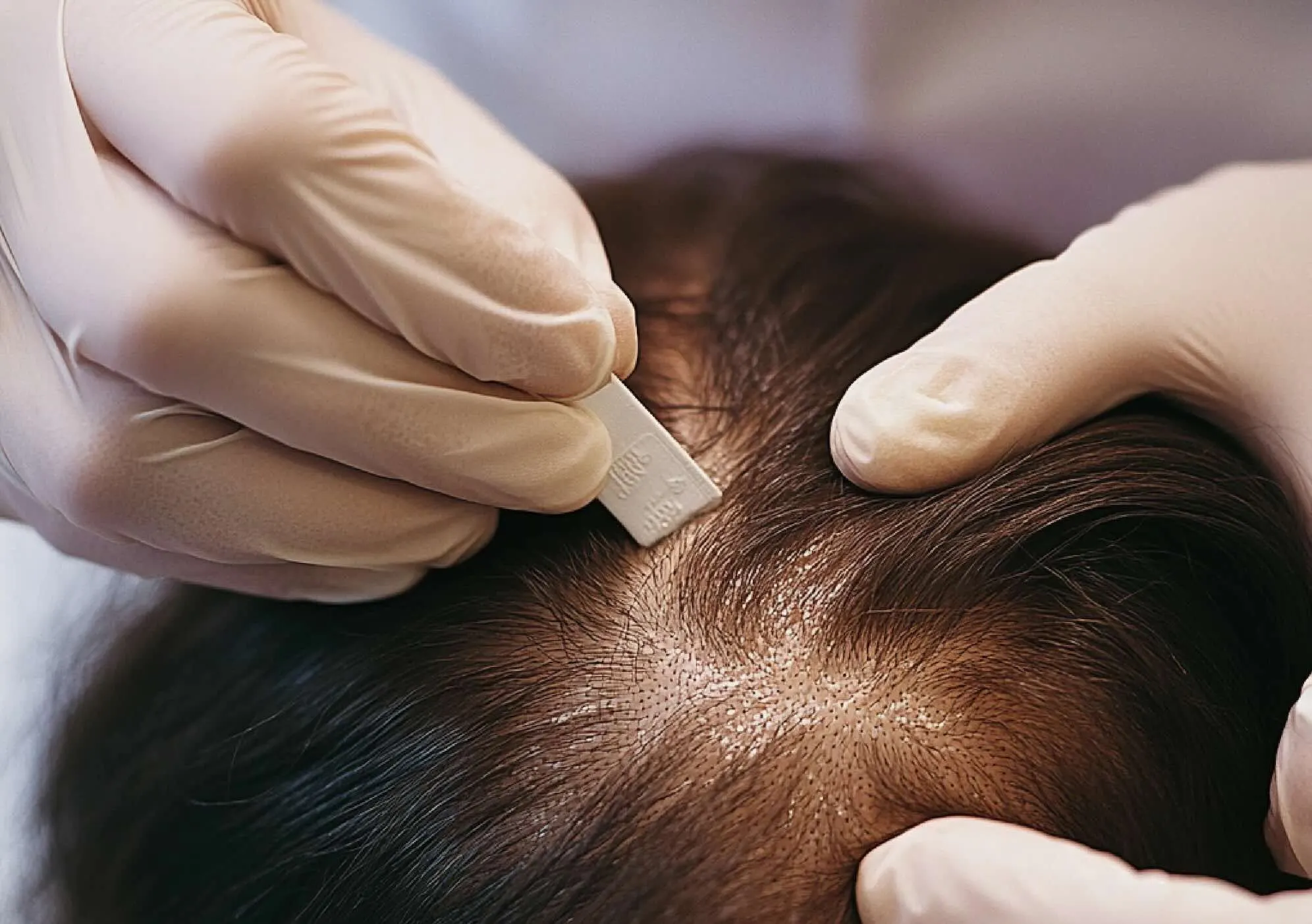
A dermatologist or hair restoration specialist can perform a thorough evaluation, provide a definitive diagnosis, and create a personalized treatment plan.
Frequently Asked Questions
Can hair loss in your twenties be reversed?
Yes, particularly if caught early. Medical treatments like finasteride and minoxidil can stop progression and promote regrowth in many young men. The earlier you start treatment, the more hair you can preserve.
Does wearing a hat cause hair loss?
No. Wearing hats does not cause hair loss. This is a common myth. The only exception would be extremely tight headwear worn constantly, which could theoretically contribute to traction alopecia, but this is extremely rare.
Is hair loss from stress permanent?
Stress-related hair loss (telogen effluvium) is almost always temporary. Once the stressor is resolved, hair typically regrows fully within six to twelve months. However, chronic ongoing stress can potentially worsen genetic hair loss.
Can diet alone prevent hair loss?
Diet alone cannot prevent genetic hair loss (androgenetic alopecia), which is driven by hormones and genetics. However, a nutritious diet supports optimal hair health and ensures that nutritional deficiencies do not compound genetic factors.
How quickly does male pattern baldness progress?
The rate of progression varies enormously among individuals. Some men progress from early thinning to significant baldness within five to ten years. Others may remain at a mild stage for decades. Medical treatment can significantly slow or halt progression.
Male hair loss is common, begins earlier than most expect, and is highly treatable when caught early. Understanding the timeline and recognizing the early signs empowers you to take action at the stage when treatments are most effective. Whether you choose medical therapy, lifestyle changes, or advanced procedures, the most important step is the first one: acknowledging the change and seeking appropriate guidance.