Uneven Hairline: What It Means and What You Can Do
An uneven hairline can be caused by genetics, hormones, hairstyling habits, or medical conditions. Learn why your hairline may be asymmetrical and explore effective treatment options.
Why Is Your Hairline Uneven?
If you have noticed that your hairline is not perfectly symmetrical, you are not alone. Very few people have a perfectly even hairline, and some degree of asymmetry is entirely normal. However, when the unevenness becomes more pronounced or progresses over time, it may indicate an underlying condition that warrants attention.
Understanding why your hairline is uneven is the first step toward determining whether treatment is needed and, if so, which approach will be most effective.
Androgenetic Alopecia
The most common cause of a progressively uneven hairline is androgenetic alopecia, or pattern hair loss. This condition is driven by the hormone dihydrotestosterone (DHT), which causes susceptible hair follicles to miniaturize over time.
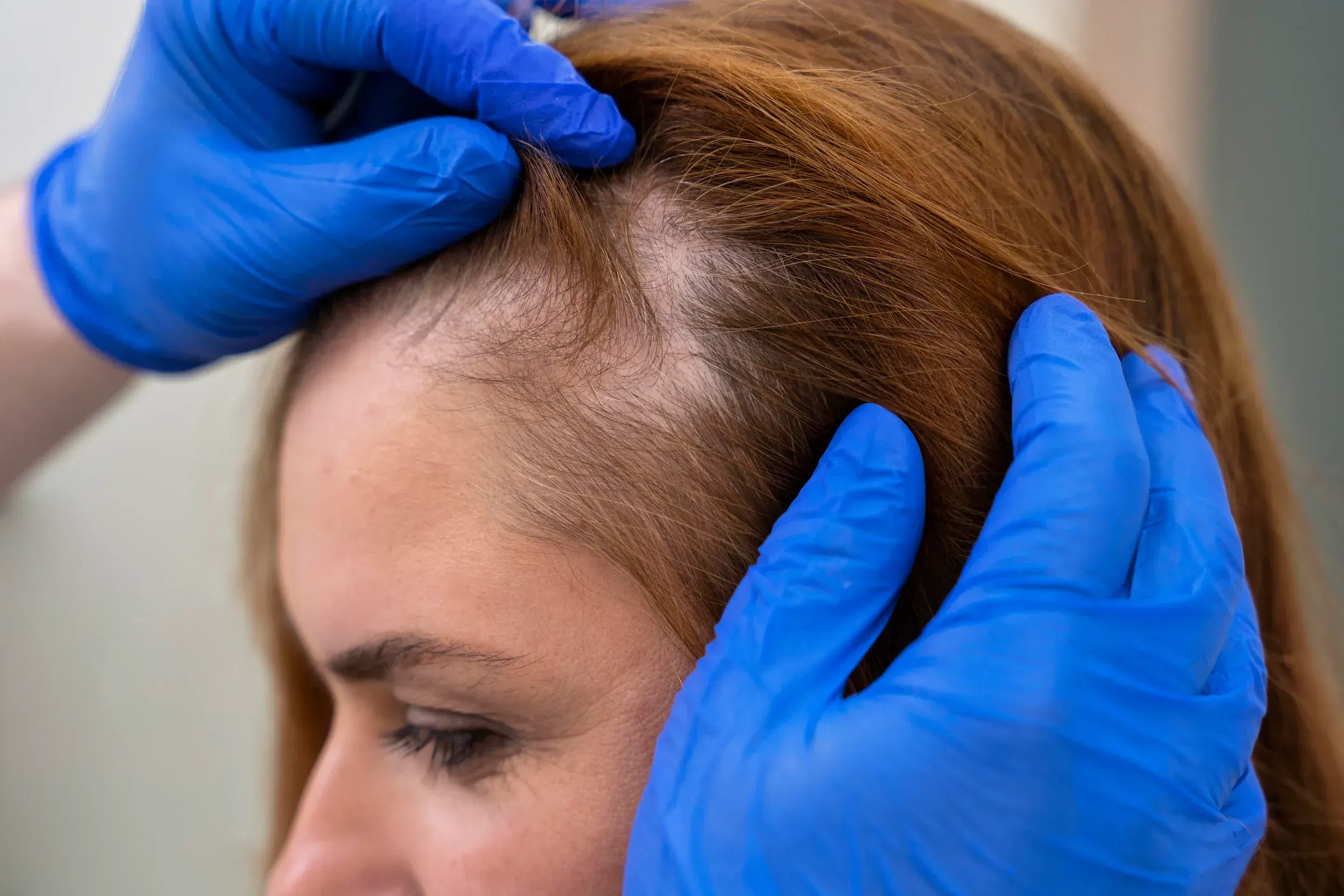
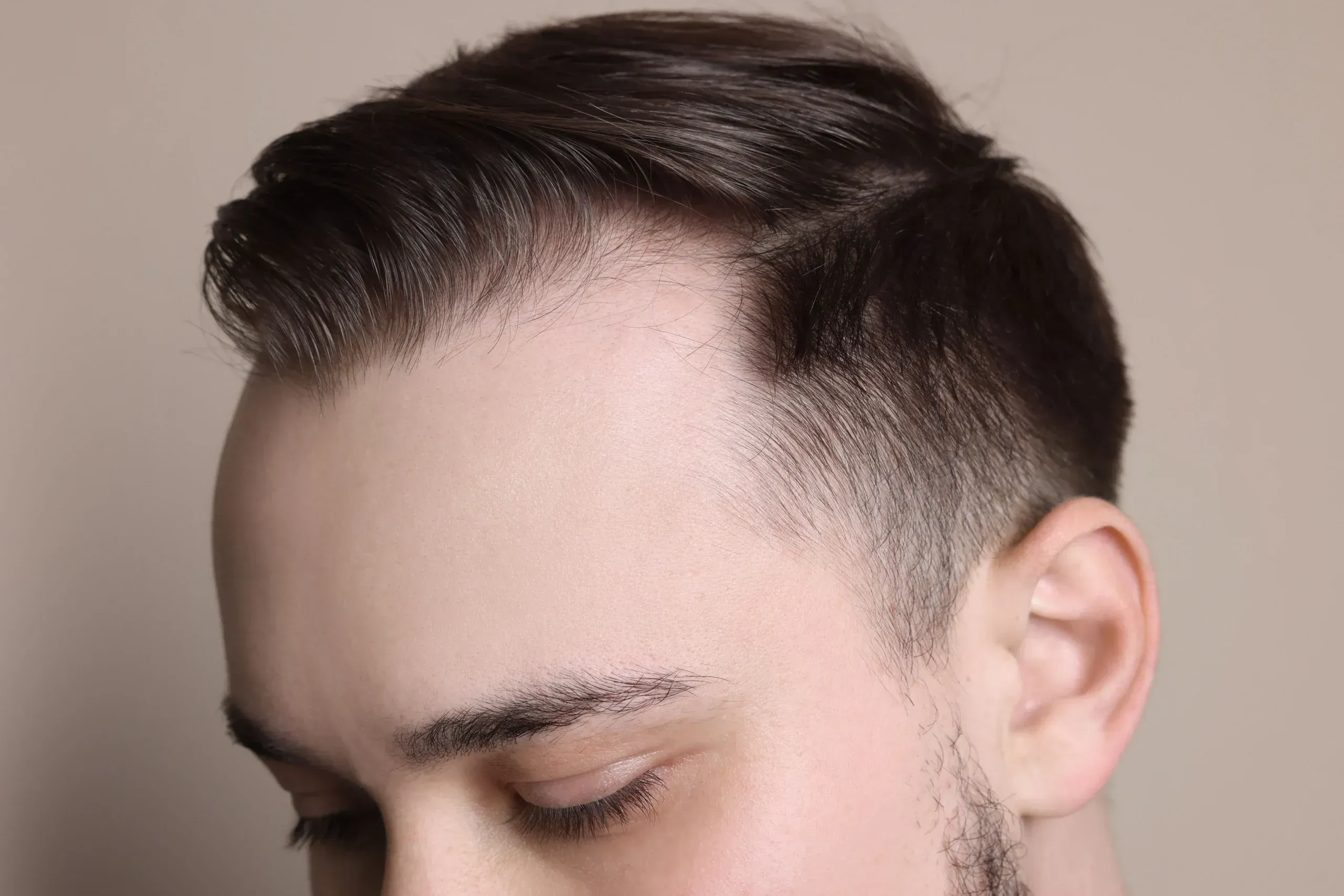
Androgenetic alopecia often affects one side of the hairline more than the other, particularly in the early stages. This is because follicle sensitivity to DHT is not perfectly uniform across the scalp. You may notice more recession at one temple than the other, or thinning that is more pronounced on one side.
In men, androgenetic alopecia typically follows the Norwood scale pattern, starting with temporal recession and potentially progressing to crown thinning and more extensive loss. In women, it more commonly presents as diffuse thinning along the part line (Ludwig scale).
Traction Alopecia
Traction alopecia is hair loss caused by prolonged or repeated tension on the hair. It commonly affects people who regularly wear:
- Tight ponytails or buns
- Braids, cornrows, or dreadlocks
- Hair extensions or weaves
- Tight headbands or clips
Because most people part their hair in the same place and style it in consistent patterns, the tension is often uneven across the hairline. This can result in noticeably more recession or thinning on one side. The temporal areas and edges of the hairline are particularly vulnerable to traction damage.
Telogen Effluvium
Telogen effluvium is a temporary condition in which a significant number of hair follicles enter the resting phase simultaneously, usually triggered by stress, illness, hormonal changes, or nutritional deficiencies. While it typically causes diffuse shedding, the visual impact can appear uneven depending on pre-existing hair density patterns.
Maturing Hairline vs. Receding Hairline
Not every change in your hairline indicates a problem. It is important to distinguish between a maturing hairline and a receding one:
Maturing hairline:
- Occurs naturally in most men during their late teens to mid-twenties
- The hairline moves back approximately one to one and a half centimeters from its juvenile position
- The recession is relatively uniform and typically stops progressing
- The hairline remains well-defined
Receding hairline:
- Continues to progress beyond the maturing stage
- Often shows deeper recession at the temples
- May be accompanied by thinning at the crown
- Hair behind the hairline shows signs of miniaturization
- The hairline becomes less defined over time
Common Causes of an Uneven Hairline
Genetics
Your genes play the most significant role in determining your hairline shape and any asymmetry. The number, distribution, and DHT sensitivity of your hair follicles are all genetically programmed. If one or both of your parents had an uneven or receding hairline, you are more likely to experience the same.
Hair loss genes are polygenetic, meaning multiple genes from both parents contribute to your outcome. This is why siblings can have very different hair loss patterns despite sharing parents.
Hormones
Hormonal factors beyond DHT can influence hairline symmetry:
- Thyroid imbalances can cause uneven thinning
- Estrogen fluctuations during pregnancy, postpartum, or menopause affect hair density
- PCOS in women can cause androgen-driven hair thinning, often unevenly distributed
- Cortisol elevation from chronic stress can exacerbate existing patterns of loss
Tight Hairstyles
As discussed under traction alopecia, consistent styling habits create uneven stress on the hairline. Even moderate tension, when applied repeatedly over months or years, can cause permanent follicle damage.
Chemical Damage
Harsh chemical treatments can damage the hairline:
- Relaxers and straighteners applied close to the hairline
- Bleach and hair dye that irritate the scalp
- Strong hold styling products that clog follicles when not properly cleansed
Scalp Infections
Fungal infections (tinea capitis), bacterial infections, and folliculitis can cause localized hair loss that creates an uneven appearance. These conditions cause inflammation that damages follicles in the affected area.
The Role of DHT
DHT deserves special attention because it is the primary hormonal driver of pattern hairline changes. Understanding how it works helps explain why hairlines often become uneven:
- DHT is produced when testosterone encounters the enzyme 5-alpha reductase
- Follicles at the temples and frontal scalp tend to have higher concentrations of androgen receptors
- The distribution of these receptors is not perfectly symmetrical
- Local 5-alpha reductase activity varies across the scalp
- As DHT binds to receptors, it triggers miniaturization at different rates across different areas
This explains why one temple may recede faster than the other, or why thinning may be more noticeable on one side of the part line.
Treatment Options
Several effective treatments can address an uneven hairline, depending on the underlying cause.
Minoxidil
Minoxidil is an FDA-approved topical treatment available in 2% and 5% formulations. It works by:
- Increasing blood flow to hair follicles
- Extending the anagen (growth) phase
- Stimulating dormant follicles to resume production
Minoxidil is particularly useful for the hairline because it can be applied precisely to the areas of concern. Results typically begin to appear after three to six months of consistent twice-daily application.
Finasteride
Finasteride is an oral prescription medication that blocks 5-alpha reductase, reducing DHT by approximately 60-70%. It is most effective at slowing or stopping the progression of hair loss and can promote modest regrowth. For hairline recession driven by DHT, finasteride addresses the root cause.
Topical finasteride formulations are also available and may provide localized DHT reduction with fewer systemic effects.
Hair Transplant Surgery
For more significant hairline unevenness, hair transplant surgery offers a permanent solution. Modern techniques allow surgeons to create natural-looking, symmetrical hairlines by transplanting individual follicular units.
Key considerations for hairline transplants:
- Artistic design is critical as the hairline frames the face
- Single-hair grafts are placed at the very front for a natural, feathered appearance
- FUE technique allows precise placement without a linear scar
- Results are permanent since donor follicles are DHT-resistant
PRP Therapy
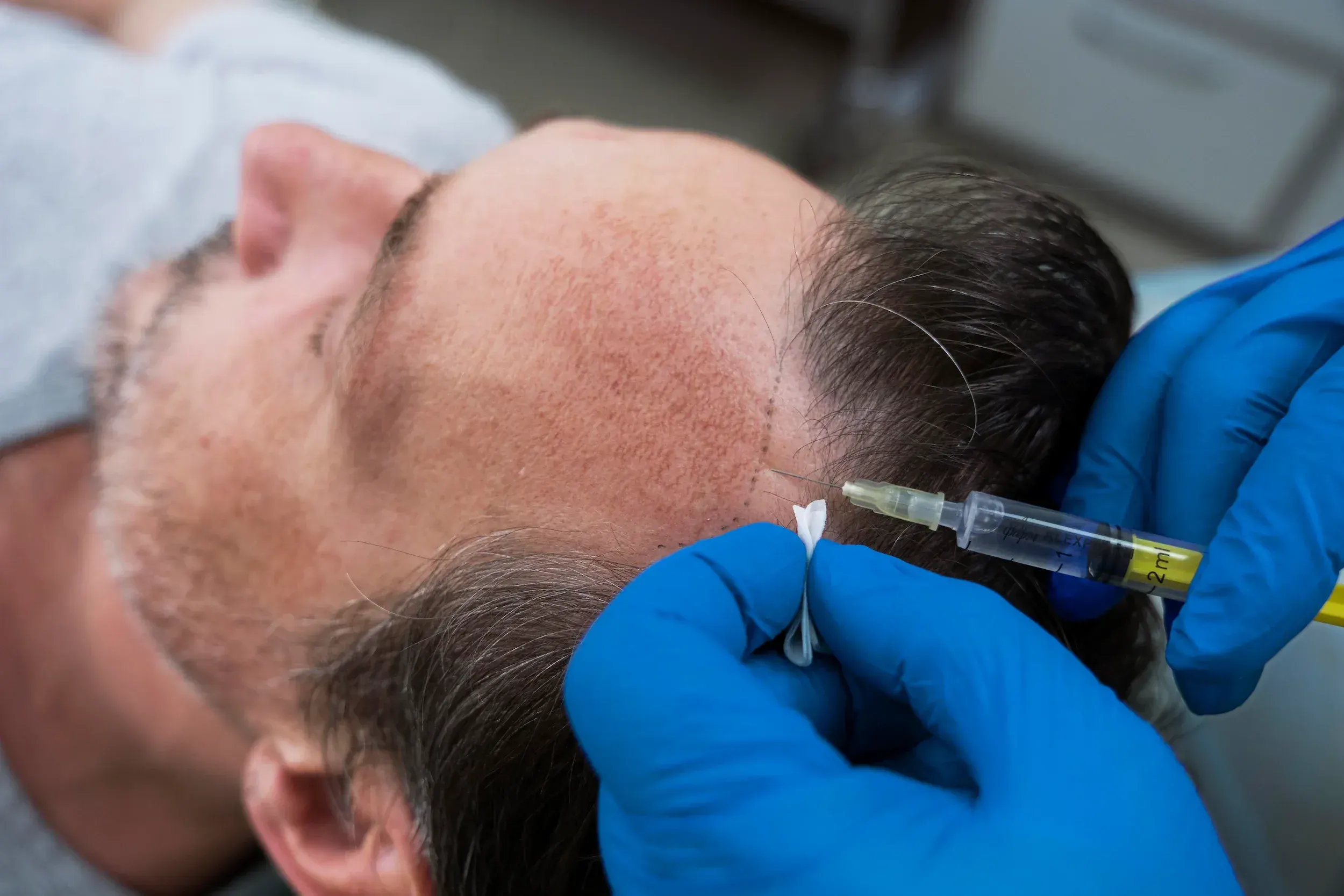
Platelet-rich plasma therapy involves concentrating growth factors from your own blood and injecting them into areas of thinning. PRP can stimulate dormant follicles and improve the health of existing hair. It is often used in combination with other treatments for enhanced results.
Laser Therapy
Low-level laser therapy (LLLT) uses specific wavelengths of light to stimulate cellular activity in hair follicles. FDA-cleared devices are available for home use as caps, combs, and helmets. LLLT is most effective as a complementary treatment.
Lifestyle Tips
- Loosen your hairstyles to reduce traction on the hairline
- Avoid chemical treatments near the hairline
- Eat a balanced diet rich in protein, iron, zinc, and biotin
- Manage stress through exercise and relaxation techniques
- Protect your hairline from sun damage
- Use gentle hair products and avoid harsh scrubbing at the hairline
When to See a Dermatologist
Consider seeking professional evaluation if:
- Your hairline unevenness is progressing noticeably
- You see significant recession or thinning that was not present before
- The change is sudden rather than gradual
- You notice inflammation, redness, or scaling along the hairline
- Patches of complete hair loss appear
- You want a definitive diagnosis and personalized treatment plan
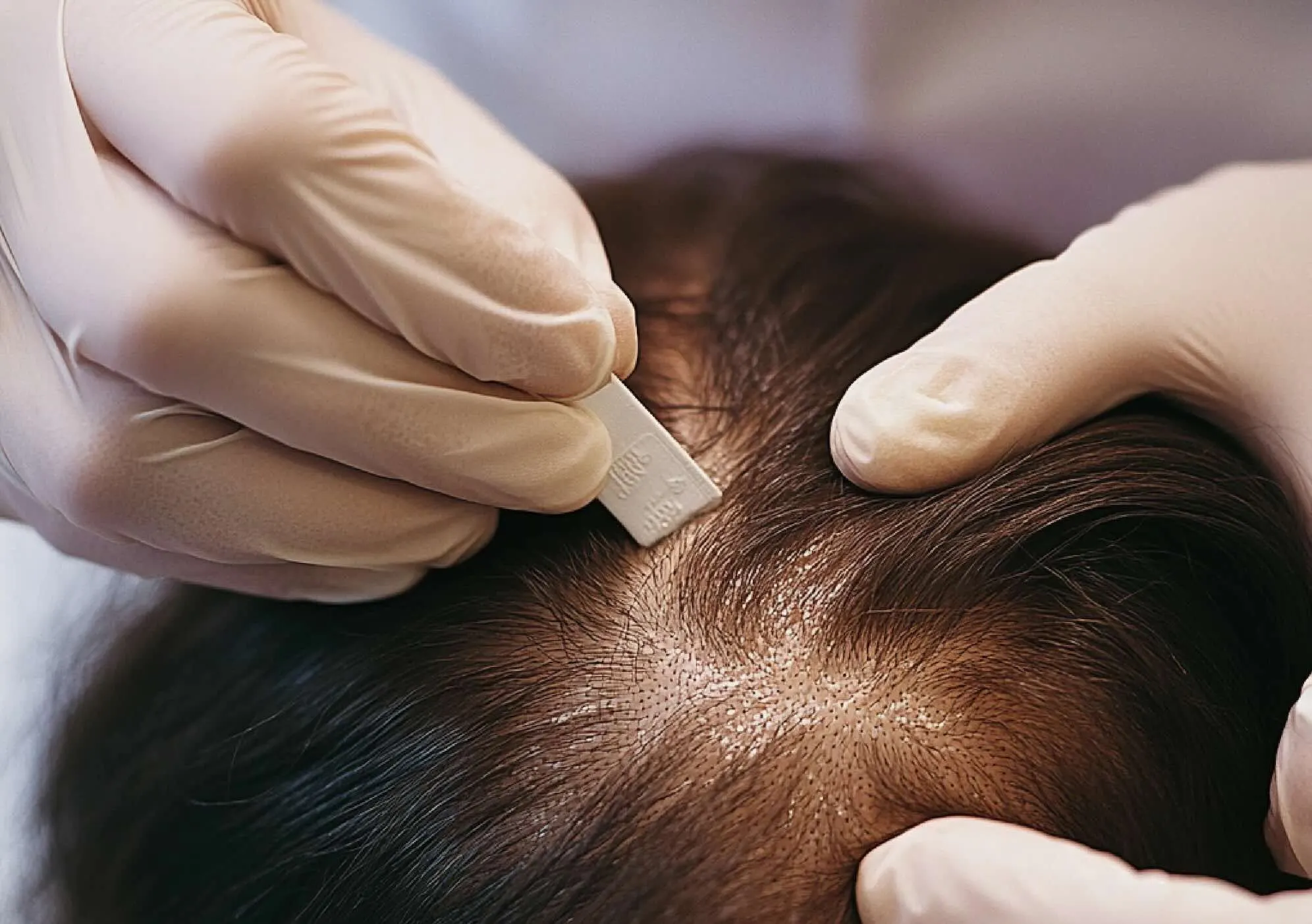
A dermatologist can perform trichoscopy, blood work, and potentially a scalp biopsy to determine the exact cause of your hairline changes.
The Self-Esteem Connection
It is worth acknowledging that hairline changes can have a significant emotional impact. Your hairline is one of the most visible features of your appearance, and changes to it can affect confidence and self-image.
If hairline concerns are affecting your quality of life, know that effective treatments exist and that seeking help is a sign of self-care, not vanity. Modern hair restoration options can produce remarkably natural results that help you feel like yourself again.
Whether you pursue medical treatment, surgical options, or simply adjust your styling approach, taking action on hairline concerns tends to be empowering. The important thing is to start with an accurate diagnosis so that your chosen approach targets the actual cause.