Stress and Hair Loss: How to Manage Stress for Healthier Hair
Stress is one of the most common yet overlooked causes of hair loss. Understand the connection between cortisol and your hair growth cycle, and learn practical strategies for recovery.
The Link Between Stress and Hair Loss
The connection between stress and hair loss is not just anecdotal. It is well-documented in medical literature and supported by decades of clinical observation. When your body is under significant physical or emotional stress, it can disrupt the hair growth cycle in measurable ways.
The primary mechanism involves cortisol, the body's main stress hormone. When you experience stress, your adrenal glands release cortisol as part of the fight-or-flight response. In short bursts, this is a normal and healthy reaction. However, when stress becomes chronic, sustained cortisol elevation can have wide-ranging effects on your health, including your hair.
How Cortisol Disrupts Hair Growth
Cortisol affects the hair growth cycle through several mechanisms:
- Premature catagen induction - Cortisol signals can push hair follicles out of the active growth phase (anagen) and into the regression phase (catagen) prematurely
- Extended telogen - Elevated cortisol can keep follicles in the resting phase (telogen) for longer than normal, delaying the start of new growth
- Reduced blood flow - Chronic stress constricts blood vessels, reducing the oxygen and nutrient supply to hair follicles
- Inflammation - Cortisol paradoxically promotes inflammation when chronically elevated, which can damage follicles and impair growth
- Nutrient depletion - The stress response diverts resources from non-essential functions (like hair growth) to vital organs
- Hormonal cascade - Cortisol interacts with other hormones including thyroid hormones, estrogen, and testosterone, creating secondary effects on hair
Common Types of Stress-Related Hair Loss
Telogen Effluvium
Telogen effluvium is the most common form of stress-related hair loss. It occurs when a significant number of hair follicles are pushed into the telogen (resting) phase simultaneously, resulting in excessive shedding two to three months after the triggering event.
Characteristics of telogen effluvium:
- Diffuse shedding from all areas of the scalp (not patchy)
- Sudden onset typically two to three months after a stressful event
- High volume of hair fall, often 200-400+ hairs per day
- Temporary in most cases, resolving within six to nine months once the stressor is addressed
- No permanent follicle damage as the follicles remain healthy
Common triggers include:
- Death of a loved one
- Divorce or relationship breakdown
- Job loss or financial crisis
- Major surgery or hospitalization
- Severe illness or high fever
- Significant weight loss
- Childbirth
- Chronic workplace stress
- Caring for a seriously ill family member
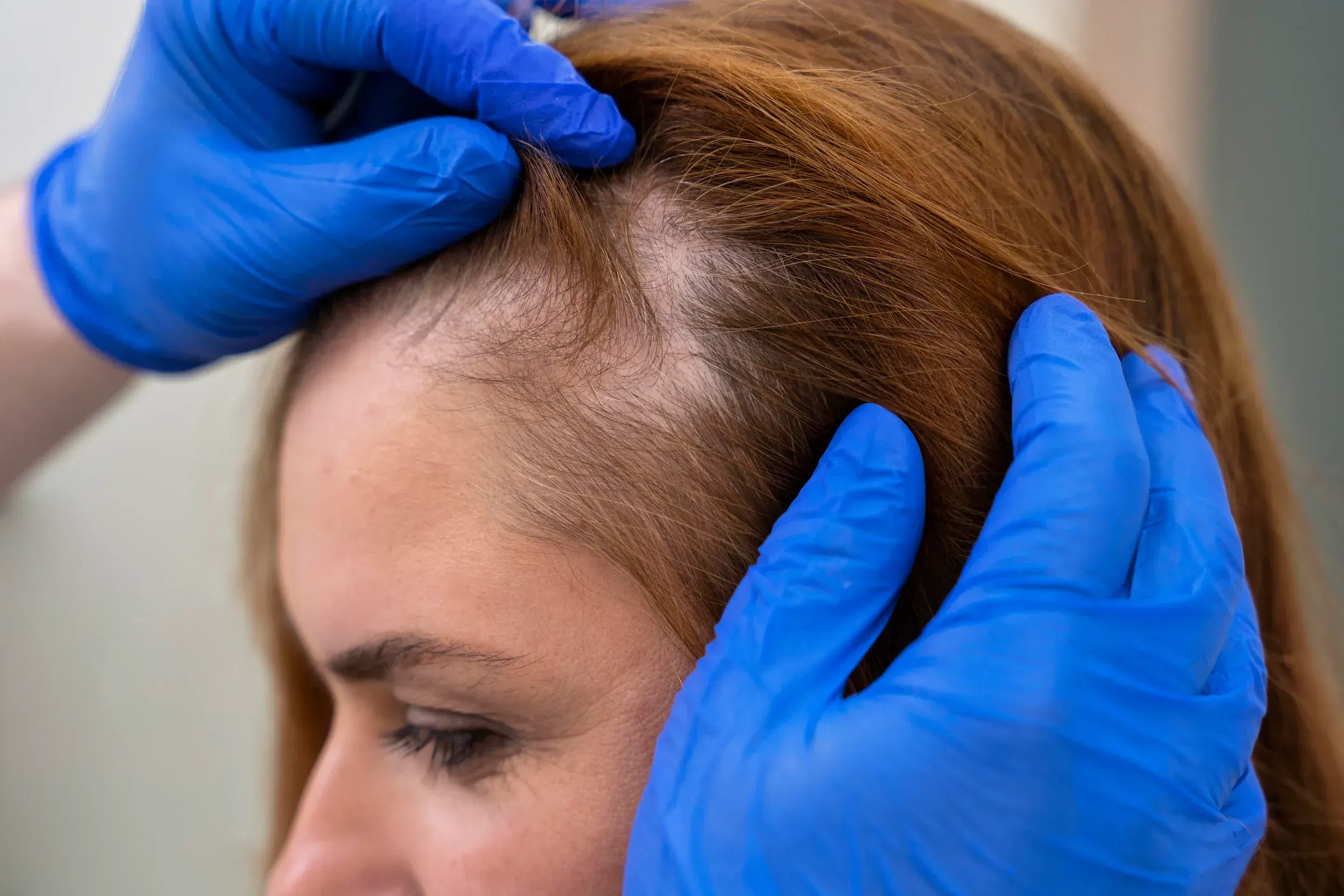
Alopecia Areata
Alopecia areata is an autoimmune condition in which the immune system attacks hair follicles, causing them to stop producing hair. While not directly caused by stress, stress is widely recognized as a trigger that can initiate or exacerbate the condition.
Characteristics include:
- Circular or oval patches of complete hair loss
- Smooth, bare skin in affected areas (no scarring)
- Can occur anywhere on the body, not just the scalp
- Unpredictable course that may resolve spontaneously or progress
- Often preceded by a period of significant stress
The immune system dysfunction in alopecia areata is complex and involves genetic predisposition, but stress appears to be a significant environmental trigger.
Trichotillomania
Trichotillomania is a hair-pulling disorder classified as a body-focused repetitive behavior. People with this condition feel an irresistible urge to pull out their own hair from the scalp, eyebrows, eyelashes, or other areas. It is strongly associated with stress, anxiety, and emotional dysregulation.
Characteristics include:
- Recurrent, compulsive pulling of hair
- Irregular patches of thinning or baldness
- Often triggered or worsened by stress, boredom, or emotional distress
- Sense of relief or gratification after pulling
- Guilt or shame about the behavior
- May be accompanied by other anxiety disorders or OCD
Trichotillomania requires specialized treatment, often combining cognitive behavioral therapy (CBT) with stress management techniques.
Signs of Stress-Related Hair Loss
Recognizing stress-related hair loss early allows for faster intervention and recovery. Look for these signs:
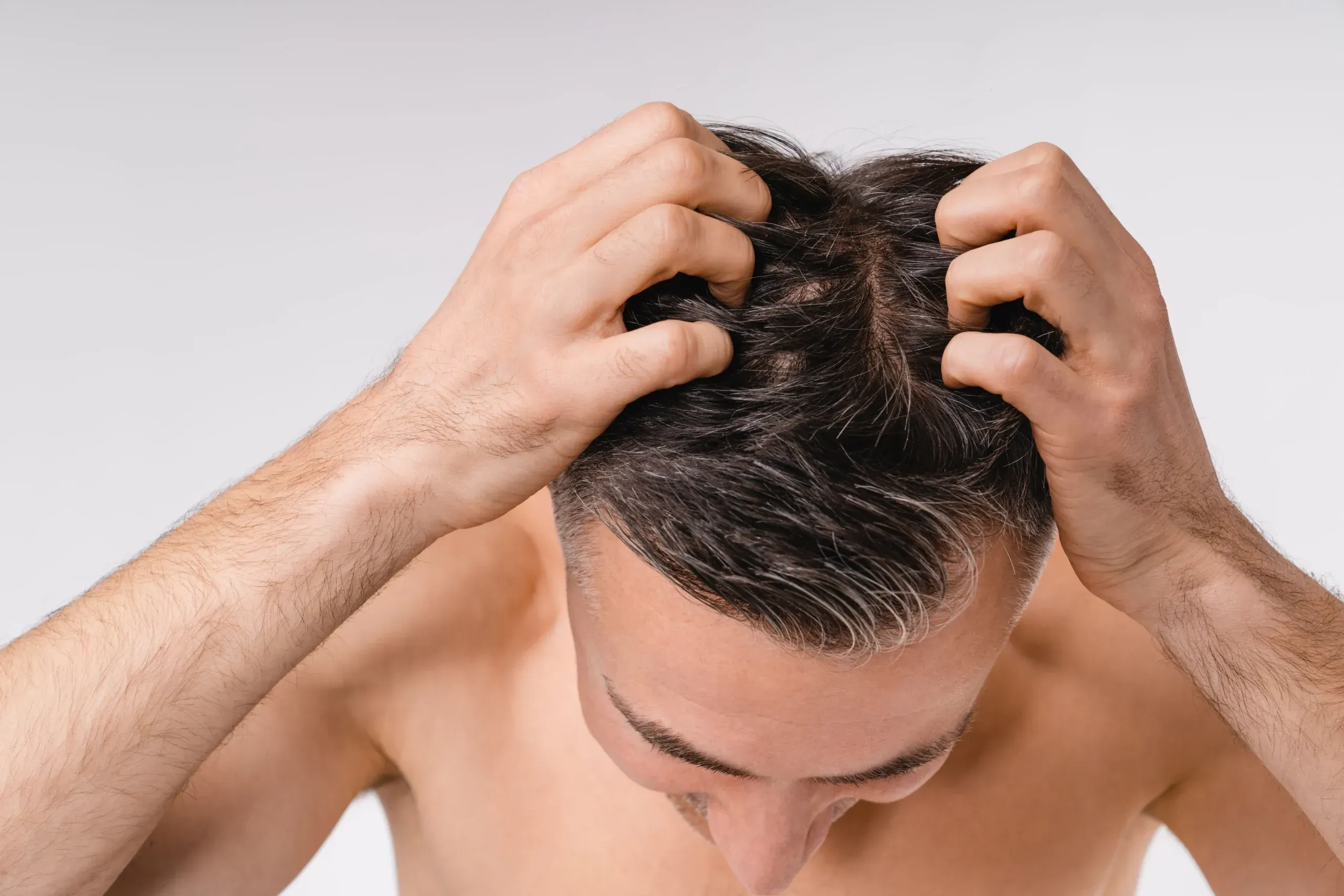
- Increased hair on your pillow, in the shower, and on your brush that exceeds your normal baseline
- Diffuse thinning across the entire scalp rather than in a specific pattern
- Hair loss that began two to three months after a identifiable stressful event
- Concurrent symptoms of chronic stress such as fatigue, sleep problems, weight changes, digestive issues, or mood disturbances
- Hairs that fall with a white bulb at the root (telogen hairs)
- No family history of pattern baldness, or the loss does not follow a typical androgenetic pattern
Managing Stress for Healthier Hair
Addressing the root cause of stress is the most effective way to resolve stress-related hair loss. Here are evidence-based strategies.
Mindfulness and Meditation
Research consistently shows that mindfulness practices reduce cortisol levels and activate the parasympathetic nervous system (the rest-and-digest response):
- Start with just five minutes daily and gradually increase
- Guided meditation apps like Headspace or Calm can help beginners
- Body scan meditation is particularly effective for releasing physical tension
- Breathing exercises like box breathing (4-4-4-4) or the 4-7-8 technique provide immediate calming effects
- Consistency matters more than duration so even brief daily practice yields benefits
Journaling
Written emotional expression has been shown to reduce stress hormones and improve immune function:
- Expressive writing about stressful experiences for 15-20 minutes can process emotions
- Gratitude journaling shifts focus from stressors to positive aspects of life
- Worry dumping before bed helps clear the mind for better sleep
- Progress tracking provides perspective on improvements over time
Self-Care Practices
Building a self-care routine creates a buffer against chronic stress:
- Establish a consistent sleep schedule with seven to nine hours per night
- Create boundaries between work and personal time
- Engage in hobbies and activities that bring joy
- Spend time in nature as research shows it lowers cortisol levels
- Limit screen time and social media consumption
- Maintain social connections as isolation worsens stress
- Practice saying no to commitments that drain your energy
Exercise
Physical activity is one of the most powerful stress-reduction tools available:
- Aerobic exercise (walking, running, swimming, cycling) directly reduces cortisol and increases endorphins
- Yoga combines physical movement with mindfulness for comprehensive stress relief
- Strength training builds confidence and provides a healthy outlet for tension
- Aim for 150 minutes of moderate activity per week
- Even a 10-minute walk can measurably reduce stress hormones
- Avoid overtraining which paradoxically increases cortisol
Nutrition and Supplements for Stress and Hair Health
What you eat directly affects both your stress response and your hair's ability to grow:
Stress-Reducing Foods
- Magnesium-rich foods (dark chocolate, almonds, spinach, avocados) - Magnesium is often depleted during stress and supports nervous system function
- Complex carbohydrates (oats, sweet potatoes, whole grains) - Support serotonin production
- Omega-3 fatty acids (fatty fish, walnuts, flaxseeds) - Reduce inflammation and support brain health
- Probiotic-rich foods (yogurt, kefir, sauerkraut) - The gut-brain axis influences stress response
- Green tea - Contains L-theanine, which promotes calm alertness
Hair-Supporting Nutrients
- Protein - Essential for keratin production
- Iron - Critical for oxygen delivery to follicles
- Zinc - Supports follicle function and immune regulation
- Biotin - Supports hair, skin, and nail health
- Vitamin D - Involved in follicle cycling
- Vitamin C - Antioxidant that supports collagen and iron absorption
Supplements to Consider
- Ashwagandha - An adaptogen with clinical evidence for reducing cortisol
- Magnesium glycinate - Well-absorbed form that supports relaxation
- B-complex vitamins - Support nervous system function and hair health
- Omega-3 fish oil - Anti-inflammatory with mood-supporting benefits
- Vitamin D3 - Especially if blood levels are below optimal range
Hair Care Tips During Stressful Periods
When you are going through a stressful time, your hair care routine should be extra gentle:
- Minimize heat styling to prevent additional damage to stressed hair
- Use a gentle, sulfate-free shampoo and condition every time you wash
- Avoid tight hairstyles that put tension on the hairline
- Do not over-wash as this strips protective oils
- Consider a silk pillowcase to reduce friction during sleep
- Avoid harsh chemical treatments like coloring or perming during active shedding
- Use a leave-in conditioner or hair oil to protect strands from environmental damage
- Be gentle when detangling using a wide-toothed comb on damp (not wet) hair
When to Seek Professional Help
Consider professional evaluation if:
- Hair loss continues for more than six months without improvement
- You notice distinct patches of hair loss rather than diffuse thinning
- Hair loss is accompanied by other concerning symptoms
- Stress levels feel unmanageable despite self-help efforts
- You suspect trichotillomania or compulsive hair pulling
- Over-the-counter approaches have not helped
- You want to rule out other causes of hair loss
Professional resources include:
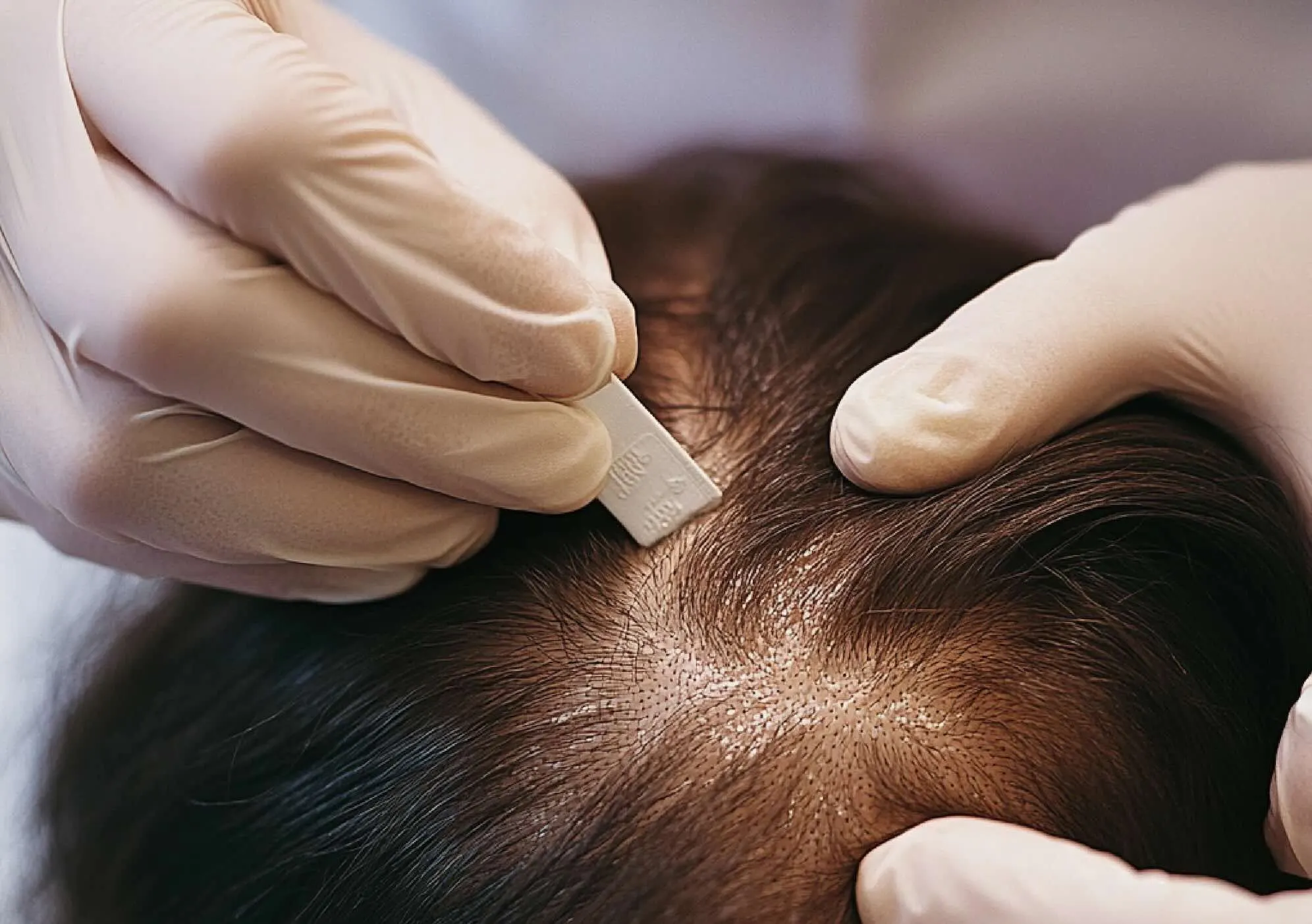
- Dermatologist - For diagnosis and medical treatment of hair loss
- Therapist or counselor - For stress management, especially if anxiety or depression is involved
- Primary care physician - For blood work to check hormone levels, thyroid function, and nutritional status
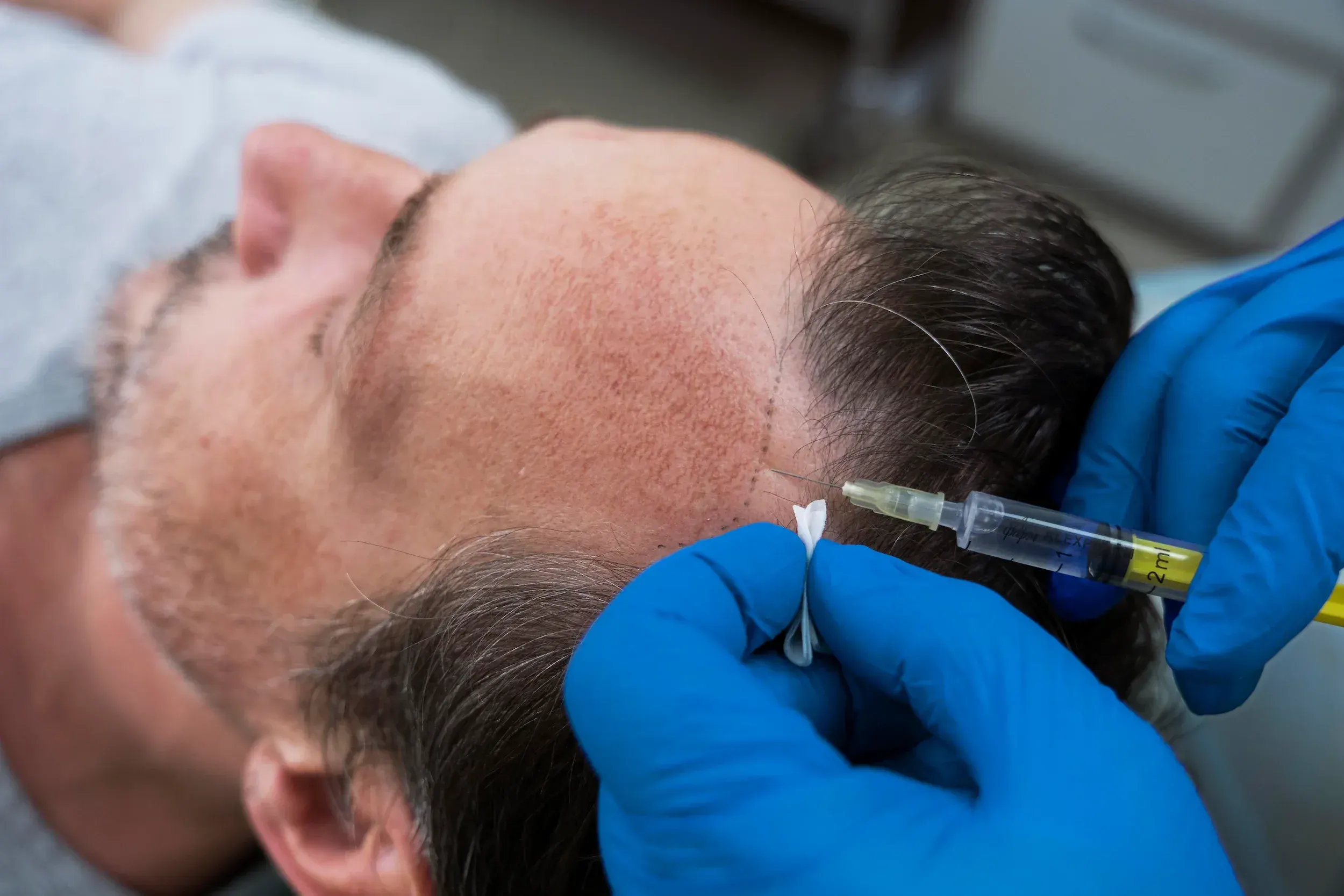
- Hair restoration specialist - For advanced treatment options like PRP or low-level laser therapy
Can Stress-Related Hair Grow Back?
The answer is almost always yes. Stress-related hair loss, particularly telogen effluvium, is typically temporary and fully reversible. Once the stressor is removed or managed, hair follicles resume their normal growth cycle.
The typical recovery timeline:
- Shedding slows within one to three months of resolving the stressor
- New growth appears within three to six months
- Full recovery is usually achieved within six to twelve months
- Hair quality returns to normal as the new growth matures
For alopecia areata triggered by stress, regrowth is also common but less predictable. Many cases resolve within a year, though some may require medical treatment.
Trichotillomania requires ongoing management through therapy and stress reduction, but follicles can recover if the pulling behavior is controlled before permanent scarring occurs.
Stress-related hair loss serves as your body's signal that something needs to change. While the hair loss itself can add to your stress, understanding that it is temporary and addressable can help break the cycle. Prioritize stress management not just for your hair, but for your overall health and quality of life. Your hair will follow.