Signs of Balding: Early Detection and Treatment Options
Learn the early warning signs of balding including thinning hair, receding hairline, and excessive shedding. Discover treatment options to stop hair loss before it progresses.
Introduction
Recognizing the early signs of balding is one of the most important things you can do for your hair. The earlier you detect hair loss, the more treatment options you have and the better your results will be. Yet many people dismiss early signs or attribute them to normal aging until significant thinning has occurred.
At DSI Hair, we encourage proactive monitoring of hair health. This guide will help you identify the earliest indicators of balding, understand what causes them, and explore the treatment options that can halt progression and even restore lost density.
Common Early Signs of Balding
Gradual Thinning on Top of the Head
This is the most common and often the earliest sign of androgenetic alopecia:
- In men, thinning typically begins at the crown (vertex) and progresses outward
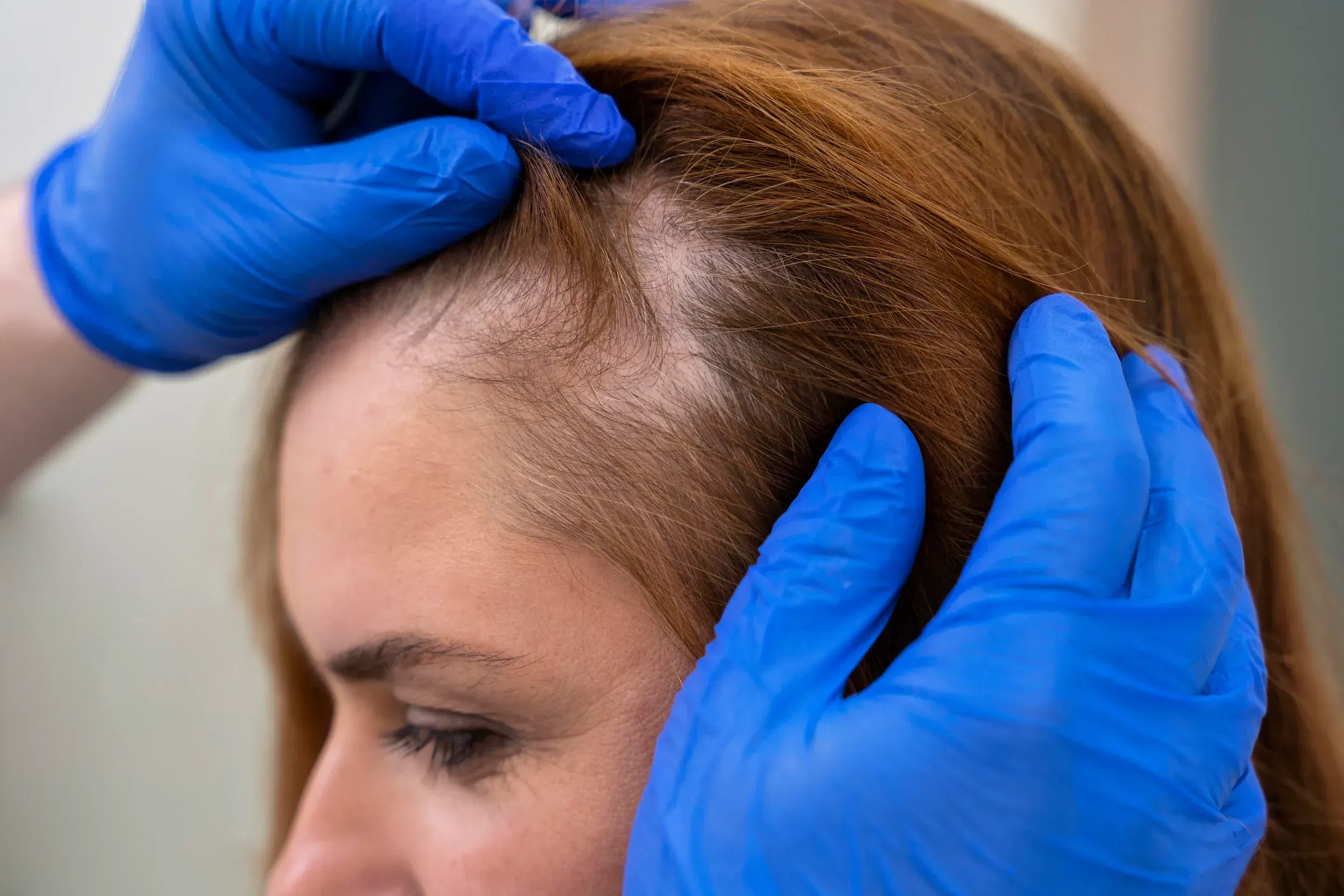
- In women, the part line gradually widens as hair density decreases along the midline
- You may notice more scalp visibility under bright or overhead lighting
- Hair may feel less full when you run your hands through it
- Your hairstylist may comment on thinner sections or difficulty achieving certain styles
What to watch for:
- Compare current photos to photos from one, two, and five years ago
- Pay attention to how your hair looks under different lighting conditions
- Notice if your ponytail is thinner than it used to be
Receding Hairline
A receding hairline is one of the hallmark signs of male pattern baldness:
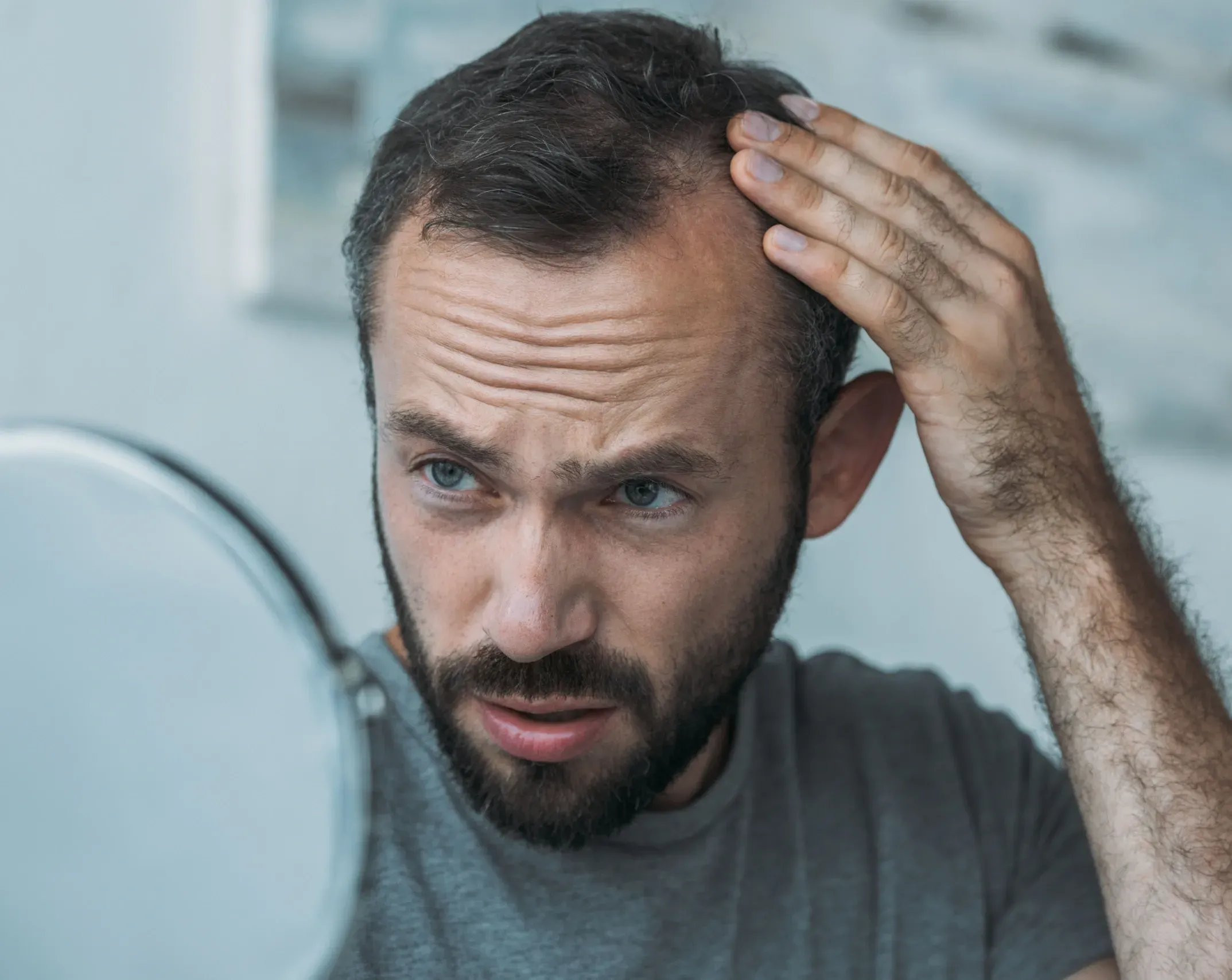
- Often begins with temple recession, creating a more pronounced "M" or "V" shape
- May be asymmetric, with one side receding faster than the other
- Juvenile hairlines (which are straight and low) naturally mature in young adulthood, so some recession is normal
- The distinction between a maturing hairline and true balding is the degree and progression of recession
- In women, frontal hairline recession is less common but can occur, particularly with frontal fibrosing alopecia
Bald Spots
Discrete patches of hair loss have specific implications:
- Round, smooth patches: Characteristic of alopecia areata, an autoimmune condition
- Expanding thin areas: More typical of androgenetic alopecia at the crown
- Patches with broken hairs: May indicate fungal infection (tinea capitis) or trichotillomania
- Scarred patches: Could indicate cicatricial alopecia, which requires urgent treatment
Excessive Shedding
While losing 50 to 100 hairs daily is normal, excessive shedding signals a problem:
- Finding clumps of hair on your pillow, in the shower, or in your brush
- Hair coming out easily when you run your fingers through it
- Noticeable hair on clothing, furniture, and floors
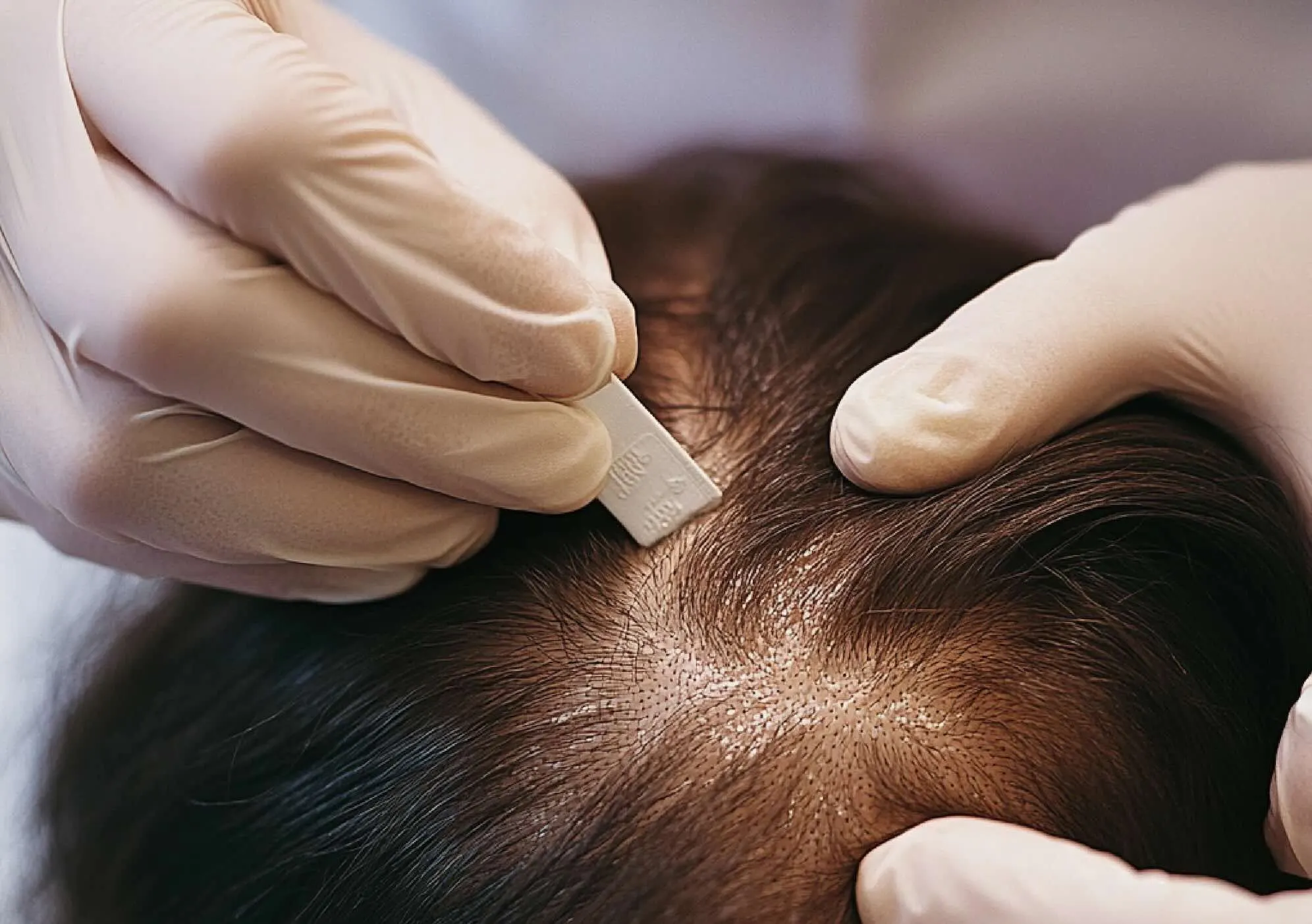
- A "pull test" (gently pulling on about 40 hairs) that yields more than six hairs suggests active shedding
Sudden Hair Loss
Rapid or sudden hair loss is always concerning and warrants immediate evaluation:
- Hair falling out in clumps or handfuls
- Rapid development of bald patches
- Hair loss following illness, surgery, major stress, or medication changes
- Sudden loss may indicate telogen effluvium, alopecia areata, or anagen effluvium
Other Warning Signs
- Changes in hair texture: Hair becoming finer, wispier, or more brittle
- Slower growth: Hair takes longer to grow back after cutting
- Increased scalp sensitivity: Itching, burning, or tenderness can precede some types of hair loss
- Dandruff or flaking: While not directly causing hair loss, scalp conditions can exacerbate thinning
- Baby hairs replacing terminal hairs: Miniaturization causes thick terminal hairs to be replaced by fine vellus hairs
Common Causes of Balding
Androgenetic Alopecia
The most common cause, responsible for over 95% of hair loss in men and the majority in women:
- Driven by genetic sensitivity to DHT (dihydrotestosterone)
- DHT binds to androgen receptors in susceptible follicles, causing miniaturization
- Progressive without treatment
- Classified by the Hamilton-Norwood scale (men) and Ludwig scale (women)
Hormonal Changes
- Thyroid dysfunction (hypothyroidism or hyperthyroidism)
- Menopause and perimenopause in women
- Postpartum hormonal shifts
- PCOS and elevated androgens
- Hormonal birth control changes
Medical Conditions
- Autoimmune diseases (alopecia areata, lupus)
- Iron deficiency anemia
- Diabetes and insulin resistance
- Scalp infections
- Eating disorders
Lifestyle Factors
- Chronic stress
- Poor nutrition
- Smoking
- Excessive alcohol
- Inadequate sleep
- Aggressive hairstyling practices
Types of Balding
Androgenic Alopecia
The classic pattern baldness, driven by genetics and hormones. In men, it follows the Norwood scale from minor temple recession to extensive baldness. In women, it follows the Ludwig scale from mild to severe diffuse thinning.
Telogen Effluvium
A reactive form of diffuse shedding triggered by physical or emotional stressors. Hair loss typically occurs two to three months after the triggering event and resolves within six to twelve months once the trigger is addressed.
Alopecia Areata
An autoimmune condition causing smooth, round patches of hair loss. Can progress to totalis (complete scalp loss) or universalis (complete body hair loss). Treatment focuses on modulating the immune response.
Traction Alopecia
Hair loss caused by chronic tension from hairstyles like tight ponytails, braids, cornrows, and extensions. Early stages are reversible with hairstyle changes. Prolonged traction causes permanent scarring.
Treatment Options
Minoxidil
The most accessible first-line treatment:
- Available over the counter in 2% and 5% topical formulations
- Low-dose oral minoxidil available by prescription
- Works by extending the growth phase and increasing follicle size
- Results visible in three to six months with consistent use
- Can be used by both men and women
- Most effective when started early in the thinning process
Finasteride
A prescription oral medication for men:
- Blocks the conversion of testosterone to DHT
- Stops progression in approximately 90% of men
- Produces regrowth in about 65% of men
- Takes three to twelve months for visible results
- Must be used continuously to maintain benefits
PRP Therapy
Platelet-rich plasma therapy leverages your body's healing power:
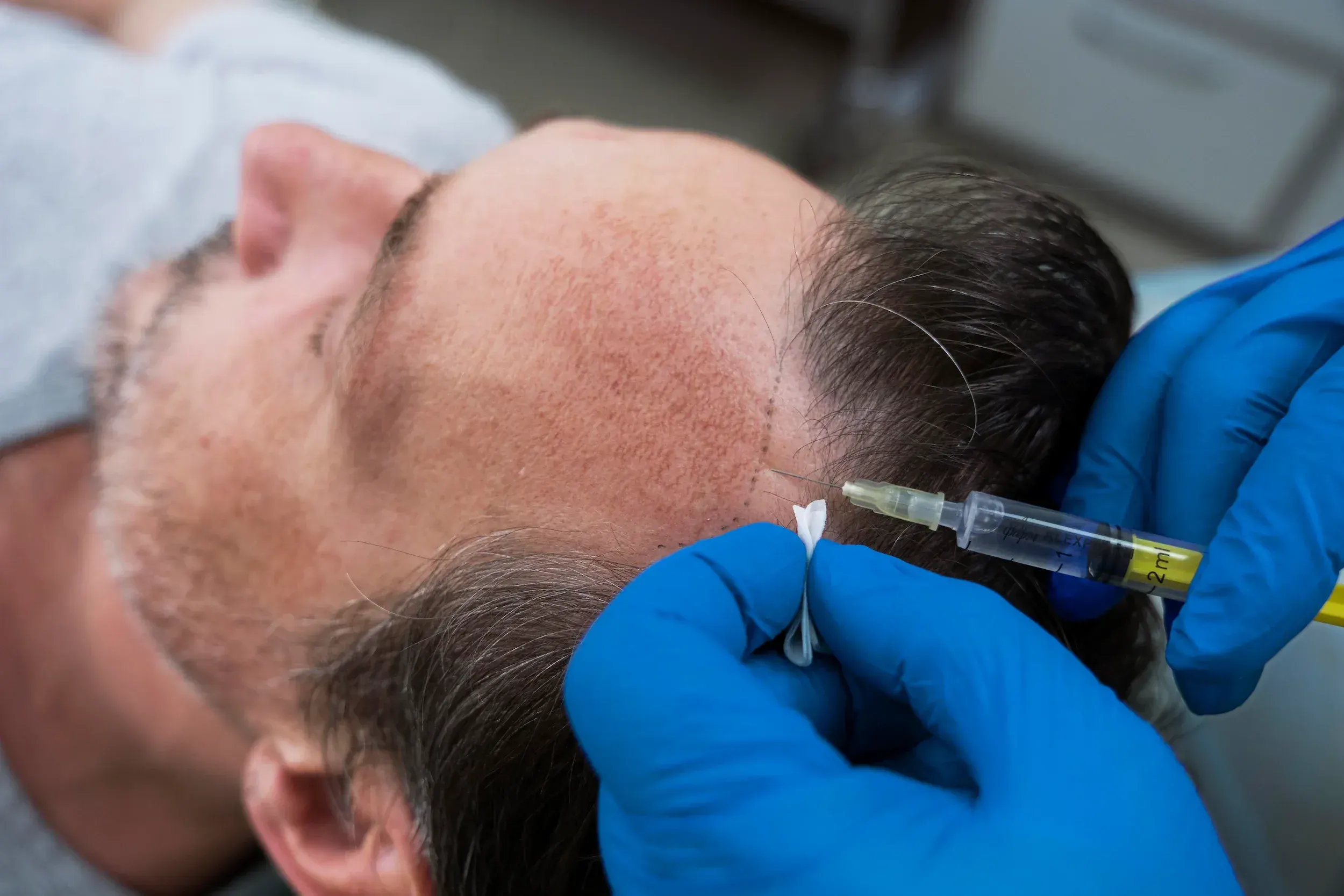
- Concentrated growth factors injected into the scalp
- Stimulates dormant follicles and promotes thicker growth
- Three to four initial sessions, then maintenance every six to twelve months
- Safe and natural, using your own blood
- Effective for multiple types of hair loss
- Can be combined with microneedling for enhanced penetration
Low-Level Laser Therapy (LLLT)
FDA-cleared light therapy for hair growth:
- Uses specific wavelengths to stimulate cellular energy in follicles
- Available as caps, helmets, and combs for home use
- The Revian Red cap at DSI Hair requires just 10 minutes daily
- Safe with virtually no side effects
- Best results when combined with other treatments
Hair Transplants
Permanent restoration for areas of significant loss:
- ARTAS Robotic FUE: DSI Hair's advanced robotic system for precise follicular unit extraction
- No linear scar, faster recovery than traditional methods
- Transplanted follicles are genetically resistant to DHT
- Natural-looking, permanent results
- Ideal for patients with stable hair loss patterns
Lifestyle and Nutritional Approaches
- Optimize iron, vitamin D, zinc, and protein intake
- Manage stress through exercise, meditation, and adequate sleep
- Quit smoking and limit alcohol
- Use gentle hair care practices
- Consider hair-growth supplements under professional guidance
Emerging Treatments
- JAK inhibitors: Showing promise for alopecia areata
- Stem cell therapy: Research ongoing for follicle regeneration
- Exosome therapy: Emerging treatment using cell-derived vesicles
- Clascoterone: A topical anti-androgen for androgenetic alopecia
When to See a Dermatologist
Do not wait until hair loss is advanced. See a specialist if:
- You notice any of the early signs described above
- Hair loss has persisted for more than two months
- You have a strong family history and want a prevention plan
- Hair loss is accompanied by other symptoms
- Over-the-counter treatments have not been effective
- You want a comprehensive evaluation and personalized treatment plan
Prevention Tips
- Monitor your hair: Take photos monthly in consistent lighting
- Act early: The sooner you start treatment, the more hair you can preserve
- Eat well: A balanced diet rich in protein, iron, and vitamins supports hair health
- Manage stress: Chronic stress is a significant contributor to hair loss
- Be gentle: Avoid harsh treatments, tight styles, and excessive heat
- Get check-ups: Annual blood work can catch deficiencies and hormonal issues early
- Consider preventive treatment: If you have a strong family history, discuss early intervention with your dermatologist
Frequently Asked Questions
At what age does balding typically start? Androgenetic alopecia can begin as early as the late teens. About 25% of men show some degree of hair loss by age 25, and 50% by age 50.
Can balding be reversed? Early-stage balding with miniaturized (but still living) follicles can often be partially or fully reversed with treatment. Advanced balding where follicles have been permanently lost requires transplantation.
Is a receding hairline always a sign of balding? Not necessarily. Hairlines naturally mature in young adulthood. However, progressive recession beyond a mature hairline pattern suggests androgenetic alopecia.
How fast does balding progress? The rate varies widely. Some men go from mild to advanced baldness in five years, while others maintain moderate thinning for decades. Without treatment, progression is generally steady.
Conclusion
Early detection is the key to successful hair loss management. By learning to recognize the signs of balding and taking prompt action, you can preserve your hair and maintain your confidence.
At DSI Hair, we specialize in identifying the early signs of hair loss and creating personalized treatment plans that address your specific situation. From medical therapies like minoxidil and PRP to advanced ARTAS robotic transplants, we have the expertise and technology to help you at every stage.
Do not wait for balding to progress. Contact DSI Hair today to schedule your evaluation and take control of your hair's future.