Shedding Vs. Hair Loss
Hair shedding and hair loss are often confused, but they are fundamentally different conditions. Understanding the distinction helps you respond appropriately and seek the right treatment.
Understanding the Difference
Finding hair on your pillow, in the shower drain, or tangled in your brush can be alarming. But before you panic, it is important to understand that not all hair fall is created equal. Hair shedding and hair loss are two distinct conditions with different causes, trajectories, and treatments. Knowing the difference can save you unnecessary worry or, conversely, prompt you to seek help when you truly need it.
What Is Hair Shedding?
Hair shedding is a completely normal part of the hair growth cycle. Every strand of hair on your head goes through a predictable lifecycle with three main phases.
The Hair Growth Cycle
Anagen (Growth Phase) - This is the active growth phase, lasting anywhere from two to seven years. The length of your anagen phase is largely genetically determined and is why some people can grow hair to their waist while others find it plateaus at shoulder length. At any given time, about 85% to 90% of your hair is in this phase.
Catagen (Transition Phase) - This brief transitional phase lasts about two to three weeks. The hair follicle shrinks and detaches from the blood supply. The hair stops growing but does not yet fall out. Roughly 1% to 2% of your hair is in this phase at any time.
Telogen (Resting Phase) - During this phase, which lasts about three months, the hair rests while a new hair begins to form beneath it. Eventually, the old hair is pushed out by the new growth. About 10% to 15% of your hair is in the telogen phase at any given time.
Normal Daily Shedding
It is perfectly normal to shed between 50 and 100 strands of hair every day. This is simply old hairs completing their lifecycle and making room for new growth. You might notice more shedding on days you wash your hair, as the mechanical action loosens hairs that were already ready to fall.
Signs that your shedding is normal include:
- Finding roughly the same amount of hair each day
- No visible thinning or bald patches
- New short hairs growing in along your hairline and part
- Hair density remains consistent over time
Telogen Effluvium
When shedding exceeds the normal range, you may be experiencing telogen effluvium. This condition occurs when a significant number of hair follicles are pushed into the telogen phase prematurely, often triggered by a stressful event. Common triggers include:
- Major surgery or illness
- High fever
- Significant emotional stress
- Rapid weight loss or crash dieting
- Childbirth
- Starting or stopping medications
- Nutritional deficiencies
Telogen effluvium typically begins two to three months after the triggering event and can result in losing 300 or more hairs per day. The encouraging news is that this condition is almost always temporary. Once the trigger is resolved, hair typically regrows fully within six to twelve months.
What Is Hair Loss?
Hair loss, medically known as alopecia, is fundamentally different from shedding. While shedding involves hairs completing their natural cycle, hair loss involves damage to or destruction of the hair follicles themselves, which may prevent new hair from growing in.
Types of Alopecia
Androgenetic Alopecia - The most common form of hair loss, affecting roughly 50% of men by age 50 and a significant percentage of women. It is driven by genetics and hormones, specifically DHT (dihydrotestosterone). In men, it typically presents as a receding hairline and crown thinning. In women, it usually appears as diffuse thinning across the top of the scalp.
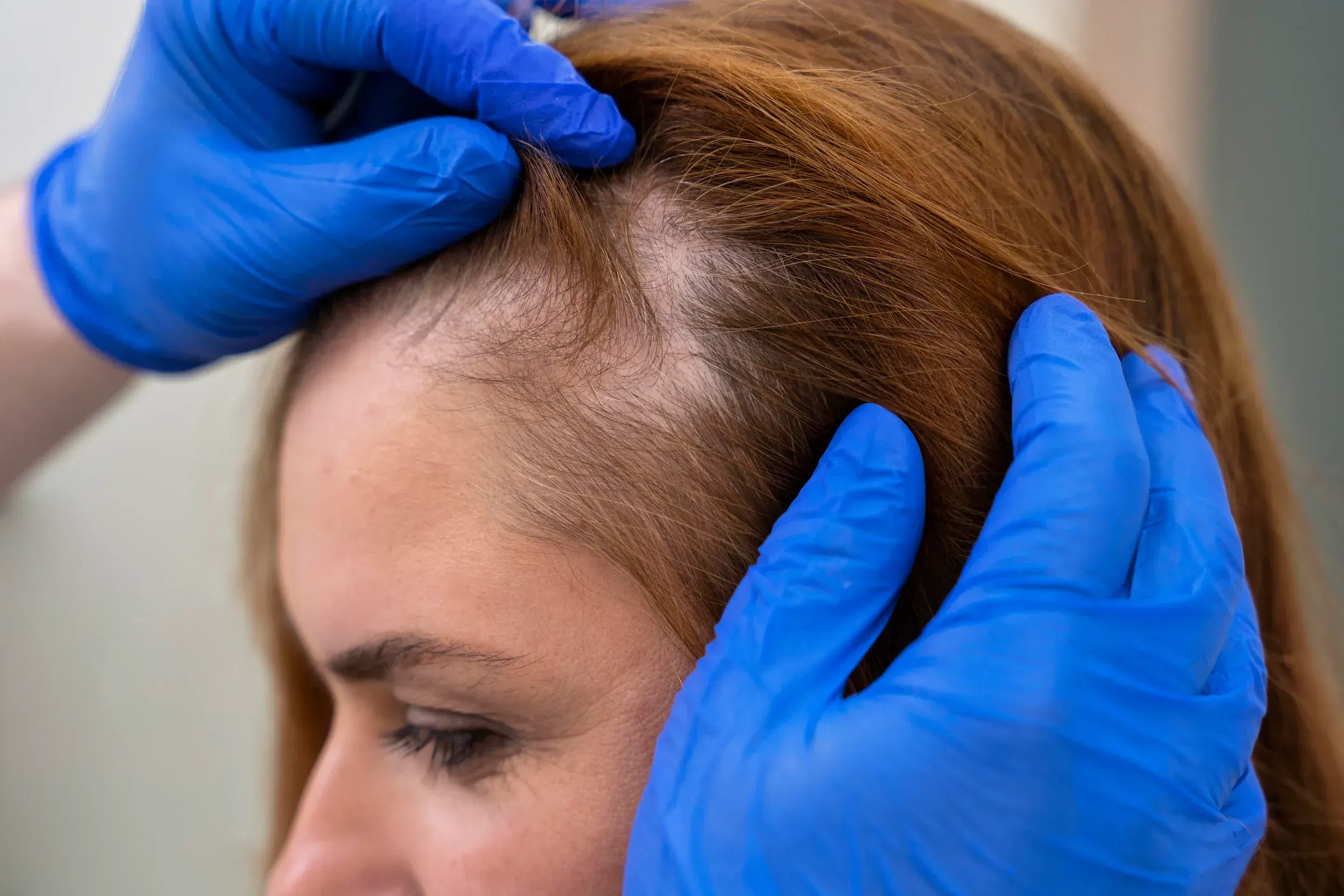
Alopecia Areata - An autoimmune condition in which the immune system attacks hair follicles, causing round, smooth patches of hair loss. It can occur on the scalp or anywhere on the body. The condition is unpredictable and may resolve spontaneously or progress to more extensive loss.
Anagen Effluvium - This type of hair loss occurs during the active growth phase and is most commonly associated with chemotherapy and radiation treatments. Because these treatments target rapidly dividing cells, hair follicles are particularly vulnerable. Hair loss is usually rapid and diffuse but typically reversible once treatment ends.
Traction Alopecia - Caused by prolonged tension on the hair from tight hairstyles such as braids, ponytails, cornrows, or extensions. Over time, the constant pulling damages hair follicles. If caught early, it is reversible. If the tension continues for years, the damage can become permanent.
Scarring (Cicatricial) Alopecia - A group of conditions in which inflammation destroys hair follicles and replaces them with scar tissue. Once scarring occurs, hair loss in those areas is permanent. Early treatment is critical to prevent further damage.
Key Differences Between Shedding and Hair Loss
Understanding the distinctions between these two conditions helps you determine the appropriate response.
Duration
- Shedding - Temporary, typically lasting a few weeks to a few months before resolving on its own
- Hair loss - Progressive and ongoing without treatment, potentially permanent
Pattern
- Shedding - Diffuse, coming from all areas of the scalp relatively evenly
- Hair loss - Often follows specific patterns (receding hairline, crown thinning, patches)
Volume
- Shedding - May exceed 100 hairs per day during telogen effluvium but eventually normalizes
- Hair loss - May not involve dramatic daily hair fall but results in gradual, visible thinning
Follicle Status
- Shedding - Follicles remain healthy and active, new hairs grow in to replace shed hairs
- Hair loss - Follicles may be miniaturized, dormant, or permanently damaged
The Pull Test
A simple test you can perform: grasp a small section of about 60 hairs between your thumb and forefinger, then gently but firmly pull from root to tip. If more than six hairs come out, it may indicate active shedding or hair loss that warrants professional evaluation.
Causes of Each Condition
Common Causes of Excessive Shedding
- Significant physical or emotional stress
- Hormonal changes (postpartum, menopause, starting or stopping birth control)
- Nutritional deficiencies (iron, protein, zinc, biotin)
- Rapid weight loss
- High fever or severe illness
- Surgery
- Seasonal changes (some people shed more in fall)
Common Causes of Hair Loss
- Genetics and hereditary predisposition
- Hormonal imbalances (particularly excess DHT)
- Autoimmune conditions
- Chronic traction from hairstyling
- Scalp infections or inflammatory conditions
- Certain medications
- Medical treatments such as chemotherapy
- Scarring from burns, injuries, or inflammatory conditions
How to Tell Which One You Have
Determining whether you are experiencing shedding or hair loss requires careful observation and, ideally, professional evaluation. Here are some guidelines:
It is likely shedding if:
- You recently experienced a major life event or stressor
- The hair fall is coming from all over your scalp
- You can see short new hairs growing in
- The hair that falls out has a small white bulb at the root (telogen hairs)
- The condition began suddenly and you can pinpoint a trigger
- Your overall hair density has not noticeably changed
It is likely hair loss if:
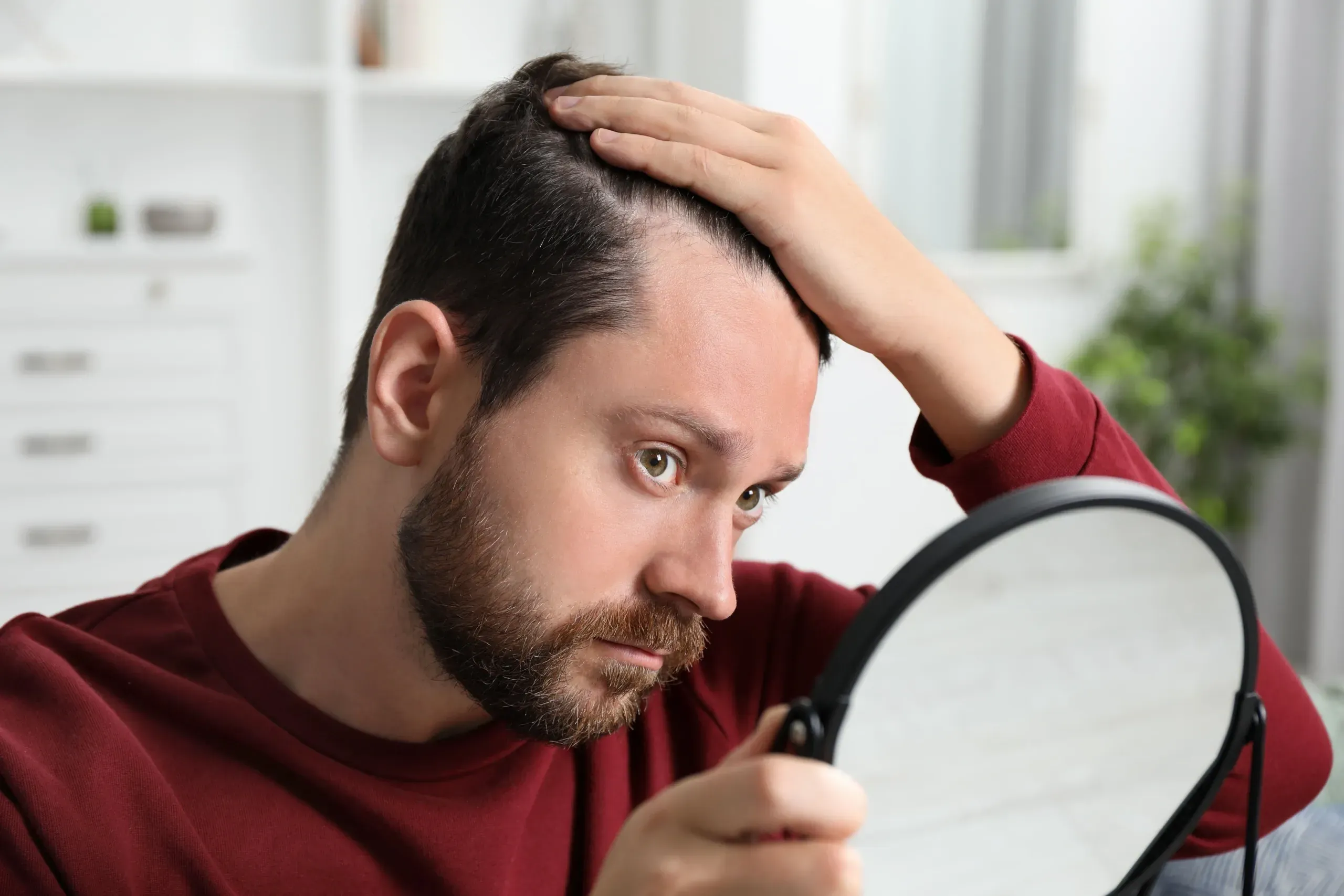
- You notice a receding hairline, widening part, or visible scalp
- Thinning follows a specific pattern
- There is a family history of baldness or thinning
- You do not see new growth replacing what has fallen
- The condition has been gradually worsening over months or years
- Bald patches appear suddenly with smooth skin underneath
Treatment Options
For Excessive Shedding
Since shedding is typically temporary, treatment focuses on addressing the underlying trigger:
- Resolve the trigger - Manage stress, correct nutritional deficiencies, stabilize hormones
- Eat a balanced diet - Ensure adequate protein, iron, zinc, and vitamin intake
- Be gentle with your hair - Avoid heat styling, harsh chemicals, and tight hairstyles during recovery
- Consider supplements - Biotin, iron (if deficient), vitamin D, and omega-3s can support regrowth
- Be patient - Hair growth takes time, and regrowth after telogen effluvium can take six to twelve months
For Hair Loss
Treatment for hair loss depends on the type and severity:
- Minoxidil - A topical treatment that stimulates follicles and extends the growth phase
- Finasteride - An oral medication that blocks DHT production (primarily for men)
- Spironolactone - An anti-androgen option for women
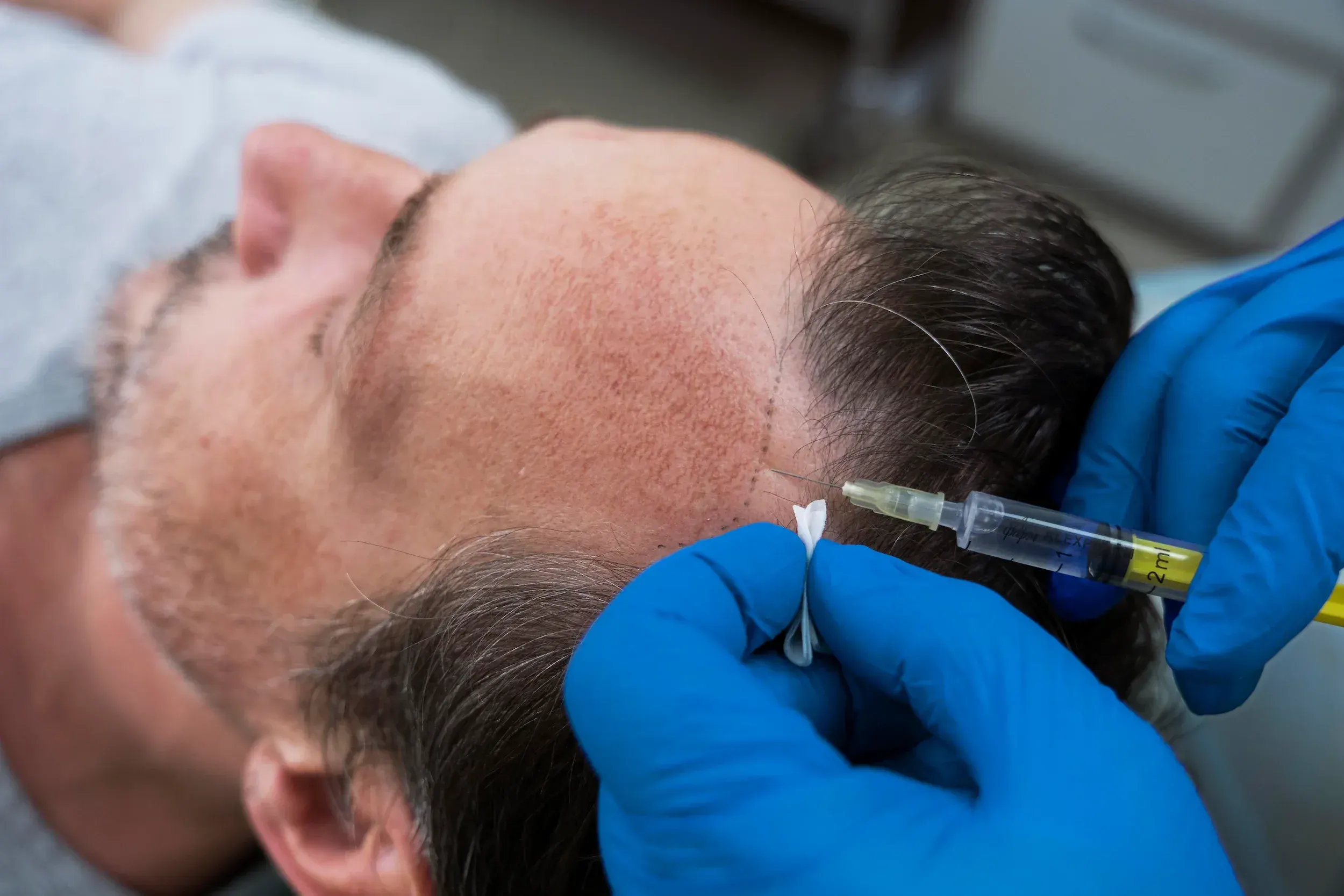
- PRP therapy - Platelet-rich plasma injections to stimulate dormant follicles
- Low-level laser therapy - Light-based stimulation of cellular activity in follicles
- Hair transplant surgery - Permanent relocation of healthy follicles to thinning areas
- Corticosteroids - For autoimmune-related alopecia areata
Prevention Tips
Regardless of whether you are dealing with shedding or hair loss, these practices support optimal hair health:
- Maintain a nutrient-rich diet with adequate protein
- Manage stress through exercise, meditation, and sleep
- Avoid hairstyles that pull tightly on the hair
- Use gentle, sulfate-free shampoos
- Minimize heat styling and chemical treatments
- Protect your hair from sun and environmental damage
- Stay hydrated
- Get regular checkups to monitor hormone levels and nutritional status
- Address any scalp conditions promptly
Common Myths
Myth: Washing your hair too often causes hair loss. Fact: Washing your hair does not cause hair loss. The hairs you see in the drain were already in the shedding phase. Clean, healthy scalps actually support better hair growth.
Myth: Wearing hats causes hair loss. Fact: Hats do not cause hair loss unless they are extremely tight and worn constantly, which could potentially contribute to traction alopecia.
Myth: Only men experience significant hair loss. Fact: Women make up a significant percentage of hair loss sufferers. Female pattern hair loss affects millions of women worldwide.
Myth: Shaving your head makes hair grow back thicker. Fact: Shaving has no effect on hair thickness, color, or rate of growth. The blunt edge of regrown hair may feel coarser, but the hair itself is unchanged.
Myth: Stress only causes temporary shedding. Fact: While acute stress typically causes temporary telogen effluvium, chronic ongoing stress can contribute to more persistent hair loss by disrupting hormones and the immune system.
Myth: If your maternal grandfather was bald, you will be too. Fact: While genetics play a major role, hair loss genes can come from either side of the family. The pattern of inheritance is complex and involves multiple genes.
When to See a Professional
Consider scheduling a consultation if:
- You are shedding significantly more than usual for more than three months
- You notice visible thinning, bald patches, or a receding hairline
- Hair loss is accompanied by other symptoms such as fatigue, weight changes, or skin issues
- Over-the-counter treatments have not helped after six months
- You are unsure whether your experience is normal shedding or something more
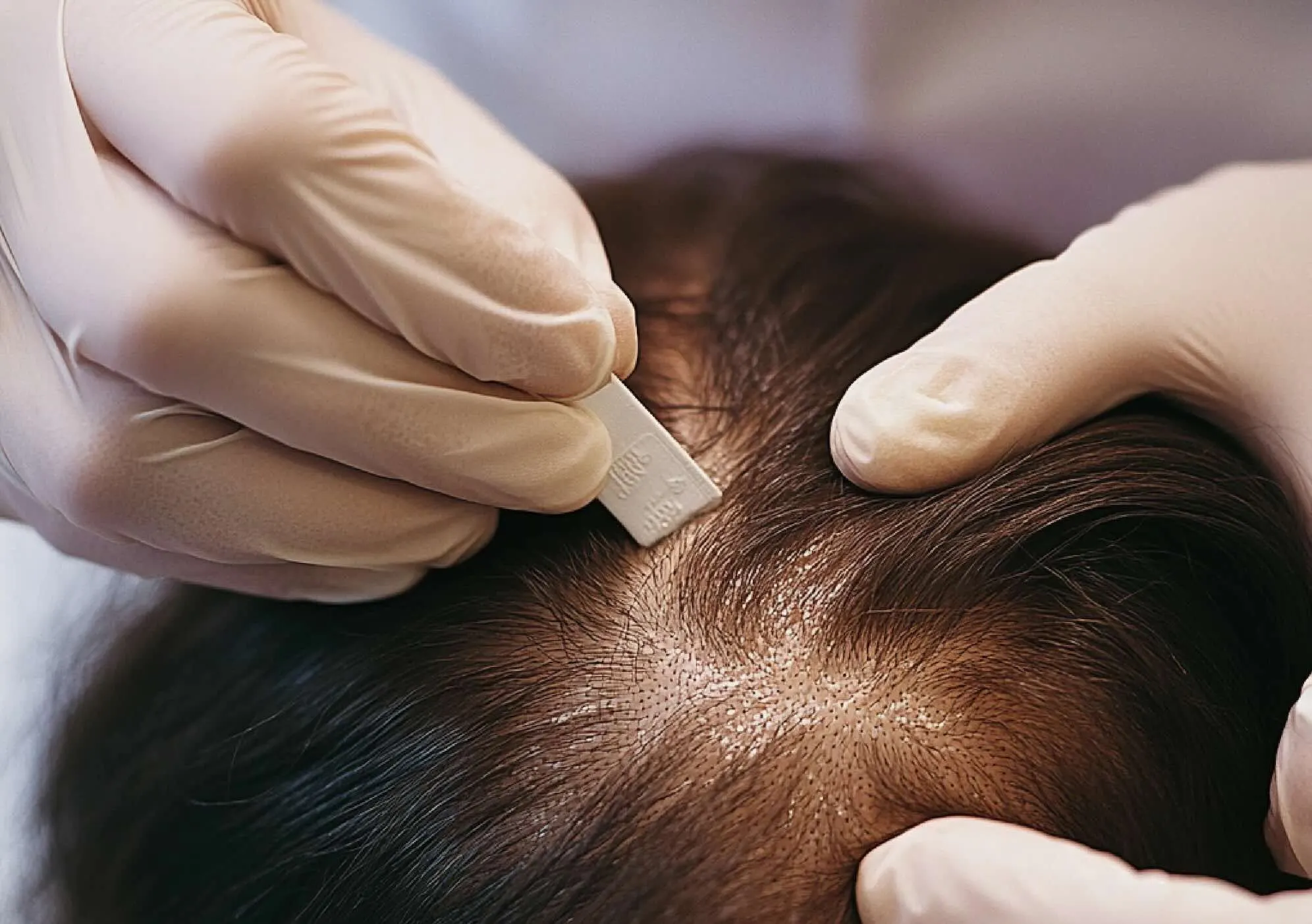
A qualified dermatologist or hair restoration specialist can provide a definitive diagnosis and recommend the most effective treatment plan for your specific situation. The sooner you seek evaluation, the more options you will have for preserving and restoring your hair.