PRP for Thinning Hair: Everything You Need to Know
PRP therapy uses your body's own platelets to stimulate hair growth. Learn who benefits most, how it compares to other treatments, and what to expect during the procedure.
Introduction
Platelet-rich plasma (PRP) therapy has emerged as one of the most exciting developments in hair restoration over the past decade. This minimally invasive treatment harnesses your body's own healing mechanisms to stimulate hair growth, making it an attractive option for individuals experiencing thinning hair.
At DSI Hair, PRP therapy is a cornerstone of our comprehensive approach to hair restoration. In this guide, we cover everything you need to know about PRP for thinning hair, from the science behind it to real-world results and how it fits into a broader treatment plan.
What Is PRP?
PRP stands for platelet-rich plasma. It is a concentration of platelets derived from your own blood that contains a powerful cocktail of growth factors and bioactive proteins.
The Science Behind PRP
Platelets are best known for their role in blood clotting, but they also contain hundreds of proteins called growth factors that are vital for tissue repair and regeneration. Key growth factors in PRP include:
- Platelet-Derived Growth Factor (PDGF): Stimulates cell growth and blood vessel formation
- Transforming Growth Factor-Beta (TGF-B): Promotes tissue healing and collagen production
- Vascular Endothelial Growth Factor (VEGF): Increases blood supply to hair follicles
- Epidermal Growth Factor (EGF): Stimulates cell proliferation in hair follicle stem cells
- Insulin-Like Growth Factor (IGF-1): Promotes hair follicle survival and growth
When PRP is injected into the scalp, these growth factors work together to:
- Wake up dormant hair follicles
- Prolong the anagen (active growth) phase of the hair cycle
- Increase the thickness of the hair shaft
- Improve blood supply to the follicular unit
- Reduce inflammation around miniaturized follicles
Who Can Benefit from PRP?
Androgenetic Alopecia
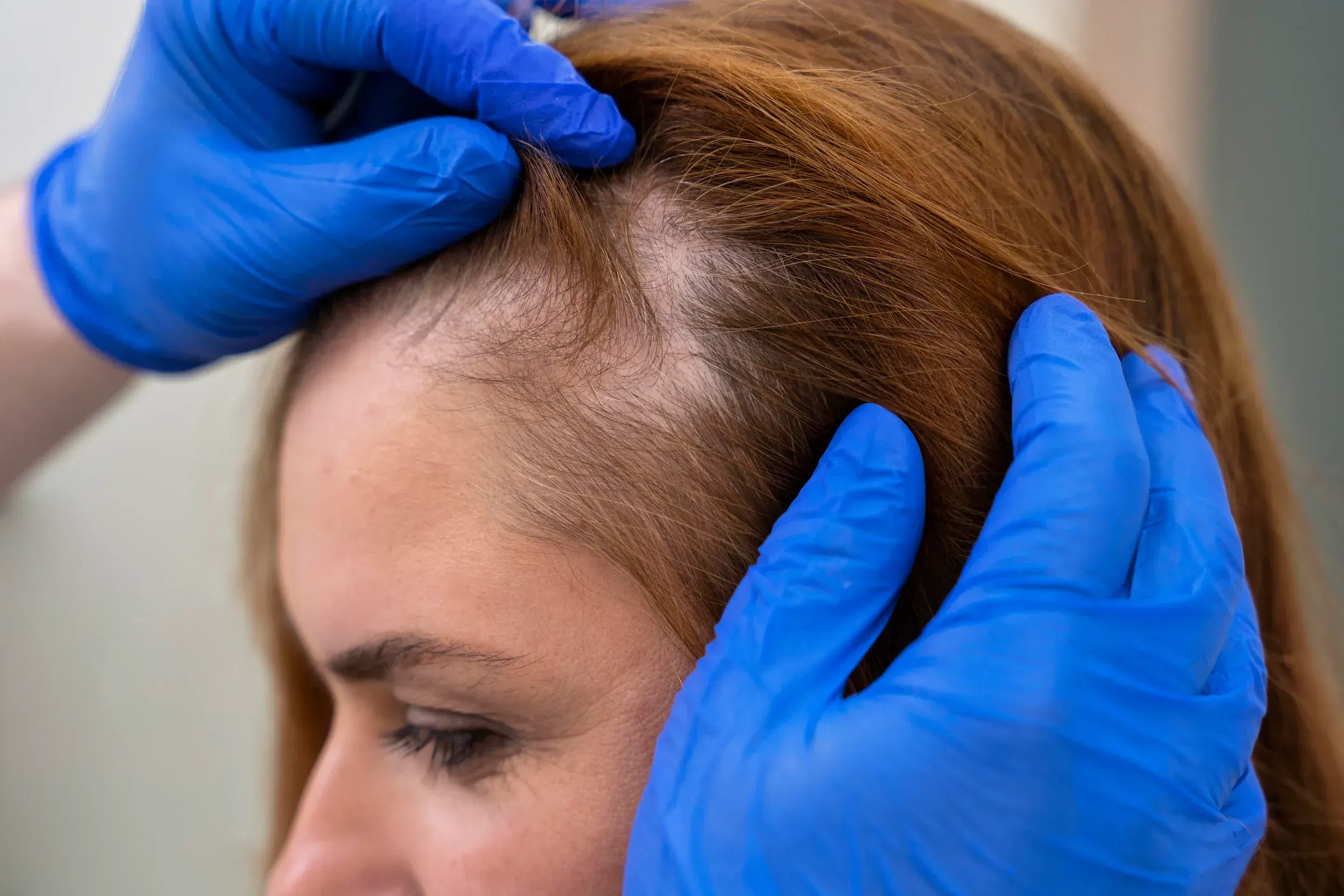
PRP has shown the most consistent results in patients with androgenetic alopecia (pattern hair loss), the most common form of hair loss affecting both men and women.
- Male pattern baldness: PRP is most effective in the early to moderate stages (Norwood II-V), particularly in the crown area where follicles are miniaturizing but not yet completely dormant
- Female pattern hair loss: Women with diffuse thinning across the top of the scalp often respond well to PRP, as their follicles typically miniaturize rather than disappear entirely
- Best candidates have recent onset of thinning (within the last five years) with visible miniaturized hairs
Alopecia Areata
Emerging research suggests PRP may benefit some patients with alopecia areata, an autoimmune condition that causes patchy hair loss:
- Several studies have shown PRP can stimulate regrowth in alopecia areata patches
- The anti-inflammatory properties of PRP may help modulate the localized immune response
- It is generally used as an adjunct therapy alongside other treatments
- Results are more variable than with androgenetic alopecia
Other Candidates
- Individuals with telogen effluvium who want to accelerate recovery
- Post-hair transplant patients looking to enhance graft survival and growth
- People with early thinning who want to preserve their existing hair
- Those who prefer natural, drug-free treatment approaches
PRP vs Other Treatments
Understanding how PRP compares to other hair loss treatments helps you make an informed decision:
| Treatment | Mechanism | Best For | Commitment |
|---|---|---|---|
| PRP | Growth factors stimulate follicles | Early to moderate thinning | 3-4 sessions initially, maintenance every 6-12 months |
| Minoxidil | Vasodilation, extends anagen phase | Widespread thinning | Daily application, ongoing |
| Finasteride | Blocks DHT conversion | Male pattern baldness | Daily pill, ongoing |
| LLLT | Photobiomodulation | Mild to moderate thinning | Several times per week, ongoing |
| Hair Transplant | Relocates permanent follicles | Advanced hair loss, stable pattern | One-time procedure |
Combining PRP with Other Treatments
PRP is most effective when used as part of a multimodal approach:
PRP and Microneedling
Microneedling (also called collagen induction therapy) creates tiny channels in the scalp that serve two purposes:
- They trigger the body's wound-healing response, activating stem cells in the hair follicle bulge
- They allow PRP to penetrate deeper into the dermis, reaching the follicular unit more effectively
- Studies show the combination produces superior results compared to either treatment alone
- Typical microneedling depth for scalp use is 1.0 to 1.5 millimeters
PRP and Minoxidil
Combining PRP with topical minoxidil attacks hair loss from two angles:
- PRP provides growth factors that activate follicle stem cells
- Minoxidil extends the anagen phase and improves blood flow
- Patients should typically wait 24 to 48 hours after PRP before resuming minoxidil application
- The combination may allow some patients to use lower concentrations of minoxidil
PRP and Finasteride
For men with androgenetic alopecia, combining PRP with finasteride offers a powerful dual approach:
- Finasteride reduces DHT levels, slowing the miniaturization process
- PRP stimulates growth in follicles that have already been affected
- This combination addresses both the cause (DHT) and the effect (follicle dormancy)
- Many clinicians consider this the gold standard non-surgical combination
What Happens During a PRP Treatment
The PRP process is straightforward and typically takes about 60 to 90 minutes:
Step 1: Blood Draw
A small amount of blood (usually 30 to 60 milliliters, similar to a routine blood test) is drawn from your arm.
Step 2: Centrifugation
The blood is placed in a centrifuge, which spins at high speed to separate its components:
- Red blood cells settle to the bottom
- Platelet-poor plasma rises to the top
- The platelet-rich plasma layer concentrates in the middle
- This process typically takes 10 to 15 minutes
Step 3: Preparation
The PRP layer is carefully extracted and may be activated with calcium chloride or thrombin to release growth factors. The concentration of platelets in PRP is typically three to five times higher than in normal blood.
Step 4: Injection
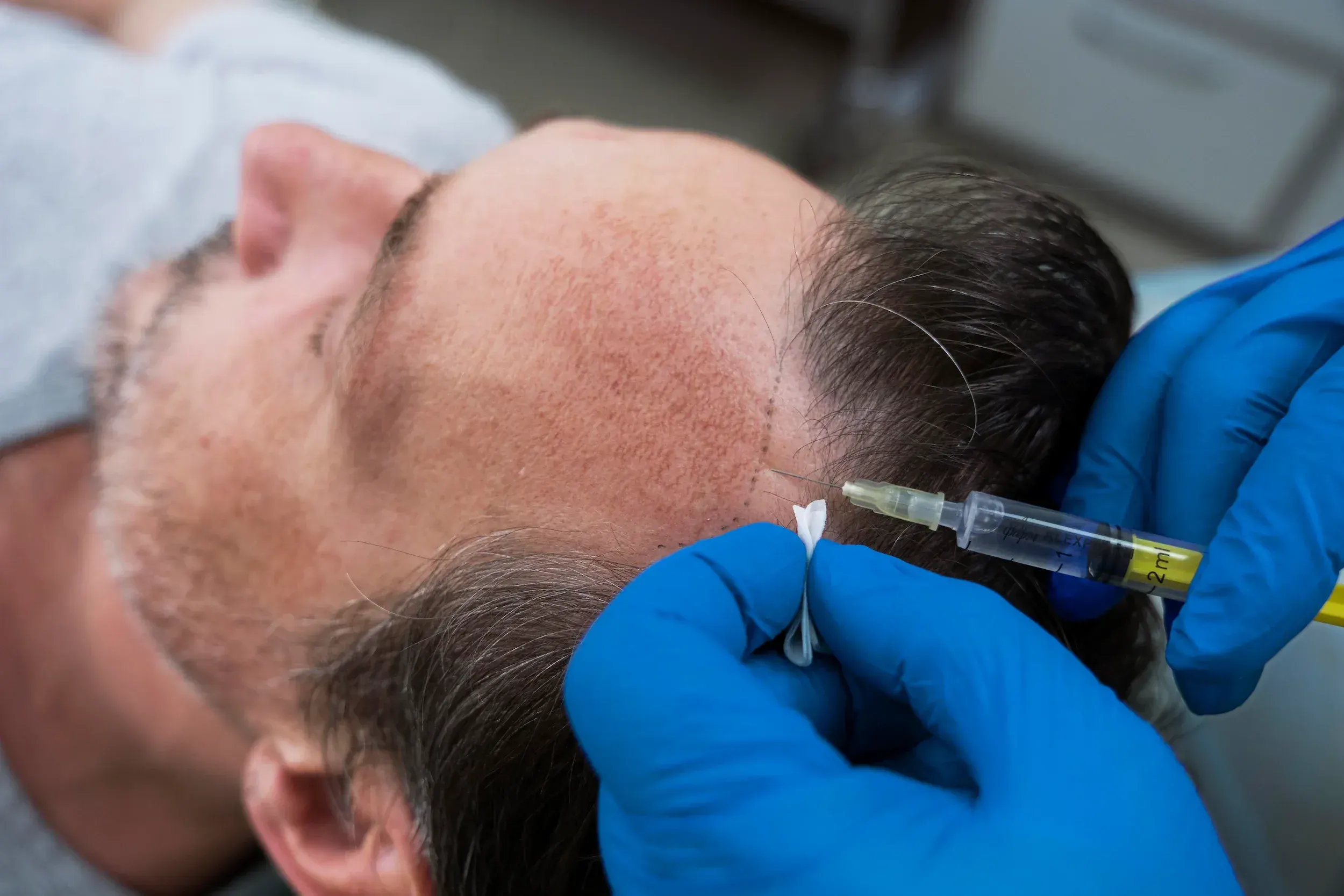
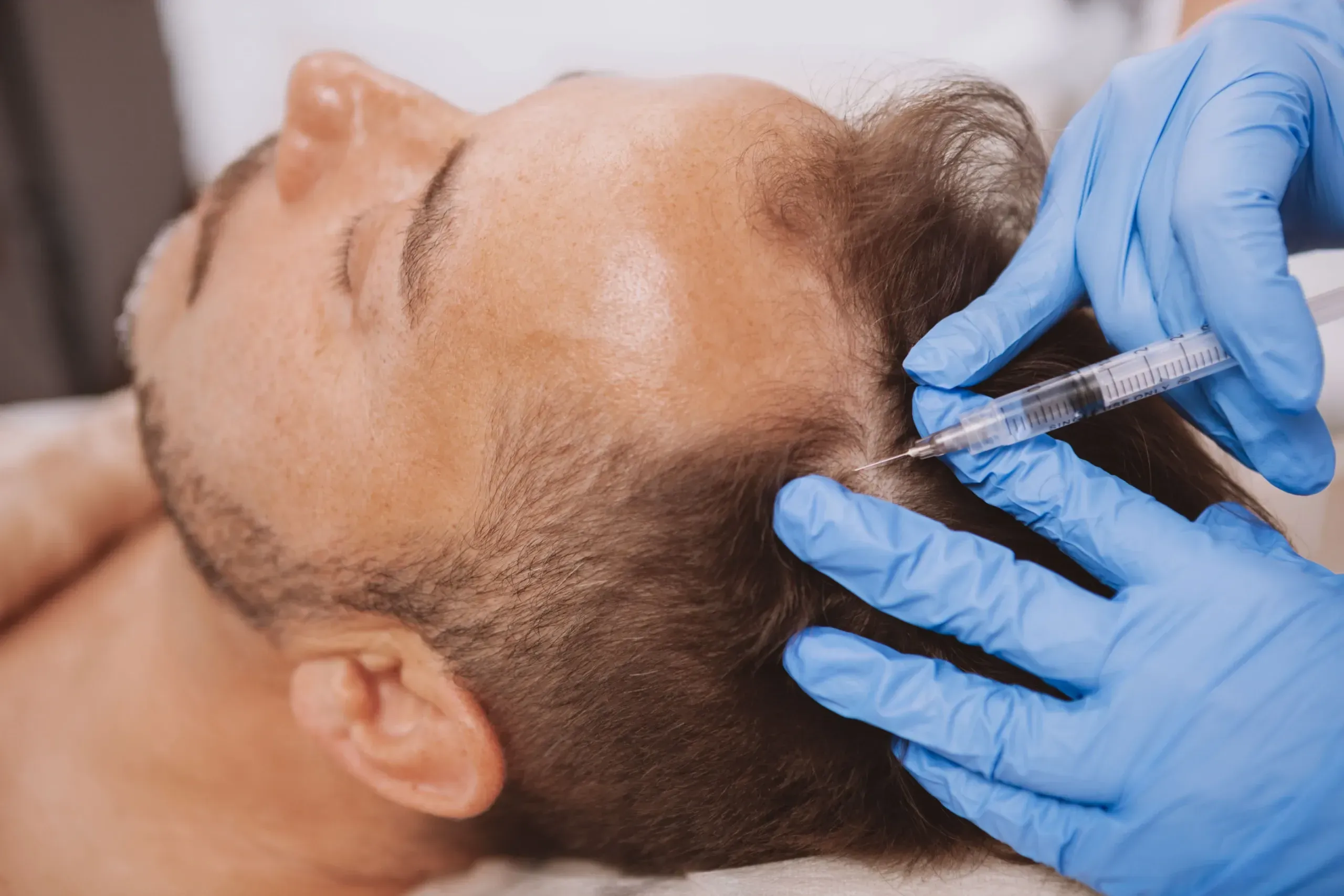
The PRP is injected directly into the scalp using a fine needle:
- A topical anesthetic or nerve block is applied beforehand to minimize discomfort
- Injections are spaced approximately one centimeter apart across the treatment area
- The entire injection process takes about 20 to 30 minutes
- Most patients describe the sensation as mild pressure or a slight pinch
Step 5: Aftercare
- You can return to normal activities immediately, though strenuous exercise should be avoided for 24 to 48 hours
- Mild soreness, redness, or swelling at injection sites is normal and resolves within a day or two
- Avoid washing your hair for at least 12 hours after treatment
- Results typically begin to appear after two to three months, with optimal results at six to twelve months
How Effective Is PRP?
The evidence for PRP in hair restoration has grown substantially:
- A 2019 meta-analysis published in Dermatologic Surgery found that PRP significantly increased hair count and hair thickness compared to placebo
- Most studies report a 30 to 40 percent increase in hair density after a series of treatments
- Response rates are generally higher in patients with earlier-stage hair loss
- Some patients see improvement in hair quality (thickness, texture, shine) even before measurable density changes
- Individual results vary based on the underlying cause of hair loss, the PRP preparation method, and patient factors
Factors That Influence Results
- Duration of hair loss: Follicles that have been dormant for many years are less likely to respond
- Degree of miniaturization: Partially miniaturized follicles respond better than completely atrophied ones
- PRP concentration: Higher platelet concentrations generally produce better results
- Number of sessions: Most protocols recommend three to four initial sessions spaced four to six weeks apart
- Maintenance: Ongoing sessions every six to twelve months help sustain results
Safety and Side Effects
PRP is one of the safest hair restoration treatments available because it uses your own blood:
- No risk of allergic reaction: Since PRP is autologous (from your own body), there is virtually no risk of allergy or rejection
- Minimal side effects: The most common side effects are temporary soreness, redness, and mild swelling at injection sites
- No systemic side effects: Unlike oral medications, PRP does not affect hormones, blood pressure, or sexual function
- Quick recovery: Most patients return to normal activities the same day
- Rare complications: Infection (extremely rare with proper sterile technique), bruising, and temporary headache
PRP vs Hair Transplants
PRP and hair transplants serve different roles in hair restoration:
PRP is ideal when:
- Hair is thinning but not completely gone
- You want to preserve and thicken existing hair
- You prefer a non-surgical approach
- You want to enhance hair transplant results
Hair transplants are ideal when:
- An area is completely bald with no remaining follicles
- You want permanent, one-time results
- PRP and medications have not achieved your desired density
- You have a stable hair loss pattern
Many patients benefit from both. PRP can be used before a transplant to strengthen the recipient area, after a transplant to enhance graft survival, and as ongoing maintenance to protect non-transplanted hair.
PRP's Role in Dermatology
Beyond hair restoration, PRP has applications across dermatology:
- Skin rejuvenation and collagen stimulation (the "vampire facial")
- Scar treatment, including acne scars
- Wound healing acceleration
- Joint and tendon repair in sports medicine
This broad evidence base supports the biological mechanisms by which PRP promotes tissue regeneration, lending credibility to its hair restoration applications.
Who Should Not Get PRP
While PRP is safe for most people, certain conditions may make you an unsuitable candidate:
- Active blood disorders, including thrombocytopenia (low platelet count)
- Active infections on the scalp
- Certain blood-thinning medications that affect platelet function
- Active cancer or undergoing chemotherapy
- Chronic liver disease affecting blood clotting
- Hemodynamic instability
- Completely bald areas with no remaining follicles (PRP cannot create new follicles)
A thorough consultation with your dermatologist will determine if PRP is right for you.
How Long Do Results Last?
PRP results are not permanent because the underlying cause of hair loss (genetics, hormones, aging) continues:
- Initial improvements typically become visible at two to three months
- Peak results occur at six to twelve months after completing the initial series
- Without maintenance sessions, results gradually diminish over 12 to 18 months
- Regular maintenance sessions every six to twelve months can sustain and build upon initial gains
- Combining PRP with medications like minoxidil or finasteride can extend the duration of results
ARTAS Robotic Hair Transplant at DSI Hair
For patients whose hair loss has progressed beyond what PRP alone can address, DSI Hair offers the ARTAS Robotic Hair Transplant system. This state-of-the-art technology provides:
- AI-guided precision in selecting and harvesting individual follicular units
- Minimally invasive procedure with no linear scar
- Natural-looking results with faster recovery than traditional transplant methods
- The ability to combine with PRP therapy for optimal outcomes
Conclusion
PRP therapy represents a scientifically validated, minimally invasive option for individuals experiencing thinning hair. By harnessing your body's own growth factors, PRP can stimulate dormant follicles, thicken existing hair, and slow the progression of hair loss.
Whether used alone or in combination with other treatments, PRP is a versatile tool in the fight against hair loss. At DSI Hair, our experienced team will evaluate your specific situation, determine if PRP is right for you, and create a customized treatment plan to help you achieve your hair restoration goals.
Schedule your consultation today and discover how PRP therapy can help restore your hair and your confidence.