Postpartum Hair Loss: What New Mothers Need to Know
Postpartum hair loss affects up to 50% of new mothers and can be alarming. Learn why it happens, when it peaks, and how to manage it while your hair recovers naturally.
What Is Postpartum Hair Loss?
Postpartum hair loss, medically known as postpartum telogen effluvium, is a common condition that affects an estimated 40% to 50% of women in the months following childbirth. If you are a new mother finding clumps of hair in your brush, on your pillow, or clogging the shower drain, you are not alone and this is almost always temporary.
During pregnancy, elevated estrogen levels cause hair to remain in the active growth phase (anagen) for longer than usual. This is why many women enjoy thicker, fuller hair during pregnancy. After delivery, estrogen levels drop dramatically, and all those hairs that were held in the growth phase are suddenly released into the resting phase (telogen) simultaneously. When these hairs shed two to three months later, the volume of hair loss can be startling.
It is important to understand that postpartum hair loss is not true hair loss in the sense of permanent follicle damage. It is excessive shedding of hairs that were retained longer than their natural cycle. Your follicles are healthy and will continue to produce new hair.
Why Postpartum Hair Loss Happens
Several interconnected factors contribute to postpartum hair loss, with hormonal changes being the primary driver.
Hormonal Shifts
The hormonal changes following childbirth are among the most dramatic the body experiences:
Estrogen - During pregnancy, estrogen levels rise dramatically, sometimes ten to forty times higher than normal. Estrogen is protective of hair, extending the anagen phase and reducing normal daily shedding. After delivery, estrogen levels plummet within days, triggering a mass transition of hair follicles from anagen to telogen.
Progesterone - Like estrogen, progesterone rises significantly during pregnancy and drops rapidly after delivery. While its role in hair growth is less direct, the rapid decline contributes to the overall hormonal disruption.
Prolactin - Elevated during breastfeeding, prolactin can also influence hair cycling. Some women report that shedding continues or recurs while breastfeeding, though this relationship is not fully understood.
Thyroid hormones - Pregnancy and the postpartum period can trigger or exacerbate thyroid disorders. Both hypothyroidism and hyperthyroidism can cause hair loss independent of the normal postpartum shedding. Postpartum thyroiditis affects approximately 5% to 10% of women.
Nutritional Gaps
Pregnancy and breastfeeding place enormous nutritional demands on the body. Common deficiencies that can exacerbate postpartum hair loss include:
- Iron - Blood loss during delivery can deplete iron stores. Iron deficiency is one of the most common nutritional causes of hair shedding
- Zinc - Important for hair tissue growth and repair
- Vitamin D - Often depleted during pregnancy
- Protein - The building block of hair. Inadequate intake during breastfeeding can impair hair production
- B vitamins - Including biotin, which supports keratin production
- Omega-3 fatty acids - Important for scalp health and hair follicle function
Fatigue and Sleep Deprivation
The exhaustion of caring for a newborn takes a measurable toll on the body. Sleep deprivation:
- Elevates cortisol levels, which can further disrupt the hair growth cycle
- Impairs the body's repair processes that occur during deep sleep
- Reduces growth hormone production
- Weakens immune function
- Can contribute to mood changes that affect overall health
Thyroid Issues
Postpartum thyroiditis deserves special attention because it can mimic or compound normal postpartum shedding. Symptoms of postpartum thyroid dysfunction include:
- Excessive fatigue beyond normal new-parent tiredness
- Unexplained weight changes
- Mood swings or depression
- Heart palpitations
- Sensitivity to heat or cold
- Diffuse hair thinning that seems disproportionate
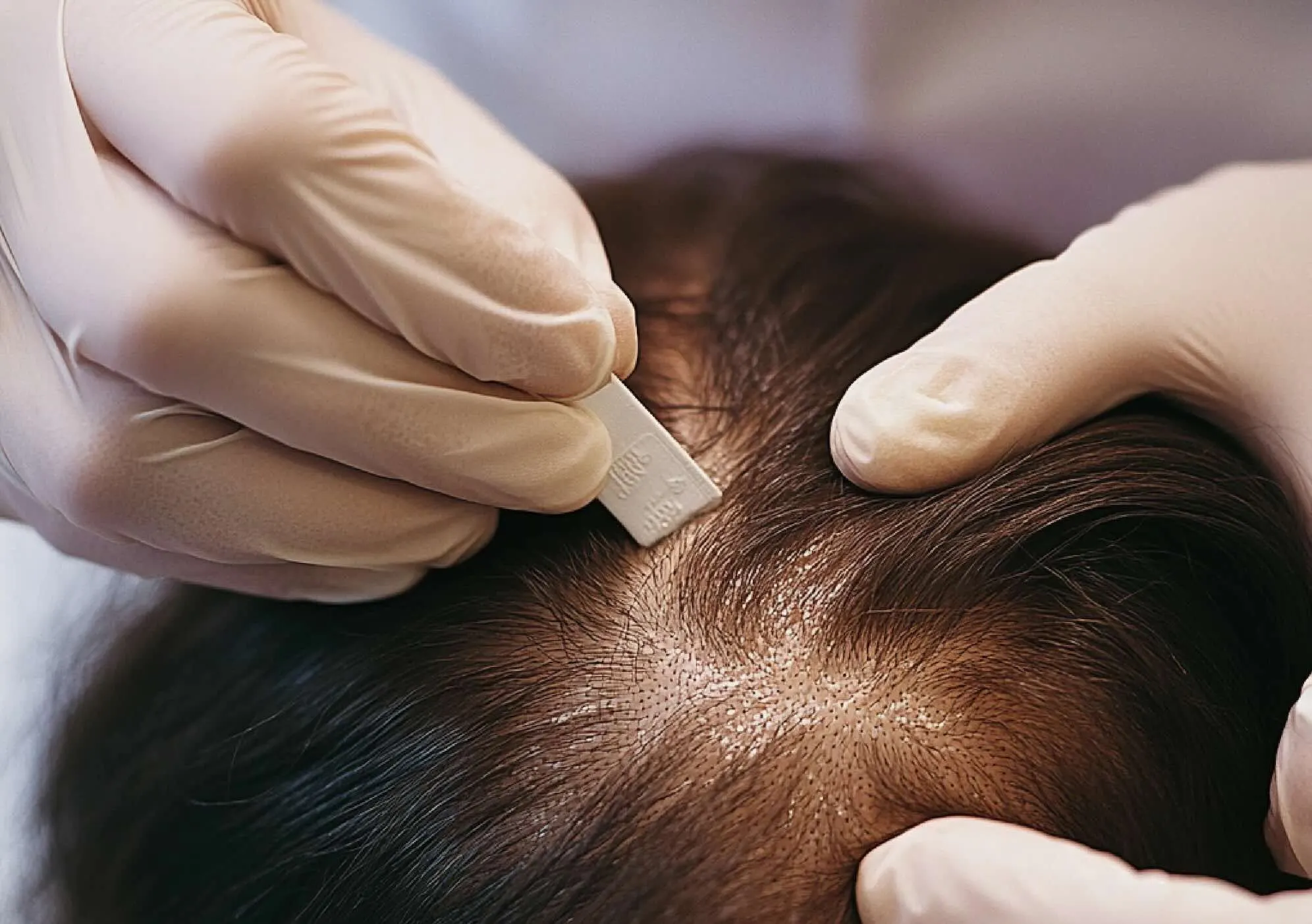
If you suspect thyroid involvement, blood tests for TSH, free T3, and free T4 can help identify the issue.
The Postpartum Hair Loss Timeline
Understanding the typical timeline helps set expectations and reduces anxiety.
Months 1-2 After Delivery
During the first couple of months postpartum, you may not notice significant changes. The hormonal shifts are occurring, and follicles are transitioning from anagen to telogen, but the telogen phase lasts about three months before shedding occurs.
Months 2-4 (Peak Shedding)
This is when most women begin to notice increased hair fall. The shedding typically peaks around three to four months postpartum. During this phase:
- You may lose 200 to 400+ hairs per day (compared to the normal 50-100)
- Hair may come out in noticeable clumps during washing or brushing
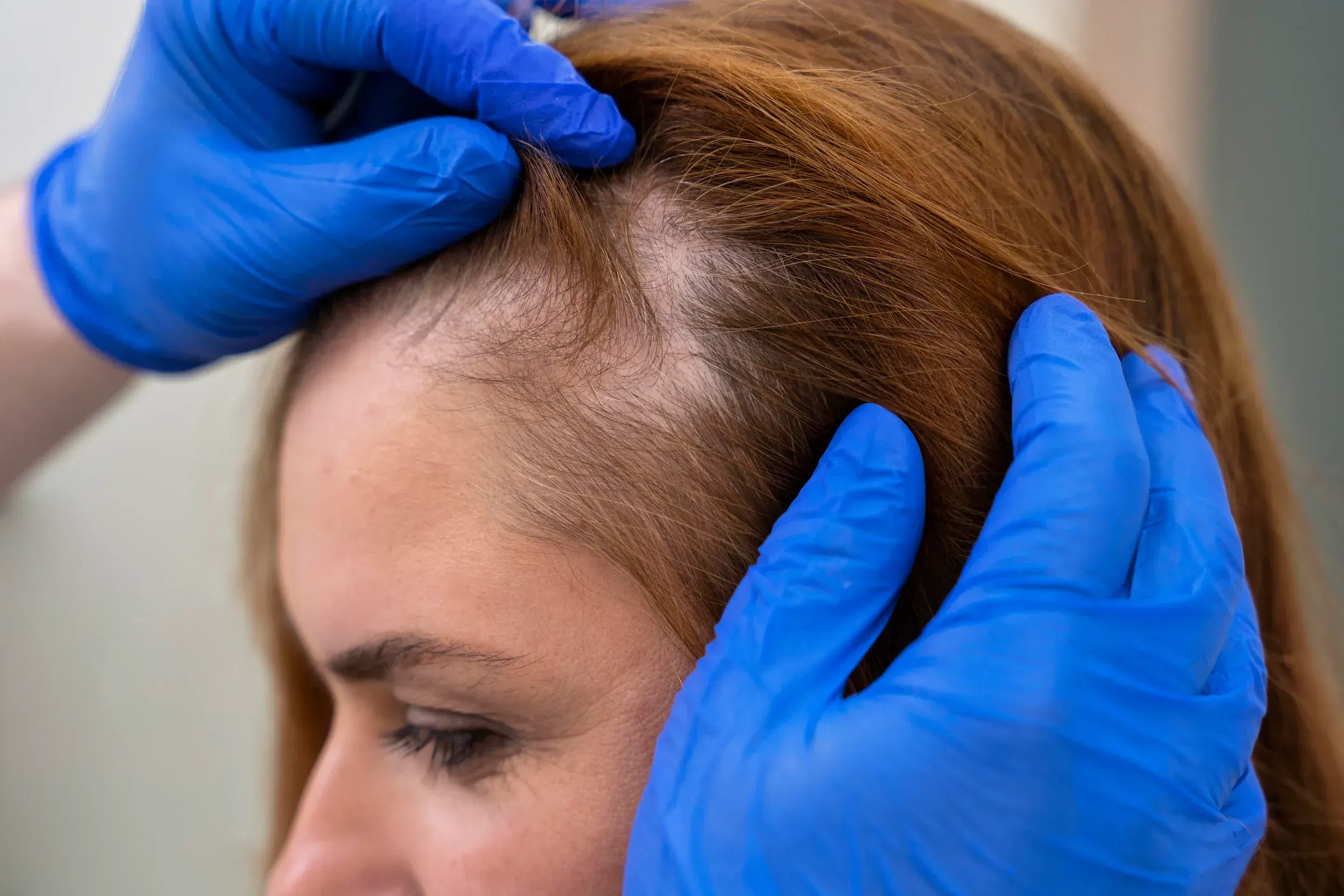
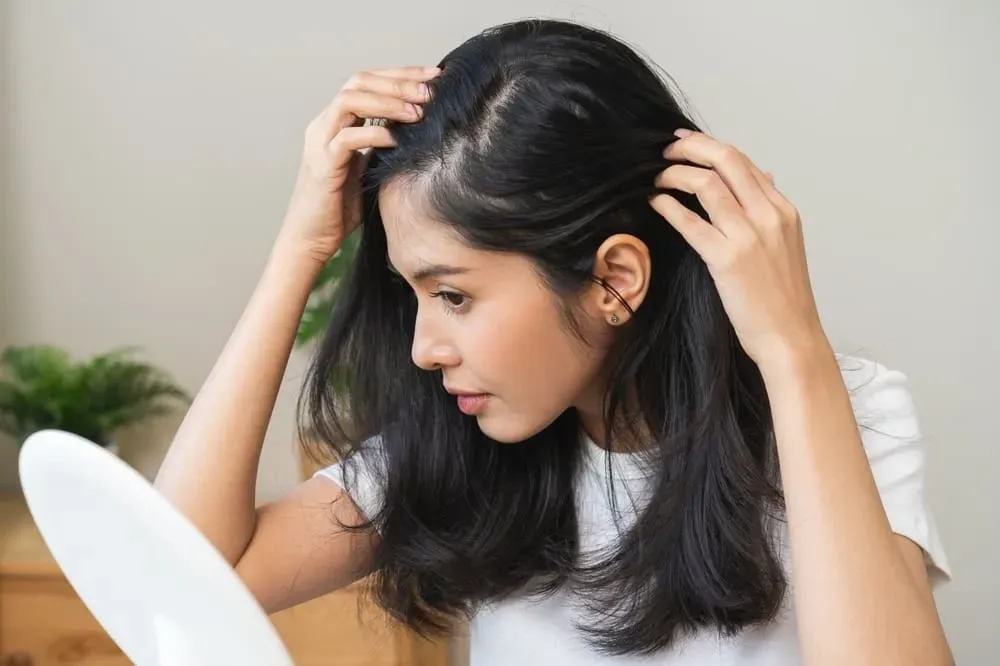
- The hairline, temples, and part line may appear thinner
- You may notice a ring of shorter regrowth hairs framing your face
Months 4-6
Shedding gradually begins to slow. Many women report that the worst is over by month five or six, though some shedding above normal levels may continue.
Months 6-12 (Recovery)
Hair gradually returns to its pre-pregnancy density and thickness. New growth fills in thinning areas, though the shorter regrowth hairs may take time to reach full length. By nine to twelve months postpartum, most women feel that their hair has largely returned to normal.
Beyond 12 Months
If significant shedding or thinning continues beyond twelve months, it may indicate an underlying condition such as thyroid dysfunction, iron deficiency, or androgenetic alopecia that was masked by pregnancy hormones. This warrants medical evaluation.
How Much Shedding Is Normal?
During the peak of postpartum shedding, it is normal to lose several hundred hairs per day. While this amount is alarming, remember that you were shedding far fewer hairs than normal during pregnancy. The postpartum shedding is essentially a delayed release of hairs that would have fallen out over the previous nine months.
Signs that shedding may be beyond normal postpartum levels:
- Bald patches or areas of complete hair loss (suggests alopecia areata)
- Shedding that begins before two months postpartum
- Shedding that continues unabated beyond twelve months
- Other symptoms such as fatigue, weight changes, or mood changes that suggest an underlying condition
Tips for Managing Postpartum Hair Loss
While postpartum hair loss will resolve on its own in most cases, these strategies can help you manage the process and support healthy regrowth.
Gentle Hair Care
- Use a wide-toothed comb instead of a brush, especially on wet hair
- Switch to a gentle, sulfate-free shampoo that will not strip natural oils
- Condition regularly to keep hair moisturized and reduce breakage
- Avoid heat styling as much as possible; if you must, use the lowest setting and a heat protectant
- Do not pull or tug at tangles; use a detangling spray
- Pat hair dry with a soft towel rather than rubbing
- Sleep on a satin or silk pillowcase to reduce friction
Hairstyles That Help
- Volumizing cuts - A shorter style or layers can make thinning less noticeable
- Side parts - Can conceal thinning along the center part
- Loose styles - Avoid tight ponytails, buns, or braids that add tension to the hairline
- Headbands and scarves - Fashionable accessories that can conceal thinning areas while adding style
- Volumizing products - Lightweight mousses and root-lifting sprays can create the appearance of fuller hair
Nutrition
Feeding your body well is one of the most impactful things you can do for hair recovery:
- Protein - Aim for adequate protein at every meal (eggs, lean meats, fish, legumes, Greek yogurt)
- Iron-rich foods - Red meat, spinach, lentils, fortified cereals. Consider having your ferritin levels tested
- Omega-3 fatty acids - Salmon, sardines, walnuts, flaxseeds
- Vitamin C - Enhances iron absorption and supports collagen production
- Zinc - Oysters, beef, pumpkin seeds, chickpeas
- Biotin-rich foods - Eggs, almonds, sweet potatoes, avocados
- Stay hydrated - Adequate water intake supports all cellular processes
Supplements
If your diet is insufficient (common when caring for a newborn), targeted supplements can help:
- Prenatal vitamins - Continue taking them postpartum, especially if breastfeeding
- Iron - Only supplement if blood work confirms a deficiency
- Vitamin D - Many women are deficient, particularly in northern climates
- Biotin - Supports keratin production
- Omega-3 fish oil - Anti-inflammatory and supportive of hair and scalp health
Always consult with your healthcare provider before starting supplements, particularly if breastfeeding.
Professional Treatment Options
If postpartum hair loss is more severe or persistent than expected, professional treatments may be appropriate:
- Minoxidil - Available over the counter in 2% formulation. Generally considered safe postpartum, but discuss with your doctor if breastfeeding
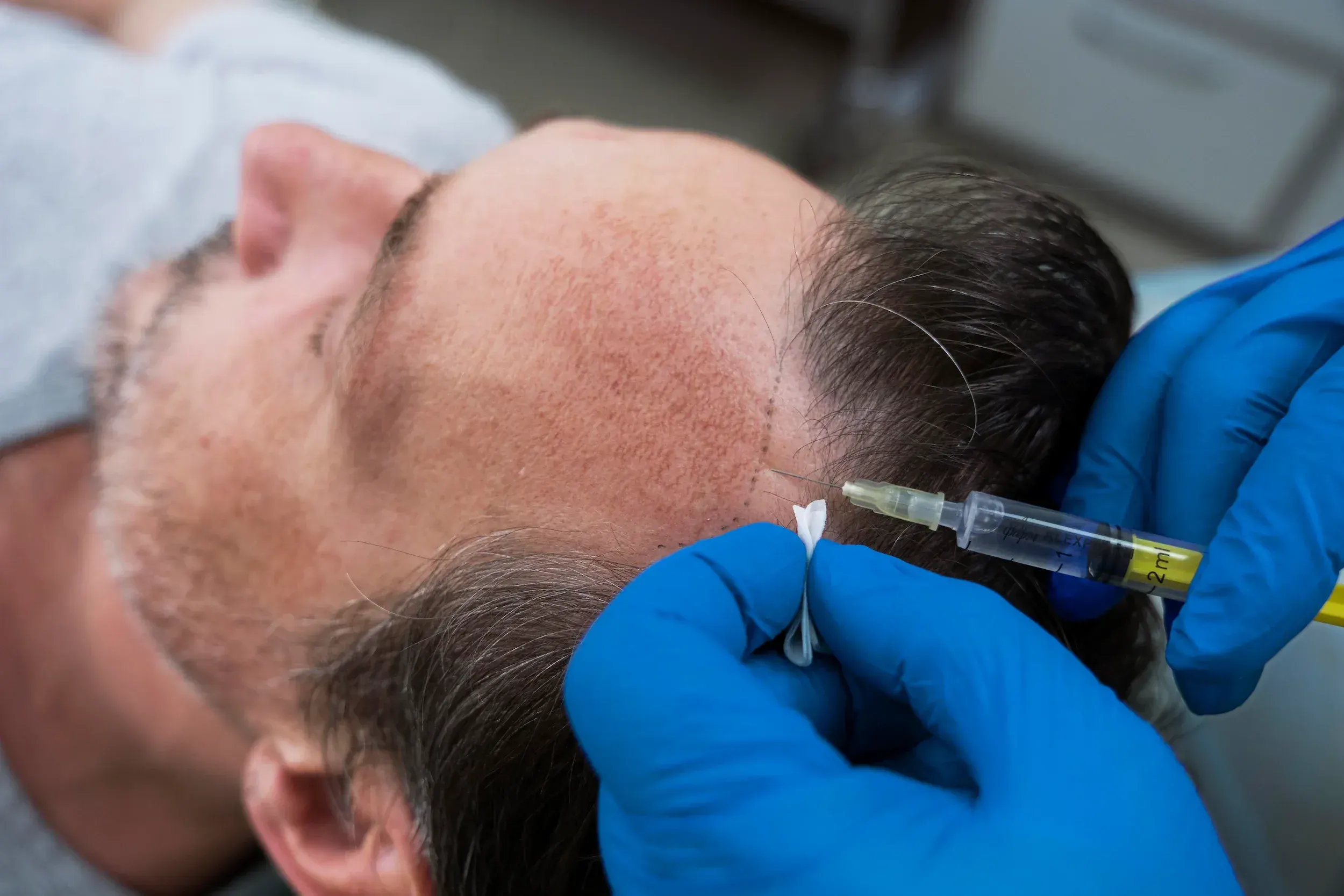
- PRP therapy - Platelet-rich plasma injections can stimulate follicle activity and promote regrowth
- Low-level laser therapy - Light-based treatment that stimulates cellular activity in follicles
- Prescription treatments - A dermatologist can prescribe targeted medications if an underlying condition is identified
When to Seek Help
Consider scheduling an appointment with your doctor or a dermatologist if:
- Shedding has not improved by nine to twelve months postpartum
- You notice bald patches rather than diffuse thinning
- Hair loss is accompanied by other symptoms (fatigue, weight changes, mood changes)
- You had significant blood loss during delivery
- You have a personal or family history of thyroid disease
- The hair loss is affecting your mental health or daily functioning
- You are considering treatment and want professional guidance
Postpartum hair loss is one of the many physical changes that come with motherhood. While it can be distressing in the moment, it is almost always temporary and resolves completely within a year. Your hair went through extraordinary changes during pregnancy, and the postpartum shedding is simply your body recalibrating. With proper nutrition, gentle care, and patience, your hair will return to its pre-pregnancy fullness.