Is Topical Finasteride as Effective as Oral? A Complete Comparison
Topical finasteride has emerged as an alternative to oral finasteride for treating hair loss. This comprehensive comparison examines clinical studies, side effects, and which form may be right for you.
What Is Finasteride?
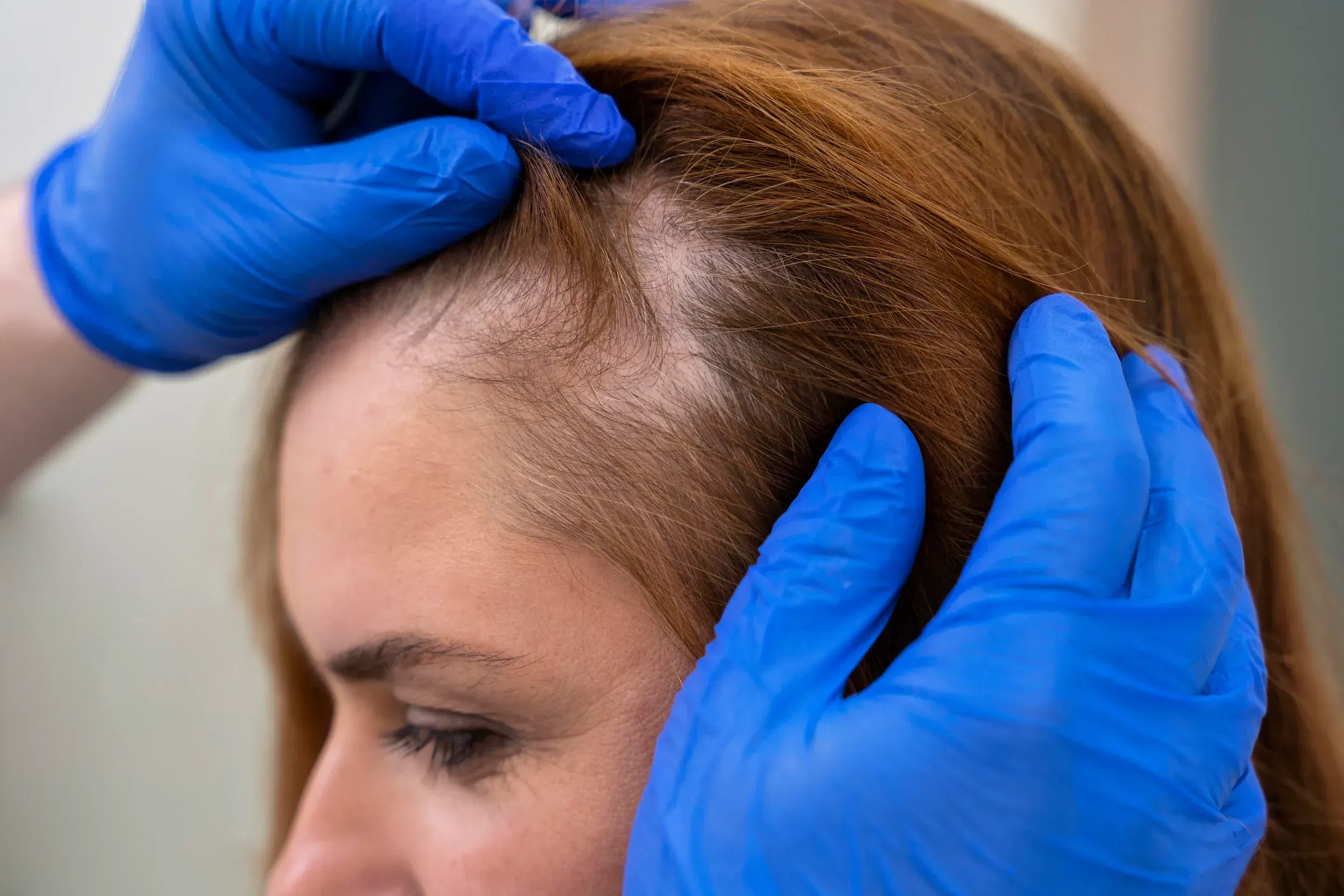
Finasteride is one of the most well-studied and effective medications for treating male pattern hair loss (androgenetic alopecia). It belongs to a class of drugs called 5-alpha reductase inhibitors. These medications work by blocking the enzyme 5-alpha reductase, which is responsible for converting testosterone into dihydrotestosterone (DHT).
DHT is the primary androgen responsible for hair follicle miniaturization in people genetically predisposed to pattern hair loss. By reducing DHT levels, finasteride slows or stops the progression of hair thinning and, in many cases, promotes regrowth of miniaturized hairs.
Traditionally, finasteride has been prescribed as a 1mg oral tablet (brand name Propecia). However, in recent years, topical formulations have gained significant attention as a potential way to achieve similar hair benefits with fewer systemic side effects.
How DHT Drives Hair Loss
To understand how finasteride works, it helps to understand the role of DHT in hair loss. Testosterone circulates throughout the body and, when it encounters the enzyme 5-alpha reductase in tissues like the scalp, it is converted into DHT. DHT binds to androgen receptors in susceptible hair follicles, triggering a gradual shrinking process.
Over time, affected follicles produce increasingly thinner and shorter hairs. Eventually, the follicle may become so miniaturized that it no longer produces visible hair. This process is progressive, which is why early intervention with DHT-blocking treatments like finasteride yields the best outcomes.
Comparing Topical vs. Oral Finasteride on Hair Regrowth
Clinical Studies
Several clinical studies have directly compared topical and oral finasteride. One of the most referenced is a 2022 randomized controlled trial published in the Journal of the American Academy of Dermatology. This study compared topical finasteride (0.25% applied once daily) with oral finasteride (1mg daily) over 24 weeks in men with androgenetic alopecia.
The results showed that topical finasteride produced comparable improvements in hair count to oral finasteride. Both groups showed statistically significant increases in hair density compared to baseline, and the difference between the two groups was not statistically significant.
A 2023 meta-analysis reviewing multiple studies confirmed these findings, concluding that topical finasteride at adequate concentrations can achieve hair regrowth results similar to the oral formulation. However, the researchers noted that formulation, concentration, and application technique significantly influence outcomes.
DHT Reduction Mechanism
The key difference between topical and oral finasteride lies in how they reduce DHT:
Oral finasteride is absorbed into the bloodstream and reduces serum (blood) DHT levels by approximately 60% to 70%. This systemic reduction affects DHT throughout the entire body, not just the scalp.
Topical finasteride is designed to work primarily at the site of application. When applied to the scalp, it inhibits 5-alpha reductase locally, reducing DHT in the scalp tissue. Studies show that topical finasteride reduces scalp DHT significantly while reducing serum DHT by a much smaller margin, typically 20% to 40% depending on concentration and formulation.
This targeted approach is the primary advantage of topical finasteride. By reducing DHT primarily where it matters for hair growth, it potentially minimizes the systemic hormonal effects that cause side effects.
Areas of Greatest Response
Both formulations tend to show the strongest results in the vertex (crown) area, which is consistent with the overall literature on finasteride. The frontal hairline is generally more resistant to treatment, though both topical and oral formulations can slow progression in this area.
Some dermatologists report that topical finasteride may have a slight advantage in treating the area where it is directly applied, since the local concentration of the drug can be quite high at the application site.
Speed of Results
Both topical and oral finasteride require patience. Visible results typically begin to appear after three to six months of consistent use, with maximum benefits often not seen until twelve to eighteen months. The timeline is similar for both formulations. Initial shedding may occur in the first few weeks as weaker hairs are replaced by stronger ones.
Side Effects Comparison
Oral Finasteride Side Effects
Oral finasteride's systemic DHT reduction can lead to several well-documented side effects, though they affect only a small percentage of users:
- Sexual side effects - Decreased libido, erectile dysfunction, and reduced ejaculate volume occur in approximately 2% to 4% of users in clinical trials
- Mood changes - Some users report depression or anxiety, though a direct causal link is debated
- Breast tenderness or enlargement - Rare but documented
- Post-finasteride syndrome - A controversial condition in which sexual and neurological side effects persist after discontinuing the drug, reported by a small number of users
Topical Finasteride Side Effects
- Sexual side effects - Studies consistently show a lower incidence of sexual side effects compared to oral finasteride, owing to the reduced systemic DHT suppression
- Local scalp reactions - Itching, dryness, redness, or irritation at the application site, which are not seen with oral formulations
- Scalp flaking - Some formulations, particularly those with alcohol-based vehicles, can dry out the scalp
- Contact transfer - A consideration for those with partners or children, as the medication can potentially transfer through skin contact
The reduced side effect profile is the primary reason many patients and dermatologists are choosing topical finasteride as a first-line treatment.
Who Should Consider Each Form?
Topical Finasteride May Be Best For
- Patients concerned about sexual side effects
- Those who have previously experienced side effects on oral finasteride
- Patients who prefer localized treatment
- Those already using topical minoxidil (combination formulations are available)
- Younger patients who want to minimize systemic hormonal effects
Oral Finasteride May Be Best For
- Patients who want simplicity (one pill per day)
- Those with extensive hair loss covering large areas
- Patients who find topical application inconvenient or difficult to maintain consistently
- Those who have tolerated oral finasteride without side effects
- Patients who also need DHT reduction for other conditions (such as benign prostatic hyperplasia)
Dermatologist Recommendations
The consensus among hair restoration specialists is evolving. Many dermatologists now recommend starting with topical finasteride, particularly for patients who express concern about side effects. If topical treatment proves insufficient after six to twelve months, they may suggest switching to or adding oral finasteride.
Some specialists recommend combination approaches:
- Topical finasteride plus minoxidil - Available as a combined solution for convenience
- Low-dose oral finasteride plus topical - Using a lower oral dose (0.5mg or even 0.25mg) alongside topical application
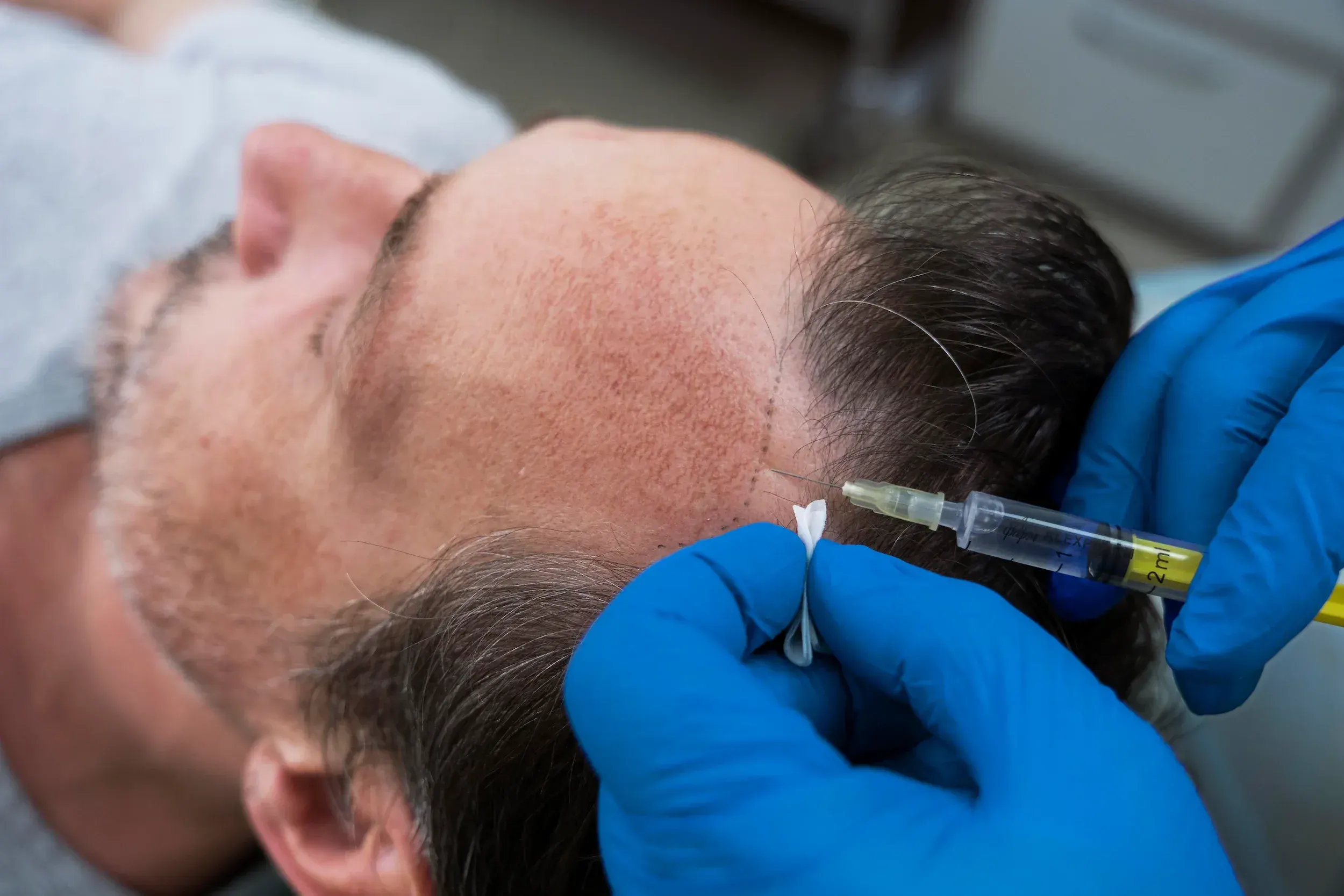
- Topical finasteride with PRP - Combining the DHT blocker with platelet-rich plasma therapy for enhanced results
Cost and Accessibility
Oral finasteride is widely available as a generic medication and is relatively inexpensive, often costing between ten and thirty dollars per month. It requires a prescription from a healthcare provider.
Topical finasteride is typically more expensive, ranging from forty to one hundred dollars or more per month, depending on the formulation and pharmacy. Compounding pharmacies prepare customized topical formulations, and several telemedicine companies now offer proprietary topical finasteride products.
Insurance coverage varies and may not cover either formulation when prescribed for hair loss, as it is often considered a cosmetic concern.
The Final Verdict
Based on current evidence, topical finasteride appears to be nearly as effective as oral finasteride for treating androgenetic alopecia, with a meaningfully lower risk of systemic side effects. The key factors in its effectiveness are proper formulation, adequate concentration, and consistent application.
Neither form is objectively superior in all situations. The best choice depends on your individual priorities, tolerance for side effects, lifestyle, and the extent of your hair loss. Working with a knowledgeable dermatologist or hair restoration specialist is the best way to determine which approach is right for you.
Frequently Asked Questions
Can I switch from oral to topical finasteride?
Yes. Many patients switch from oral to topical finasteride without issues. Your doctor may recommend a transition period where you use both briefly before discontinuing the oral form.
Can I use topical finasteride with minoxidil?
Absolutely. In fact, combination products containing both topical finasteride and minoxidil are available and increasingly popular. Using both addresses hair loss through complementary mechanisms.
How do I apply topical finasteride?
Typically, you apply the solution or spray directly to the areas of thinning on a dry scalp once daily. Gently massage it in and allow it to dry before styling. Follow the specific instructions provided with your formulation.
Does topical finasteride work for women?
Topical finasteride is sometimes prescribed off-label for women with androgenetic alopecia. The lower systemic absorption may make it preferable to oral finasteride in women of childbearing age, though it should still be used with appropriate precautions and medical supervision.
How long do I need to use finasteride?
Finasteride, whether oral or topical, must be used continuously to maintain results. If you stop using it, DHT levels will return to baseline and hair loss will resume. Most patients plan on long-term or indefinite use.
Will my results be permanent?
As long as you continue treatment, the results are maintained. Finasteride effectively pauses the progression of androgenetic alopecia. If discontinued, the hair loss process will resume and any gains may be gradually lost over the following twelve to eighteen months.