Is Oral Minoxidil Better Than Topical?
Comparing oral and topical minoxidil for hair loss treatment. Learn the advantages, side effects, and effectiveness of each formulation to find the right option for you.
Introduction
Minoxidil has been a cornerstone of hair loss treatment for decades. Originally developed as an oral medication for high blood pressure, its hair-growing side effect led to the development of topical formulations that became household names like Rogaine. Now, the pendulum is swinging back as dermatologists increasingly prescribe low-dose oral minoxidil for hair loss.
But which form is better? At DSI Hair, our dermatology team helps patients navigate this decision every day. In this comprehensive guide, we break down the differences between oral and topical minoxidil so you can make an informed choice.
What Is Minoxidil?
Minoxidil was originally developed in the 1950s as an oral antihypertensive medication. Researchers noticed that patients taking it for blood pressure consistently reported increased hair growth, not just on their scalp but all over their body. This led to the development of topical minoxidil specifically for hair loss treatment.
How Minoxidil Works
Minoxidil promotes hair growth through several mechanisms:
- Vasodilation: It opens potassium channels in vascular smooth muscle, increasing blood flow to hair follicles
- Anagen prolongation: It extends the active growth phase of the hair cycle
- Follicle stimulation: It increases the size of miniaturized follicles, producing thicker terminal hairs
- Growth factor upregulation: It stimulates the production of vascular endothelial growth factor (VEGF) in dermal papilla cells
- Prostaglandin pathway: It may influence prostaglandin E2 levels, which promote hair growth
The active metabolite responsible for these effects is minoxidil sulfate, which is converted from minoxidil by the enzyme sulfotransferase in the scalp.
Topical Minoxidil (Rogaine)
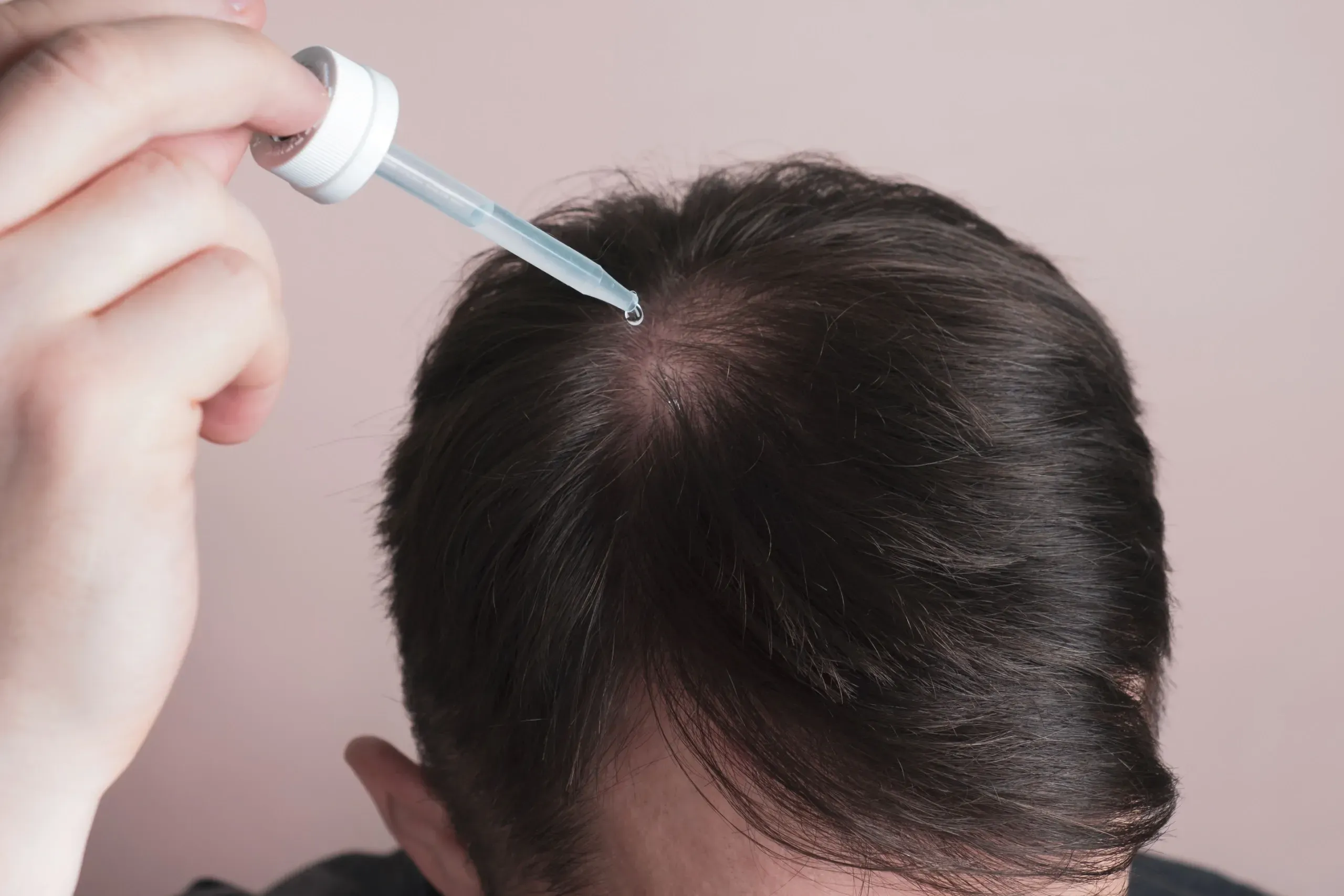
Topical minoxidil has been FDA-approved for hair loss since 1988 and is available over the counter in two concentrations: 2% (for women) and 5% (for men and women).
Advantages of Topical Minoxidil
- Proven track record: Decades of clinical data support its safety and effectiveness
- Over-the-counter availability: No prescription needed
- Localized treatment: Applied directly to the area of concern
- Minimal systemic absorption: Lower risk of body-wide side effects
- Multiple formulations: Available as liquid, foam, and more recently in combination products
- Well-established dosing: Twice daily for 2%, once or twice daily for 5%
Downsides of Topical Minoxidil
- Compliance challenges: Applying a product to your scalp once or twice daily, every single day, indefinitely, is a significant commitment that many patients struggle to maintain
- Scalp irritation: Propylene glycol in the liquid formulation causes contact dermatitis in some users. The foam version mitigates this but costs more
- Greasy or sticky residue: Can affect hairstyling and is cosmetically unappealing, especially for women
- Inconsistent absorption: The conversion of minoxidil to its active form (minoxidil sulfate) depends on sulfotransferase enzyme activity in the scalp, which varies between individuals. Some people are "non-responders" because they lack sufficient enzyme activity
- Drying effect on hair: Some formulations can make hair feel dry and coated
- Initial shedding: A "dread shed" phase often occurs in the first two to eight weeks, which can be alarming
Oral Minoxidil
Low-dose oral minoxidil (LDOM) has gained significant momentum in dermatology circles over the past several years. While not FDA-approved specifically for hair loss (it is prescribed off-label), a growing body of evidence supports its use at doses much lower than those used for blood pressure.
Typical Dosing
- Women: 0.625mg to 2.5mg daily
- Men: 2.5mg to 5mg daily
- These doses are significantly lower than the 10-40mg used for hypertension
Advantages of Oral Minoxidil
- Superior convenience: Taking a small pill once daily is dramatically easier than applying a topical product, leading to much better adherence
- Bypasses scalp enzymes: Oral minoxidil is converted to minoxidil sulfate in the liver, eliminating the variability in scalp sulfotransferase activity. This means patients who did not respond to topical minoxidil may respond to oral
- Increased hair density: Several studies suggest oral minoxidil may produce greater improvements in hair density compared to topical formulations
- No scalp irritation: Eliminates the contact dermatitis and drying effects of topical application
- No cosmetic interference: Does not affect hairstyling or leave residue
- Treats the entire scalp: Systemic delivery means all follicles benefit, not just those in the application zone
Possible Downsides of Oral Minoxidil
- Hypertrichosis: Increased hair growth in unwanted areas (face, arms, legs) is the most common side effect, occurring in up to 20% of patients depending on dose. This is more concerning for women
- Cardiovascular effects: At low doses, significant cardiovascular effects are rare, but potential effects include fluid retention, slight decrease in blood pressure, and increased heart rate. Patients with heart conditions require careful monitoring
- Prescription required: Must be prescribed and monitored by a physician
- Not FDA-approved for hair loss: Off-label use, though extensive clinical data supports safety at low doses
- Pedal edema: Mild ankle swelling can occur, especially at higher doses
- Pericardial effusion: Extremely rare at low doses but warrants awareness
Comparing Effectiveness
For Male Androgenetic Alopecia
Direct comparison studies are limited, but available evidence suggests:
- A 2022 randomized controlled trial found that oral minoxidil 5mg daily produced greater improvements in hair density than topical minoxidil 5% twice daily in men with androgenetic alopecia
- Oral minoxidil may be particularly beneficial for men who did not respond to topical treatment
- The combination of oral minoxidil with finasteride appears to be more effective than either treatment alone
- Response rates for oral minoxidil in men range from 60 to 80 percent in published case series
For Female Pattern Hair Loss
Oral minoxidil has shown particularly promising results in women:
- Women often struggle more with topical application due to longer hair and cosmetic concerns
- Low-dose oral minoxidil (0.625-2.5mg) has shown significant improvements in hair density in multiple studies
- A 2019 retrospective study found that 73% of women on oral minoxidil showed clinical improvement
- The convenience factor leads to dramatically better compliance in female patients
- Hypertrichosis (facial hair growth) is manageable for most women with hair removal methods
Side Effects Comparison
| Side Effect | Topical | Oral |
|---|---|---|
| Scalp irritation | Common (especially liquid) | None |
| Contact dermatitis | 5-10% with liquid | None |
| Hypertrichosis | Uncommon | Up to 20% |
| Blood pressure changes | Minimal | Mild at low doses |
| Heart rate increase | Minimal | Possible |
| Fluid retention | None | Rare at low doses |
| Initial shedding | Common | Common |
| Hair dryness | Common | None |
Choosing the Right Formulation
The best choice depends on your individual circumstances:
Topical minoxidil may be better if:
- You prefer an FDA-approved, over-the-counter option
- You have cardiovascular concerns that preclude oral use
- You want to target a specific area of the scalp
- You tolerate the application process well
- You respond well to the topical formulation
Oral minoxidil may be better if:
- You have struggled with compliance using topical products
- You did not respond to topical minoxidil (possible non-converter)
- You experience scalp irritation from topical formulations
- You want a more convenient treatment regimen
- You are comfortable with physician monitoring
- You have diffuse thinning across the entire scalp
The Role of Dermatologists
Regardless of which formulation you choose, working with a board-certified dermatologist ensures:
- Accurate diagnosis of your specific type of hair loss
- Appropriate formulation and dosing recommendations
- Monitoring for side effects, especially with oral minoxidil
- Adjustment of your treatment plan based on response
- Integration with other treatments for optimal results
- Baseline blood work and periodic monitoring with oral minoxidil
Am I a Good Candidate for Minoxidil?
Minoxidil (in either form) is most effective for:
- Androgenetic alopecia in both men and women
- Early to moderate stages of hair loss
- Patients with miniaturized but still-living follicles
- Those committed to long-term treatment (results reverse upon discontinuation)
Minoxidil may be less effective or inappropriate for:
- Completely bald areas where follicles have been destroyed
- Hair loss caused by scarring alopecia
- Pregnancy or planned pregnancy
- Uncontrolled cardiovascular disease (for oral form)
Additional Treatment Options at DSI Hair
Minoxidil works best as part of a comprehensive approach. At DSI Hair, we offer:
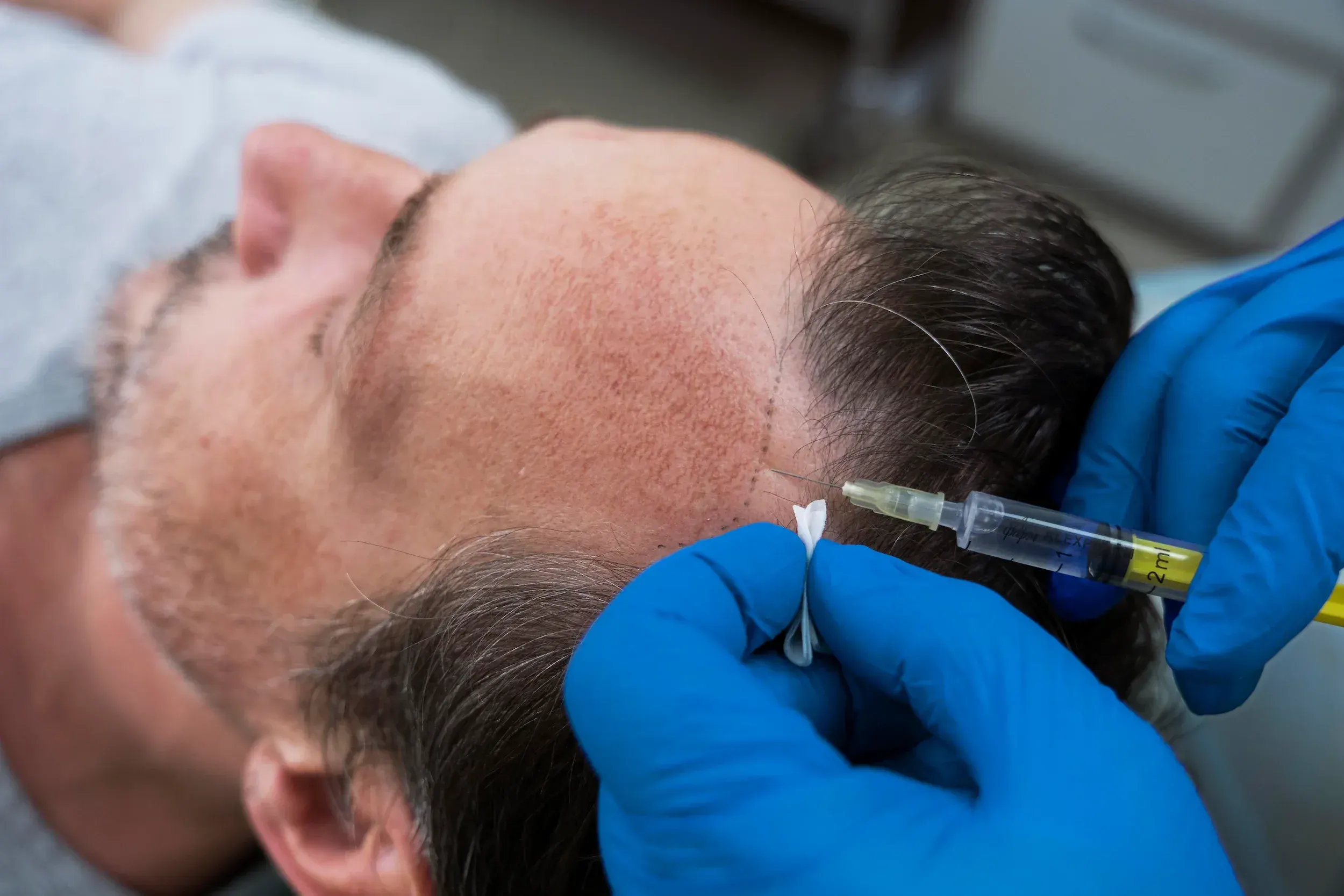
- PRP Therapy: Platelet-rich plasma injections that deliver concentrated growth factors directly to hair follicles, complementing the vascular and follicular effects of minoxidil
- ARTAS Robotic Hair Transplant: For areas where follicles are no longer responsive to medical therapy, our robotic transplant system provides permanent, natural-looking restoration
- Low-Level Laser Therapy (Revian Red): FDA-cleared photobiomodulation that synergizes with minoxidil by further stimulating cellular energy production in follicles
- Finasteride and Dutasteride: DHT-blocking medications that address the hormonal component of androgenetic alopecia
- Customized Treatment Plans: Our team creates personalized protocols combining multiple modalities for maximum results
Conclusion
Both oral and topical minoxidil are effective treatments for hair loss, but they offer different advantages. Topical minoxidil provides a proven, accessible option with minimal systemic effects, while oral minoxidil offers superior convenience, potentially greater efficacy, and a solution for topical non-responders.
The best choice depends on your individual needs, medical history, and treatment goals. At DSI Hair, our experienced dermatology team will evaluate your situation and guide you to the most effective treatment approach.
Contact us today to schedule your consultation and take the next step toward fuller, healthier hair.