Is Hair Transplant Painful? What to Expect Before, During, and After
One of the most common concerns about hair transplant surgery is pain. Here's what to realistically expect before, during, and after the procedure.
Addressing the Fear of Pain
Pain is one of the top concerns people have when considering a hair transplant. It is a fair question — the procedure involves thousands of tiny incisions across the scalp. But the reality is far less dramatic than most people imagine. Modern techniques, local anesthesia, and refined protocols have made hair transplant surgery a surprisingly comfortable experience for the vast majority of patients.
Before the Procedure
The anticipation is often worse than the procedure itself. It is completely normal to feel nervous, especially if this is your first surgical experience.
Here is what happens before surgery begins:
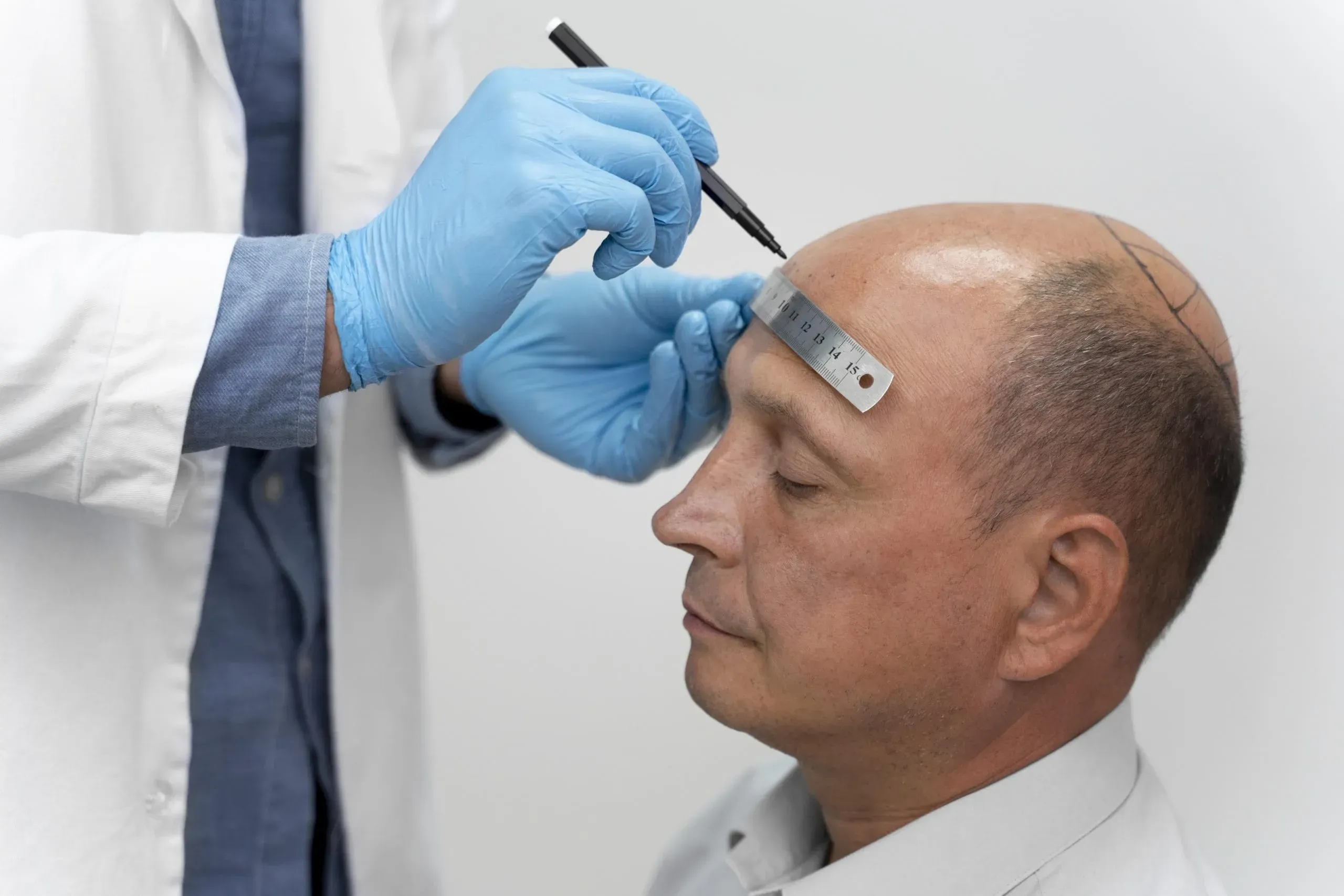
- Pre-operative consultation — Your surgeon reviews the plan, answers final questions, and marks the hairline or recipient zones
- Comfort measures — Many clinics offer mild oral sedation or anti-anxiety medication to help you relax
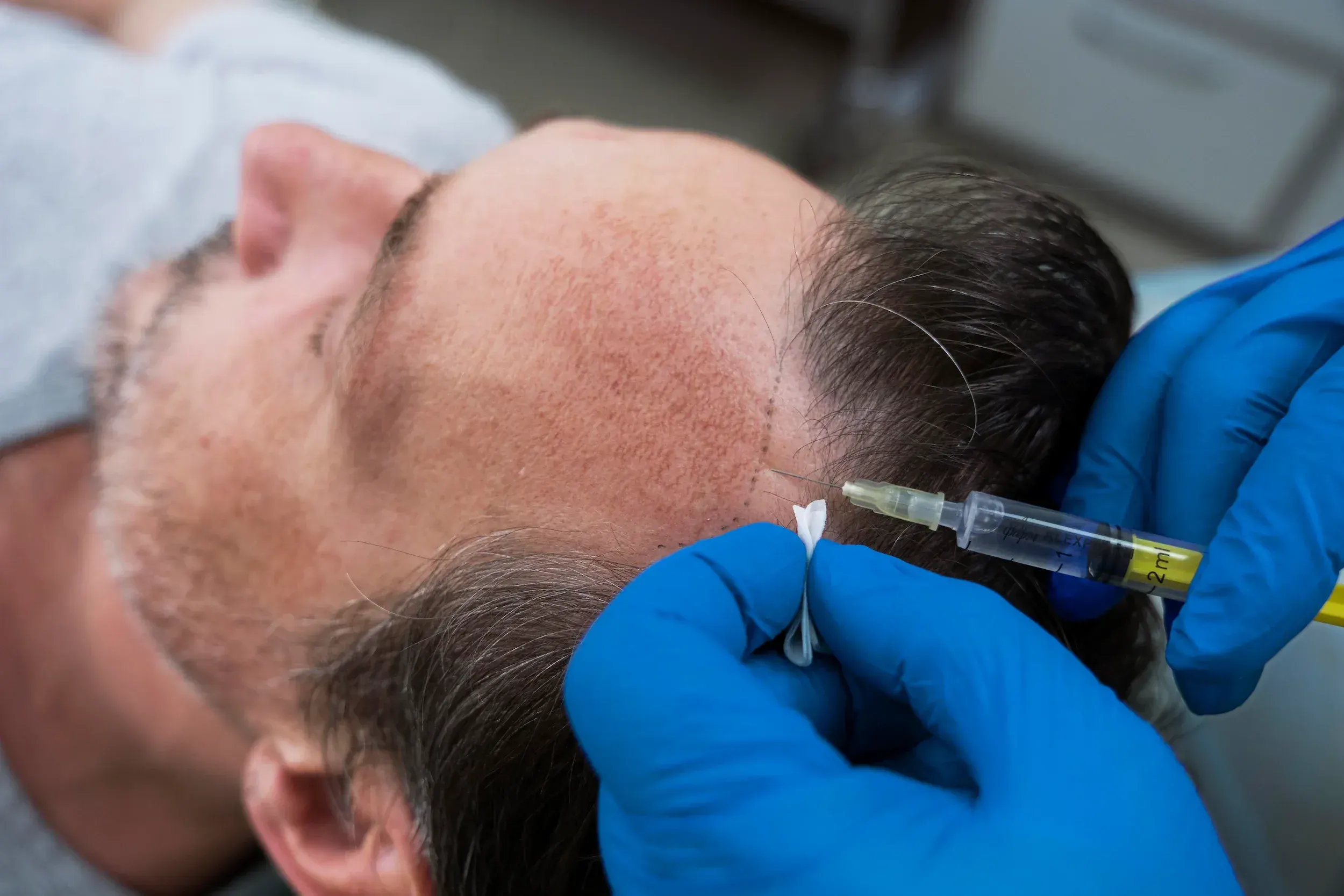
- Local anesthesia — The scalp is numbed using local anesthetic injections in both the donor and recipient areas
The numbing process is typically the most uncomfortable part of the entire day. Patients describe it as a series of small pinches or stings that last only a few minutes. Once the anesthesia takes effect, the scalp is completely numb.
During the Procedure
Once the local anesthesia is working, you should not feel pain during the procedure. What you may feel includes:
- Pressure — A sensation of pressing or tugging, but not sharp pain
- Vibration — Especially with robotic-assisted systems like ARTAS, you may feel a gentle vibrating sensation
- Awareness — You are awake and alert during the procedure, which can feel unusual but is not painful
Most patients watch movies, listen to music, or even doze off during the hours-long procedure. If at any point you feel discomfort, additional anesthesia can be administered immediately.
The Numbing Is Often the Worst Part
Patients consistently report that the initial numbing injections are the most uncomfortable moment of the entire experience. The good news is that this phase is brief — typically lasting just a few minutes — and once the anesthesia is fully active, the rest of the procedure is essentially painless.
Some clinics use vibration devices or cooling sprays to reduce the sensation of the needle, and the injection technique itself has been refined over time to minimize discomfort.
Right After the Procedure
As the anesthesia begins to wear off — usually a few hours after surgery — you will start to feel some sensations in the scalp:
- Soreness — A general aching feeling, similar to a mild sunburn
- Tightness — The donor area (back of the head) may feel tight or stretched
- Tenderness — The recipient area may be sensitive to touch
Your surgeon will prescribe pain medication for the first day or two, but many patients find that over-the-counter pain relief (like acetaminophen) is sufficient. Most describe the discomfort as a 2 or 3 out of 10.
The Next Day
By the morning after surgery, most patients report that the discomfort has already decreased significantly. Common experiences on day two include:
- Mild swelling around the forehead (this can last 2–4 days and is normal)
- Continued tenderness in the donor area
- A feeling of tightness across the scalp
- Itching as the healing process begins
Most patients do not need prescription pain medication beyond the first day.
Donor Area Tenderness
The donor area — where follicles are harvested from the back and sides of the head — tends to be more sore than the recipient area in the days following surgery. This is normal.
With FUE (Follicular Unit Extraction) and robotic-assisted procedures like ARTAS, the donor area heals through tiny dot-like wounds rather than a linear scar. This means:
- Less post-operative discomfort compared to FUT (strip method)
- Faster healing of the donor zone
- No stitches or staples to remove
Donor area tenderness typically resolves within 5–10 days.
Recovery vs. Expectations
Most patients are surprised by how manageable the recovery is. The common pattern is:
- Day 1 — Mild to moderate soreness, manageable with medication
- Days 2–3 — Discomfort decreasing, some swelling possible
- Days 4–7 — Minimal pain, mostly itching and tightness
- Week 2+ — Essentially pain-free, scabs falling off naturally
The psychological recovery — adjusting to the appearance of the scalp during the shedding and early growth phases — is often more challenging than the physical recovery.
ARTAS and FUE: How Technique Affects Comfort
The technique used during your hair transplant affects both the procedure experience and recovery:
- FUE (Follicular Unit Extraction) — Individual follicles are extracted one at a time, leaving tiny dot scars. Recovery is generally quicker and less painful
- ARTAS Robotic System — Uses AI-guided precision to harvest grafts with consistent accuracy, reducing trauma to surrounding tissue
- FUT (Follicular Unit Transplantation) — Involves removing a strip of scalp, which requires sutures and typically has a longer, more uncomfortable recovery
For most patients seeking the least painful experience, FUE or ARTAS procedures are the preferred choice.
Tips to Make It Easier
Here are practical tips to minimize discomfort before, during, and after your hair transplant:
- Follow pre-operative instructions carefully — Avoid blood thinners, alcohol, and certain supplements in the days before surgery
- Communicate during the procedure — If you feel any discomfort, tell your surgical team immediately so they can adjust the anesthesia
- Take medications as prescribed — Stay ahead of the pain by taking prescribed medication on schedule for the first 24–48 hours
- Sleep elevated — Use extra pillows to keep your head elevated for the first few nights to reduce swelling
- Avoid touching or scratching — The recipient area will itch as it heals, but resist the urge to scratch
- Stay hydrated and eat well — Good nutrition and hydration support faster healing
- Be patient with the process — Remember that mild discomfort is temporary, and the results will take months to fully develop
The Bottom Line
A hair transplant is not a pain-free procedure, but it is far less painful than most people expect. The numbing injections are the most uncomfortable part, the procedure itself is essentially painless, and recovery discomfort is mild and short-lived. With modern FUE and robotic techniques, patients can expect a comfortable experience and a quick return to normal activities.