
Is Alopecia Genetic? Exploring the Roots of Hair Loss
Explore the genetic factors behind alopecia, from the AR gene to family history patterns. Learn how genetics, autoimmune factors, and environment interact to cause hair loss.
Introduction
One of the most common questions we hear at DSI Hair is whether hair loss runs in families. The short answer is yes, genetics play a significant role in many types of alopecia. But the full picture is far more nuanced than simply inheriting a "baldness gene" from one parent.
In this comprehensive guide, we explore the complex genetic landscape of hair loss, examine how different types of alopecia relate to your DNA, and discuss what this means for prevention and treatment.
Understanding Alopecia Types
Before diving into genetics, it is important to understand that "alopecia" is simply the medical term for hair loss, and it encompasses many distinct conditions with different causes.
Androgenetic Alopecia
The most common form, affecting approximately 50% of men over 50 and 40% of women by age 70. This is the classic "pattern baldness" driven by a combination of genetics and hormones (specifically DHT). In men, it typically presents as a receding hairline and crown thinning. In women, it usually manifests as diffuse thinning along the part line.
Alopecia Areata
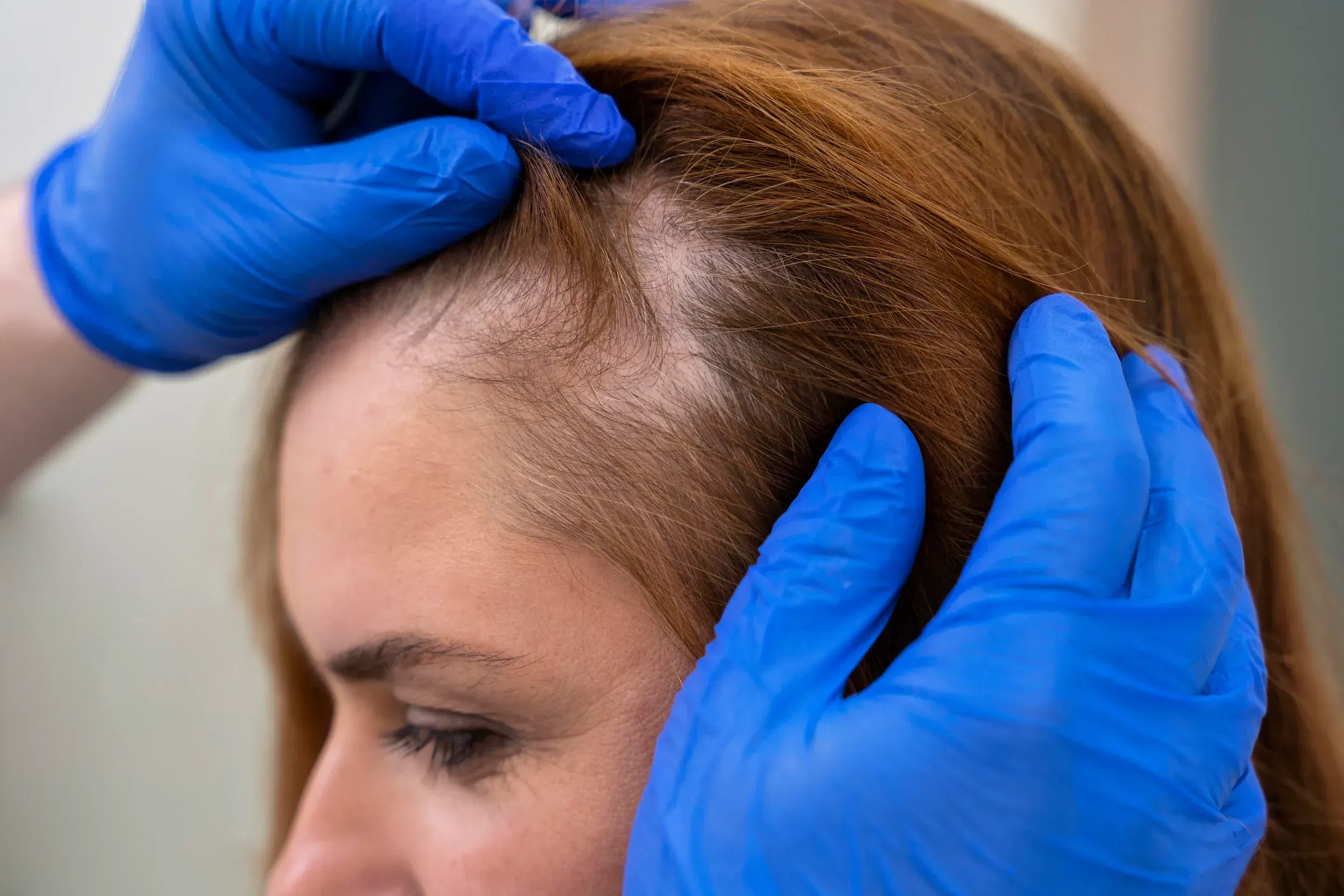
An autoimmune condition where the immune system mistakenly attacks hair follicles, causing round, smooth patches of hair loss. It affects approximately 2% of the global population and can occur at any age, though it often first appears in childhood or young adulthood.
Alopecia Totalis and Universalis
More severe forms of alopecia areata where hair loss extends to the entire scalp (totalis) or the entire body (universalis). These represent the far end of the alopecia areata spectrum.
Telogen Effluvium
Diffuse shedding triggered by stress, illness, hormonal changes, or nutritional deficiencies. While not primarily genetic, an individual's susceptibility to this type of shedding may have a genetic component.
Scarring Alopecias
A group of conditions that permanently destroy hair follicles. Some forms, like frontal fibrosing alopecia, appear to have genetic susceptibility factors.
The Genetics of Hair Loss
Specific Genes Involved
Research has identified numerous genes associated with hair loss. Hair loss is a polygenic trait, meaning multiple genes contribute to your risk rather than a single gene determining your fate.
Key genetic factors include:
- Androgen receptor gene (AR): Located on the X chromosome, variations in this gene affect how sensitive your hair follicles are to DHT. This is considered the strongest single genetic predictor of androgenetic alopecia
- 20p11 locus: Genome-wide association studies have identified this chromosomal region as significantly associated with male pattern baldness
- EDA2R gene: Also on the X chromosome, variants in this gene have been linked to early-onset baldness
- WNT10A: Involved in hair follicle development and cycling
- HDAC9: Associated with hair follicle miniaturization
- APCDD1: Inhibits WNT signaling, which is essential for hair follicle maintenance
The AR Gene and the X Chromosome
The androgen receptor gene deserves special attention because of its location on the X chromosome:
- Men inherit their single X chromosome from their mother
- This is why the old wives' tale about looking at your maternal grandfather's hair has some basis in science
- However, this is an oversimplification. Hair loss is influenced by genes on multiple chromosomes, including autosomal (non-sex) chromosomes
- Your father's genes contribute significantly through autosomal pathways
- The truth is that hair loss risk comes from both sides of the family
Family History Patterns
Family history is one of the strongest predictors of hair loss:
- Having a first-degree relative (parent or sibling) with androgenetic alopecia significantly increases your risk
- Studies show that men with balding fathers have a 2.5 times higher risk of developing hair loss
- If both parents have hair loss, the risk increases further
- The age of onset in family members can predict your own timeline
- However, family history is not destiny. Environmental and lifestyle factors also play important roles
Genome-Wide Association Studies
Large-scale genetic studies have revolutionized our understanding of hair loss genetics:
- A landmark 2017 study in PLOS Genetics identified 287 genetic loci associated with male pattern baldness
- Many of these loci are involved in pathways beyond androgen signaling, including WNT signaling, apoptosis, and mesodermal development
- These discoveries explain why hair loss is so variable in its presentation and severity
- Polygenic risk scores are being developed that may eventually predict hair loss risk with greater accuracy
- Some identified genes are shared with other conditions, suggesting overlapping biological pathways
Autoimmune Disorders and Alopecia
Alopecia areata has a distinct genetic profile from androgenetic alopecia:
Genetic Susceptibility
- HLA genes: Variations in human leukocyte antigen genes (particularly HLA-DRB1) are strongly associated with alopecia areata
- CTLA4: A gene involved in immune regulation has been linked to increased risk
- IL-2RA: Interleukin-2 receptor alpha chain variations affect immune system function
- PTPN22: A gene associated with multiple autoimmune conditions
- First-degree relatives of alopecia areata patients have a five to ten times higher risk of developing the condition
Association with Other Autoimmune Diseases
Alopecia areata shares genetic risk factors with other autoimmune conditions:
- Thyroid disease (Hashimoto's thyroiditis, Graves' disease)
- Vitiligo
- Type 1 diabetes
- Rheumatoid arthritis
- Atopic dermatitis
- If you have alopecia areata, screening for these associated conditions is recommended
Environmental and Lifestyle Triggers
Genetics load the gun, but environment pulls the trigger. Even with genetic susceptibility, external factors influence whether and when hair loss manifests:
- Stress: Physical or emotional stress can trigger telogen effluvium and may exacerbate androgenetic alopecia and alopecia areata
- Nutrition: Deficiencies in iron, vitamin D, zinc, and protein can accelerate genetically predisposed hair loss
- Hormonal changes: Pregnancy, menopause, and thyroid disorders can unmask genetic susceptibility
- Smoking: Damages hair follicles through reduced blood flow and oxidative stress
- Medications: Some drugs trigger hair loss in genetically susceptible individuals
- Infections and illness: Can trigger immune-mediated hair loss in predisposed individuals
- Environmental pollutants: Heavy metals and toxins may damage follicle DNA
Treatment Options
Understanding the genetic basis of your hair loss helps guide treatment selection.
Medications
- Minoxidil: Available topically and orally, stimulates hair growth regardless of the genetic cause. Works by extending the anagen phase and improving blood flow to follicles
- Finasteride: Blocks DHT production, directly addressing the hormonal component of genetically driven androgenetic alopecia. Most effective when started early
- Dutasteride: A more potent DHT blocker that inhibits both type I and type II 5-alpha reductase enzymes
- Spironolactone: An anti-androgen used in women with hormonal hair loss
Hair Transplantation
For genetically driven hair loss, transplantation offers a permanent solution:
- ARTAS Robotic Hair Transplant: At DSI Hair, we use this state-of-the-art system for precise follicular unit extraction
- Transplanted follicles are harvested from DHT-resistant areas (typically the back and sides of the scalp)
- These follicles retain their genetic resistance to DHT in their new location
- Results are permanent and natural-looking
- The robotic precision of ARTAS ensures optimal graft survival and minimal scarring
Corticosteroids
For autoimmune forms of alopecia:
- Intralesional injections directly into affected patches
- Topical formulations for broader areas
- Systemic corticosteroids for severe or rapidly progressing cases
- Help suppress the immune attack on hair follicles
Lifestyle Modifications
- Optimizing nutrition to support follicle health
- Stress management to reduce cortisol-driven hair loss
- Smoking cessation to improve scalp blood flow
- Regular exercise to promote overall health and circulation
- Adequate sleep to support cellular repair and hormone regulation
DSI Hair Services
At DSI Hair, we offer comprehensive treatment for all genetic forms of hair loss:
- ARTAS Robotic Hair Transplant: The gold standard for permanent hair restoration in androgenetic alopecia
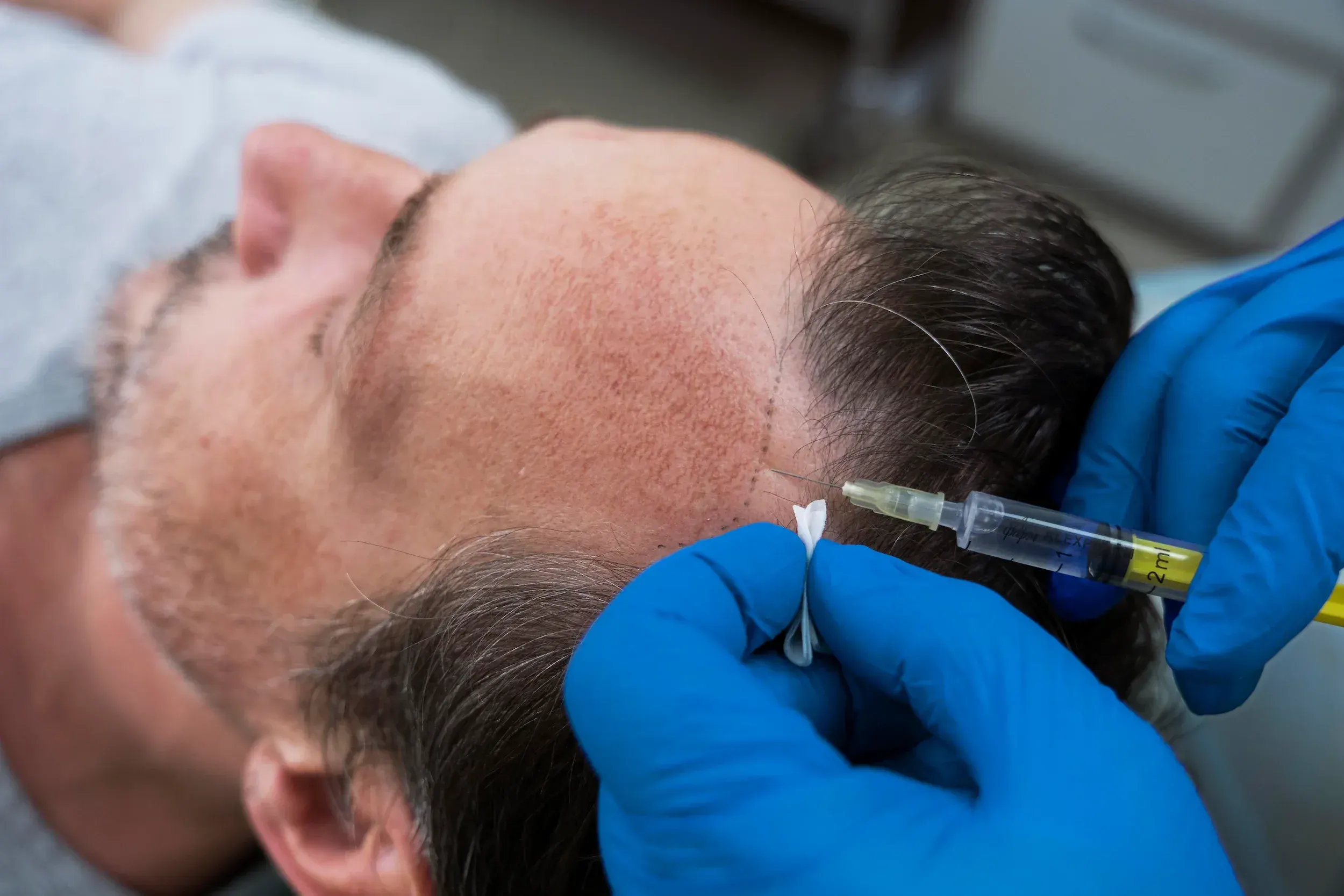
- PRP Therapy: Growth factor-rich injections that stimulate follicle activity, effective for both androgenetic alopecia and alopecia areata
- Low-Level Laser Therapy: FDA-cleared photobiomodulation to energize follicles
- Alopecia Areata Treatments: Specialized protocols including immunotherapy and JAK inhibitor consultation
- Genetic Counseling: Understanding your risk profile and creating a proactive prevention plan
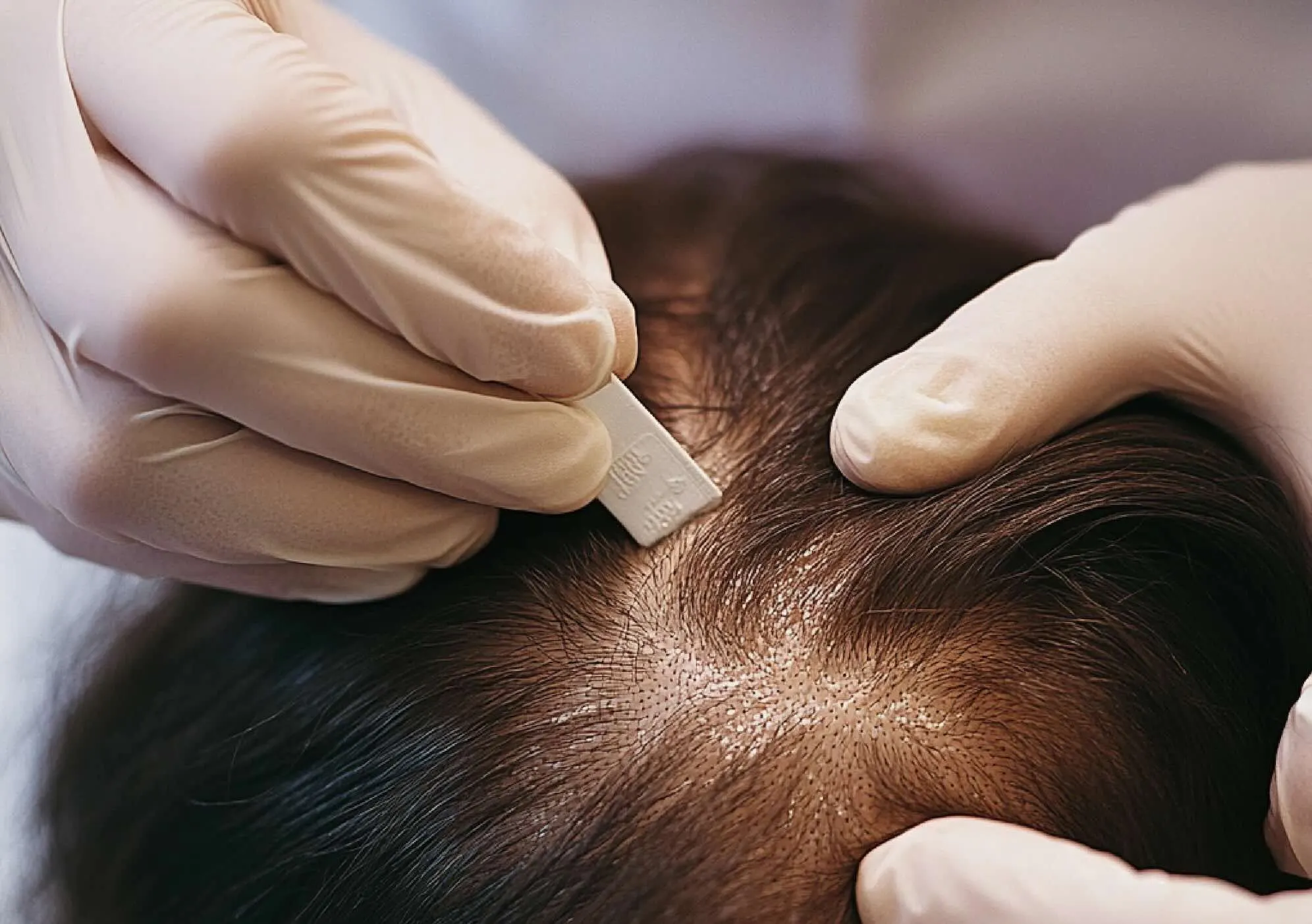
- Comprehensive Diagnostics: Blood work, scalp analysis, and family history assessment to identify the root cause of your hair loss
Genetic Predisposition: How Likely Is It?
If you are wondering about your personal risk:
- Strong family history on both sides: Very high likelihood of developing androgenetic alopecia, though timing varies
- Family history on one side: Moderate to high risk, depending on the specific genes inherited
- No known family history: Lower but not zero risk. Some genetic variants have low penetrance, meaning they may skip generations
- Alopecia areata in the family: Approximately 10-20% risk for first-degree relatives
Remember that genetic predisposition is not destiny. Early intervention with proven treatments can significantly alter the course of genetically driven hair loss.
The Future of Genetic Research in Hair Loss
The field of hair loss genetics is advancing rapidly:
- Polygenic risk scores: Researchers are developing scores that combine multiple genetic variants to predict individual risk more accurately
- Pharmacogenomics: Understanding which genetic profiles respond best to specific treatments may allow personalized medicine approaches
- Gene therapy: While still experimental, targeted gene therapy for hair loss is an active area of research
- Stem cell treatments: Genetic understanding of follicle stem cells may lead to new regenerative treatments
- CRISPR and gene editing: Future technologies may one day address the genetic roots of hair loss directly
Conclusion
Alopecia is undeniably influenced by genetics, but it is not determined by genetics alone. Multiple genes interact with hormonal, environmental, and lifestyle factors to determine your hair loss trajectory. Understanding this complex interplay empowers you to take proactive steps to protect your hair.
Whether your hair loss is driven by androgenetic factors, autoimmune processes, or a combination of influences, the team at DSI Hair has the expertise and advanced treatments to help. From ARTAS robotic transplants to PRP therapy and specialized alopecia areata treatments, we offer comprehensive solutions tailored to your unique genetic profile.
Schedule your consultation today and take control of your hair's future.