How to Know if Your Hair Is Healthy
Learn the key signs of healthy hair, from elasticity and smooth cuticles to consistent growth. Discover what causes damage and how to restore your hair's vitality.
Introduction
Your hair is more than just a style statement. It is a reflection of your overall health and well-being. Whether you are dealing with dryness, breakage, or simply want to maintain your locks, knowing the signs of healthy hair can help you catch problems early and take corrective action before they escalate.
At DSI Hair, we see patients every day who are unsure whether their hair concerns are normal or signs of a deeper issue. This comprehensive guide will help you assess your hair health, understand what causes damage, and learn practical steps to restore and maintain beautiful, resilient hair.
Signs of Healthy Hair
Elasticity
Healthy hair has excellent elasticity, meaning it can stretch and return to its original length without breaking. This is one of the most reliable indicators of hair health.
- Wet a single strand and gently stretch it. Healthy hair can stretch up to 30% of its length before breaking
- Hair that snaps immediately indicates protein damage
- Hair that stretches but does not bounce back suggests moisture imbalance
- Good elasticity means the internal protein structure (cortex) and moisture balance are intact
Smooth Cuticles
The hair cuticle is the outermost layer of each strand, made up of overlapping scales similar to roof shingles. When these scales lie flat, hair appears smooth, shiny, and healthy.
- Run your fingers down a strand from root to tip. Healthy hair feels smooth in this direction
- Light reflects evenly off flat cuticles, creating natural shine
- Raised or damaged cuticles cause hair to feel rough, look dull, and tangle easily
- Cuticle health is affected by chemical treatments, heat styling, UV exposure, and mechanical damage
Minimal Shedding
It is completely normal to lose 50 to 100 hairs per day as part of the natural hair growth cycle. Healthy hair stays within this range.
- Monitor hair in your brush, shower drain, and on your pillow
- A sudden increase in shedding may indicate telogen effluvium or other conditions
- Seasonal fluctuations in shedding are normal, with slightly more loss in fall months
- Consistent excessive shedding warrants a professional evaluation
Proper Hydration
Well-hydrated hair maintains a balance between moisture and protein. You can identify properly hydrated hair by several characteristics:
- Hair feels soft and supple to the touch, not straw-like or limp
- It holds styles well without excessive product
- It does not develop static electricity easily
- Ends appear smooth rather than split or frayed
- Hair does not become excessively frizzy in humid conditions
Consistent Growth
Healthy hair grows at an average rate of about half an inch per month, or roughly six inches per year. Consistent growth indicates that your follicles are functioning properly and your body is delivering adequate nutrients.
- Track your hair length over several months to establish your growth rate
- Slower-than-normal growth may indicate nutritional deficiencies, hormonal imbalances, or scalp conditions
- Growth rate naturally decreases with age
- Some variation between individuals is normal due to genetics
No Dandruff or Scalp Issues
A healthy scalp is the foundation for healthy hair. Signs of a well-functioning scalp include:
- No visible flaking or scaling
- No persistent itching or redness
- Balanced oil production (not too oily, not too dry)
- No tenderness or pain when touching the scalp
- No visible patches of hair loss or thinning
Vibrant Color
Whether your hair is naturally colored or treated, healthy hair maintains vibrant, even color:
- Natural hair has consistent pigmentation from root to mid-shaft
- Healthy hair resists premature graying (though genetics play the largest role)
- Color-treated hair holds its shade longer when the cuticle is intact
- Sun-bleached or brassy tones can indicate UV damage
Signs of Unhealthy Hair
Recognizing the warning signs of damaged hair allows you to intervene early:
- Excessive breakage: Finding short, broken pieces of hair rather than full-length shed strands
- Split ends: The hair shaft splitting into two or more fragments at the tip
- Dullness: Lack of natural shine and luster
- Tangles and knots: Hair that mats easily, even without wind or friction
- Dryness: Hair that feels rough, straw-like, and brittle
- Excessive shedding: Losing noticeably more than 100 strands per day
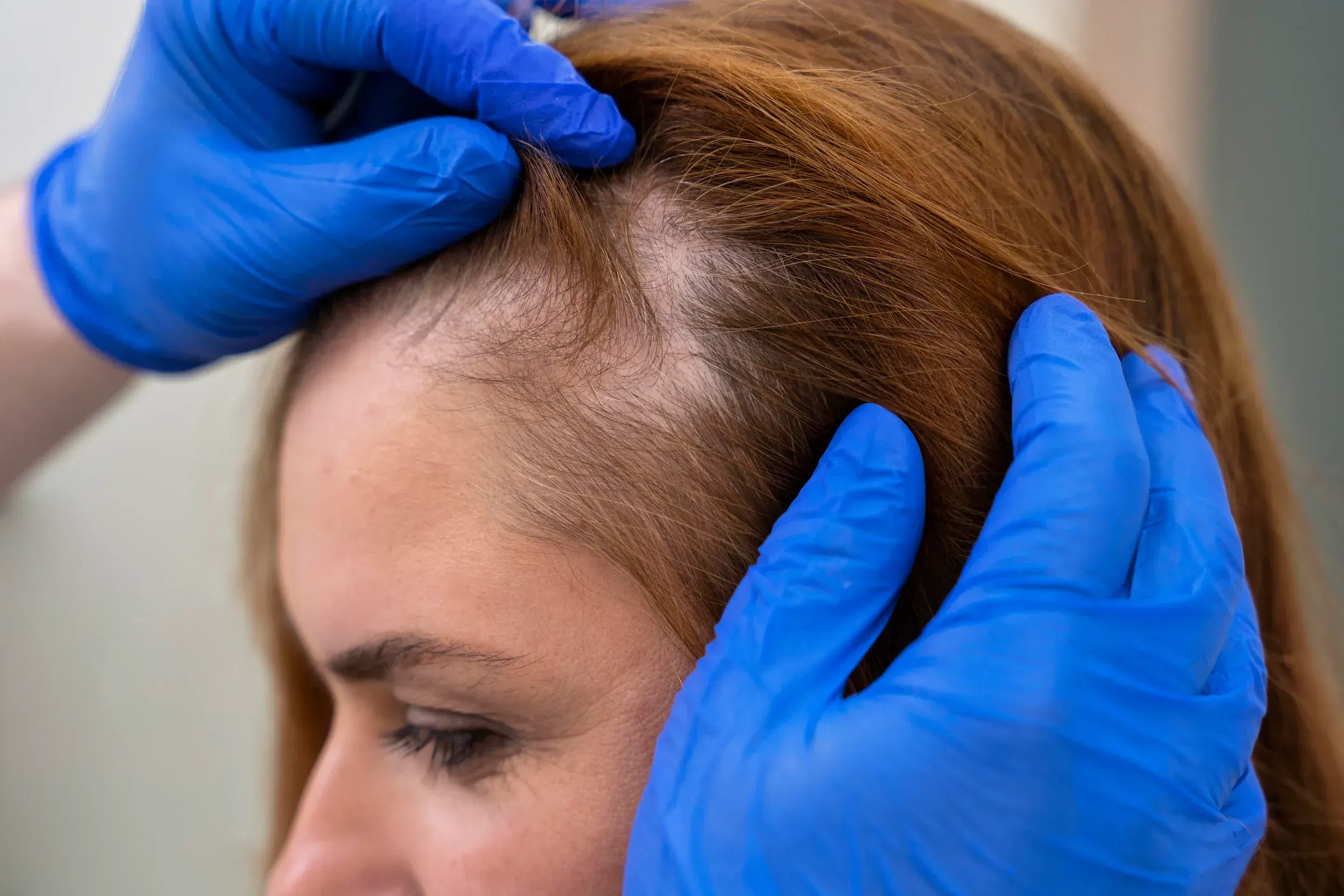
- Thinning: Seeing more scalp through the hair, especially at the part line or temples
- Porosity issues: Hair that either absorbs water instantly (high porosity) or repels it completely (low porosity due to product buildup)
- Lack of curl pattern: If your naturally curly or wavy hair has gone limp
- Color that fades quickly: Indicating compromised cuticle structure
What Causes Hair Damage
Understanding the causes of hair damage is the first step toward prevention:
Chemical Damage
- Hair coloring, bleaching, perming, and relaxing treatments alter the hair's internal structure
- Repeated chemical treatments compound damage over time
- Professional application and proper aftercare minimize but do not eliminate chemical stress
Heat Damage
- Flat irons, curling irons, and blow dryers above 300 degrees Fahrenheit can permanently alter hair proteins
- Heat strips moisture from the cortex and lifts cuticle scales
- Damage is cumulative and often irreversible without cutting
Mechanical Damage
- Aggressive brushing, especially when wet
- Tight hairstyles (ponytails, braids, buns) causing traction
- Cotton pillowcases creating friction during sleep
- Rough towel-drying
Environmental Damage
- UV radiation breaks down hair proteins and melanin
- Chlorine and salt water strip natural oils
- Pollution deposits heavy metals on hair
- Extreme cold and dry air dehydrate the hair shaft
Nutritional Deficiencies
- Iron deficiency causes increased shedding and slower growth
- Protein deficiency weakens hair structure
- Vitamin D deficiency is linked to alopecia areata
- Zinc deficiency disrupts the hair growth cycle
- Biotin deficiency (rare) causes brittle hair
Medical Conditions
- Thyroid disorders (both hypo and hyperthyroidism)
- Hormonal imbalances, including PCOS
- Autoimmune conditions like alopecia areata
- Scalp conditions like seborrheic dermatitis or psoriasis
- Chronic stress leading to telogen effluvium
How to Improve Your Hair Health
Establish a Proper Hair Care Routine
A consistent, gentle routine is the foundation of healthy hair:
- Use a sulfate-free shampoo appropriate for your hair type
- Condition every time you shampoo, focusing on mid-lengths to ends
- Limit washing to two to three times per week to preserve natural oils
- Use lukewarm water rather than hot water when washing
- Apply a leave-in conditioner or detangler before styling
Use Deep Conditioning Masks
Weekly deep conditioning treatments can dramatically improve hair health:
- Protein masks strengthen damaged hair by temporarily filling gaps in the cuticle
- Moisture masks restore hydration to dry, brittle hair
- Alternate between protein and moisture treatments based on your hair's needs
- Leave masks on for the recommended time (usually 10 to 30 minutes) for best results
- Natural options like coconut oil, argan oil, and avocado masks can be effective
Protect Against Heat
If you use heat styling tools, take precautions to minimize damage:
- Always apply a heat protectant spray or serum before styling
- Use the lowest effective temperature setting
- Limit heat styling to two to three times per week maximum
- Invest in high-quality tools with adjustable temperature settings and ceramic or tourmaline plates
- Allow hair to air-dry partially before blow-drying
Get Regular Trims
Trimming your hair every six to eight weeks prevents split ends from traveling up the hair shaft:
- Even if you are growing your hair out, regular dustings (removing just a quarter inch) maintain health
- Split ends cannot be repaired, only removed
- Regular trims give the appearance of thicker, fuller hair
Avoid Overwashing
Washing too frequently strips your hair of its natural protective oils:
- Most hair types benefit from washing two to three times per week
- Curly and coily hair may only need washing once a week
- Use dry shampoo between washes if needed
- If you exercise daily, rinse with water and condition without shampooing
Optimize Your Diet
What you eat directly affects your hair health:
- Protein: Hair is 95% keratin protein. Ensure adequate intake from lean meats, fish, eggs, legumes, and dairy
- Iron: Found in red meat, spinach, lentils, and fortified cereals
- Omega-3 fatty acids: Salmon, walnuts, flaxseeds, and chia seeds nourish follicles
- Vitamin C: Citrus fruits, bell peppers, and strawberries support collagen production
- Biotin: Eggs, nuts, and sweet potatoes support keratin production
- Zinc: Oysters, beef, pumpkin seeds, and chickpeas support hair growth
- Vitamin D: Fatty fish, fortified milk, and sunlight exposure
Use Gentle Brushing Techniques
- Start from the ends and work your way up to avoid pulling
- Use a wide-tooth comb on wet hair, never a brush
- Detangle with a leave-in conditioner or detangling spray
- Invest in a quality brush with flexible bristles
- Never brush hair when it is soaking wet, as it is most vulnerable when saturated
Choose Hair-Friendly Hairstyles
- Avoid tight ponytails, buns, and braids that pull on follicles
- Use soft scrunchies instead of elastic bands
- Alternate between different hairstyle positions to distribute tension
- Sleep with hair in a loose braid or on a silk pillowcase
- If you notice thinning at your hairline or temples, consult a professional about traction alopecia
Seek Professional Advice
Sometimes hair damage goes beyond what home care can address. Seek professional help if you notice:
- Sudden or significant hair loss
- Bald patches or visible scalp
- Changes in hair texture that do not improve with care adjustments
- Scalp pain, redness, or persistent itching
- Hair loss accompanied by other symptoms like fatigue or weight changes
DSI Hair Treatments for Hair Health
At DSI Hair, we offer a range of professional treatments to restore and maintain healthy hair:
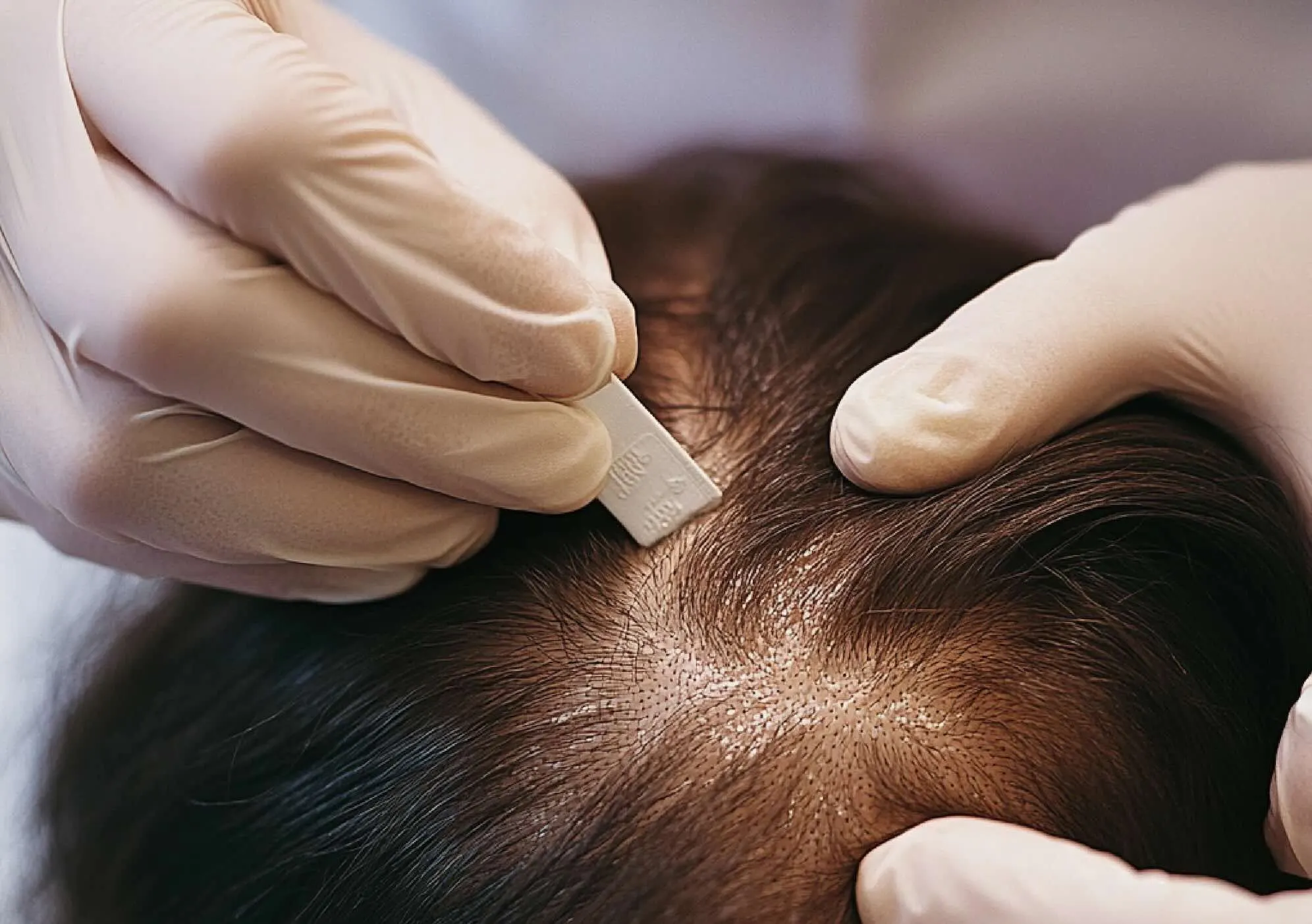
- Comprehensive Hair Analysis: Our dermatology team evaluates your hair and scalp health, identifies underlying causes of damage or loss, and creates a personalized treatment plan
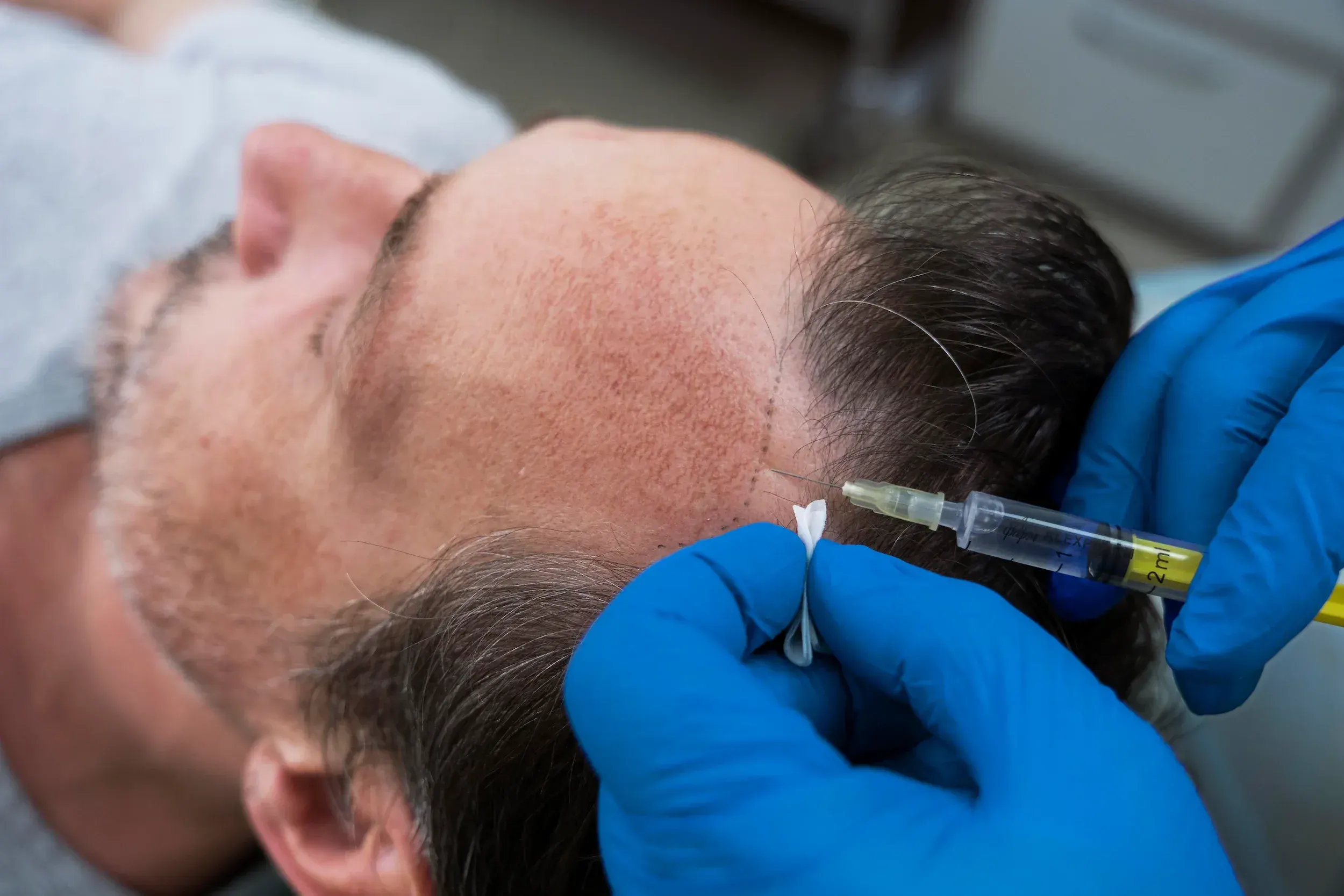
- PRP Therapy: Platelet-rich plasma injections deliver concentrated growth factors directly to your scalp, stimulating follicle activity and promoting healthier, thicker growth
- Low-Level Laser Therapy (Revian Red): FDA-cleared light therapy that energizes hair follicles, increases blood flow to the scalp, and extends the growth phase of the hair cycle
- Prescription Treatments: Customized medication plans including topical and oral options tailored to your specific condition
- ARTAS Robotic Hair Transplant: For areas where follicles are no longer producing hair, our state-of-the-art robotic transplant system delivers natural-looking, permanent results
Conclusion
Healthy hair is achievable with the right knowledge and care. By understanding the signs of healthy and unhealthy hair, identifying what is causing damage, and taking proactive steps to protect and nourish your hair, you can maintain strong, vibrant locks at any age.
If you are concerned about your hair health or experiencing changes that home care cannot resolve, the experts at DSI Hair are ready to help. Schedule a consultation today and let us create a personalized plan to restore your hair to its healthiest state.