How Can You Prevent Balding?
Discover proven strategies to prevent balding, from gentle hair care and nutrition to professional treatments like minoxidil, finasteride, PRP, and laser therapy.
Introduction
Balding is one of the most common concerns we hear from patients at DSI Hair. Whether you have noticed a few extra hairs on your pillow or a family history that has you worried, the good news is that modern science offers more options than ever to slow, stop, and even reverse hair loss.
Prevention is always more effective than treatment after the fact. The earlier you take action, the more hair you can preserve. In this comprehensive guide, we explore the causes of balding, the different types of hair loss, and both lifestyle changes and professional treatments that can help you keep your hair.
What Causes Hair Loss?
Androgenetic Alopecia
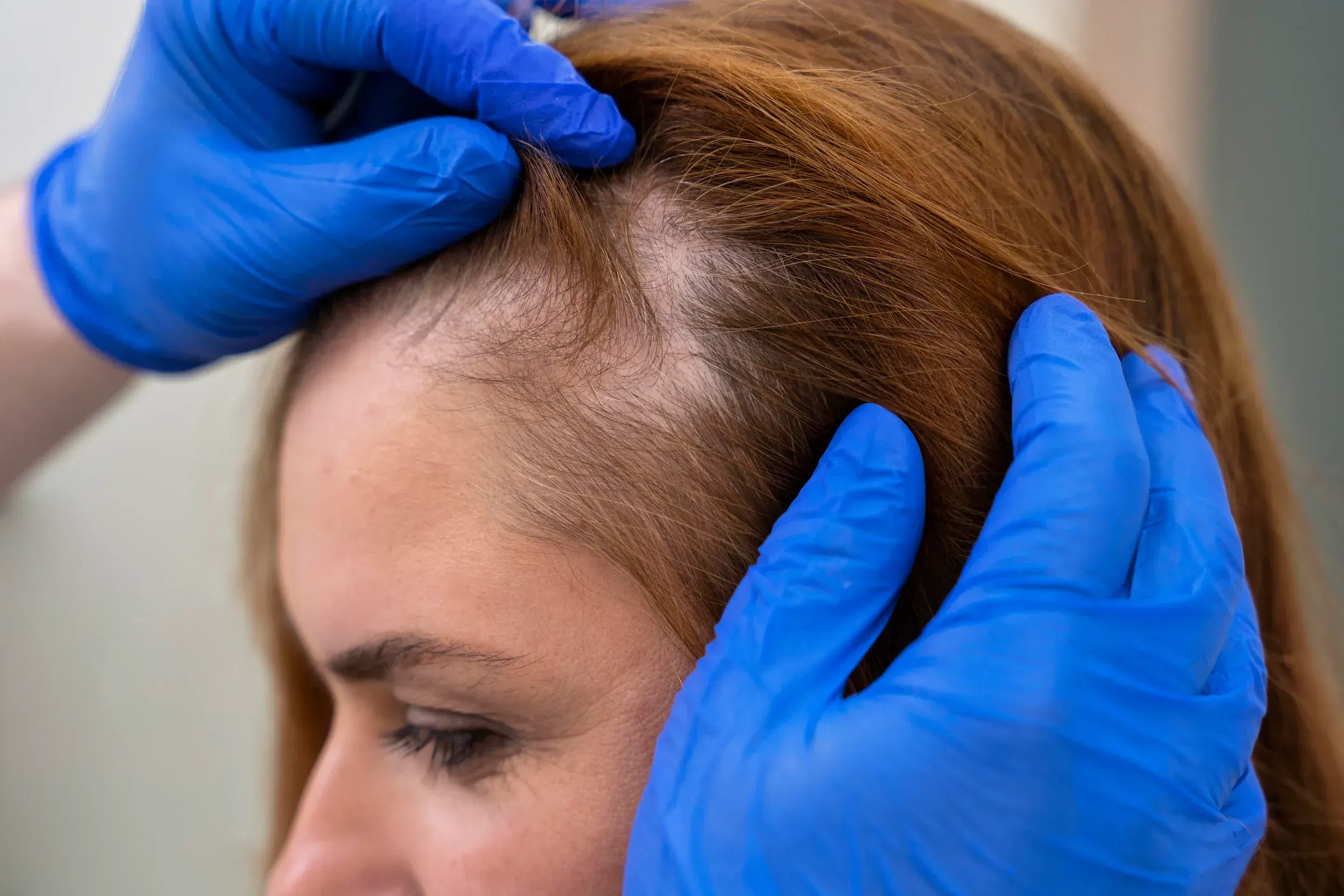
Androgenetic alopecia, commonly known as male or female pattern baldness, is responsible for approximately 95% of hair loss in men and is the most common cause in women as well. It is driven by a combination of genetics and hormones:
- The hormone dihydrotestosterone (DHT) binds to androgen receptors in genetically susceptible hair follicles
- This binding triggers a process called follicular miniaturization, where follicles gradually shrink and produce thinner, shorter hairs
- Over time, affected follicles may stop producing visible hair altogether
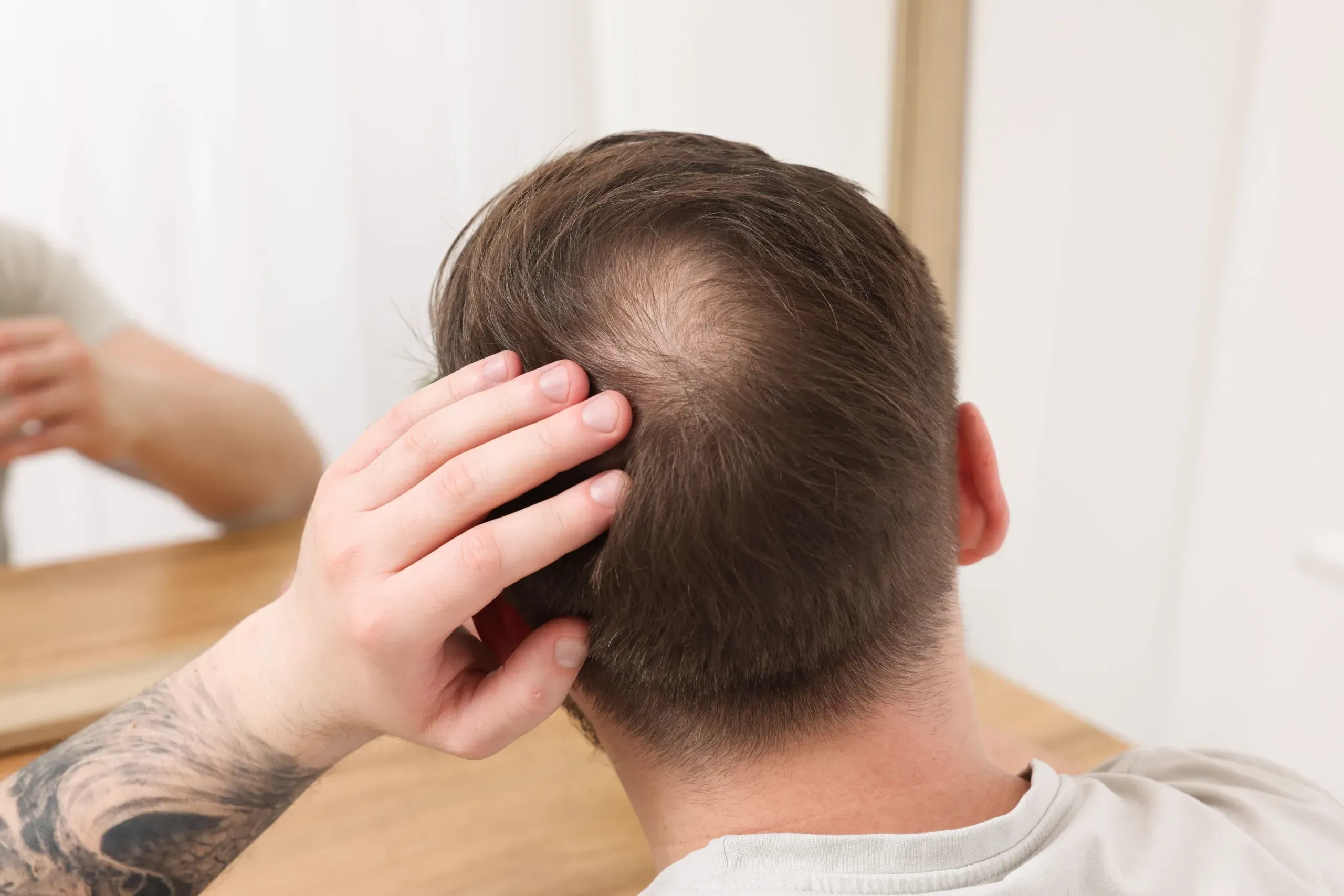
- In men, this typically manifests as a receding hairline and crown thinning
- In women, it usually presents as diffuse thinning along the part line
Hormonal Changes
Beyond androgenetic alopecia, other hormonal shifts can trigger hair loss:
- Thyroid disorders (both hypothyroidism and hyperthyroidism) disrupt the hair growth cycle
- Pregnancy and postpartum hormonal fluctuations commonly cause temporary shedding
- Menopause-related estrogen decline can unmask androgen-driven thinning
- Polycystic ovary syndrome (PCOS) increases androgen levels, contributing to hair thinning
- Stopping or starting hormonal birth control can trigger telogen effluvium
Medical Conditions
- Alopecia areata: An autoimmune condition where the immune system attacks hair follicles, causing patchy loss
- Scalp infections: Fungal infections like tinea capitis can damage follicles
- Lupus and other autoimmune diseases: Can cause scarring and non-scarring alopecia
- Diabetes: Associated with increased hair shedding and slower regrowth
- Anemia: Iron deficiency reduces oxygen delivery to follicles
Medications
Several classes of medications can cause hair loss as a side effect:
- Chemotherapy drugs (anagen effluvium)
- Blood thinners like warfarin and heparin
- Beta-blockers and ACE inhibitors
- Retinoids (high-dose vitamin A derivatives)
- Antidepressants and mood stabilizers
- Immunosuppressants
- Some cholesterol-lowering medications
Lifestyle Factors
- Chronic stress: Triggers telogen effluvium, pushing follicles prematurely into the resting phase
- Poor nutrition: Deficiencies in protein, iron, zinc, vitamin D, and biotin impair hair growth
- Smoking: Reduces blood flow to the scalp and generates oxidative stress
- Excessive alcohol: Depletes nutrients essential for hair health
- Lack of sleep: Disrupts growth hormone production and cellular repair
Types of Hair Loss
Understanding the type of hair loss you are experiencing is essential for choosing the right prevention strategy.
Androgenetic Alopecia
The most common type, characterized by progressive miniaturization of follicles. In men, it follows a predictable pattern classified by the Hamilton-Norwood scale. In women, it is classified by the Ludwig scale. Early intervention is key because once follicles are completely miniaturized, they are much harder to revive.
Alopecia Areata
An autoimmune condition causing round, smooth patches of hair loss. It can occur at any age and may progress to alopecia totalis (complete scalp hair loss) or alopecia universalis (complete body hair loss). Treatment focuses on modulating the immune response.
Telogen Effluvium
A temporary form of diffuse hair shedding triggered by physical or emotional stress, illness, surgery, medication changes, or nutritional deficiencies. Hair typically regrows within six to twelve months once the trigger is identified and addressed.
Cicatricial (Scarring) Alopecia
A group of conditions that destroy hair follicles and replace them with scar tissue. Once a follicle is scarred, it cannot produce hair. Early diagnosis and treatment are critical to prevent further loss. Types include lichen planopilaris, frontal fibrosing alopecia, and central centrifugal cicatricial alopecia.
Tips to Prevent Balding
Practice Gentle Hair Care
Your daily hair care routine has a significant impact on hair retention:
- Use a gentle, sulfate-free shampoo that cleanses without stripping natural oils
- Condition regularly to maintain moisture balance and reduce breakage
- Detangle carefully using a wide-tooth comb, starting from the ends and working up
- Pat dry gently instead of rubbing vigorously with a towel
- Minimize heat styling and always use a heat protectant when you do
- Avoid tight hairstyles like tight ponytails, cornrows, and buns that cause traction alopecia
- Use silk or satin pillowcases to reduce friction while sleeping
- Limit chemical treatments like perming, relaxing, and frequent coloring
Maintain a Healthy Diet
Nutrition plays a fundamental role in hair health:
- Protein: Hair is made of keratin protein. Aim for 46-56 grams of protein daily from lean meats, fish, eggs, legumes, and dairy
- Iron: Essential for oxygen transport to follicles. Include red meat, spinach, lentils, and fortified cereals
- Zinc: Supports hair tissue growth. Found in oysters, beef, pumpkin seeds, and chickpeas
- Vitamin D: Deficiency is linked to alopecia. Get it from fatty fish, fortified foods, and sunlight
- Omega-3 fatty acids: Found in salmon, mackerel, walnuts, and flaxseeds, they nourish follicles and reduce inflammation
- Biotin: Found in eggs, nuts, and sweet potatoes, it supports keratin production
- Vitamin C: Aids collagen production and iron absorption. Found in citrus fruits and bell peppers
- Vitamin E: An antioxidant that protects follicle cells. Found in almonds, sunflower seeds, and avocados
Reduce Stress
Chronic stress is a significant contributor to hair loss:
- Practice stress management techniques like meditation, deep breathing, or yoga
- Exercise regularly, which reduces cortisol levels and improves circulation
- Prioritize sleep (seven to nine hours per night)
- Seek professional help for chronic anxiety or depression
- Maintain social connections and engage in enjoyable activities
- Consider mindfulness practices that have been shown to reduce stress-related hair shedding
Avoid Overstyling
- Reduce the frequency of heat styling tools
- Allow hair to air-dry whenever possible
- Choose loose hairstyles that do not pull on the hair
- Avoid excessive brushing or backcombing
- Be cautious with extensions and weaves that add tension
- Rotate hairstyle positions to distribute any tension evenly
Professional Treatments to Prevent Balding
Minoxidil
Minoxidil is one of the most proven treatments for preventing further hair loss:
- Available in topical (over-the-counter) and oral (prescription) forms
- Works by extending the anagen (growth) phase and increasing blood flow to follicles
- Topical: applied once or twice daily to the scalp
- Oral: low-dose tablet taken once daily (prescribed off-label for hair loss)
- Most effective when started early in the thinning process
- Results typically visible within three to six months of consistent use
Finasteride
Finasteride is an oral medication that blocks the conversion of testosterone to DHT:
- FDA-approved for male pattern baldness at 1mg daily
- Reduces DHT levels by approximately 70%
- Shown to stop hair loss progression in approximately 90% of men
- Approximately 65% of men experience some regrowth
- Not approved for women of childbearing age due to teratogenic risks
- Side effects are uncommon but may include decreased libido in a small percentage of users
Hair Transplants
Modern hair transplant techniques offer permanent solutions:
- ARTAS Robotic FUE: At DSI Hair, we use the ARTAS robotic system for precise, minimally invasive follicular unit extraction
- Transplanted hairs are genetically resistant to DHT and grow permanently in their new location
- No linear scar, faster recovery than traditional methods
- Results look completely natural when performed by experienced practitioners
- Ideal for patients with stable hair loss patterns who want permanent restoration
Low-Level Laser Therapy (LLLT)
LLLT uses specific wavelengths of light to stimulate cellular activity in hair follicles:
- FDA-cleared devices available as caps, helmets, and combs
- Works through photobiomodulation, increasing ATP production in follicle cells
- Can be used at home as part of a daily routine
- Best results when combined with other treatments
- Safe with virtually no side effects
- The Revian Red cap, available at DSI Hair, is one of the most effective devices on the market
PRP Therapy
Platelet-rich plasma therapy uses your own blood's growth factors to stimulate hair growth:
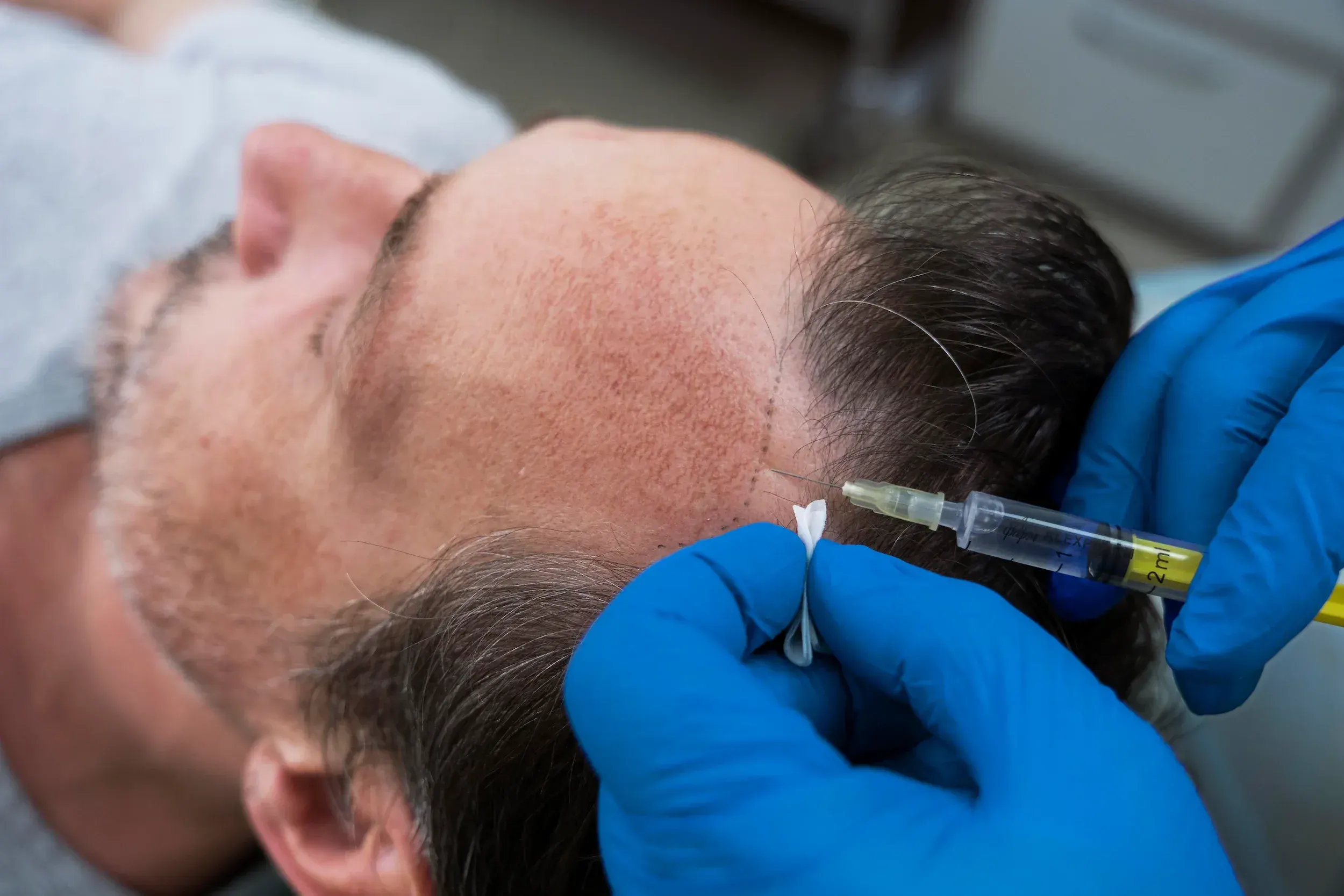
- Blood is drawn, processed, and the concentrated platelet layer is injected into the scalp
- Growth factors wake up dormant follicles and promote thicker hair growth
- Typically requires three to four initial sessions, then maintenance every six to twelve months
- Can be combined with microneedling for enhanced results
- Particularly effective for patients with early to moderate thinning
Lifestyle Changes That Support Hair Retention
- Quit smoking: Smoking constricts blood vessels and reduces nutrient delivery to follicles
- Limit alcohol: Excessive alcohol depletes zinc, folic acid, and other hair-essential nutrients
- Exercise regularly: Improves circulation, reduces stress, and promotes hormonal balance
- Stay hydrated: Adequate water intake supports scalp health and hair shaft hydration
- Protect your scalp from sun: UV damage can weaken hair and damage follicles
- Manage underlying health conditions: Control diabetes, thyroid disorders, and autoimmune conditions
When to See a Dermatologist
Do not wait until hair loss is advanced to seek help. See a dermatologist if:
- You notice increased shedding that persists for more than two months
- Your part line is widening or scalp is becoming more visible
- You find circular bald patches
- Hair loss occurs suddenly or in clumps
- You have a family history of baldness and want a prevention plan
- Hair loss is accompanied by scalp itching, burning, or pain
- You notice changes in hair texture along with thinning
Early intervention gives you the most options and the best outcomes. At DSI Hair, our dermatology team specializes in diagnosing the root cause of hair loss and creating personalized prevention and treatment plans.
Conclusion
Preventing balding requires a proactive, multi-faceted approach. By understanding the causes of hair loss, adopting gentle hair care practices, optimizing your nutrition, managing stress, and leveraging professional treatments when needed, you can significantly slow or stop the progression of hair loss.
The key is early action. The sooner you start, the more hair you can save. Contact DSI Hair today to schedule your consultation and develop a personalized plan to protect your hair for years to come.