Holiday Stress and Hair Loss: Managing Seasonal Hair Shedding
Holiday stress can trigger or worsen hair shedding. Learn how seasonal changes, disrupted routines, and stress hormones affect your hair and what to do about it.
How Holiday Stress Affects Your Hair
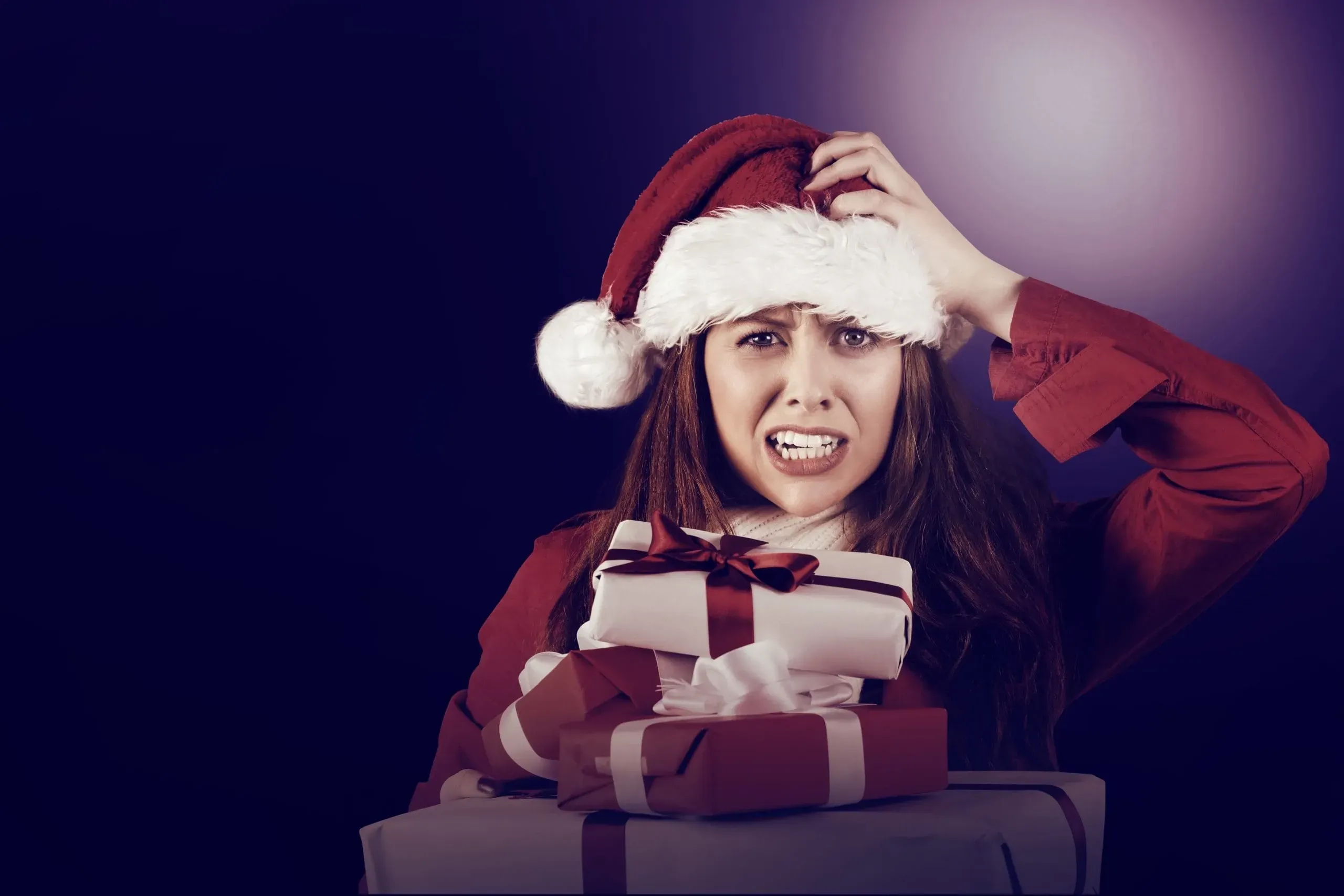
The holiday season brings joy, gatherings, and celebrations — but it also brings stress. From financial pressures to packed schedules, disrupted sleep, and dietary changes, the holidays can take a toll on your body, including your hair. Understanding the connection between stress and hair loss can help you take proactive steps to protect your hair during this busy time of year.
How Seasonal Changes Affect Hair Health
Seasonal shifts naturally influence the hair growth cycle:
- Fall shedding — Research suggests that hair shedding peaks in the fall months (September through November), possibly as an evolutionary response to changing daylight hours
- Winter conditions — Cold, dry air and indoor heating strip moisture from both the hair and scalp, leading to dryness, brittleness, and increased breakage
- Reduced sunlight — Less sun exposure during shorter days can lower vitamin D levels, which plays a role in follicle health and the hair growth cycle
These natural seasonal factors, combined with holiday-specific stressors, can create the perfect conditions for increased hair shedding.
Common Signs of Stress-Related Hair Loss
Stress-related hair loss typically appears as telogen effluvium — a diffuse shedding pattern where more hairs than usual enter the resting (telogen) phase and fall out. Signs include:
- Finding noticeably more hair in the shower drain, on your pillow, or in your brush
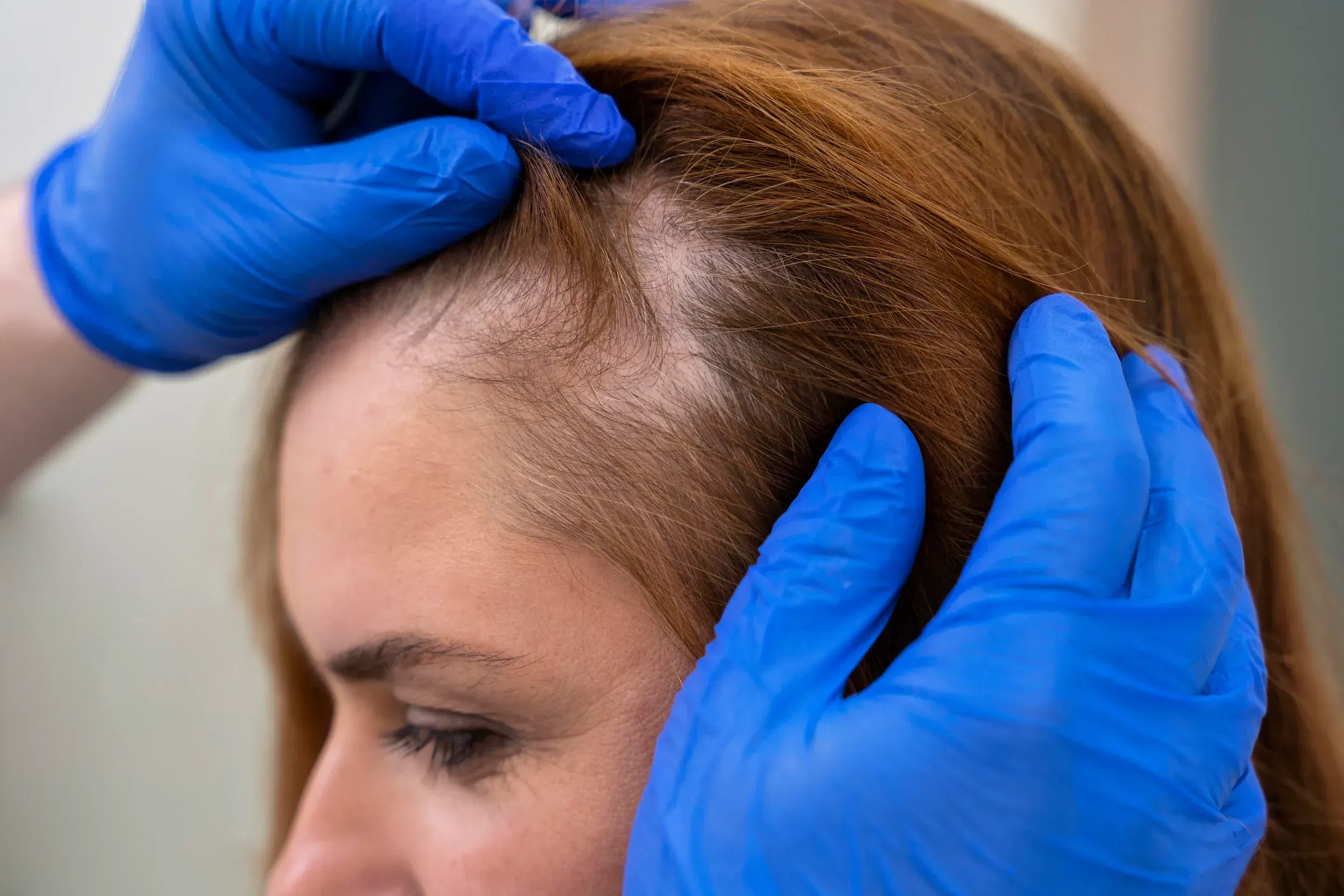
- Hair feeling thinner overall, particularly at the part line or temples
- A sudden increase in shedding that began 2–4 months after a stressful period
- Hair that feels weaker, finer, or less voluminous than usual
Telogen effluvium is typically temporary and reversible, but it can be alarming when it happens.
How Holiday Routines Contribute to Hair Loss
Specific holiday habits and disruptions can contribute to increased shedding:
Sleep Disruption
- Late nights, travel, and irregular schedules interfere with the body's restorative processes
- Poor sleep elevates cortisol (the stress hormone), which can disrupt the hair growth cycle
Heat Styling
- Holiday parties and events often mean more frequent blow-drying, curling, and straightening
- Excessive heat damages the hair cuticle, leading to dryness, breakage, and split ends
Diet Changes
- Holiday meals tend to be high in sugar, refined carbs, and alcohol, while lower in the protein, iron, and vitamins that support hair health
- Skipping meals or crash dieting in January can trigger a nutritional deficiency that shows up as shedding weeks later
Emotional Stress
- Family dynamics, financial strain, social obligations, and end-of-year deadlines all elevate stress hormones
- Chronic elevated cortisol shifts follicles from the growth phase to the resting phase
Strategies to Reduce Holiday Stress
Managing stress is one of the most effective ways to protect your hair:
- Set realistic expectations — You do not have to attend every event or create the perfect holiday experience
- Prioritize sleep — Aim for 7–8 hours per night, even during busy periods
- Move your body — Regular exercise (even a daily 20-minute walk) helps regulate cortisol and improve circulation
- Practice mindfulness — Breathing exercises, meditation, or simply taking 10 quiet minutes each day can lower stress hormones
- Set boundaries — It is okay to say no to commitments that overwhelm you
- Stay connected — Talk to someone you trust if holiday stress is affecting your well-being
Hair Care Tips for Seasonal Shedding
- Be gentle — Use a wide-tooth comb and avoid aggressive brushing, especially when hair is wet
- Limit heat styling — Air-dry when possible and use a heat protectant when styling tools are needed
- Moisturize — Use a hydrating conditioner and consider a weekly deep-conditioning treatment during dry winter months
- Avoid tight hairstyles — Tight ponytails, buns, and braids can cause traction and increase breakage
- Use gentle products — Choose sulfate-free, fragrance-free shampoos that do not strip the scalp
Nutrition and Supplements
Supporting your hair from the inside is especially important during the holidays:
- Protein — Hair is made of keratin, a protein. Ensure adequate intake from eggs, fish, chicken, and legumes
- Iron — Low iron is a common cause of hair shedding. Include spinach, red meat, and lentils in your diet
- Vitamin D — Supplement during winter months when sun exposure is limited (especially in Illinois)
- Biotin — Supports keratin production. Found in eggs, nuts, and whole grains
- Zinc — Supports follicle health. Found in shellfish, seeds, and dairy
- Omega-3 fatty acids — Support scalp health and reduce inflammation. Found in fatty fish, walnuts, and flaxseed
If your diet is inconsistent during the holidays, a high-quality multivitamin formulated for hair health can help fill nutritional gaps.
When to Seek Professional Help
Most seasonal and stress-related shedding is temporary and resolves on its own once the stressor is removed and the body recovers. However, you should see a hair specialist if:
- Shedding persists for more than 3–4 months
- You notice bald patches rather than general thinning
- Hair loss is accompanied by scalp pain, redness, or scaling
- You are losing hair in clumps or from specific areas
- Hair loss began before the holiday season and is worsening
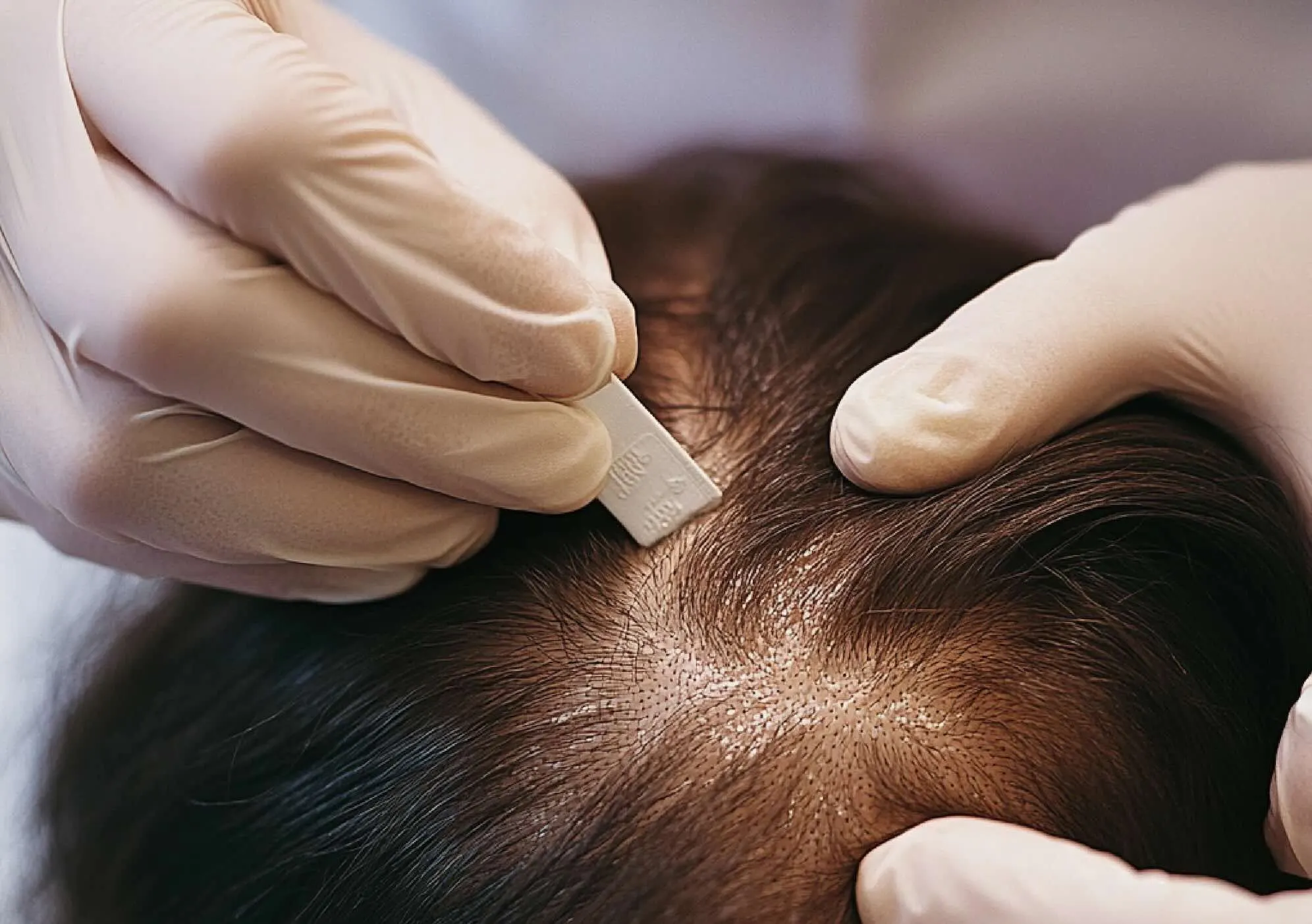
A specialist can determine whether the shedding is purely stress-related or whether an underlying condition (thyroid, iron deficiency, androgenetic alopecia) is contributing.
Preventing Future Seasonal Shedding
Building healthy habits year-round helps your hair weather seasonal challenges:
- Maintain consistent sleep, exercise, and nutrition habits throughout the year
- Monitor your vitamin D, iron, and other nutrient levels with annual blood work
- Develop a sustainable stress management practice
- Use gentle, protective hair care products consistently
- Address any underlying medical conditions that may affect hair health
- Schedule a baseline hair evaluation with a specialist so changes can be tracked over time
The holiday season is temporary, and so is most seasonal shedding. By managing stress, supporting your body with good nutrition, and caring for your hair gently, you can enjoy the season without sacrificing your hair health.