Hair Transplant for Women: Can Women Get Hair Transplants?
Women can absolutely get hair transplants, but candidacy is more complex than for men. Learn about female hair loss types, when surgery works best, and supportive treatments.
Can Women Get Hair Transplants?
Hair transplant surgery is often associated with men, but women make up a significant and growing portion of hair restoration patients. The short answer is yes — women can absolutely get hair transplants. However, determining candidacy is more nuanced for women than it is for men.
Understanding Female Hair Loss
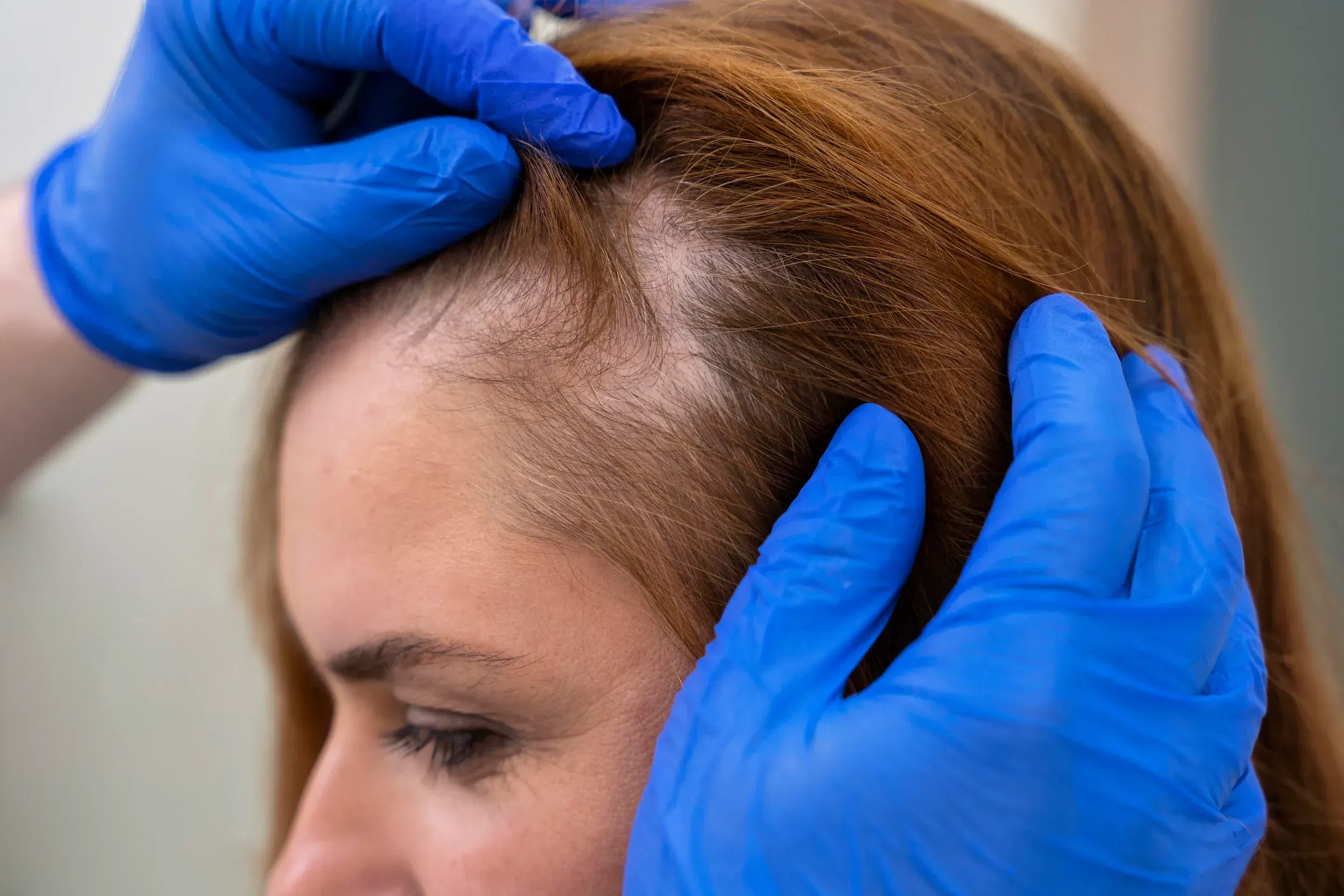
Women experience hair loss differently than men. While male pattern baldness typically follows a predictable pattern of recession and crown thinning, female hair loss tends to be more diffuse — meaning it spreads across the entire scalp rather than concentrating in specific areas.
Common types of female hair loss include:
- Female Pattern Hair Loss (FPHL) — The most common type, characterized by gradual thinning along the part line and crown while the frontal hairline is usually preserved
- Traction Alopecia — Caused by repeated tension on the hair from tight hairstyles, braids, or extensions
- Hormonal Hair Loss — Related to pregnancy, menopause, thyroid disorders, or polycystic ovary syndrome (PCOS)
- Telogen Effluvium — Temporary but sometimes prolonged shedding triggered by stress, illness, or nutritional deficiency
- Scarring Alopecia — Inflammatory conditions that destroy hair follicles and leave scar tissue
Why Candidacy Is More Complex in Women
Several factors make hair transplant candidacy more complex for women:
- Diffuse thinning patterns — Unlike men who often have a stable donor zone at the back of the head, women with diffuse thinning may have weakened donor hair throughout the scalp, including the traditional donor area
- DHT sensitivity — In women, DHT (dihydrotestosterone) can affect follicles across the entire scalp rather than in a predictable pattern
- Hormonal fluctuations — Pregnancy, menopause, and hormonal conditions can cause ongoing changes in hair density that complicate surgical planning
- Underlying medical causes — Hair loss in women is more likely to have a treatable medical cause that should be addressed before considering surgery
When Hair Transplant Surgery Works Best for Women
A hair transplant is most likely to succeed for women who have:
- Localized, stable hair loss — Hair loss that has remained consistent for at least 12 months in a defined area
- A strong donor zone — Adequate density in the back and sides of the scalp to provide healthy grafts
- A clear diagnosis — A confirmed cause of hair loss, ideally androgenetic alopecia or traction alopecia
- Realistic expectations — Understanding that the goal is meaningful improvement in density, not a complete reversal of thinning
Women with traction alopecia along the hairline or temples are often excellent candidates, as the loss is localized and the surrounding donor hair is typically healthy.
When Surgery May Not Be the Best First Step
A hair transplant may not be the right starting point if:
- Hair loss is actively progressing or unstable
- The cause of hair loss has not been diagnosed
- Diffuse thinning affects the donor area
- An underlying medical condition (thyroid, iron deficiency, hormonal imbalance) has not been treated
- The patient is experiencing telogen effluvium, which is typically reversible without surgery
In these cases, stabilizing hair loss through medical treatment should come first.
Natural-Looking Results for Women
Modern hair transplant techniques — including FUE (Follicular Unit Extraction) and robotic-assisted procedures like ARTAS — allow surgeons to create soft, natural-looking results tailored to female hairlines and density patterns. For women, the focus is often on:
- Increasing density along the part line
- Restoring fullness at the temples or frontal hairline
- Filling in areas affected by traction alopecia
- Creating a natural gradient that blends seamlessly with existing hair
Because women typically do not shave their heads for surgery, techniques can be adapted to work within existing hair length.
Recovery for Women
Recovery from a hair transplant is similar for women and men:
- Days 1–3 — Mild swelling, tenderness, and redness in the recipient and donor areas
- Week 1 — Small scabs form around transplanted grafts; gentle washing begins
- Weeks 2–4 — Transplanted hairs shed (this is normal and expected)
- Months 3–6 — New growth begins to appear
- Months 9–12 — Results continue to mature and thicken
- Month 12+ — Final results are visible
Most women can return to work within a few days, and existing hair often helps conceal the recovery process.
The Role of Non-Surgical Support
For many women, the best outcomes come from combining a hair transplant with ongoing non-surgical treatments:
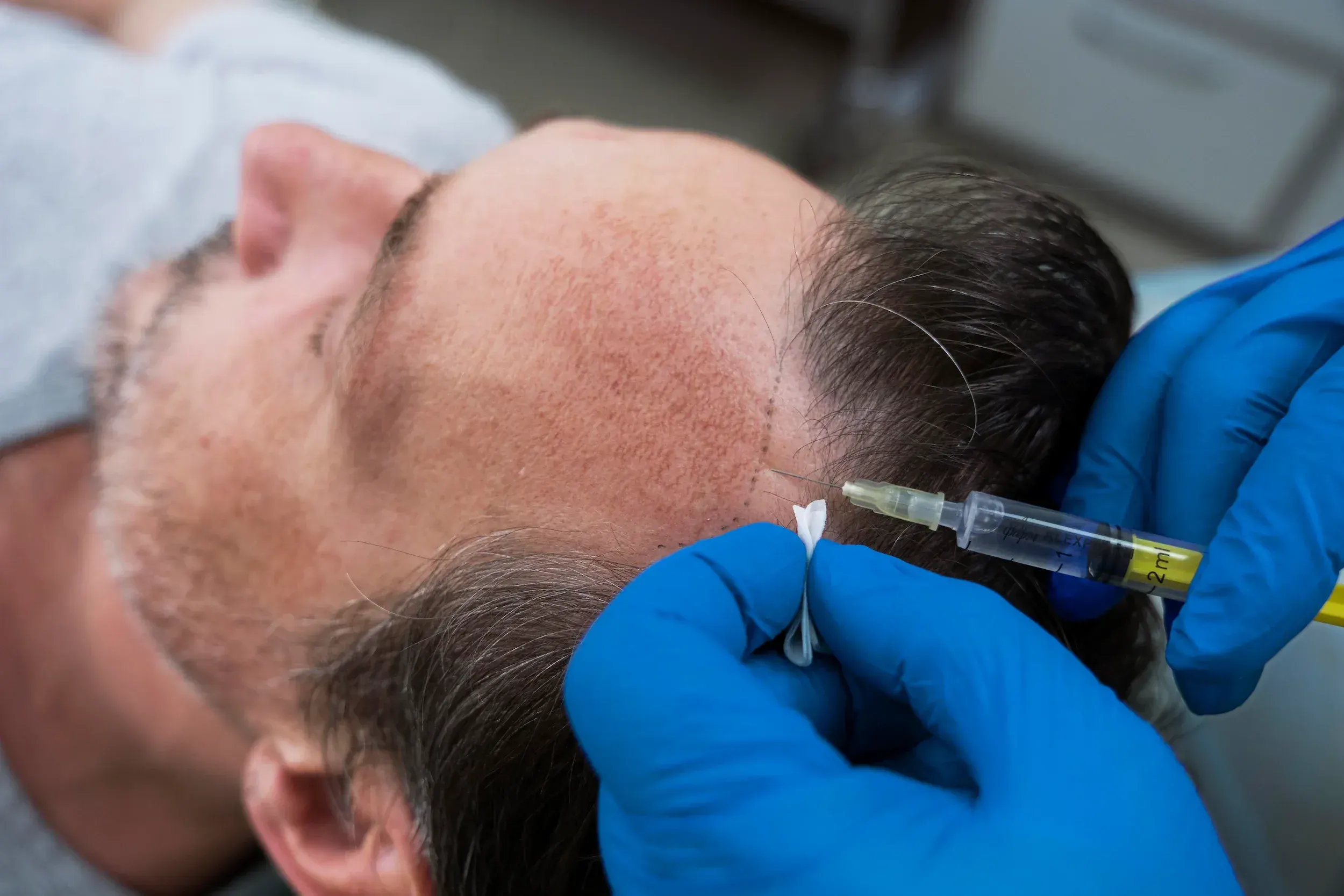
- PRP (Platelet-Rich Plasma) — Injections that promote healing and stimulate dormant follicles, often used before and after transplant surgery
- LLLT (Low-Level Laser Therapy) — A non-invasive treatment that uses light energy to improve follicle health and encourage growth
- Medications — Minoxidil (topical or oral) and spironolactone can help stabilize ongoing hair loss and support transplanted hair
- Nutritional optimization — Addressing deficiencies in iron, vitamin D, biotin, and zinc can improve hair quality and growth
These treatments can help protect existing hair, improve the health of the scalp, and enhance the long-term results of a transplant.
Take the First Step
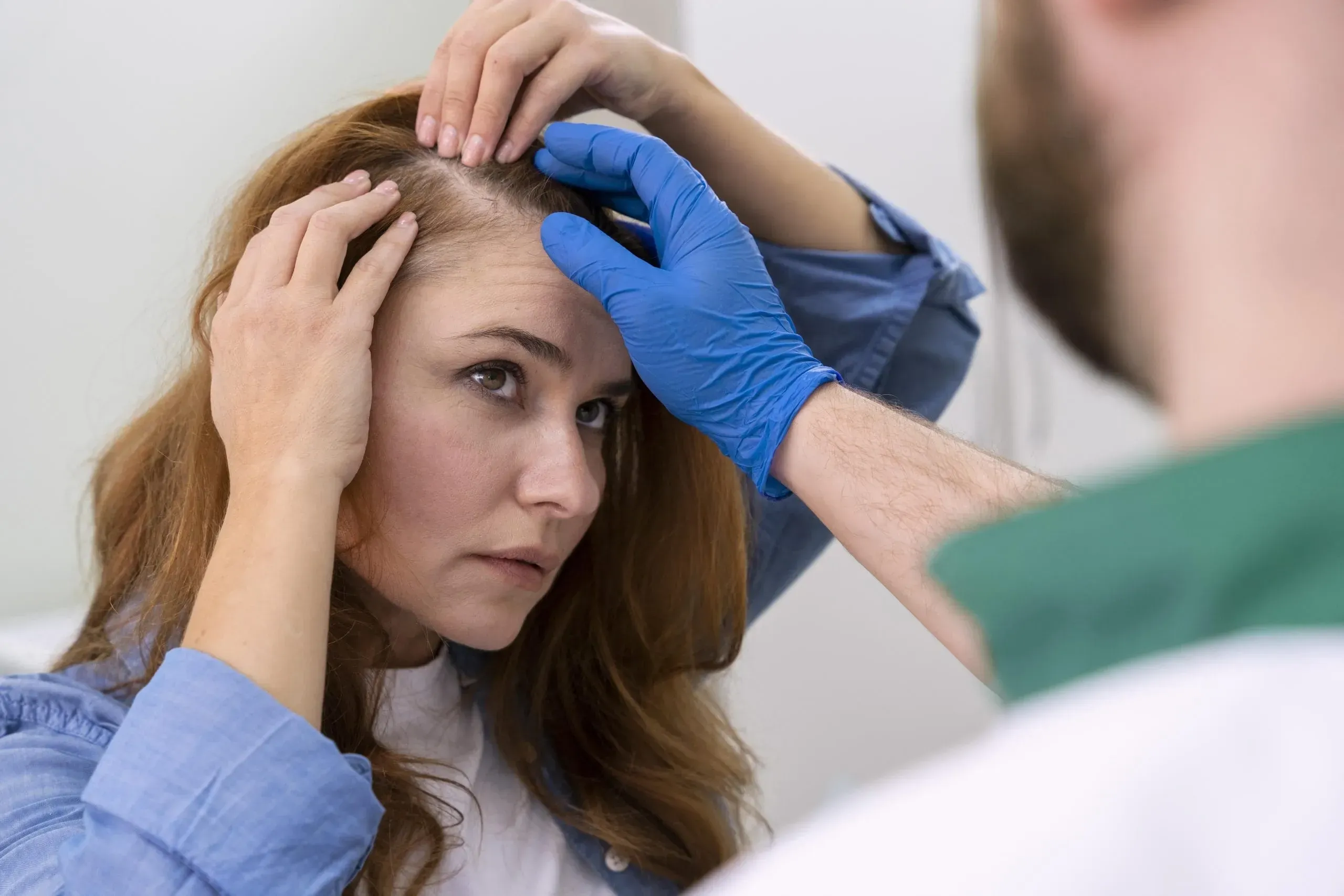
If you are a woman experiencing hair loss, the most important step is a thorough evaluation by a board-certified hair restoration specialist. A proper diagnosis, donor assessment, and personalized treatment plan will determine whether a hair transplant — alone or combined with other therapies — is the right path for you.