
Hair Transplant Consultation: What to Expect During Your Visit
A hair transplant consultation is the first step toward restoration. Learn how to prepare, what happens during the visit, and what comes next.
Understanding the Consultation Process
A hair transplant consultation is the foundation of your hair restoration journey. It is the opportunity for you and your specialist to evaluate your hair loss, discuss your goals, and determine the best path forward. Whether you are considering surgery or exploring non-surgical options, a thorough consultation ensures you make an informed decision.
Preparing for Your Consultation
Coming prepared helps you get the most out of your visit:
Gather Your Information
- Medical history — Be ready to discuss any medical conditions, surgeries, and current medications (including supplements)
- Family history — Hair loss patterns in your family can help predict your trajectory
- Hair loss timeline — When did you first notice thinning? How has it progressed?
- Previous treatments — List any products, medications, or procedures you have tried, along with their results
- Photos — Bring photos from different time periods showing your hair at various stages
Set Your Goals
Think about what you want to achieve:
- Are you hoping to restore a specific area (hairline, crown, temples)?
- Is your primary goal density improvement or hairline restoration?
- What does your ideal outcome look like?
- Are you open to both surgical and non-surgical options?
Having clear goals helps your specialist tailor recommendations to your specific situation.
What Happens During the Consultation
Medical History Review
Your specialist will review your complete medical history, including:
- Current and past health conditions
- Medications that may affect hair loss or surgical outcomes
- Hormonal status (thyroid, testosterone, DHEA levels in some cases)
- Nutritional factors (iron, vitamin D, biotin levels)
- Lifestyle factors (stress, sleep, diet, smoking)
This review helps identify any underlying causes of hair loss and any factors that could affect treatment outcomes.
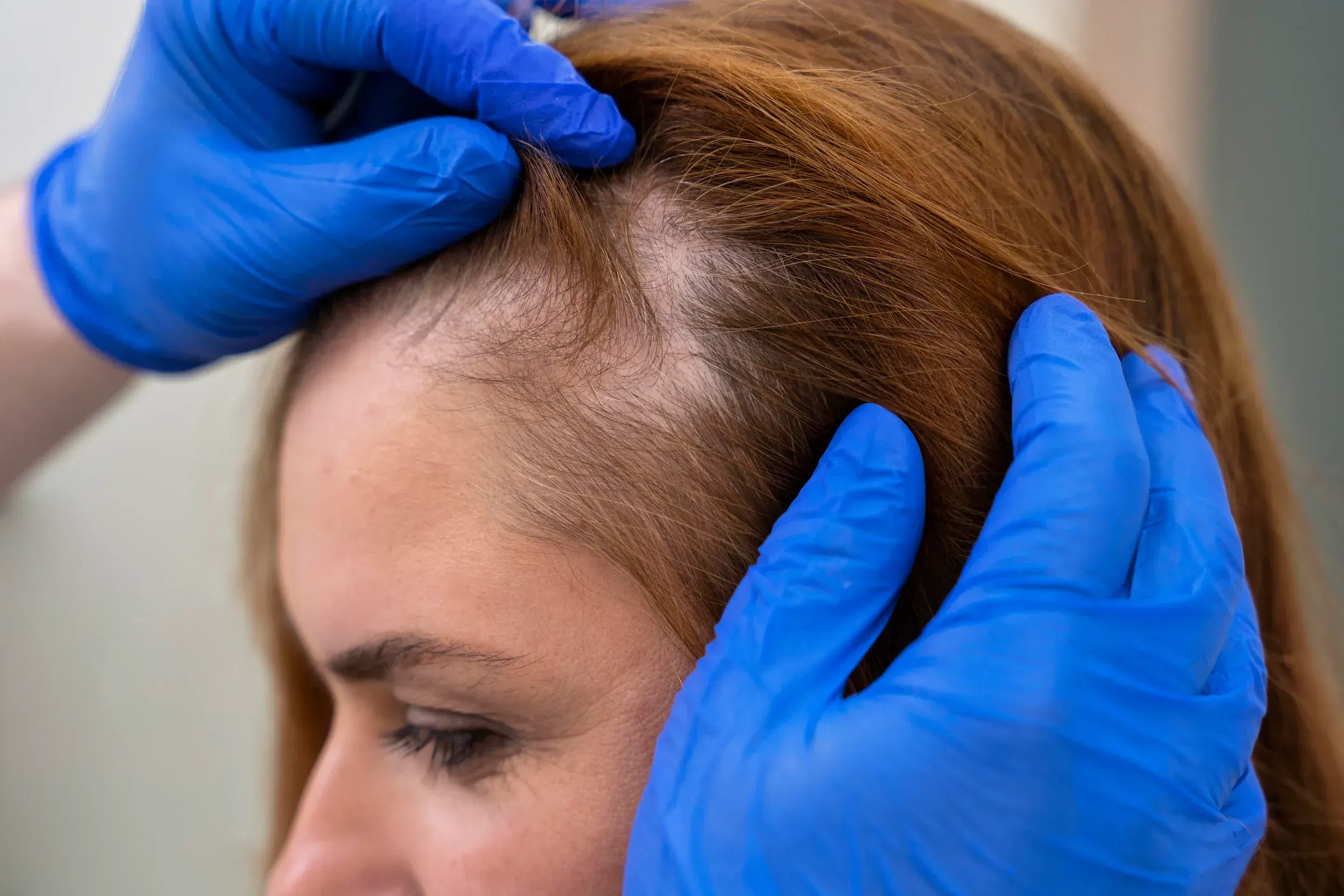
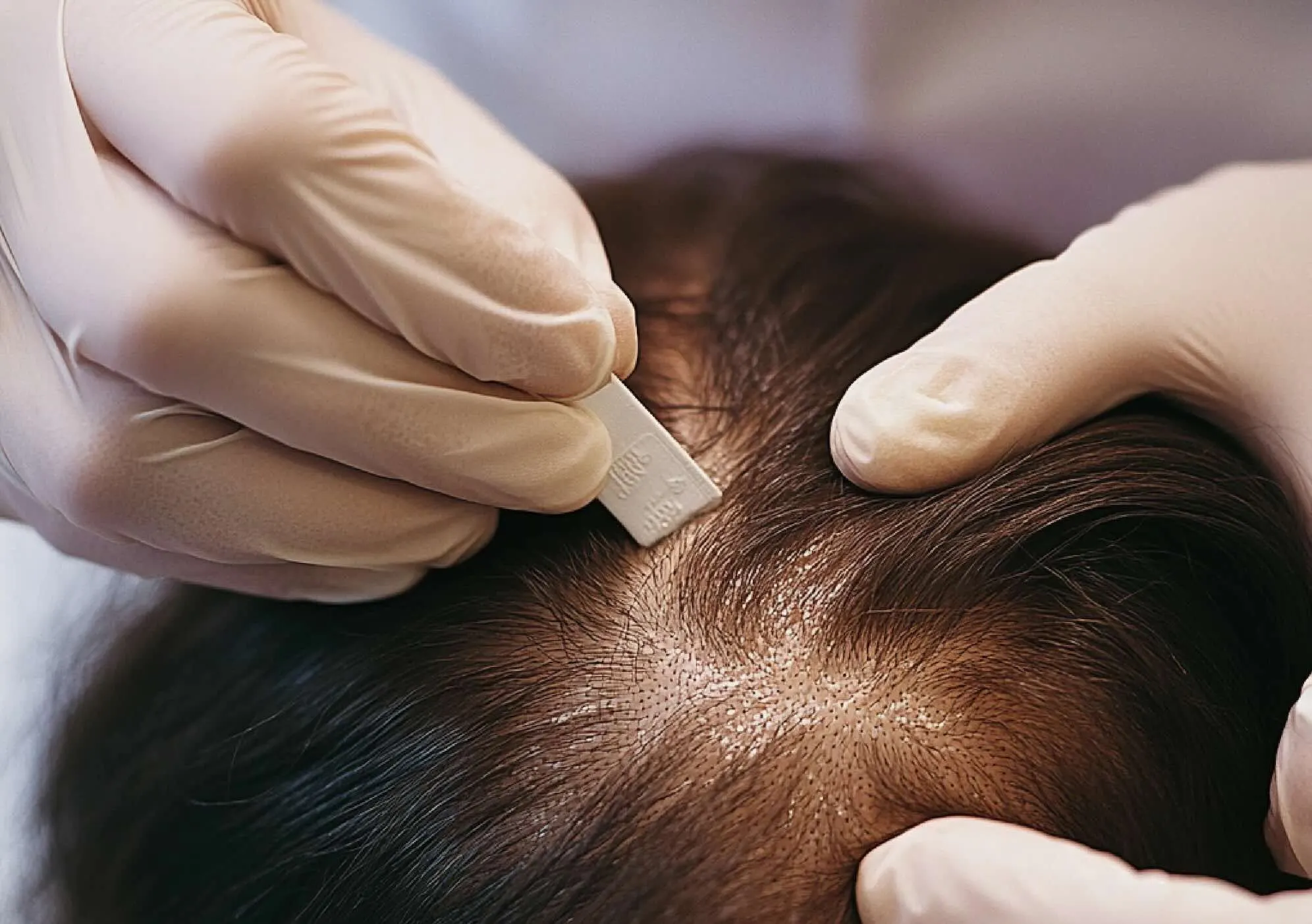
Scalp Examination
A thorough physical examination of the scalp includes:
- Hair density assessment — Evaluating the current density across different zones of the scalp
- Miniaturization analysis — Looking for signs of follicle miniaturization (a hallmark of androgenetic alopecia)
- Donor area evaluation — Assessing the density, thickness, and health of hair in the donor zone (back and sides of the scalp)
- Scalp health — Checking for inflammation, scarring, or other conditions that could affect treatment
- Hair caliber — Measuring hair thickness, which influences how many grafts are needed for desired density
Some clinics use magnification tools or digital scalp imaging to provide a more detailed analysis.
Treatment Options Discussion
Based on the examination and your goals, your specialist will explain the available options:
Surgical options:
- FUE (Follicular Unit Extraction) — Individual follicles are extracted one at a time from the donor area and placed in the recipient zone. Minimally invasive, no linear scar, shorter recovery
- FUT (Follicular Unit Transplantation) — A strip of scalp is removed from the donor area, and individual follicular units are dissected and transplanted. Can yield more grafts per session
- ARTAS Robotic System — AI-assisted robotic FUE that provides exceptional precision and consistency in graft harvesting. Minimally invasive with reduced human error
Non-surgical options:
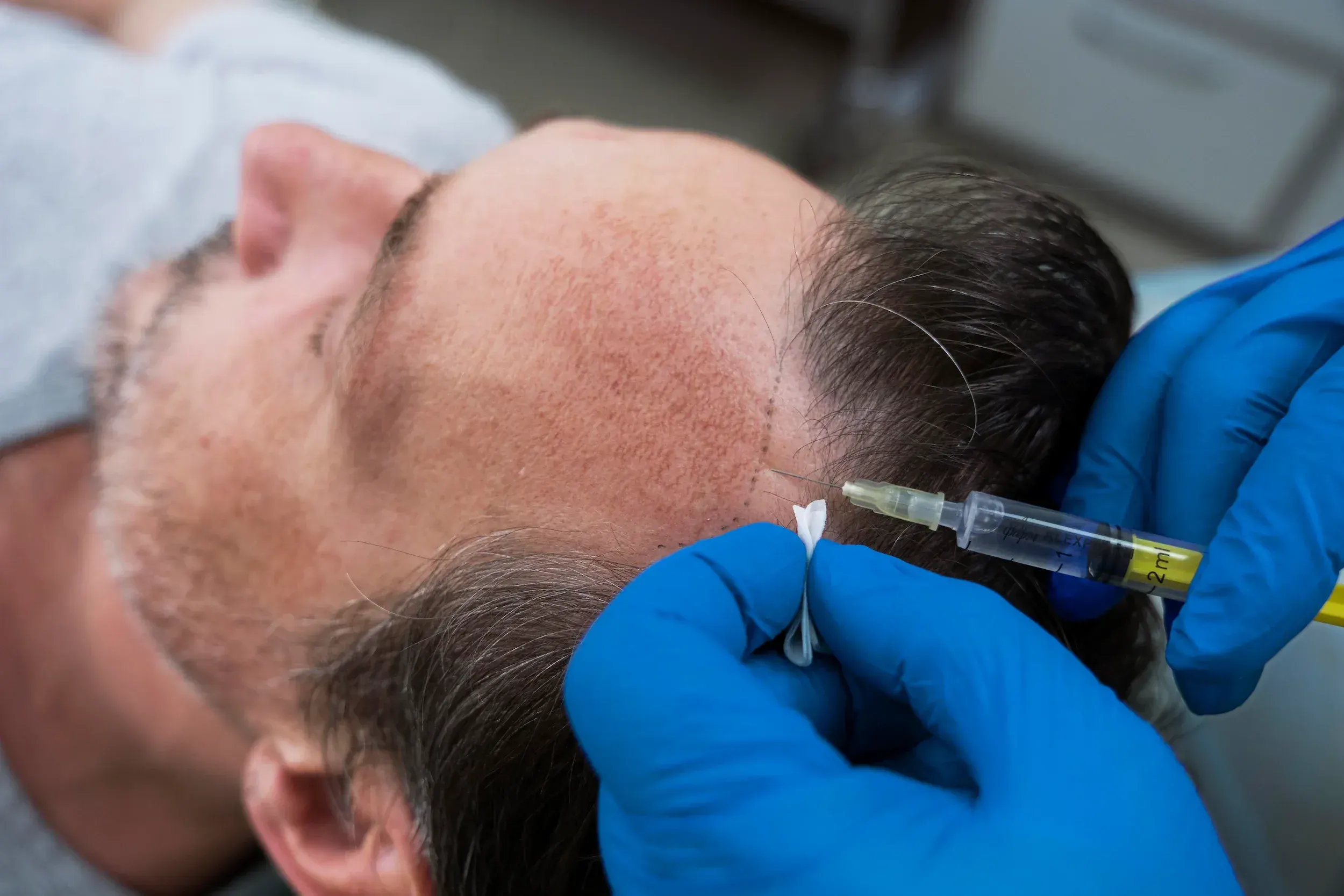
- PRP (Platelet-Rich Plasma) — Growth factor injections to stimulate follicle health
- Low-Level Laser Therapy (LLLT) — Light-based treatment to support hair growth
- Medications — Finasteride, minoxidil, and spironolactone (for women)
Your specialist will explain the pros, cons, and expected outcomes of each option for your specific case.
Receiving Your Personalized Treatment Plan
After the examination and discussion, your specialist will present a personalized plan that includes:
- Recommended approach — Surgery, non-surgical treatment, or a combination
- Number of grafts — If surgery is recommended, an estimate of how many grafts are needed to achieve your goals
- Technique recommendation — FUE, FUT, or ARTAS, based on your donor quality, hair loss pattern, and preferences
- Timeline — When surgery can be scheduled, expected recovery time, and when results will be visible
- Cost estimate — A transparent breakdown of procedure costs
- Maintenance plan — Recommended ongoing treatments (medications, PRP, LLLT) to protect and enhance results
After the Consultation: Next Steps
Once you have your treatment plan:
- Take time to decide — A good specialist will never pressure you into immediate decisions
- Ask questions — Follow up with any questions that come to mind after the visit
- Get a second opinion — If you are unsure, consulting another specialist is always appropriate
- Pre-operative preparation — If you decide to proceed, you will receive detailed instructions for the weeks leading up to surgery
- Schedule strategically — Consider your work schedule, social calendar, and seasonal factors when choosing a surgery date
Why Choose a Board-Certified Specialist
The quality of your consultation — and your results — depends heavily on the qualifications and experience of your specialist:
- Board certification in dermatology or hair restoration surgery ensures specialized training
- Experience with multiple techniques (FUE, FUT, ARTAS) means the recommendation will be based on what is best for you, not what the surgeon is limited to
- Before-and-after portfolio — Review examples of the surgeon's work on patients with similar hair loss patterns
- Transparent communication — A trustworthy specialist will be honest about what is achievable and what is not
Frequently Asked Questions
How long does a consultation take? Most consultations last 30–60 minutes, depending on the complexity of your case.
Is the consultation free? Many clinics offer complimentary or low-cost consultations. Ask when scheduling.
Can I have a virtual consultation? Yes — virtual consultations are available and are a convenient first step, especially for out-of-town patients.
Should I stop any medications before the consultation? No — continue your current routine. Your specialist needs to see your hair in its current state and understand your medication history.
What if I am not a candidate for surgery? Non-surgical options may be recommended instead, and your specialist can create an alternative plan tailored to your situation.
The consultation is your opportunity to get expert guidance, ask questions, and make an informed decision about your hair restoration journey. Taking this first step puts you on the path to understanding your options and achieving your goals.