Hair Loss Prevention: Early Signs and Proactive Strategies
Catching hair loss early gives you the best chance of preserving your hair. Learn the early warning signs and proactive strategies to slow or prevent further loss.
Understanding Hair Loss
The Hair Growth Cycle
Every hair follicle cycles through three phases:
- Anagen (growth phase) — Lasts 2–7 years. The longer this phase, the longer the hair grows. At any given time, about 85–90% of your hair is in this phase
- Catagen (transition phase) — A brief 2–3 week period where the follicle shrinks and detaches from the blood supply
- Telogen (resting phase) — Lasts about 3 months. The hair rests and eventually falls out, making room for a new hair to grow
It is normal to shed 50–100 hairs per day as part of this cycle. Hair loss becomes a concern when shedding exceeds normal levels or when follicles stop producing new hair.
Types of Hair Loss
Common types include:
- Androgenetic alopecia — Genetic, hormone-driven hair loss (male and female pattern)
- Telogen effluvium — Diffuse shedding triggered by stress, illness, or nutritional deficiency
- Alopecia areata — Autoimmune patches of hair loss
- Traction alopecia — Loss from repeated physical tension on the hair
- Scarring alopecia — Inflammatory conditions that destroy follicles permanently
Identifying the type of hair loss is critical because each type requires a different approach.
Early Signs of Hair Loss
The earlier you recognize hair loss, the more options you have. Watch for these warning signs:
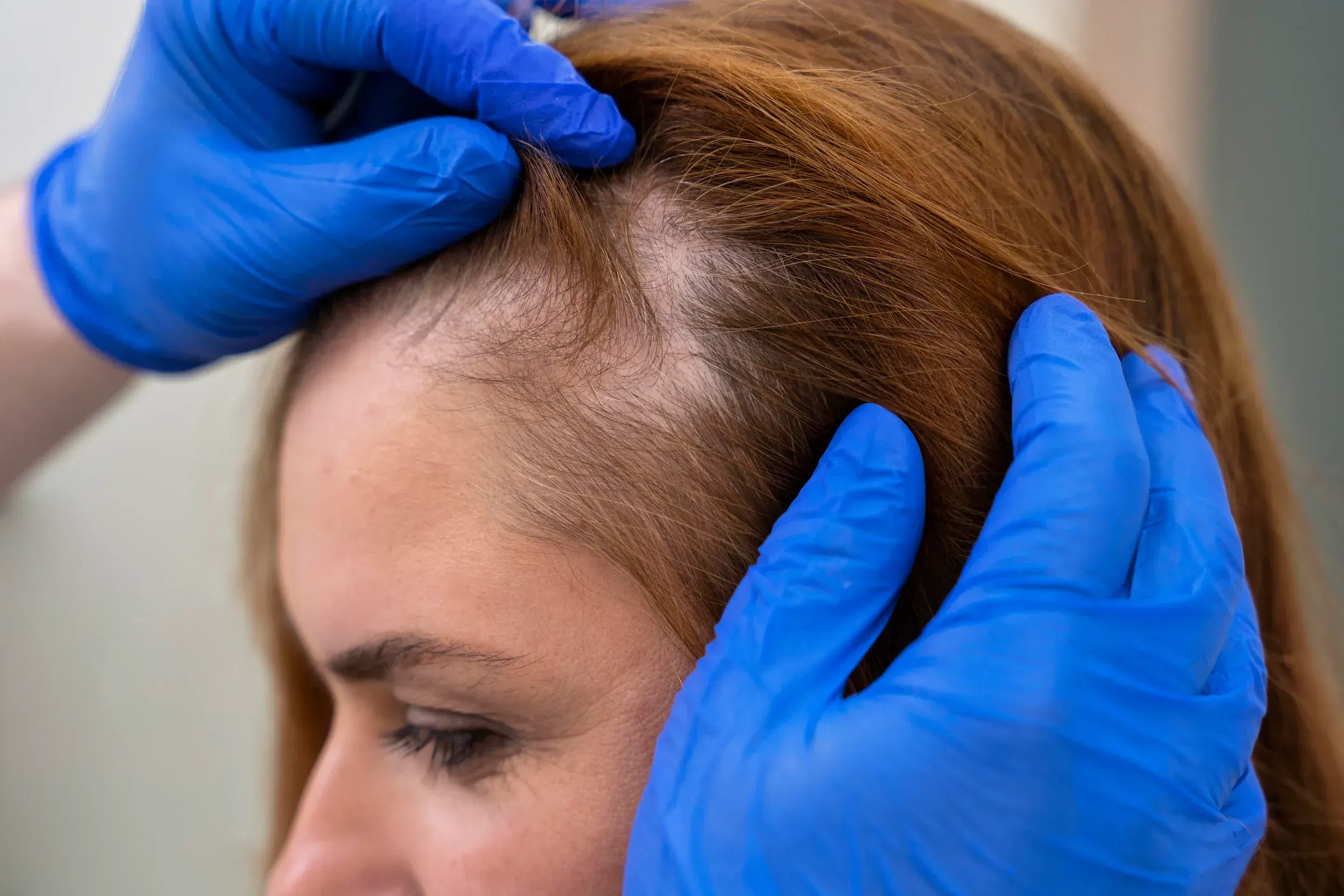
Thinning at the Part Line or Crown
- The part line gradually appears wider
- The scalp becomes more visible through the hair, especially in overhead lighting
- This pattern is common in female pattern hair loss
Receding Hairline
- The hairline begins to pull back, particularly at the temples
- An M-shaped or V-shaped recession develops
- This pattern is classic for male pattern baldness (Norwood Scale progression)
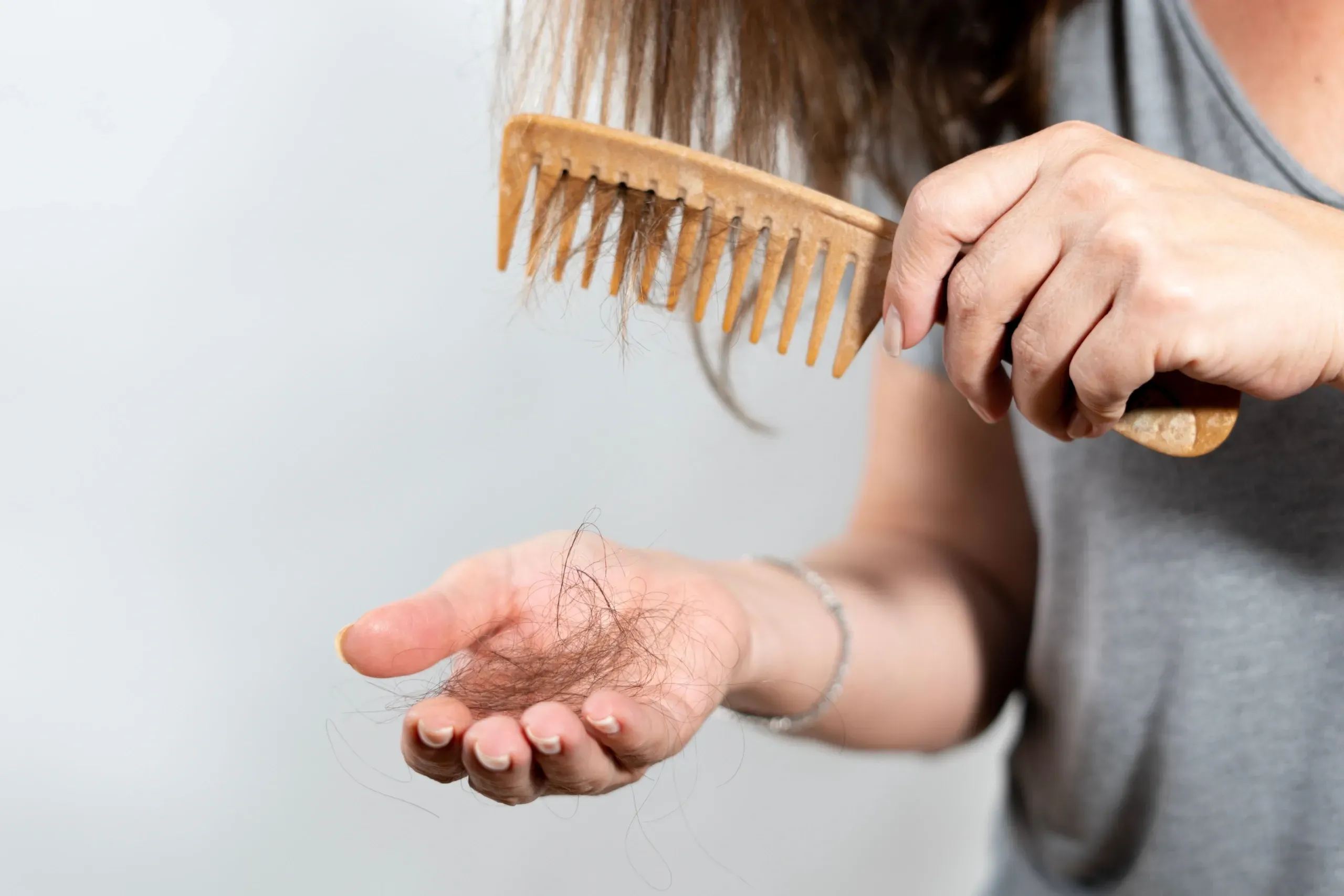
Increased Shedding
- Noticeably more hair in the shower drain, on your pillow, or in your brush
- Finding hair on clothing or furniture more frequently than before
- Shedding that persists for more than a few weeks deserves evaluation
Common Causes of Hair Loss
Genetics
Androgenetic alopecia is the most common cause of hair loss in both men and women. It is driven by genetic sensitivity to DHT (dihydrotestosterone), which causes susceptible follicles to miniaturize over time.
Hormonal Changes
- Pregnancy and postpartum hormonal shifts
- Menopause and declining estrogen
- Thyroid imbalances (hypothyroidism, hyperthyroidism)
- Polycystic ovary syndrome (PCOS)
Nutritional Deficiencies
- Iron deficiency (low ferritin) is one of the most common nutritional causes of hair shedding
- Vitamin D deficiency affects follicle cycling
- Zinc, biotin, and B12 deficiencies can contribute to thinning
Stress
- Chronic stress elevates cortisol, which can push follicles into the resting phase
- Major life events (illness, surgery, emotional trauma) can trigger telogen effluvium 2–4 months later
Hairstyles and Habits
- Tight ponytails, braids, weaves, and extensions can cause traction alopecia over time
- Excessive heat styling damages the hair cuticle and weakens strands
- Chemical treatments (coloring, relaxers, perms) can weaken hair structure
Proactive Strategies for Prevention
Build a Gentle Hair Care Routine
- Use sulfate-free, gentle shampoos that do not strip natural oils
- Condition regularly to maintain moisture and elasticity
- Use a wide-tooth comb on wet hair instead of brushing
- Minimize heat styling; always use a heat protectant when necessary
- Avoid tight hairstyles that pull on the hairline
- Let hair air-dry when possible
Adopt a Healthy Lifestyle
- Exercise regularly — Improves circulation, including blood flow to the scalp
- Manage stress — Develop a consistent stress-management practice (exercise, meditation, sleep hygiene)
- Sleep well — Aim for 7–8 hours per night. The body repairs and regenerates tissues during sleep
- Avoid smoking — Smoking reduces blood flow to the scalp and accelerates hair aging
- Limit alcohol — Excessive alcohol can deplete nutrients needed for hair health
Support Hair with Nutrition and Supplements
- Eat a balanced diet rich in protein, iron, omega-3 fatty acids, and vitamins A, C, D, and E
- Get blood work to check ferritin, vitamin D, B12, zinc, and thyroid function
- Supplement strategically based on test results, not guesswork
- Consider a hair-health multivitamin as a baseline if your diet is inconsistent
Scalp Health Is the Foundation
A healthy scalp creates the environment for healthy hair growth:
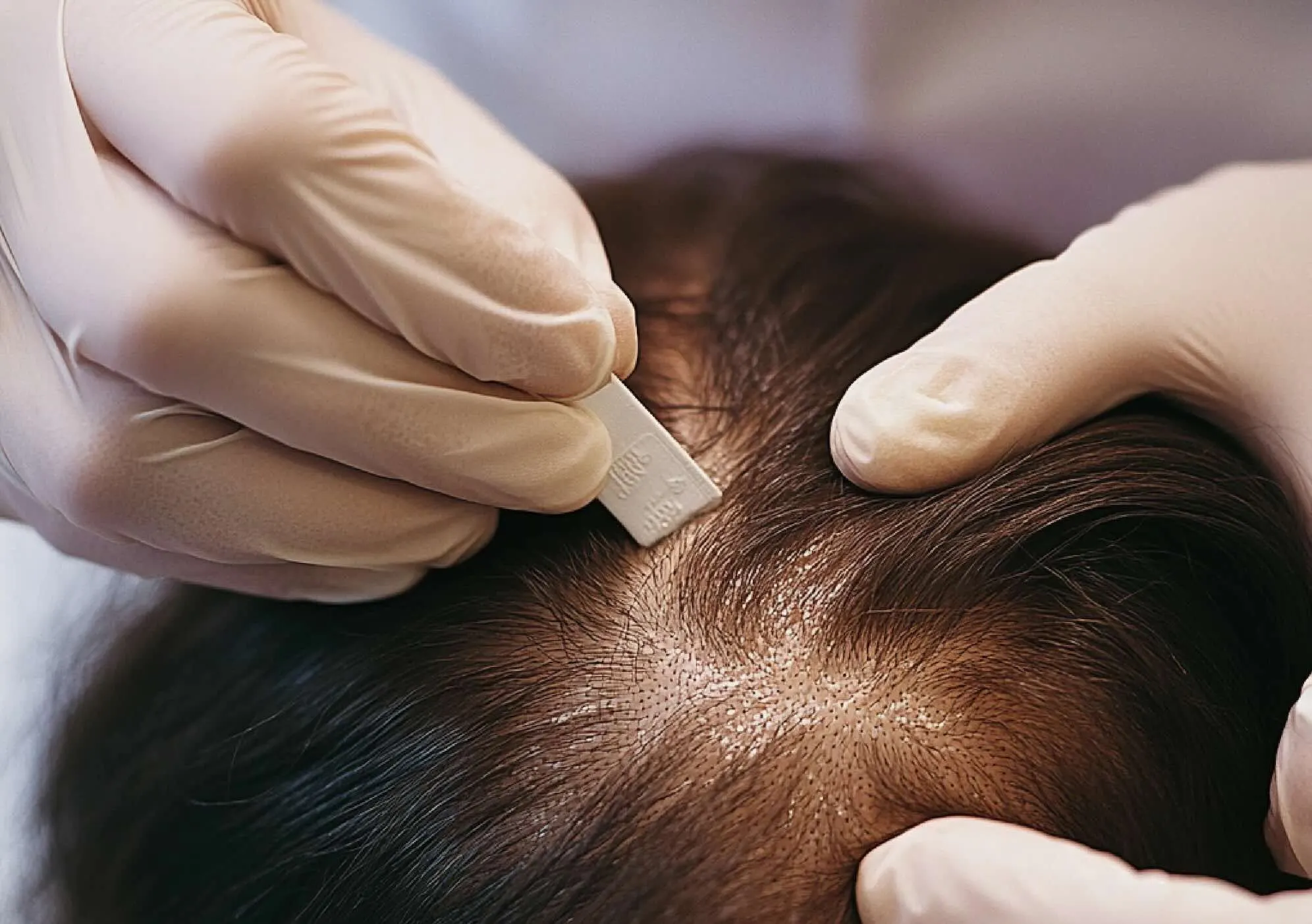
- Keep the scalp clean but not over-washed (2–3 times per week for most people)
- Exfoliate the scalp gently every 1–2 weeks to remove buildup
- Use a scalp-specific serum or oil to maintain moisture and reduce inflammation
- Avoid scratching or picking at the scalp
- Address dandruff, seborrheic dermatitis, or other scalp conditions promptly
Medical Treatments for Hair Loss Prevention
When lifestyle and nutritional strategies are not enough, medical treatments can make a significant difference:
Minoxidil
- Available over the counter in topical form (2% and 5%) or by prescription as a low-dose oral tablet
- Stimulates hair growth and extends the anagen phase
- Must be used consistently to maintain results
Finasteride
- Prescription oral medication that blocks DHT
- Proven to slow or stop androgenetic alopecia in men
- Used off-label in some women under medical supervision
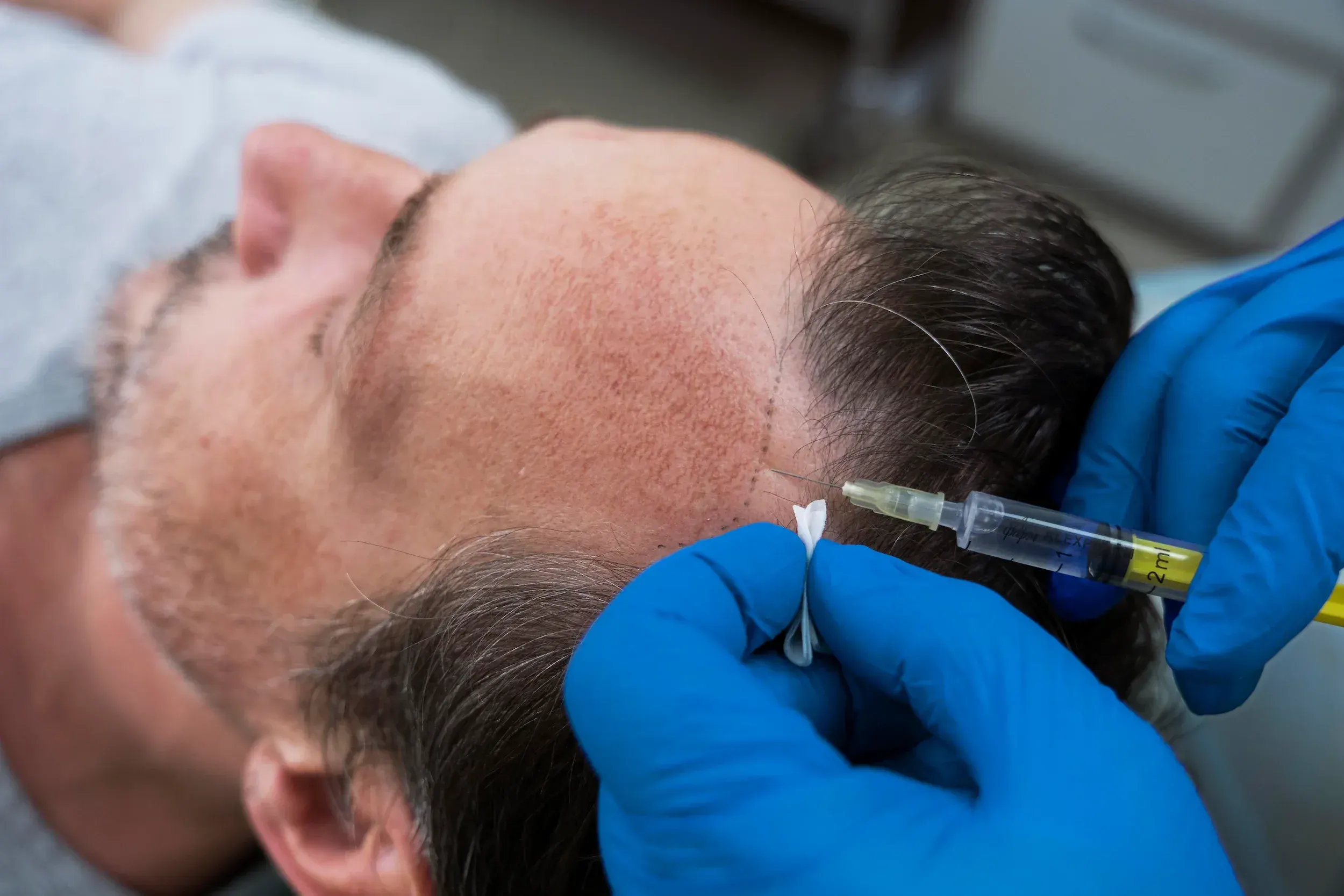
PRP (Platelet-Rich Plasma)
- Growth factor injections derived from your own blood
- Supports follicle health, stimulates dormant follicles, and can improve density
- Typically performed as a series of sessions
Low-Level Laser Therapy (LLLT)
- Non-invasive light therapy that improves scalp circulation and cellular energy production
- Available as in-clinic treatments or at-home devices (laser caps)
- Works best in combination with other treatments
Hair Transplant Surgery
- For established hair loss where follicles have been lost permanently
- FUE, FUT, and ARTAS techniques are available
- Best results when combined with ongoing medical maintenance
When to See a Professional
Do not wait until hair loss is advanced. See a hair specialist if:
- You notice a change in your shedding pattern that persists for more than 4–6 weeks
- Your hairline is receding or your part is widening
- You see bald patches or areas of thinning
- Hair loss runs in your family and you want to get ahead of it
- You are experiencing other symptoms (fatigue, weight changes, scalp irritation) alongside hair loss
Early intervention is the single most important factor in hair loss prevention. The sooner you act, the more hair you can save — and the more treatment options are available to you.