
Hair Loss in Young Adults: Why It Happens and How to Prevent It
Hair loss in your teens or twenties can be especially distressing. Learn the common causes, from genetics and hormones to styling habits, and discover treatments that can help.
Why Hair Loss Affects Young Adults
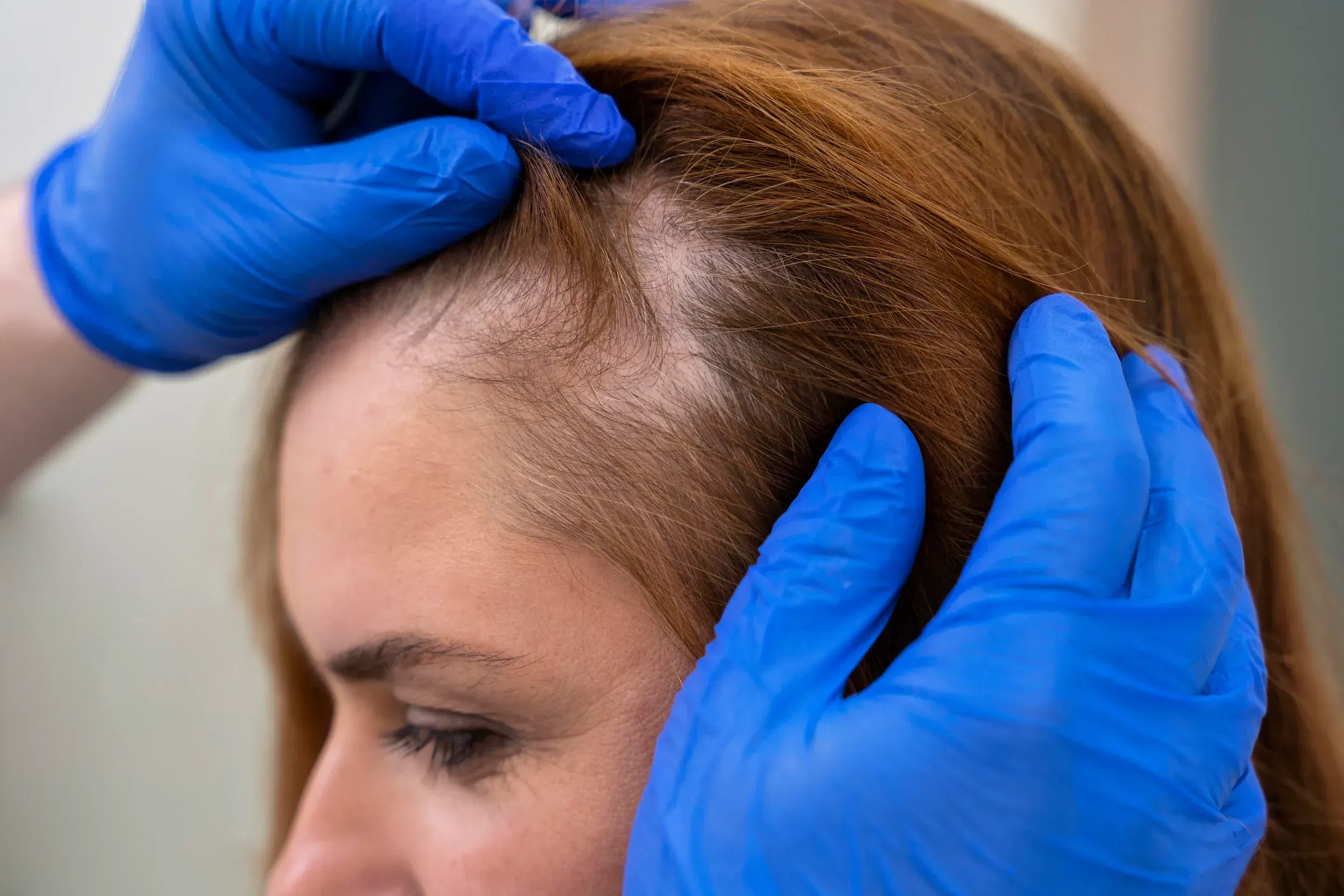
Hair loss is often thought of as a concern for older adults, but the reality is that it can begin much earlier than most people expect. Many young adults in their late teens and twenties notice thinning hair, a receding hairline, or increased shedding, and the experience can be particularly distressing at an age when appearance plays a significant role in social confidence and self-image.
Understanding why hair loss happens in young adults is the first step toward addressing it effectively. In many cases, early intervention can slow or stop progression, and in some cases, reverse it.
Common Causes of Hair Loss in Young Adults
Genetics and Androgenetic Alopecia
Androgenetic alopecia, commonly known as male or female pattern hair loss, is the most common cause of hair loss at any age, and it can begin as early as the late teens. This condition is driven by a combination of genetic predisposition and the hormone dihydrotestosterone (DHT).
In young men, androgenetic alopecia typically begins with recession at the temples and thinning at the crown. In young women, it usually presents as diffuse thinning along the part line, with the frontal hairline preserved.
Key facts about genetic hair loss in young adults:
- Hair loss genes are inherited from both parents, not just the mother's side
- Having a parent or grandparent with significant hair loss increases your risk substantially
- Early onset often indicates a more aggressive pattern that may progress further
- The earlier treatment begins, the more hair can be preserved
Hormonal Imbalances
Hormonal fluctuations during the late teens and twenties can trigger or worsen hair loss:
- Puberty-related hormone surges can activate genetic hair loss patterns
- Polycystic ovary syndrome (PCOS) in young women causes elevated androgens, leading to thinning
- Thyroid disorders can emerge during young adulthood and cause diffuse hair thinning
- Birth control starting or stopping hormonal contraceptives can trigger shedding
- Testosterone fluctuations in young men as hormones stabilize after puberty
Autoimmune Conditions: Alopecia Areata
Alopecia areata is an autoimmune condition that commonly appears in people under 30. The immune system mistakenly attacks hair follicles, causing circular patches of hair loss that can appear suddenly.
Characteristics of alopecia areata in young adults:
- Round, smooth patches of complete hair loss
- Can affect the scalp, eyebrows, eyelashes, or body hair
- Unpredictable course: may resolve spontaneously or progress
- Often triggered by stress, illness, or other immune system activation
- Family history of autoimmune conditions increases risk
Stress and Telogen Effluvium
Young adulthood is a period of significant stress: academic pressures, career beginnings, relationship changes, and financial concerns can all take a toll. Telogen effluvium triggered by stress causes diffuse shedding that typically begins two to three months after the stressful event.
Common stressors for young adults:
- College exams and academic pressure
- Starting a new job or career uncertainty
- Relationship stress or breakups
- Moving away from home
- Financial pressure and student debt
- Social media pressure and body image concerns
Nutritional Deficiencies
Young adults are particularly susceptible to nutritional deficiencies that affect hair growth due to poor dietary habits, restrictive diets, or eating disorders:
- Iron deficiency - Especially common in young women due to menstruation and dietary choices. Low ferritin levels are one of the most common correctable causes of hair shedding
- Protein deficiency - Vegan or vegetarian diets without proper planning may not provide adequate protein for hair production
- Vitamin D deficiency - Widespread in young adults, particularly those who spend most of their time indoors
- Zinc deficiency - Common in those with restricted diets
- B12 deficiency - Particularly in vegans who do not supplement
- Eating disorders - Anorexia and bulimia can cause severe nutritional depletion leading to significant hair loss
Hairstyling Habits
Young adults often experiment with hairstyles and treatments that can damage hair:
- Tight hairstyles - Braids, cornrows, tight ponytails, and buns can cause traction alopecia, especially when worn daily
- Hair extensions and weaves - Add weight and tension to the hairline
- Frequent heat styling - Daily use of flat irons, curling wands, and blow dryers weakens the hair shaft
- Tight hair accessories - Elastic bands and clips that grip tightly can break hair and damage follicles
Chemical Damage
Frequent chemical treatments are common among young adults and can cause significant damage:
- Bleaching - Strips the hair shaft of its protective cuticle and proteins
- Frequent coloring - Repeated chemical processing weakens hair over time
- Chemical straightening or relaxing - Can damage follicles when applied too close to the scalp
- Perming - Alters the hair's internal structure, making it more fragile
Fungal Infections
Tinea capitis (scalp ringworm) is a fungal infection that can cause patches of hair loss. While more common in children, it can affect young adults, particularly those in shared living environments like dormitories.
Signs include:
- Scaly, itchy patches on the scalp
- Broken hair shafts that appear as black dots
- Swollen, pus-filled areas in severe cases
- Hair loss in the affected area
Treatment requires antifungal medication, typically oral, as topical treatments alone are usually insufficient for scalp infections.
Trichotillomania
Trichotillomania is a hair-pulling disorder that often begins during adolescence. It involves recurrent, compulsive pulling of one's own hair, typically from the scalp, eyebrows, or eyelashes. It is classified as a body-focused repetitive behavior and is associated with anxiety, stress, and emotional regulation difficulties.
Signs include:
- Irregular patches of thinning or baldness
- Broken hairs of varying lengths in affected areas
- Attempts to conceal the behavior or its results
- Increased pulling during periods of stress or boredom
Treatment Options
Multiple effective treatments are available for young adults experiencing hair loss.
Minoxidil
Minoxidil is an FDA-approved topical treatment available over the counter. It works by increasing blood flow to hair follicles and prolonging the growth phase:
- Available in 2% and 5% liquid and foam formulations
- Can be applied to specific areas of thinning
- Results typically visible in three to six months
- Must be used continuously to maintain benefits
- Generally well-tolerated with minimal side effects
Finasteride
Finasteride is a prescription medication for men that blocks DHT production:
- 1mg daily dose reduces DHT by approximately 60-70%
- Stops progression in about 86% of men
- Promotes regrowth in about 65% of men
- Topical formulations available with potentially fewer systemic effects
- Requires prescription and ongoing use
Oral Minoxidil
Low-dose oral minoxidil has emerged as a convenient alternative to topical application:
- Prescribed at low doses (0.625mg to 5mg daily)
- Eliminates the need for daily topical application
- Effective for both men and women
- Requires monitoring for potential cardiovascular effects
- Growing evidence base supports its efficacy and safety at low doses
Hair Transplant Surgery
While hair transplants are generally recommended for patients with stable hair loss patterns (typically age 30 and above), younger patients with advanced loss and stable patterns may be candidates:
- FUE (Follicular Unit Extraction) - Individual graft extraction with no linear scar
- FUT (Follicular Unit Transplantation) - Strip method with potentially higher graft yields
- Conservative planning is essential for younger patients to account for future progression
- Medical therapy should be established first to stabilize loss
Low-Level Laser Therapy (LLLT)
FDA-cleared laser devices stimulate hair follicles using specific light wavelengths:
- Available as caps, helmets, and combs for home use
- Non-invasive with minimal side effects
- Best used as a complementary treatment alongside medications
- Requires consistent use (typically three to four sessions per week)
PRP (Platelet-Rich Plasma) Therapy
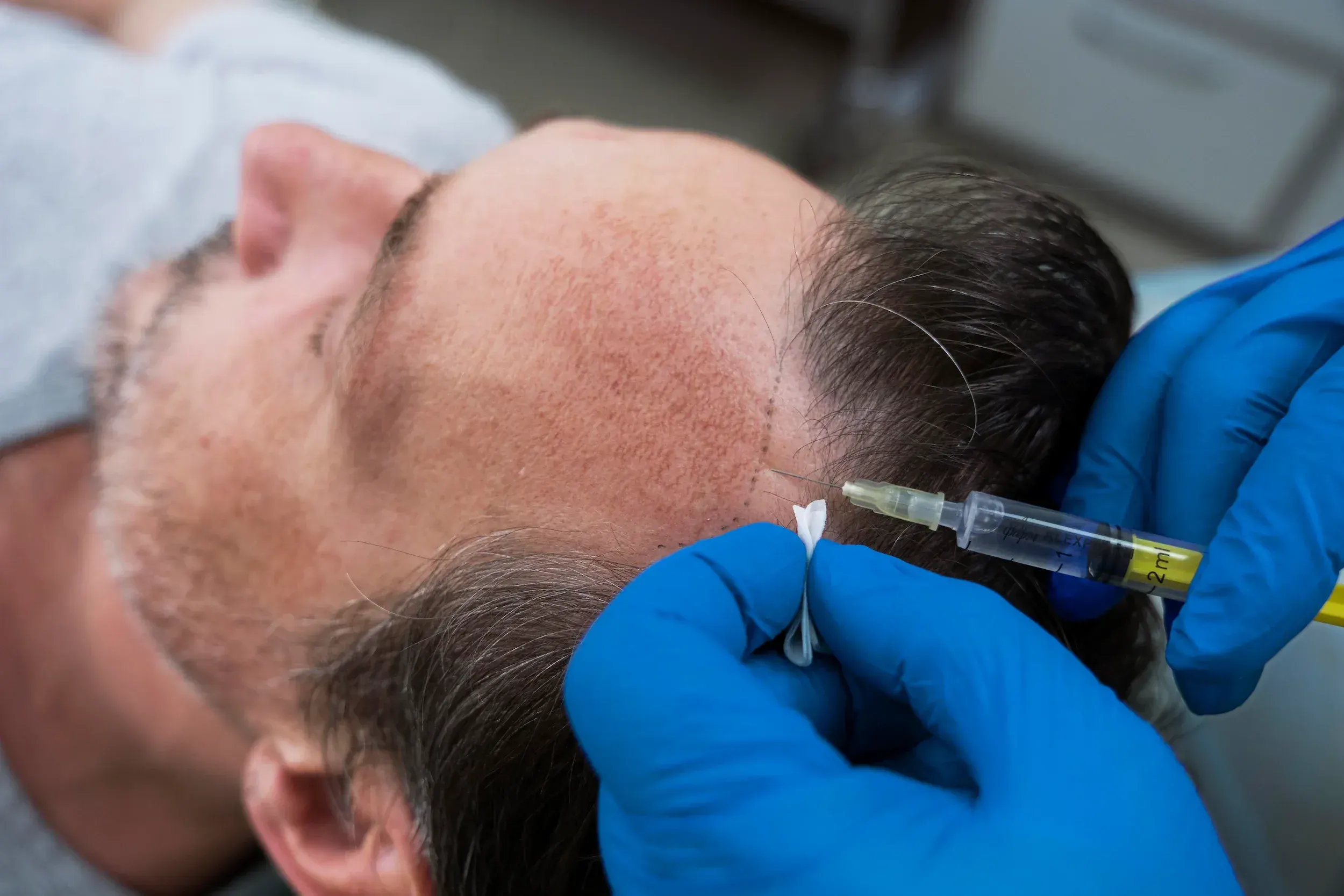
PRP uses concentrated growth factors from your own blood:
- Injected directly into areas of thinning
- Stimulates dormant follicles and supports existing hair
- Typical protocol: three to four sessions, four to six weeks apart
- Can be combined with other treatments for enhanced results
Building Better Hair Care Habits
Prevention and gentle care are essential for young adults concerned about hair health:
- Minimize heat styling and always use a heat protectant when you do
- Choose gentle hairstyles that do not pull on the hairline
- Use sulfate-free shampoos and condition regularly
- Eat a balanced diet rich in protein, iron, zinc, and vitamins
- Manage stress through exercise, meditation, and adequate sleep
- Limit chemical treatments and space them out adequately
- Protect your hair from sun, wind, and chlorine
- Do not ignore early signs of thinning. Early action yields the best results
When to See a Dermatologist
Young adults should seek professional evaluation if:
- Hair thinning or shedding is progressing noticeably
- You see distinct patches of hair loss
- There is a family history of early hair loss
- Hair loss is accompanied by other symptoms (fatigue, weight changes, irregular periods)
- You suspect a scalp condition (itching, scaling, redness)
- Over-the-counter treatments have not helped after six months
- You feel compelled to pull your hair
- Hair loss is affecting your mental health or daily life
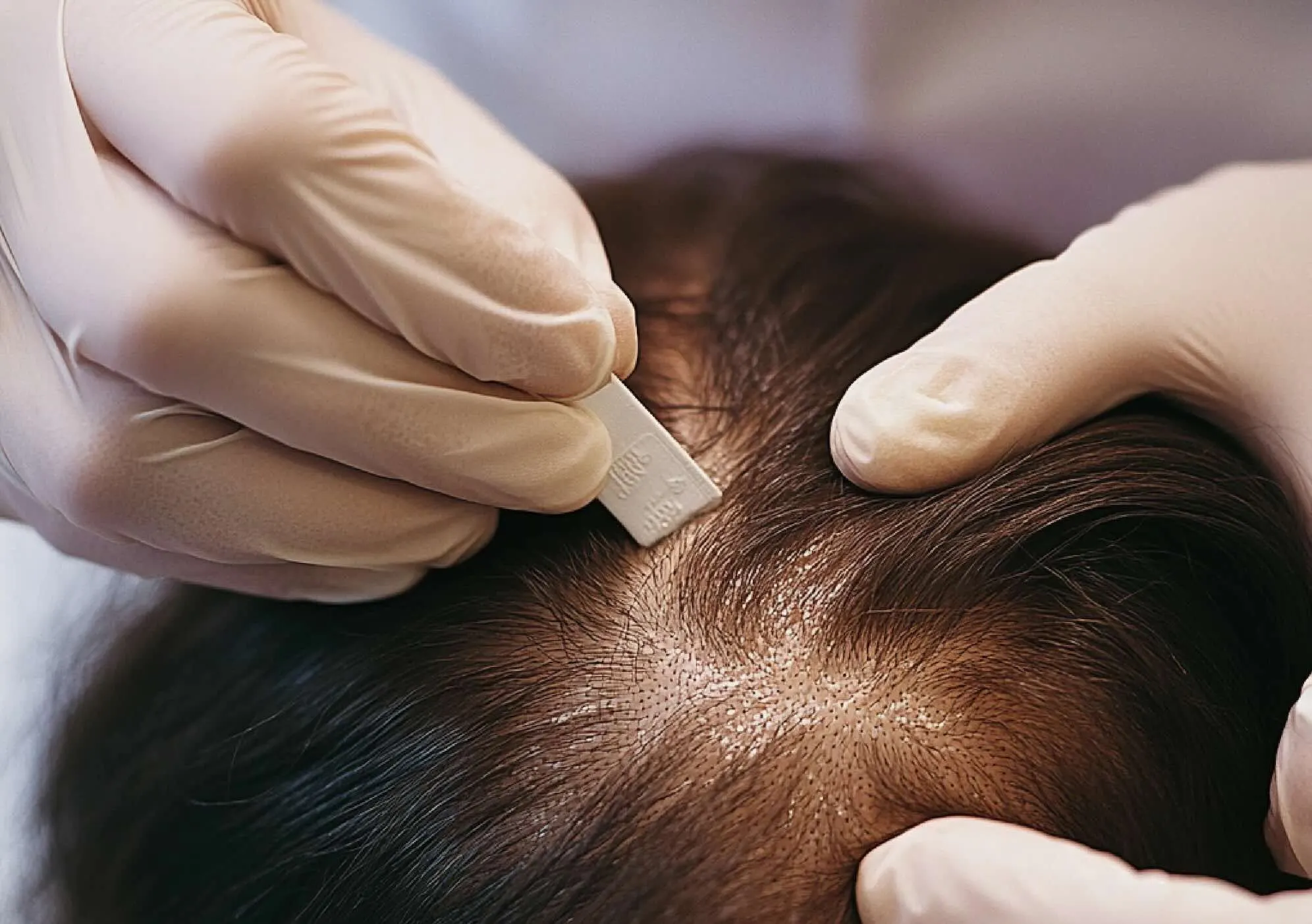
A dermatologist can perform a thorough evaluation including trichoscopy, blood work, and potentially a scalp biopsy to determine the exact cause and recommend the most effective treatment plan.
Take Action Early
The most important message for young adults dealing with hair loss is to take action early. Hair loss treatments work best when started before significant thinning has occurred. The follicles that are miniaturized but still producing some hair are the most responsive to treatment. Once a follicle has been dormant for an extended period, it becomes much harder to revive.
Do not wait for hair loss to progress before seeking help. A consultation with a hair loss specialist can provide clarity, peace of mind, and a treatment plan that protects your hair for years to come.