
Understanding the Causes of Hair Loss: Types, Treatments, and Solutions
A comprehensive guide to hair loss covering all major types, common causes, diagnosis methods, treatment options from medications to robotic transplants, and prevention strategies.
Introduction
Hair loss affects millions of people worldwide, yet it remains one of the most misunderstood health conditions. Whether you are noticing a few extra strands in the shower or significant thinning, understanding the root cause is the first step toward finding an effective solution.
At DSI Hair, we have helped countless patients navigate their hair loss journey. This comprehensive guide covers the major types of hair loss, their causes, how they are diagnosed, and the full spectrum of treatments available today.
Types of Hair Loss
Androgenetic Alopecia
Androgenetic alopecia is by far the most common form of hair loss, affecting an estimated 50 million men and 30 million women in the United States alone.
In men (male pattern baldness):
- Typically begins with a receding hairline at the temples
- Progresses to thinning at the crown (vertex)
- Eventually may leave only a horseshoe-shaped ring of hair around the sides and back
- Classified using the Hamilton-Norwood scale (stages I through VII)
- Can begin as early as the teens or twenties
In women (female pattern hair loss):
- Usually presents as diffuse thinning along the top of the scalp
- The part line gradually widens
- The frontal hairline is typically preserved
- Classified using the Ludwig scale (stages I through III)
- Most commonly appears after menopause, though it can begin earlier
The driving mechanism is the hormone dihydrotestosterone (DHT), which binds to androgen receptors in genetically susceptible follicles, causing them to miniaturize over time.
Telogen Effluvium
Telogen effluvium is the second most common form of hair loss and involves a disruption of the normal hair growth cycle:
- Normally, about 85-90% of hair is in the anagen (growth) phase and 10-15% is in telogen (resting) phase
- In telogen effluvium, a trigger causes a large number of follicles to shift into telogen simultaneously
- Two to three months later, these hairs fall out in a noticeable wave of shedding
- Common triggers include major surgery, serious illness, high fever, significant weight loss, childbirth, severe emotional stress, and medication changes
- The good news: telogen effluvium is almost always temporary, resolving within six to twelve months once the trigger is removed
Alopecia Areata
Alopecia areata is an autoimmune condition affecting approximately 6.8 million Americans:
- The immune system attacks hair follicles, causing them to shrink and slow production
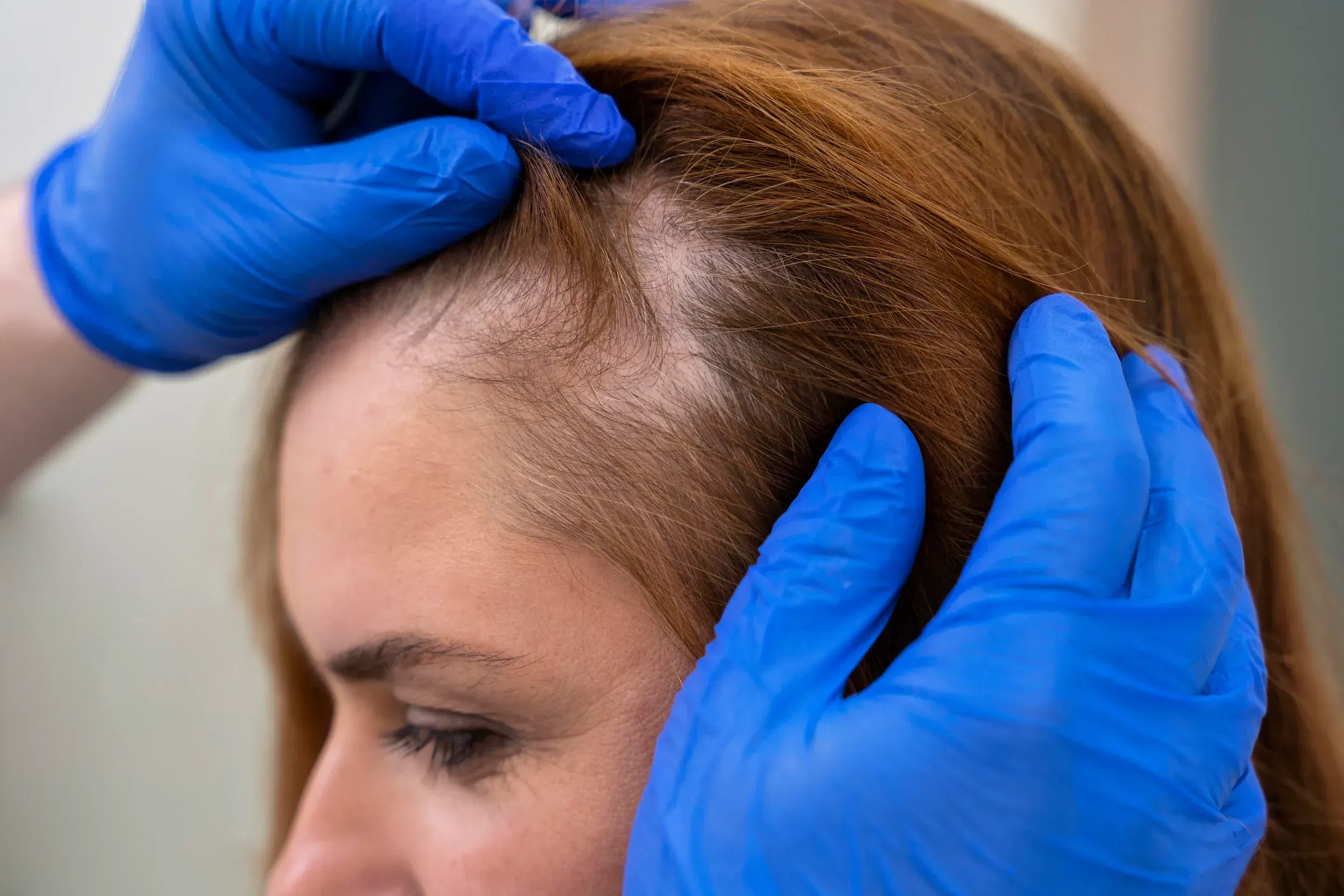
- Presents as smooth, round patches of hair loss, often on the scalp but potentially anywhere on the body
- Can progress to alopecia totalis (complete scalp loss) or universalis (complete body hair loss)
- Often first appears in childhood or young adulthood
- Unpredictable course with spontaneous remission in some cases and chronic recurrence in others
- Strong genetic component involving HLA and other immune-related genes
Traction Alopecia
Traction alopecia results from chronic tension on hair follicles from hairstyling practices:
- Caused by tight ponytails, braids, cornrows, weaves, extensions, and hair rollers
- Initially presents as thinning along the hairline or at the sites of greatest tension
- Early stages are reversible if the causative hairstyle is discontinued
- Prolonged traction can lead to permanent scarring and irreversible follicle loss
- Particularly common in African American women, Sikh men, and ballet dancers
Scarring (Cicatricial) Alopecia
Scarring alopecias permanently destroy hair follicles and replace them with scar tissue:
- Lichen planopilaris: Inflammation at the follicle opening leads to progressive scarring
- Frontal fibrosing alopecia: A subtype of lichen planopilaris affecting the frontal hairline, increasingly common in postmenopausal women
- Central centrifugal cicatricial alopecia (CCCA): Most common in women of African descent, begins at the crown and expands outward
- Discoid lupus erythematosus: Causes scarring patches of alopecia
- Early diagnosis and aggressive treatment are essential to preserve remaining follicles
Anagen Effluvium
Anagen effluvium is the rapid loss of hair during the active growth phase:
- Most commonly caused by chemotherapy drugs that target rapidly dividing cells
- Radiation therapy to the head also causes localized anagen effluvium
- Hair loss typically begins within two weeks of treatment
- Hair usually regrows after treatment ends, though texture and color may change
- Scalp cooling during chemotherapy can reduce hair loss in some cases
Common Causes of Hair Loss
Hormonal Changes
- DHT-driven miniaturization in androgenetic alopecia
- Thyroid dysfunction (both hypo and hyper)
- Postpartum hormone shifts
- Menopausal estrogen decline
- PCOS-related androgen excess
- Hormonal birth control changes
Nutritional Deficiencies
- Iron: The most common nutritional deficiency worldwide and a significant cause of hair shedding, particularly in women
- Vitamin D: Low levels are strongly associated with alopecia areata and telogen effluvium
- Zinc: Essential for hair follicle function and DNA synthesis
- Protein: Severe protein restriction triggers telogen effluvium
- Biotin: Deficiency (rare) causes brittle hair and shedding
- Essential fatty acids: Omega-3 deficiency affects follicle nourishment
Medical Conditions
- Autoimmune diseases (lupus, thyroid disease, alopecia areata)
- Scalp infections (fungal, bacterial)
- Diabetes and insulin resistance
- Chronic kidney or liver disease
- Polycystic ovary syndrome
- Eating disorders
Medications
- Chemotherapy agents
- Blood thinners
- Beta-blockers
- Retinoids
- Antidepressants
- Immunosuppressants
- Excess vitamin A
Family History
Genetics are the primary driver of androgenetic alopecia. Having affected first-degree relatives significantly increases your risk. The genetic component involves multiple genes on various chromosomes, with the androgen receptor gene on the X chromosome being particularly influential.
Diagnosis
Accurate diagnosis is essential for effective treatment. At DSI Hair, our diagnostic process includes:
- Clinical history: Detailed discussion of hair loss pattern, onset, progression, family history, medications, diet, and lifestyle
- Physical examination: Assessment of hair loss distribution, scalp condition, and pull test (gently pulling on hair to assess shedding)
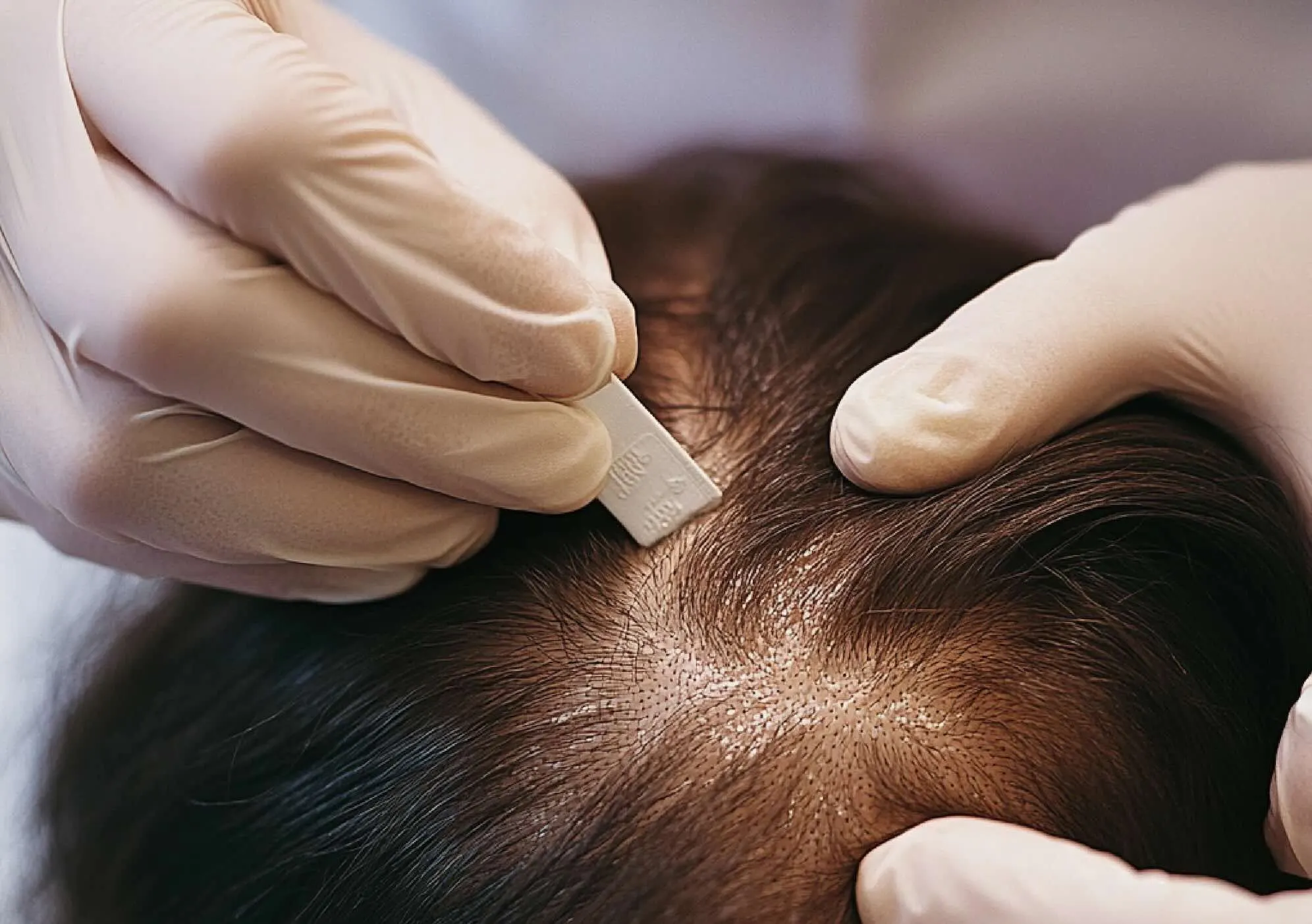
- Dermoscopy/trichoscopy: Magnified examination of the scalp and hair shafts to identify miniaturization, broken hairs, exclamation point hairs (alopecia areata), and scarring
- Blood work: Testing for iron, ferritin, thyroid function, vitamin D, zinc, hormones (DHT, testosterone, DHEA-S), and autoimmune markers
- Scalp biopsy: In uncertain cases, a small tissue sample can definitively diagnose the type of alopecia
Treatment Options
Minoxidil
- FDA-approved in topical form (2% and 5%) for both men and women
- Also available as low-dose oral minoxidil by prescription
- Extends the anagen phase and increases follicle size
- Results typically visible within three to six months
- Must be used continuously to maintain results
- Available over the counter as a first-line treatment
Finasteride
- FDA-approved oral medication for male pattern baldness (1mg daily)
- Blocks 5-alpha reductase, reducing DHT by approximately 70%
- Stops progression in about 90% of men and produces regrowth in about 65%
- Takes three to twelve months for visible results
- Not approved for premenopausal women due to teratogenic risks
Spironolactone
- Anti-androgen medication used off-label for female pattern hair loss
- Blocks androgen receptors and reduces androgen production
- Typically prescribed at 100-200mg daily
- Can take six to twelve months for noticeable improvement
- Requires monitoring of potassium levels and blood pressure
PRP Therapy
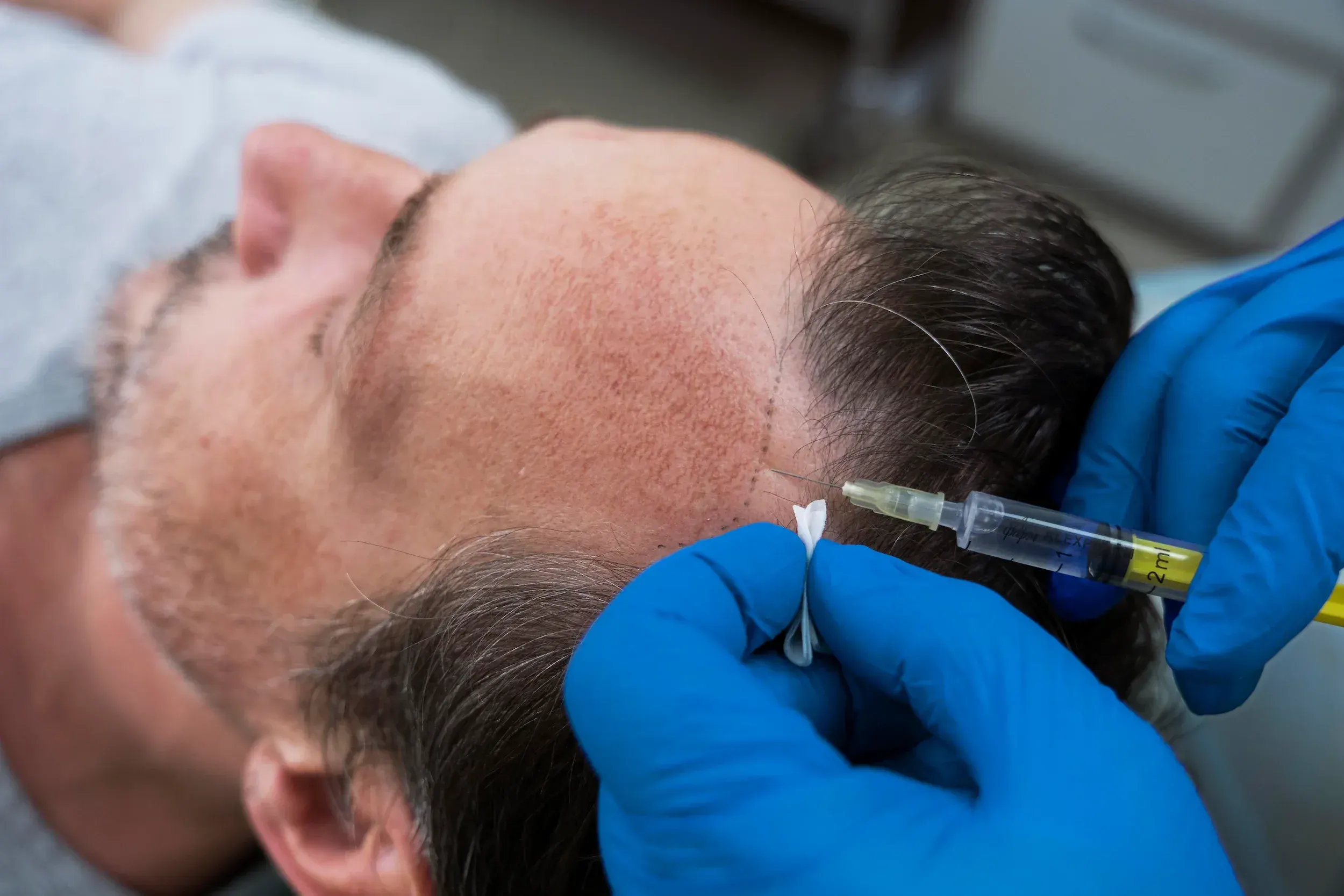
- Platelet-rich plasma injections deliver concentrated growth factors to the scalp
- Stimulates dormant follicles and promotes thicker hair growth
- Typically requires three to four initial sessions, then maintenance every six to twelve months
- Effective for both androgenetic alopecia and alopecia areata
- Safe with minimal side effects since it uses your own blood
Low-Level Laser Therapy (LLLT)
- Uses specific wavelengths of red light (630-670nm) to stimulate follicle cells
- FDA-cleared devices available as caps, helmets, and combs
- Works through photobiomodulation, increasing cellular energy (ATP) production
- Can be used at home as a complement to other treatments
- The Revian Red cap available at DSI Hair is among the most effective devices
ARTAS Robotic Hair Transplant
For permanent restoration of hair in areas of significant loss, the ARTAS system at DSI Hair offers:
- AI-guided precision in selecting and harvesting optimal follicular units
- Minimally invasive procedure with no linear scar
- Natural-looking results with faster recovery
- Transplanted follicles are DHT-resistant and grow permanently
- Can transplant thousands of grafts in a single session
- Ideal for patients with stable hair loss patterns
Prevention
While you cannot change your genetics, you can take steps to minimize hair loss:
- Maintain a nutrient-rich diet with adequate protein, iron, zinc, and vitamins
- Manage stress through exercise, meditation, and adequate sleep
- Avoid harsh chemical treatments and excessive heat styling
- Use gentle hair care practices and avoid tight hairstyles
- Address medical conditions promptly (thyroid, iron deficiency, hormonal imbalances)
- Consider preventive treatment (minoxidil, finasteride) if you have a strong family history
- Protect your scalp from UV damage
- Quit smoking and limit alcohol consumption
Common Myths About Hair Loss
- Myth: Wearing hats causes baldness. Fact: Hats do not cause hair loss unless they are extremely tight and cause traction
- Myth: Only men experience significant hair loss. Fact: Hair loss affects approximately 40% of women by age 70
- Myth: Hair loss comes only from your mother's side. Fact: Genes from both parents contribute to hair loss risk
- Myth: Frequent shampooing causes hair loss. Fact: Normal washing does not cause hair loss; the hairs you see in the drain were already in the shedding phase
- Myth: Hair loss means you are unhealthy. Fact: Androgenetic alopecia is not a disease; it is a genetic trait. However, sudden hair loss can signal underlying health issues
- Myth: Nothing can be done about genetic hair loss. Fact: Modern treatments can slow, stop, and reverse many forms of hair loss
The Emotional Impact of Hair Loss
Hair loss affects more than your appearance. Research has shown that it can significantly impact:
- Self-esteem and body image
- Social confidence and willingness to engage in activities
- Professional confidence
- Romantic relationships and dating
- Anxiety and depression
- Quality of life scores comparable to those seen in chronic skin diseases
Acknowledging the emotional impact of hair loss is an important part of the treatment process. At DSI Hair, we approach every patient with empathy and understanding, recognizing that effective treatment improves not just your hair but your overall well-being.
When to See a Dermatologist
Seek professional evaluation if you experience:
- Sudden or rapid hair loss
- Patchy hair loss
- Hair loss accompanied by scalp pain, itching, or redness
- Hair loss with other symptoms (fatigue, weight changes, joint pain)
- Gradual thinning that concerns you
- Hair loss after starting a new medication
- Family history of hair loss and desire for a prevention plan
Frequently Asked Questions
Can stress cause permanent hair loss? Stress-related hair loss (telogen effluvium) is typically temporary. However, chronic severe stress can exacerbate androgenetic alopecia, which is progressive.
Is hair loss reversible? It depends on the type. Telogen effluvium, alopecia areata, and early-stage androgenetic alopecia can be treated effectively. Scarring alopecias cause permanent follicle destruction.
How quickly do treatments work? Most treatments require three to six months for visible results and twelve months for full effect. Patience and consistency are key.
Can I combine multiple treatments? Yes, and combination therapy is often more effective than any single treatment. Your DSI Hair dermatologist will create a personalized protocol.
Conclusion
Hair loss is a complex condition with many potential causes, but it is also more treatable today than ever before. From FDA-approved medications to cutting-edge robotic transplants, the options for restoring and maintaining your hair continue to expand.
The most important step is getting an accurate diagnosis. At DSI Hair, our experienced team uses advanced diagnostic tools to identify the precise cause of your hair loss and create a customized treatment plan that addresses your unique situation.
Do not let hair loss define your life. Contact DSI Hair today to schedule your consultation and start your journey toward fuller, healthier hair.