Finasteride Dosage for Hair Loss: What You Need to Know
Finasteride is one of the most effective treatments for male pattern hair loss, but dosage matters. Learn about FDA-approved doses, off-label options, and what to expect from treatment.
What Is Finasteride?
Finasteride is a prescription medication classified as a 5-alpha reductase inhibitor. It works by blocking the enzyme 5-alpha reductase, which is responsible for converting testosterone into dihydrotestosterone (DHT). DHT is the primary androgen that drives male pattern hair loss (androgenetic alopecia) by causing susceptible hair follicles to miniaturize over time.
By reducing circulating DHT levels by approximately 60% to 70%, finasteride effectively slows, stops, or reverses the miniaturization process in many patients. It has been FDA-approved for the treatment of male pattern hair loss since 1997 and remains one of the two most commonly prescribed medications for this condition (alongside minoxidil).
FDA-Approved Dosage
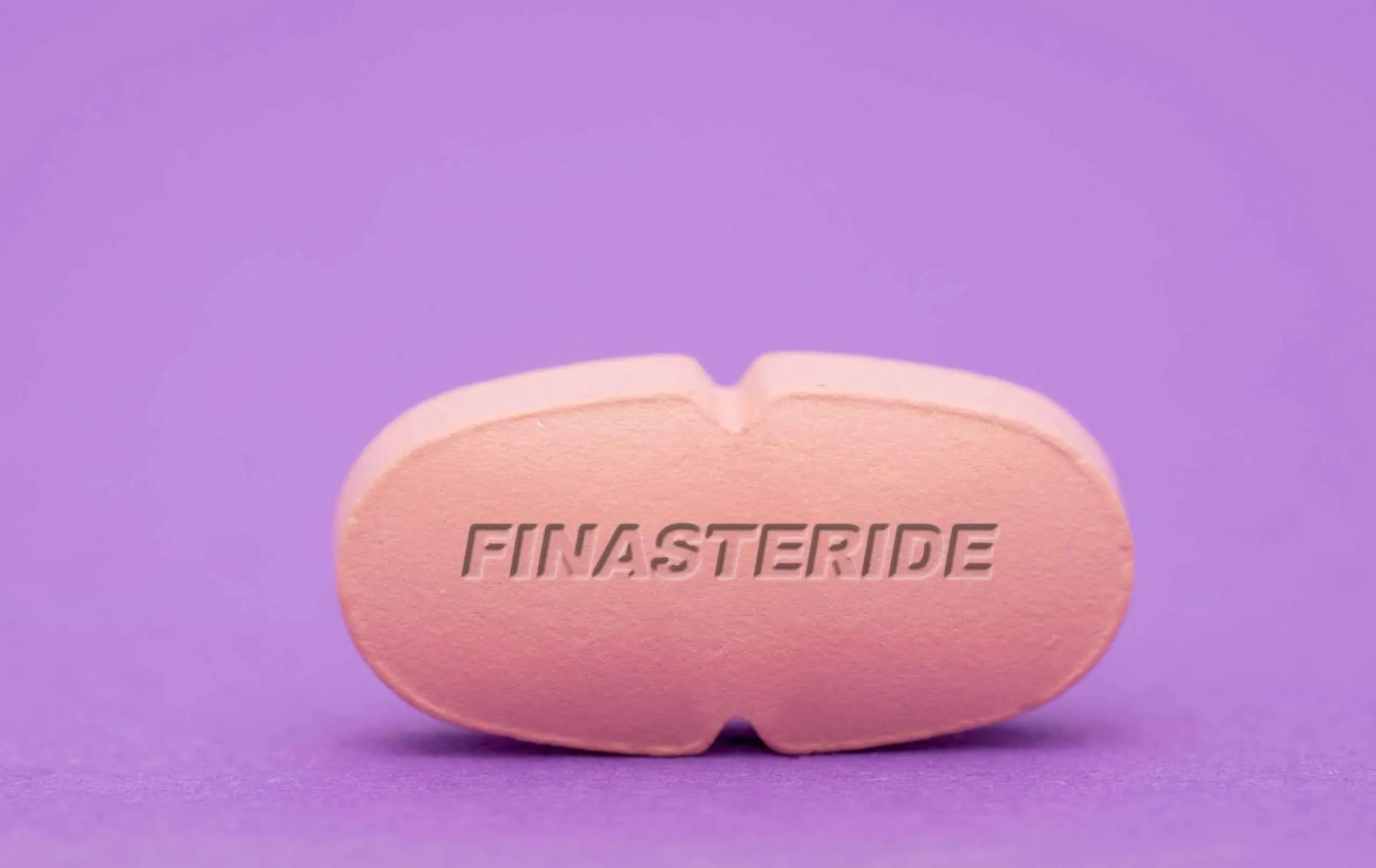
The FDA-approved dose of finasteride for treating male pattern hair loss is 1mg per day, marketed under the brand name Propecia. This dosage was established through extensive clinical trials that demonstrated:
- Hair count improvement of approximately 86 hairs (in a one-inch diameter area) compared to placebo over two years
- Hair loss stabilization in approximately 86% of men
- Visible regrowth in approximately 65% of men
- Continued improvement over five years of treatment in follow-up studies
The 1mg dose was specifically chosen because it provides the optimal balance between efficacy and side effects. Higher doses do not provide significantly better hair outcomes but do increase the likelihood of side effects.
How to Take It
- Take one 1mg tablet by mouth once daily
- It can be taken with or without food
- Take it at approximately the same time each day for consistency
- Swallow the tablet whole; do not crush or break it (this is especially important because women and children should not handle broken tablets due to potential absorption through the skin)
Lower Doses and Off-Label Use
Some dermatologists prescribe finasteride at doses lower than 1mg, particularly for patients who are concerned about side effects or who have experienced mild side effects at the standard dose.
0.5mg Daily
A 0.5mg daily dose has been studied and shows:
- DHT reduction of approximately 50-60% (compared to 60-70% at 1mg)
- Meaningful hair count improvements, though slightly less than 1mg
- A potentially lower incidence of side effects, though this has not been definitively proven in head-to-head trials
Many dermatologists consider 0.5mg a reasonable starting dose for patients who are nervous about side effects, with the option to increase to 1mg if tolerated.
0.2mg Daily
Studies have shown that even 0.2mg of finasteride provides meaningful DHT reduction (approximately 40-50%) and hair benefits. While the efficacy is lower than 1mg, it may be sufficient for patients with early-stage hair loss or those who cannot tolerate higher doses.
Topical Finasteride
Topical finasteride formulations have gained significant popularity as an off-label alternative to oral dosing. Applied directly to the scalp, topical finasteride offers:
- Localized DHT reduction at the scalp
- Significantly lower systemic DHT suppression (20-40% vs 60-70% for oral)
- Potentially fewer systemic side effects
- Available from compounding pharmacies in various concentrations (typically 0.1% to 0.25%)
Topical finasteride is increasingly prescribed as a first-line treatment, particularly for patients concerned about the side effect profile of oral finasteride.
Every-Other-Day Dosing
Some practitioners prescribe finasteride three times per week or every other day. Because finasteride has a long tissue half-life (its DHT-blocking effects persist in scalp tissue longer than its blood levels suggest), less-than-daily dosing may provide meaningful benefits. However, daily dosing remains the standard recommendation for optimal results.
What About the 5mg Dose?
Finasteride is also available as a 5mg tablet under the brand name Proscar, which is FDA-approved for treating benign prostatic hyperplasia (BPH), not hair loss.
Why Not Take 5mg for Better Results?
Clinical studies have shown that the DHT reduction curve for finasteride is not linear:
- 0.2mg reduces DHT by approximately 40-50%
- 1mg reduces DHT by approximately 60-70%
- 5mg reduces DHT by approximately 70-75%
The difference between 1mg and 5mg in terms of DHT reduction is relatively small (an additional 5-10%), while the increased dose raises the likelihood and potential severity of side effects. For hair loss specifically, 5mg does not provide meaningfully better results than 1mg.
Some patients split 5mg Proscar tablets into quarters (approximately 1.25mg each) as a cost-saving measure, since generic Proscar is often less expensive than generic Propecia per milligram. This is a common and generally accepted practice, though it does not provide exact dosing.
What If You Miss a Dose?
Missing an occasional dose of finasteride is not a cause for concern:
- If you forget a dose, take it as soon as you remember
- If it is close to the time of your next dose, skip the missed dose and continue with your regular schedule
- Do not take a double dose to make up for a missed one
- Missing one or two doses will not significantly affect your DHT levels, as the medication has cumulative effects
- Consistency over weeks and months is what matters, not individual days
Results and Timeline
Understanding the expected timeline helps manage expectations and prevents premature discontinuation.
Months 1-3
- Some patients experience initial shedding as weakened hairs are pushed out by new growth
- DHT levels drop significantly within the first week
- Follicular changes are occurring at a microscopic level but are not yet visible
- No visible improvement should be expected this early
Months 3-6
- Shedding typically subsides
- Early signs of improvement may begin to appear
- Hair may feel slightly thicker or fuller
- Subtle changes may be visible in comparison photos
Months 6-12
- More noticeable improvement in hair density and thickness
- Hairline recession may slow or stop
- Miniaturized hairs begin to transition back to terminal hairs
- This is when most patients begin to feel satisfied with their progress
Months 12-24
- Maximum results are typically achieved between 12 and 24 months
- Hair count improvements continue to accrue
- The full benefit of treatment becomes apparent
Long-Term
- Results are maintained as long as treatment continues
- Some patients see continued improvement beyond two years
- Discontinuation leads to gradual return of hair loss over 6-12 months
Side Effects
Transparency about side effects is essential for informed decision-making.
Sexual Side Effects
Clinical trials reported the following at the 1mg dose:
- Decreased libido - 1.8% (vs 1.3% placebo)
- Erectile dysfunction - 1.3% (vs 0.7% placebo)
- Decreased ejaculate volume - 1.2% (vs 0.9% placebo)
These side effects resolved in most patients who continued treatment and in all patients who discontinued. The difference between finasteride and placebo groups was small, suggesting that some reported effects may be influenced by awareness of potential side effects (nocebo effect).
Post-Finasteride Syndrome
A small number of patients report persistent sexual, neurological, or psychological side effects after discontinuing finasteride. This condition, known as post-finasteride syndrome (PFS), is controversial:
- It is recognized by some medical organizations but debated by others
- The prevalence is extremely low and difficult to quantify
- Research into potential mechanisms is ongoing
- If you experience concerning side effects, discontinue the medication and consult your doctor
Other Potential Side Effects
- Breast tenderness or enlargement (rare)
- Skin rash (rare)
- Mood changes (debated, possibly related to neurosteroid effects)
- Testicular discomfort (rare)
Other Treatment Options
Finasteride is most effective when part of a comprehensive hair loss treatment plan. Other evidence-based options include:
ARTAS Robotic Hair Transplant
For patients with more advanced hair loss, the ARTAS robotic system provides FDA-cleared precision hair transplantation using AI and 3D imaging. It offers consistent, natural results with minimal downtime.
Low-Level Laser Therapy (LLLT)
FDA-cleared laser devices stimulate cellular activity in hair follicles. Available as caps, helmets, and combs for home use. Best used as a complementary treatment.
PRP Therapy
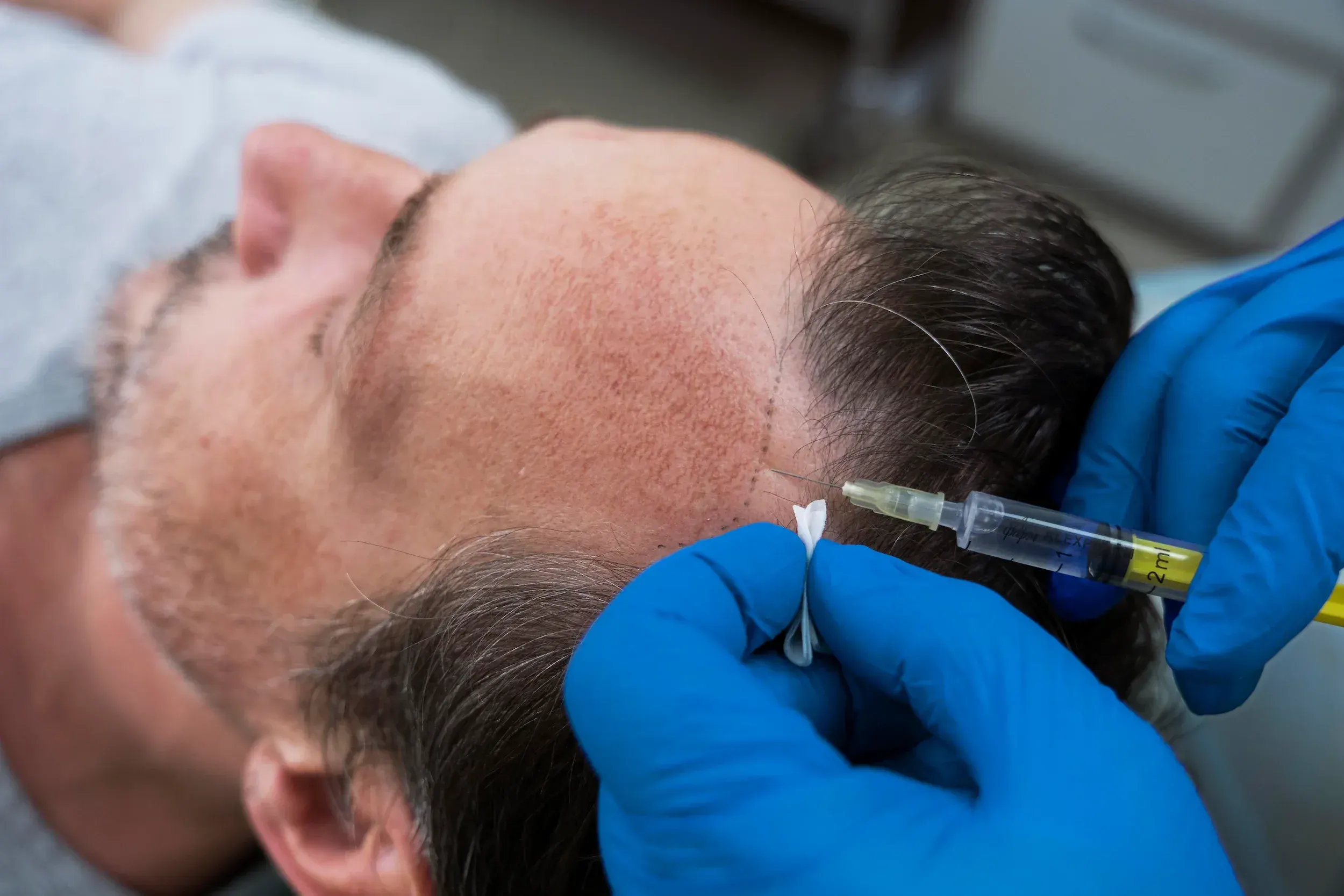
Platelet-rich plasma injections deliver concentrated growth factors to the scalp. Studies show improvements in hair count and thickness. Typically combined with other treatments.
Other Medications
- Minoxidil - Topical or oral vasodilator that promotes hair growth through a different mechanism than finasteride
- Dutasteride - A more potent 5-alpha reductase inhibitor sometimes prescribed off-label
- Spironolactone - An anti-androgen option for women
- Oral minoxidil - Low-dose oral formulation gaining popularity for its convenience
Is Finasteride Right for You?
Finasteride may be a good choice if:
- You are a man with androgenetic alopecia
- You want to slow or stop hair loss progression
- You prefer a once-daily oral medication
- You understand the potential side effects and accept the risk
- You are committed to long-term use
Finasteride may not be appropriate if:
- You are a woman who is or may become pregnant (finasteride can cause birth defects)
- You have liver disease (finasteride is metabolized by the liver)
- You are not comfortable with the potential for sexual side effects
- Your hair loss is not androgenetic in nature
Frequently Asked Questions
Can women take finasteride?
Finasteride is not FDA-approved for women and is contraindicated in women who are or may become pregnant due to the risk of birth defects in male fetuses. However, some dermatologists prescribe it off-label for postmenopausal women with androgenetic alopecia. Topical finasteride may be a safer option for women under close medical supervision.
Does finasteride work for the hairline?
Finasteride is most effective at the crown and mid-scalp but can slow hairline recession. Combining finasteride with minoxidil often provides the best results for the frontal hairline.
Can I take finasteride with minoxidil?
Yes. Combining finasteride and minoxidil is one of the most effective medical approaches to hair loss. They work through different mechanisms and their effects are complementary.
How long do I need to take finasteride?
Finasteride must be taken continuously to maintain results. If you stop, DHT levels return to baseline and hair loss resumes. Most patients plan on indefinite use.
Will finasteride work for everyone?
No. Approximately 14% of men in clinical trials did not respond to finasteride. Those with more advanced hair loss or longer duration of loss tend to have lower response rates. Early intervention produces the best outcomes.
Finasteride remains one of the most thoroughly studied and effective medications for male pattern hair loss. Understanding the dosing options, expected timeline, and potential side effects empowers you to make an informed decision about whether it is the right treatment for your situation. Working with a knowledgeable healthcare provider ensures that your treatment plan is tailored to your individual needs and goals.