Does Testosterone Cause Hair Loss?
The relationship between testosterone and hair loss is widely misunderstood. It is not testosterone itself but its conversion to DHT and your follicle sensitivity that determine hair loss risk.
Testosterone's Role in the Hair Growth Cycle
Testosterone is the primary male sex hormone, though it is present in both men and women. It plays crucial roles in muscle development, bone density, libido, mood regulation, and yes, hair growth. However, testosterone's relationship with hair is paradoxical: it promotes hair growth on the body and face while potentially contributing to hair loss on the scalp.
To understand this paradox, you need to understand how testosterone interacts with hair follicles in different parts of the body. Hair follicles on the face, chest, and body have androgen receptors that respond positively to testosterone and its derivatives, promoting thicker and more abundant growth. Scalp follicles, particularly those on the top and front of the head, can have a very different response.
Testosterone vs. DHT
The critical distinction that many people miss is that testosterone itself is not the primary driver of scalp hair loss. The real culprit is dihydrotestosterone (DHT), a more potent androgen derived from testosterone.
The Conversion Process
Testosterone is converted into DHT by an enzyme called 5-alpha reductase. This enzyme exists in two forms (Type I and Type II) and is found in various tissues throughout the body, including the scalp, prostate, and skin.
When 5-alpha reductase converts testosterone to DHT in the scalp, DHT binds to androgen receptors in susceptible hair follicles. This binding triggers a process called follicular miniaturization.
How DHT Causes Miniaturization
Follicular miniaturization is a gradual process that unfolds over years:
- DHT binds to the androgen receptor on the hair follicle's dermal papilla
- The growth phase (anagen) shortens progressively with each hair cycle
- The follicle physically shrinks, producing thinner, shorter, and lighter hairs
- Terminal hairs become vellus hairs that are barely visible to the naked eye
- Eventually, the follicle may stop producing visible hair entirely
This process does not happen overnight. It can take years or even decades for a follicle to progress from producing a healthy terminal hair to becoming completely dormant. This is why pattern hair loss is gradual and progressive.
Do High Testosterone Levels Guarantee Hair Loss?
This is one of the most common misconceptions about testosterone and hair loss. The answer is definitively no. High testosterone levels do not guarantee hair loss, and men with low testosterone can still experience significant balding.
The determining factor is not how much testosterone or DHT you have circulating in your blood. What matters is how sensitive your hair follicles are to DHT. This sensitivity is determined almost entirely by genetics.
Follicle Sensitivity Is Key
Hair follicle sensitivity to DHT is determined by:
- Androgen receptor density - Follicles with more androgen receptors are more susceptible to DHT's effects
- Androgen receptor sensitivity - The binding affinity of receptors to DHT varies among individuals
- Local 5-alpha reductase activity - The amount of enzyme present in the scalp determines how much DHT is produced locally
- Genetic programming - Multiple genes inherited from both parents influence all of the above factors
This is why two men with identical testosterone levels can have completely different hair outcomes. One might have a full head of hair at 60, while the other starts thinning at 25. The difference lies in follicle genetics, not hormone levels.
The Geographic Pattern
Another proof that follicle sensitivity matters more than systemic hormone levels is the geographic pattern of androgenetic alopecia. DHT circulates throughout the entire scalp, yet hair loss occurs in specific patterns (the Norwood scale for men, the Ludwig scale for women). Follicles at the back and sides of the head are genetically resistant to DHT, which is why they maintain growth even as the top and front thin. This DHT resistance is also why donor follicles from the back of the head remain permanent after hair transplant surgery.
Testosterone Replacement Therapy and Hairline
Testosterone replacement therapy (TRT) is increasingly common among men with diagnosed low testosterone. A major concern for many TRT patients is whether supplemental testosterone will accelerate hair loss.
How TRT Affects Hair
TRT increases circulating testosterone levels, which means more testosterone is available for conversion to DHT by 5-alpha reductase. For men who are genetically predisposed to androgenetic alopecia, this can potentially:
- Accelerate the progression of existing hair loss
- Trigger hair loss that might not have manifested for years
- Unmask a genetic predisposition that was dormant at lower testosterone levels
However, for men who are not genetically susceptible (whose follicles are not sensitive to DHT), TRT typically does not cause hair loss. Many men on TRT maintain full heads of hair because their follicle genetics protect them regardless of DHT levels.
Clinical Observations
Clinical experience with TRT patients reveals a spectrum of responses:
- Some men notice no change in their hair whatsoever
- Some experience mild thinning that stabilizes
- Others experience accelerated hair loss, particularly if they were already showing early signs
- A small number experience significant and rapid progression
The most important predictor of how TRT will affect your hair is your family history and any existing signs of miniaturization.
Other Influences Beyond Testosterone
While DHT and follicle genetics are the primary drivers of pattern hair loss, other factors can influence hair health independently of testosterone:
- Stress - Chronic stress elevates cortisol, which can trigger telogen effluvium
- Nutrition - Deficiencies in iron, zinc, biotin, and protein impair hair growth
- Thyroid function - Both hypo- and hyperthyroidism cause hair changes
- Autoimmune conditions - Alopecia areata is immune-mediated, not hormone-driven
- Medications - Various drugs can contribute to hair thinning
- Scalp health - Inflammation, infections, and conditions like seborrheic dermatitis affect follicle function
- Age - Natural aging processes affect follicle cycling and hair quality
- Insulin resistance - Metabolic health influences hormonal balance and hair growth
Treatment Options
If testosterone-related DHT is contributing to your hair loss, several effective treatments are available.
DHT Blockers
Finasteride - An oral medication that blocks 5-alpha reductase, reducing DHT by 60-70%. Available as 1mg (Propecia) for hair loss. It is one of the most effective treatments for androgenetic alopecia, stopping progression in approximately 86% of men and promoting regrowth in about 65%.
Dutasteride - A more potent 5-alpha reductase inhibitor that blocks both Type I and Type II enzymes, reducing DHT by approximately 90%. Sometimes prescribed off-label for hair loss when finasteride alone is insufficient.
Topical DHT blockers - Topical finasteride and other topical anti-androgens offer localized DHT reduction with lower systemic absorption.
Minoxidil
Minoxidil works independently of the DHT pathway, making it a valuable treatment whether or not testosterone is a factor. It increases blood flow to follicles, extends the growth phase, and can stimulate regrowth. Available over the counter in 2% and 5% topical formulations and as oral minoxidil by prescription.
Supplements and Natural Approaches
- Saw palmetto - A natural 5-alpha reductase inhibitor with modest evidence
- Pumpkin seed oil - Some studies suggest mild DHT-blocking effects
- Green tea extract - Contains EGCG, which may inhibit DHT
- Zinc - Involved in hormone regulation and follicle health
- Biotin - Supports keratin production
Natural approaches are generally less effective than pharmaceutical treatments but may provide supplementary benefits.
Advanced Interventions
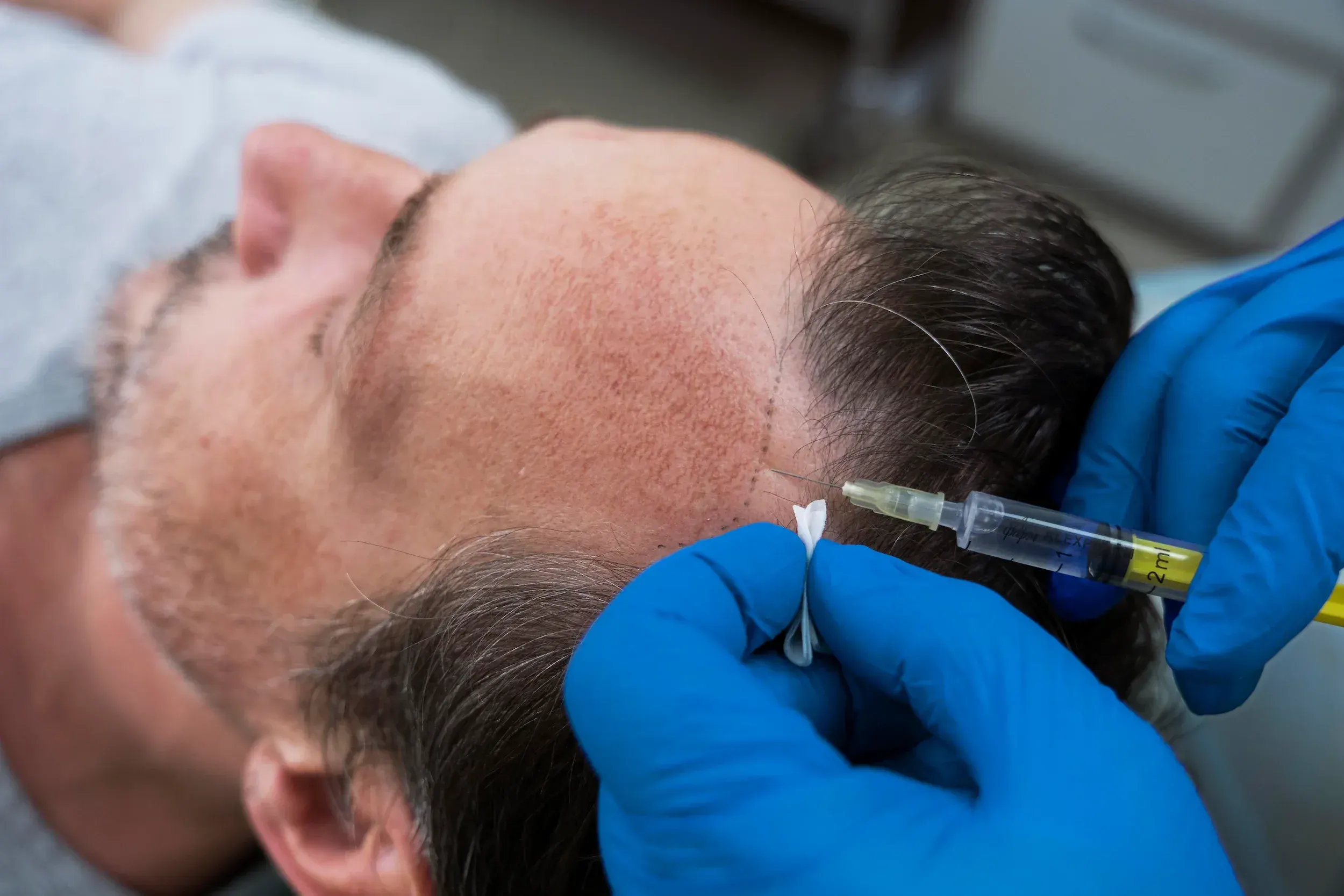
- PRP therapy - Platelet-rich plasma injections stimulate dormant follicles
- Low-level laser therapy - Light stimulation to promote follicular activity
- Hair transplant surgery - Permanent relocation of DHT-resistant follicles (FUE or FUT)
- Scalp micropigmentation - Cosmetic tattooing that creates the appearance of density
Managing Hair During TRT
If you are on TRT or considering it, here are strategies to protect your hair:
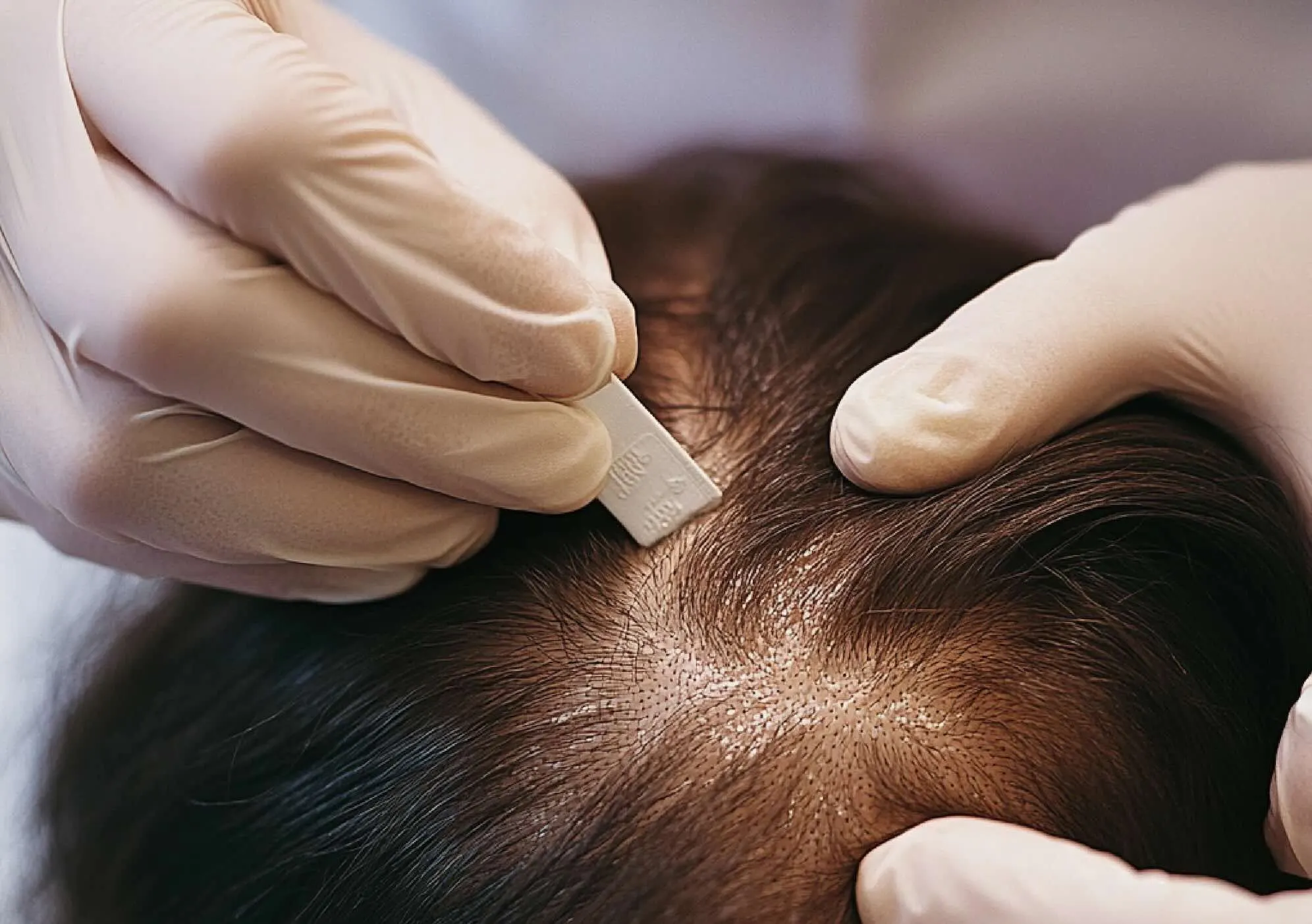
- Get a baseline - Photograph your hair and have a scalp evaluation before starting TRT
- Monitor closely - Watch for changes in the first six to twelve months, when effects are most likely to appear
- Consider preventive treatment - If you have a family history of hair loss, starting finasteride or minoxidil concurrently with TRT can be protective
- Optimize TRT dosing - Work with your doctor to find the minimum effective dose
- Consider topical finasteride - Protects against scalp DHT with minimal impact on serum DHT
- Regular blood work - Monitor DHT, testosterone, and estrogen levels to ensure balance
When to Consult a Professional
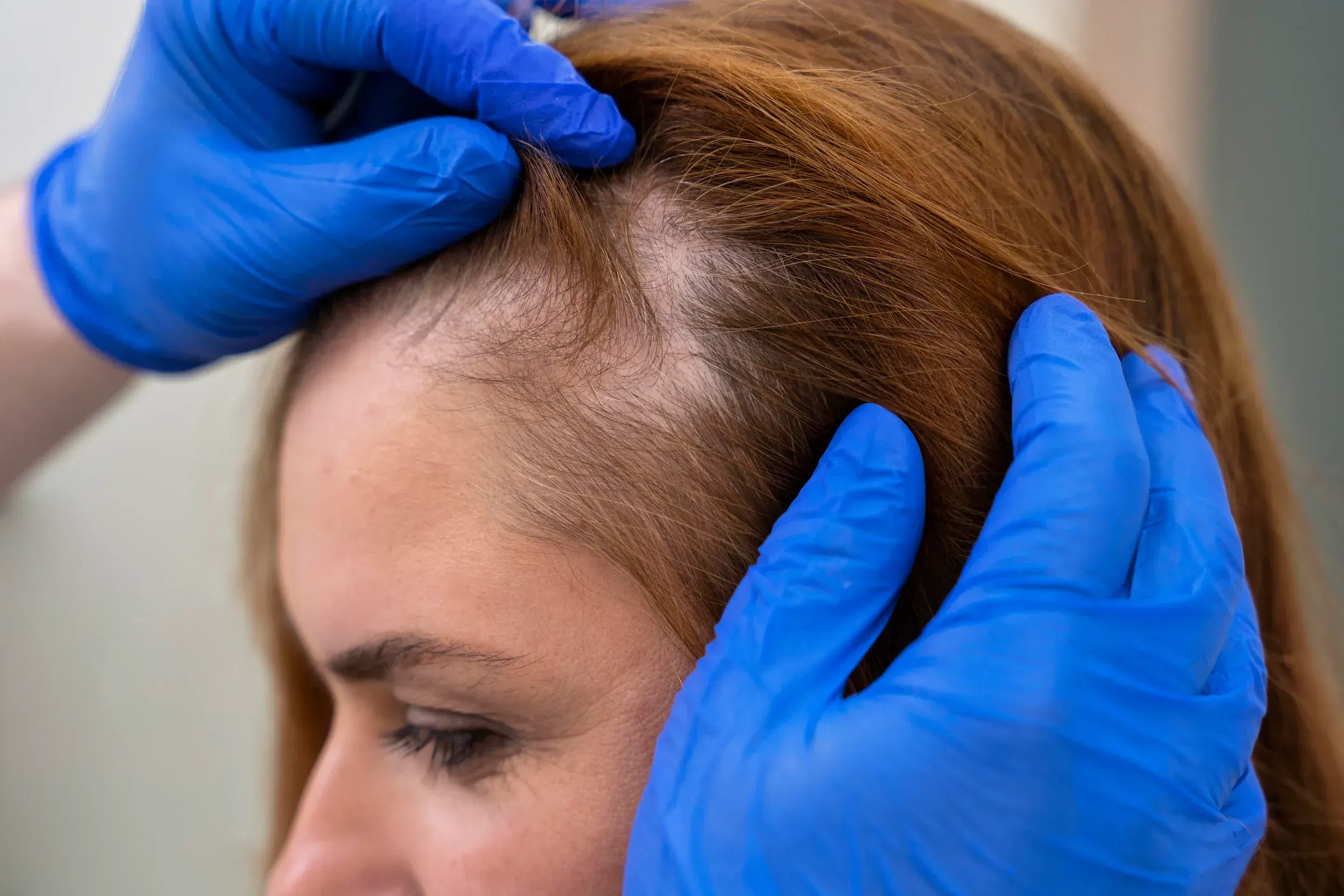
Seek evaluation from a hair loss specialist if:
- You notice thinning or a receding hairline, especially after starting TRT
- You have a strong family history of hair loss and are concerned about prevention
- You want a personalized treatment plan that balances TRT benefits with hair preservation
- Over-the-counter treatments have not been effective
- You are interested in surgical options for hair restoration
The relationship between testosterone and hair loss is more nuanced than most people realize. Having testosterone does not condemn you to baldness, and having low testosterone does not protect you. The critical factor is the genetic sensitivity of your hair follicles to DHT. Understanding this distinction empowers you to make informed decisions about your health, your hormone management, and your hair.