Can Your Hair Stop Growing? Let's Talk About It
Does it feel like your hair has hit a growth ceiling? Before you worry, understand the hair growth cycle, common reasons hair seems to stall, and what you can do to encourage growth.
Understanding the Hair Growth Cycle
To answer whether your hair can truly stop growing, you first need to understand how hair growth actually works. Every single hair on your head goes through a continuous cycle of growth, transition, and rest.
Anagen Phase (Active Growth)
The anagen phase is when your hair is actively growing from the follicle. This phase lasts anywhere from two to seven years, and the duration is primarily determined by your genetics. The length of your anagen phase dictates the maximum length your hair can reach.
During anagen, cells in the hair bulb divide rapidly, pushing the hair shaft upward and out of the follicle. Hair grows at an average rate of about half an inch per month, or roughly six inches per year. At any given time, approximately 85% to 90% of the hairs on your head are in the anagen phase.
People with longer anagen phases can grow their hair to greater lengths. This is why some individuals can grow waist-length hair easily while others find their hair seems to plateau at shoulder length. It is not that the hair stops growing; rather, it reaches the end of its genetically programmed growth phase and enters the next stage.
Catagen Phase (Transition)
The catagen phase is a brief transitional period lasting about two to three weeks. During this time, the hair follicle shrinks to about one-sixth of its original length. The lower portion of the follicle is destroyed, and the dermal papilla (the structure that nourishes the hair) breaks away. Growth ceases entirely during this phase.
About 1% to 2% of your hair is in the catagen phase at any given time.
Telogen Phase (Rest)
The telogen phase lasts approximately three months. During this resting period, the hair is no longer growing but remains anchored in the follicle. Meanwhile, a new hair begins to form in the follicle beneath the resting hair.
At the end of the telogen phase, the old hair is shed as the new hair pushes it out. This natural shedding accounts for the 50 to 100 hairs most people lose daily. About 10% to 15% of your hair is in the telogen phase at any time.
So Does Hair Actually Stop Growing?
Technically, yes, each individual hair does stop growing when it reaches the end of its anagen phase. However, the follicle itself does not stop functioning. After shedding the old hair, it re-enters the anagen phase and begins producing a new hair. This cycle continues throughout your life, although the anagen phase may gradually shorten with age.
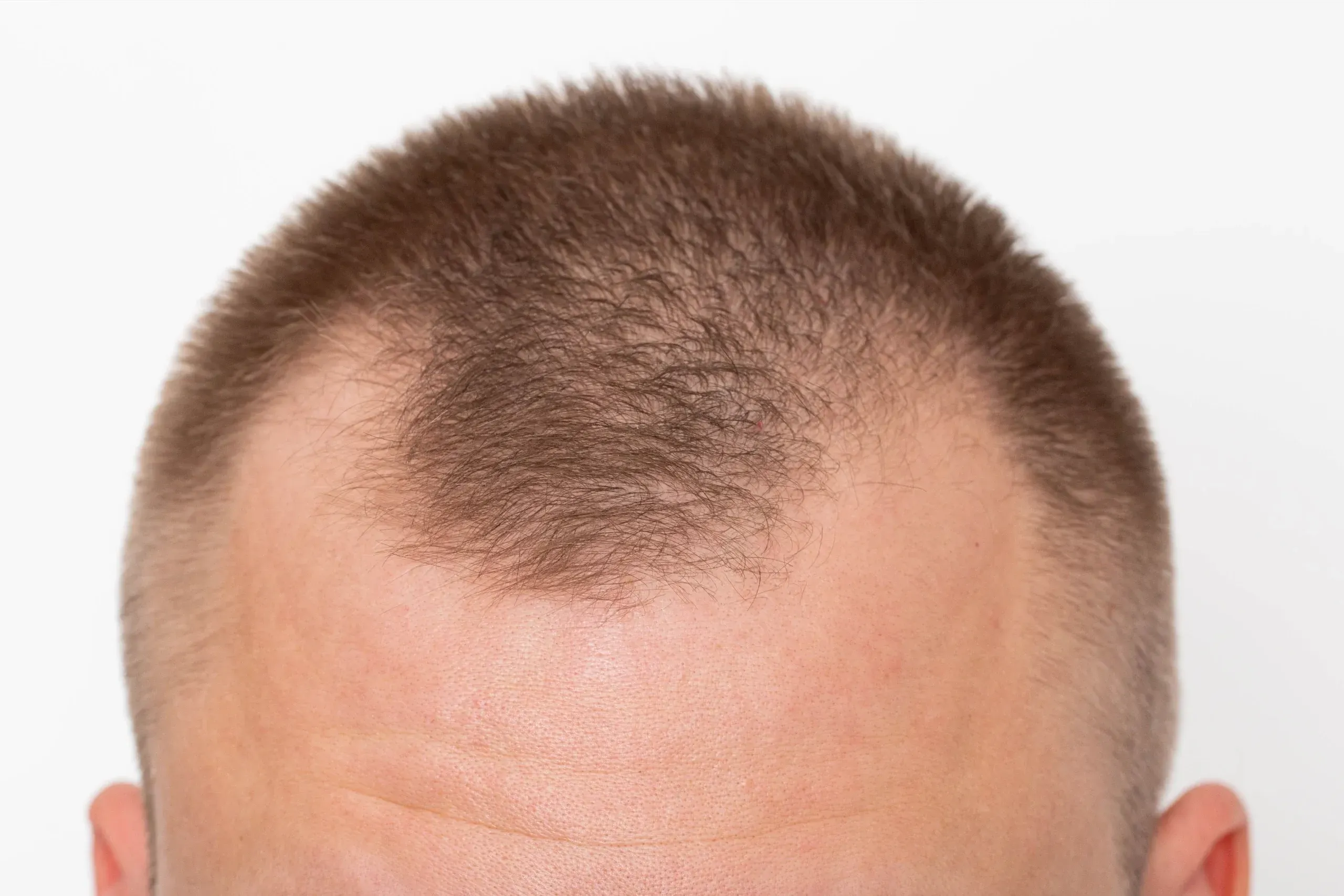
True cessation of hair growth only occurs when the follicle itself is damaged or destroyed, as in scarring alopecia, or when it becomes so miniaturized by DHT that it can no longer produce visible hair.
Why It Might Feel Like Your Hair Has Stopped Growing
Many people experience what they perceive as a growth plateau, where their hair seems to reach a certain length and stop. In most cases, the hair is still growing; other factors are creating the illusion that it has stopped.
Breakage vs. Hair Loss
This is the most common reason hair appears to stop growing. If your hair is breaking at the same rate it is growing, the overall length will not increase. Breakage can be caused by:
- Heat styling - Flat irons, curling irons, and blow dryers damage the hair shaft
- Chemical treatments - Coloring, bleaching, perming, and relaxing weaken the hair structure
- Rough handling - Aggressive brushing, especially when hair is wet, snaps fragile strands
- Environmental damage - Sun exposure, wind, chlorine, and salt water dry out hair
- Friction - Cotton pillowcases, rough towels, and certain clothing can cause breakage
If you notice short, broken pieces of hair rather than full strands with a white bulb at the root, breakage rather than growth cessation is likely the issue.
Poor Hair Care Routine
Your daily habits have a profound impact on whether your hair can achieve its maximum potential length:
- Overwashing strips natural oils that protect and moisturize the hair shaft
- Using harsh shampoos with sulfates can dry out hair and make it prone to breakage
- Skipping conditioner leaves hair unprotected and more susceptible to damage
- Not using heat protectant before styling causes cumulative thermal damage
- Tight hairstyles create tension that can damage both the hair shaft and the follicle (traction alopecia)
Scalp Buildup
A healthy scalp is the foundation for healthy hair growth. When product residue, excess sebum, dead skin cells, and environmental pollutants accumulate on the scalp, they can:
- Clog hair follicles, restricting growth
- Create an environment for bacteria or fungi that cause inflammation
- Prevent topical treatments from reaching the follicle
- Cause itching and scratching that damages follicles
If your scalp feels oily, flaky, or itchy, buildup may be contributing to your perceived growth plateau.
Genetics and Hair Type
Your genetics determine several factors that influence maximum hair length:
- Anagen phase duration - The single biggest factor in how long your hair can grow
- Growth rate - Varies from person to person and among different ethnic backgrounds
- Hair texture - Curly and coily hair types are more prone to breakage due to the shape of the hair shaft, which creates natural weak points at each bend
- Hair density - The number of follicles on your scalp is genetically determined
Understanding your hair type and its specific needs is essential for maximizing growth.
Underlying Health Conditions
Several medical conditions can genuinely slow or halt hair growth:
- Thyroid disorders - Both hypothyroidism and hyperthyroidism affect the hair growth cycle
- Iron deficiency anemia - Iron is essential for the oxygen supply to hair follicles
- Hormonal imbalances - PCOS, menopause, and other hormonal changes affect growth
- Autoimmune conditions - Alopecia areata and other autoimmune disorders can halt growth in affected areas
- Chronic illness or stress - Prolonged illness or stress can push follicles into the telogen phase prematurely
- Nutritional deficiencies - Lack of protein, biotin, zinc, or vitamin D impairs hair production
How to Encourage Hair Growth
If you feel your hair has stalled, these strategies can help you achieve longer, healthier growth.
Strengthen From Within
Hair health starts internally. Your diet and overall health have a direct impact on the quality and speed of hair growth:
- Protein - Hair is made of keratin, a protein. Ensure you are consuming adequate protein from sources like lean meats, fish, eggs, legumes, and dairy
- Iron - Critical for oxygen delivery to follicles. Good sources include red meat, spinach, lentils, and fortified cereals. If you suspect a deficiency, get your ferritin levels tested
- Biotin - A B vitamin that supports keratin production. Found in eggs, nuts, seeds, and sweet potatoes
- Vitamin D - Plays a role in follicle cycling. Many people are deficient, especially in northern climates
- Omega-3 fatty acids - Found in fatty fish, flaxseeds, and walnuts, they nourish hair and reduce inflammation
- Zinc - Supports hair tissue growth and repair. Found in oysters, beef, pumpkin seeds, and chickpeas
- Water - Hydration is essential for all cellular processes, including hair growth
Scalp Massage
Regular scalp massage can stimulate blood flow to hair follicles, potentially promoting growth. A 2016 study published in Eplasty found that participants who performed daily four-minute scalp massages for 24 weeks had thicker hair at the end of the study period.
Techniques for effective scalp massage:
- Use your fingertips (not nails) to apply gentle pressure
- Move in small circular motions across the entire scalp
- Spend at least five minutes per session
- Consider using a scalp massaging tool for deeper stimulation
- You can massage with or without oil (jojoba, coconut, or castor oil are popular choices)
Avoid Damage
Protecting the hair you have is just as important as promoting new growth:
- Limit heat styling to once or twice per week maximum, and always use a heat protectant
- Air dry when possible or use the lowest heat setting on your dryer
- Switch to a satin or silk pillowcase to reduce friction while sleeping
- Use a wide-toothed comb on wet hair instead of a brush
- Avoid tight hairstyles that pull on the hairline and edges
- Minimize chemical treatments and space them out adequately
- Trim regularly to remove split ends before they travel up the shaft and cause breakage
- Protect hair from the sun with a hat or UV-protective products
Choose the Right Products
Product selection matters more than most people realize:
- Sulfate-free shampoo - Gentler on hair and scalp, preserves natural oils
- Moisturizing conditioner - Applied from mid-length to ends, helps prevent breakage
- Leave-in conditioner or hair oil - Provides ongoing protection and moisture
- Scalp exfoliant - Used weekly, helps remove buildup and promote healthy follicle function
- Protein treatments - Periodic deep conditioning with protein-based products strengthens the hair shaft
- Avoid products with drying alcohols - Ingredients like alcohol denat and isopropyl alcohol strip moisture
Practice Patience
Hair growth is slow. At an average rate of six inches per year, growing hair from a short style to waist length can take four to six years or more. During this time:
- Take progress photos monthly to track real changes
- Set realistic length goals with reasonable timelines
- Focus on health and quality rather than just length
- Understand that setbacks (a bad trim, heat damage, stress shedding) are part of the journey
When to See a Professional
Consider consulting a dermatologist or trichologist if:
- You notice significantly more hair in your brush or drain than usual
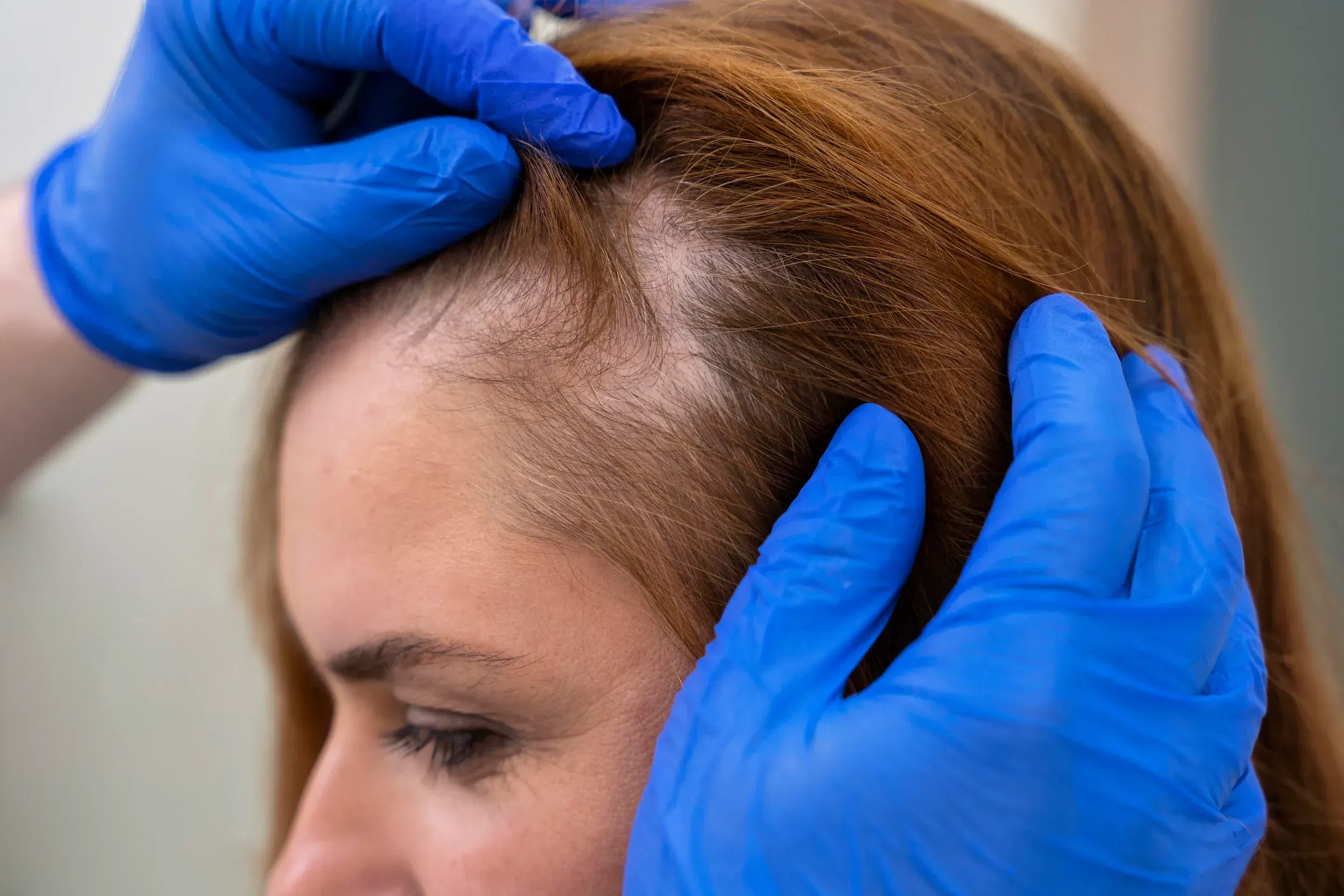
- You can see thinning patches or increased scalp visibility
- Your hair texture has changed dramatically (become dry, brittle, or coarse)
- You experience scalp pain, itching, or unusual flaking
- Hair growth does not resume after addressing lifestyle factors
- You have symptoms of a thyroid disorder, anemia, or hormonal imbalance
- Hair loss runs in your family and you want to take preventive action
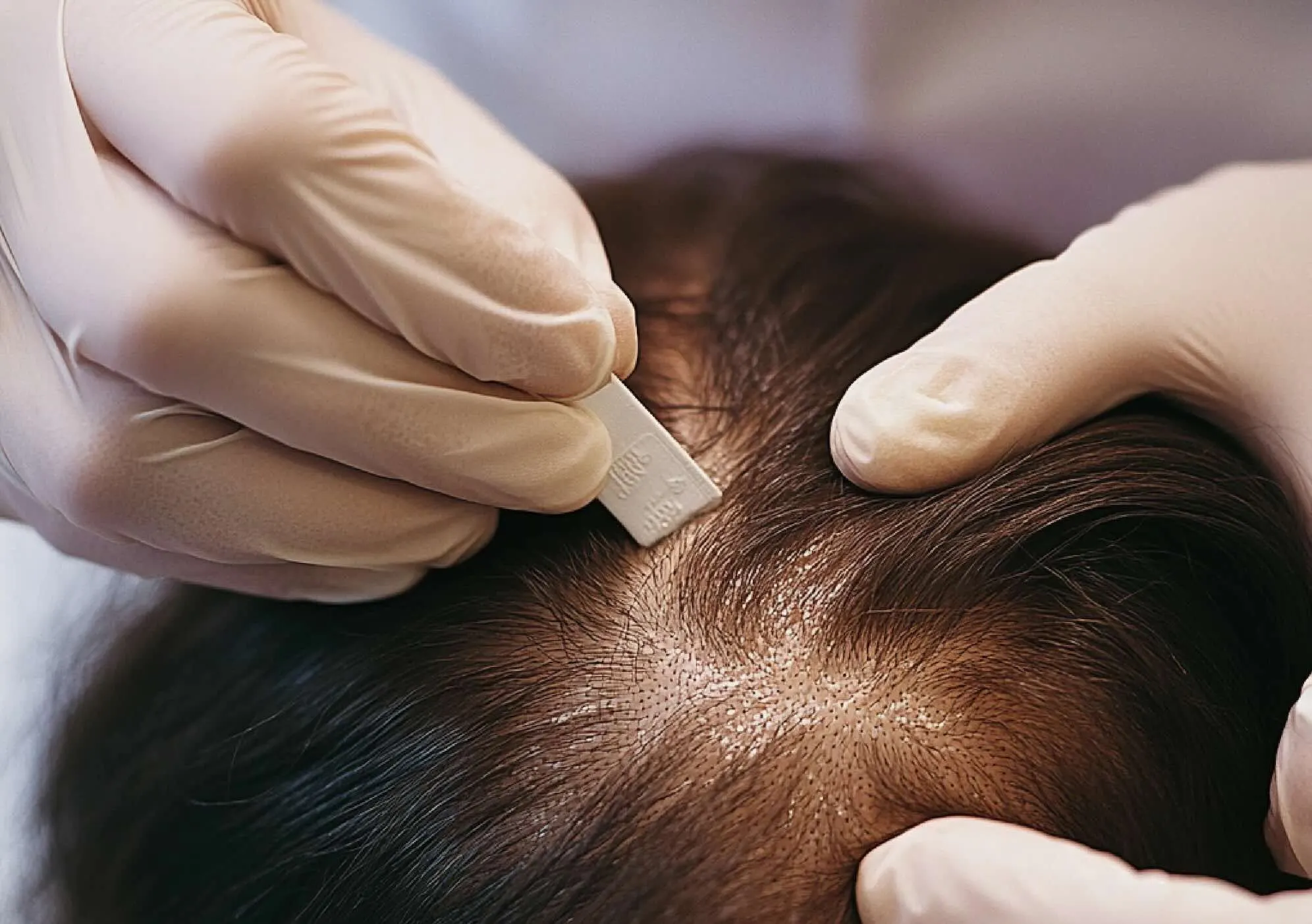
A professional can perform a thorough evaluation including blood work, scalp examination, and trichoscopy to identify the root cause of your growth concerns and recommend targeted treatments.
Your hair is almost certainly still growing. The key is identifying and addressing the factors that may be preventing it from reaching its full potential, whether that is breakage, nutritional gaps, scalp health, or an underlying medical condition. With the right approach and patience, most people can achieve significantly longer, healthier hair.