Hair Transplant with Alopecia: Who Qualifies?
Not all types of alopecia qualify for hair transplant surgery. Learn which conditions are eligible, which require caution, and what alternatives exist.
Not All Alopecia Is the Same
Alopecia is a broad term that simply means hair loss. But within that umbrella, there are many different types — each with distinct causes, patterns, and behaviors. Whether or not you qualify for a hair transplant depends heavily on which type of alopecia you have.
A thorough diagnosis is the essential first step before any surgical recommendation.
Why the Type of Alopecia Matters
Hair transplant surgery works by moving healthy follicles from a donor area to a recipient area. For this to succeed long-term:
- The donor follicles must be healthy and stable
- The recipient area must be able to support new growth
- The underlying cause of hair loss must be controlled or resolved
- The immune system must not be actively attacking hair follicles
Different types of alopecia affect these factors in different ways, which is why candidacy varies so significantly.
Candidacy Evaluation
A comprehensive evaluation includes:
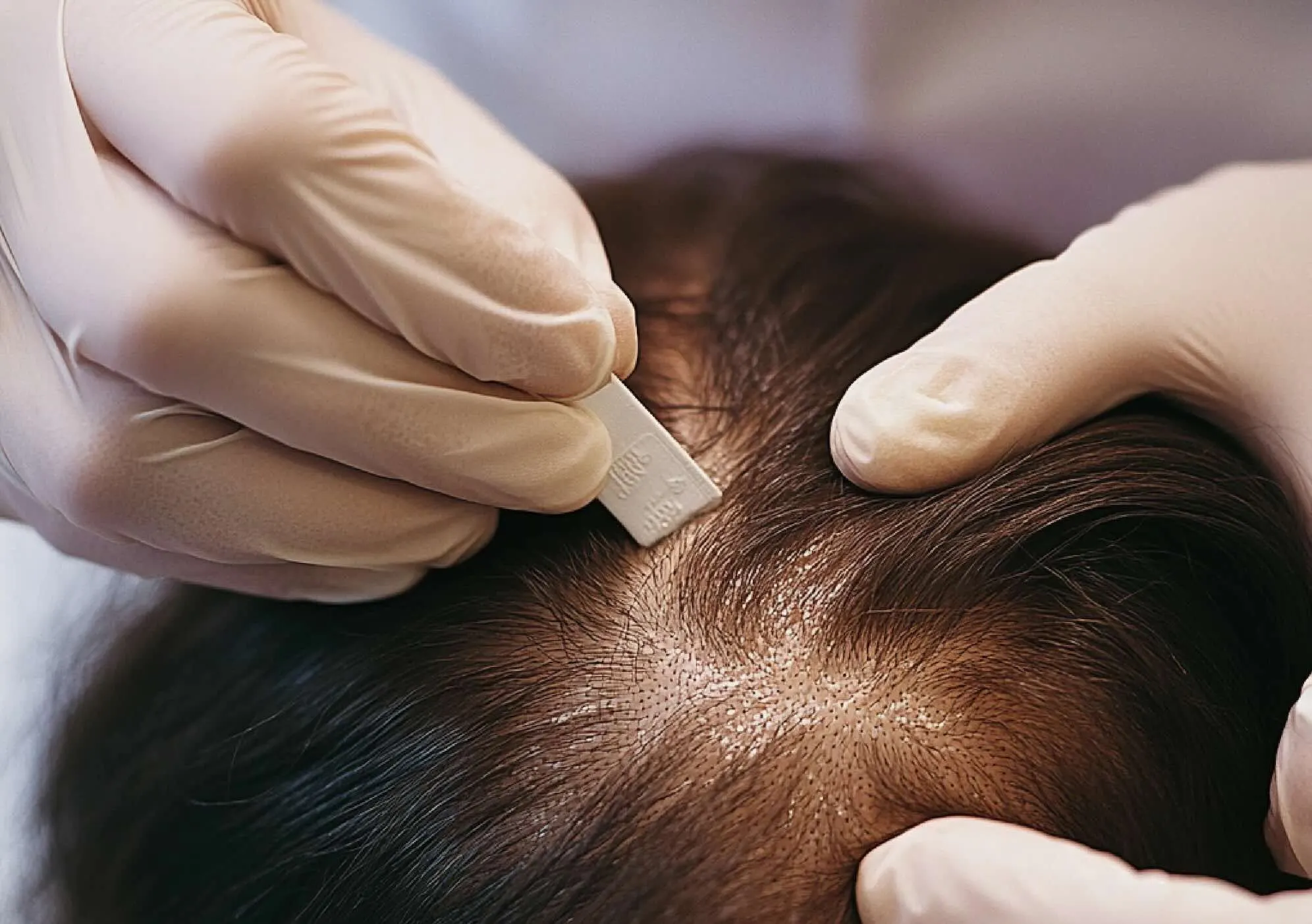
- Accurate diagnosis — Determining the exact type and cause of hair loss through examination, history, and sometimes biopsy
- Stability assessment — Evaluating whether the hair loss is active, progressing, or stable
- Donor strength — Assessing the density, thickness, and health of hair in the donor zone
- Medical history — Reviewing medications, autoimmune conditions, hormonal status, and nutritional factors
- Realistic expectations — Ensuring the patient understands what surgery can and cannot achieve for their specific condition
Androgenetic Alopecia: Often Eligible
Androgenetic alopecia — also known as male pattern baldness or female pattern hair loss — is the most common type of hair loss and the condition most frequently treated with hair transplant surgery.
- Caused by genetic sensitivity to DHT (dihydrotestosterone)
- Follows predictable patterns (Norwood scale for men, Ludwig scale for women)
- Donor hair is typically DHT-resistant and maintains its properties after transplantation
- Candidacy: Strong — Most patients with androgenetic alopecia are good candidates, provided they have adequate donor supply and stable (or medically managed) hair loss
Alopecia Areata: Proceed with Caution
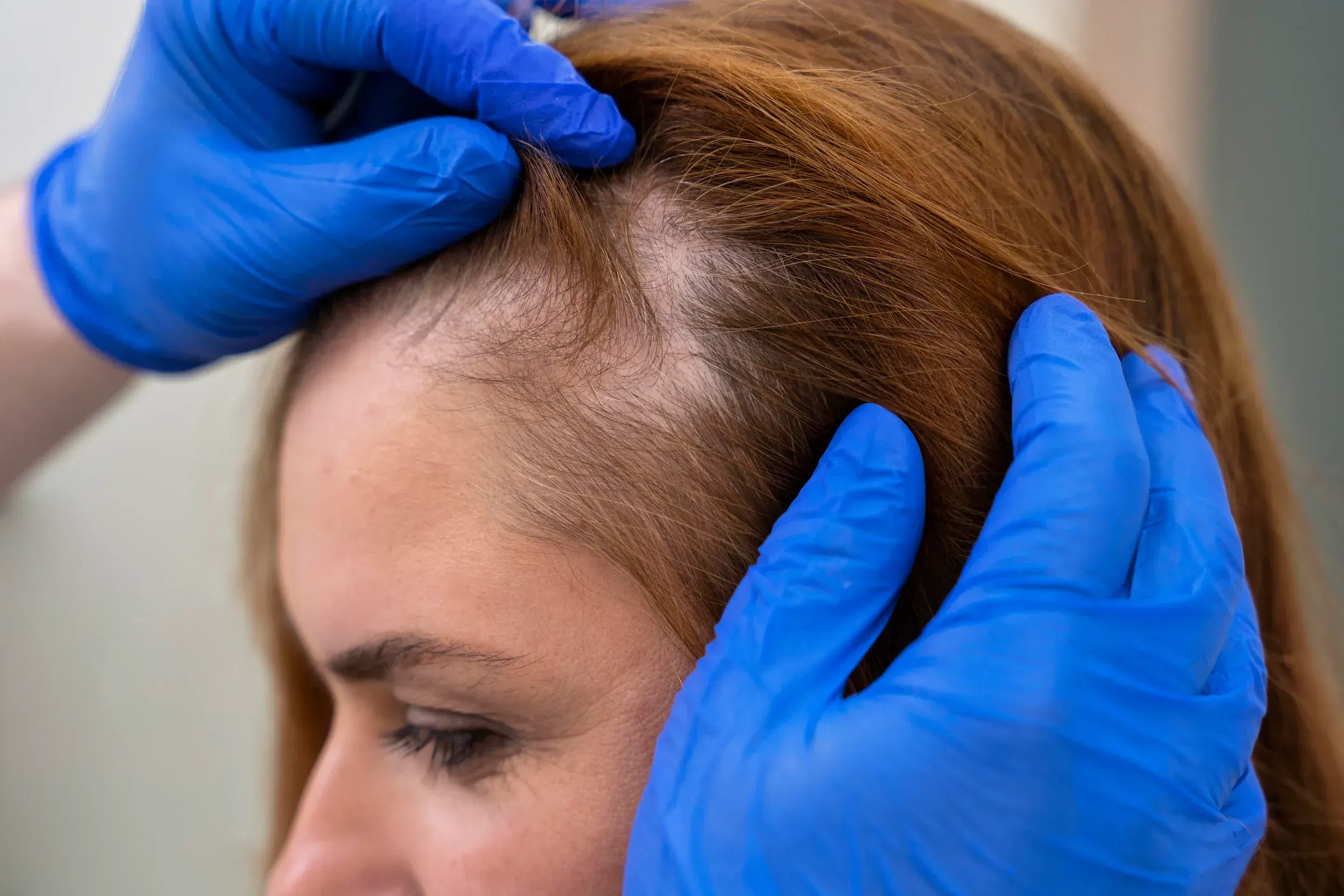
Alopecia areata is an autoimmune condition where the immune system attacks hair follicles, causing patchy, unpredictable hair loss.
- Hair loss can be sudden and may recur in different areas
- The condition can range from small patches to total scalp loss (alopecia totalis) or total body hair loss (alopecia universalis)
- The key concern: Transplanted follicles can be attacked by the same autoimmune response
- Candidacy: Conditional — Surgery may be considered only if the condition has been in remission for an extended period (typically 2+ years) and the patient understands the risk of recurrence
- Medical management of the autoimmune condition should be established before surgery is considered
Scarring Alopecias: Only After Proven Inactivity
Scarring (cicatricial) alopecias are a group of conditions where inflammation destroys the hair follicle and replaces it with scar tissue. Examples include:
- Lichen planopilaris (LPP)
- Frontal fibrosing alopecia (FFA)
- Central centrifugal cicatricial alopecia (CCCA)
- Discoid lupus erythematosus
The key concern: If the inflammatory process is still active, transplanted follicles will be destroyed just like the original ones.
- Candidacy: Conditional — Surgery is only considered after the condition has been confirmed inactive through clinical monitoring and sometimes repeat biopsy
- The inactive period should typically be at least 1–2 years
- Results may be less predictable than in androgenetic alopecia
- Close post-operative monitoring is essential
Telogen Effluvium and Anagen Effluvium: Not Transplant Problems
Telogen effluvium is a temporary condition where a large number of follicles simultaneously enter the resting (telogen) phase, causing diffuse shedding. Common triggers include stress, illness, surgery, nutritional deficiency, and hormonal changes.
Anagen effluvium is acute hair loss during the growth phase, most commonly caused by chemotherapy or radiation.
- Both conditions are typically temporary and reversible
- The follicles are not permanently damaged
- Candidacy: Not appropriate — Hair transplant surgery is not indicated because the hair loss is expected to resolve once the underlying trigger is addressed
- Treatment focuses on identifying and correcting the cause
Traction Alopecia: Sometimes a Good Candidate
Traction alopecia is caused by repeated physical tension on the hair — from tight ponytails, braids, weaves, extensions, or headwear.
- If caught early, the follicles can recover once the tension is removed
- If the tension has been prolonged, follicles may be permanently damaged in the affected area
- Candidacy: Often good — If the traction has stopped and the donor area is healthy, patients with permanent traction alopecia are often excellent transplant candidates
- The localized nature of the loss (usually hairline and temples) makes it well-suited to surgical restoration
FUE vs. FUT vs. ARTAS
The choice of technique depends on the type of alopecia, the extent of loss, and the patient's goals:
- FUE — Minimally invasive, no linear scar, suitable for most candidates
- FUT — Can harvest more grafts in a single session, may be preferred for larger areas
- ARTAS — Robotic-assisted FUE with AI-guided precision, ideal for consistent graft quality
Your surgeon will recommend the best technique based on your specific condition and goals.
Preparation and Recovery
For patients with alopecia who do qualify for surgery:
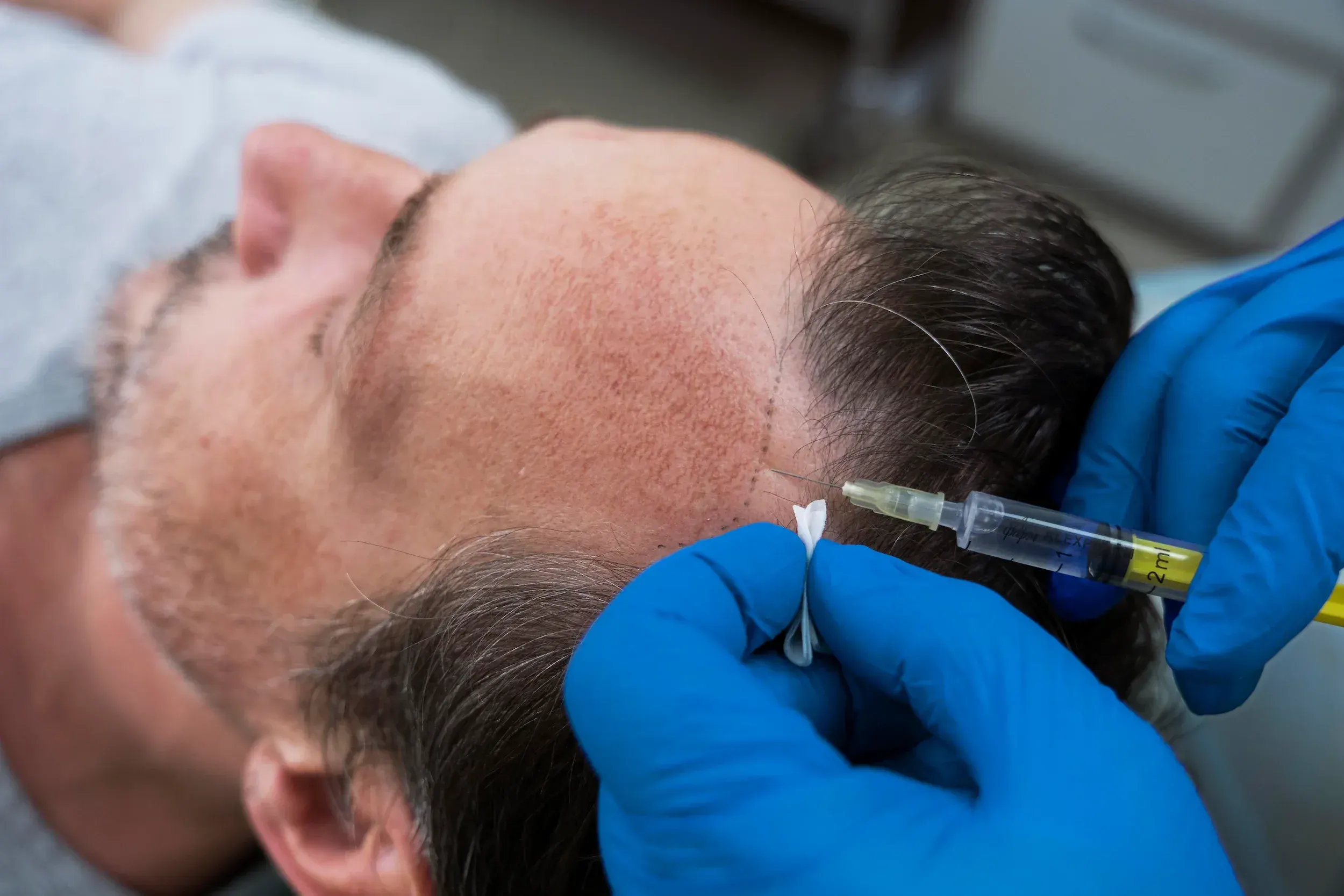
- Pre-operative preparation — May include medical management of the underlying condition, nutritional optimization, and PRP treatments to prepare the scalp
- Recovery — Follows the standard hair transplant timeline (shedding at 2–4 weeks, early growth at 3–4 months, full results at 12–18 months)
- Post-operative maintenance — Ongoing medical therapy is especially important for patients with autoimmune or inflammatory conditions
If You Are Not a Candidate Now
If your current condition does not qualify you for surgery, that does not mean the door is permanently closed:
- Work with your specialist to manage and stabilize your condition
- Explore non-surgical options (PRP, LLLT, medications) that can improve your hair and scalp health
- Revisit candidacy once your condition has been stable for the recommended period
- Consider complementary cosmetic solutions (scalp micropigmentation, hair systems) in the interim
Realistic Expectations
Regardless of the type of alopecia:
- A hair transplant can significantly improve density and appearance, but it is not a guaranteed cure
- The success of the procedure depends on accurate diagnosis, proper patient selection, and skilled surgical execution
- Ongoing management of the underlying condition is essential for lasting results
- A board-certified hair restoration specialist can help you understand what is realistically achievable for your specific situation