
Best Age for Hair Transplant: When Is the Right Time?
Timing is everything when it comes to hair transplant surgery. Learn why the best age is not one-size-fits-all, the risks of transplanting too young, and signs you are a good candidate.
Hair Loss and Age
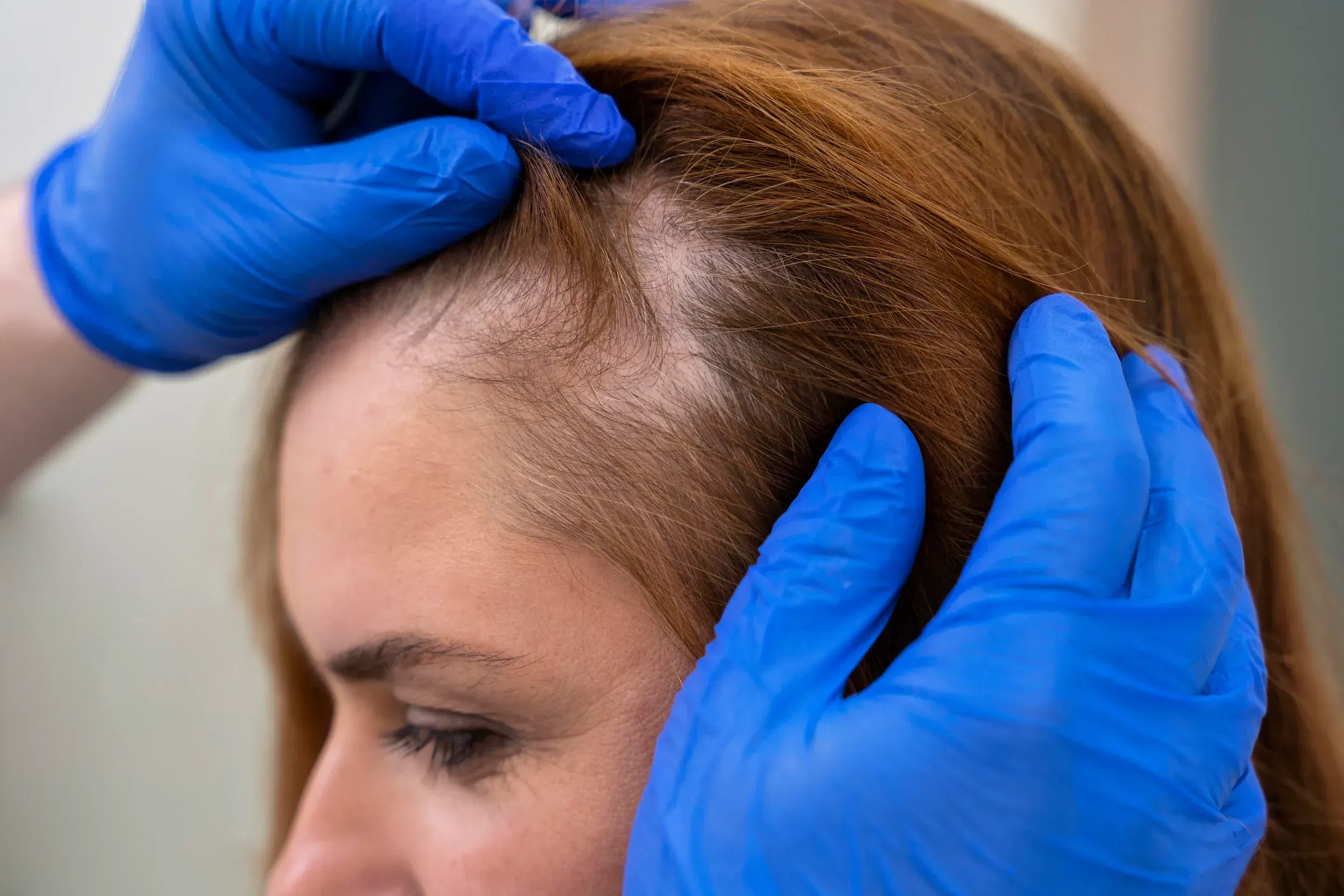
Hair loss is far more common than most people realize, and it begins earlier than many expect. Androgenetic alopecia, the most common form of hair loss, can start as early as the late teens or early twenties. By age 30, approximately 25% to 30% of men show visible signs of hair thinning. By age 50, roughly half of all men experience significant hair loss. By age 60, the number climbs even higher.
For women, pattern hair loss typically begins later, often around menopause, though it can start in the twenties or thirties, particularly in those with a strong genetic predisposition or hormonal conditions like polycystic ovary syndrome.
The progressive nature of hair loss means that the question of when to pursue a hair transplant is not just about aesthetics. It is a strategic decision that affects the long-term success and natural appearance of the results.
Why the Best Age Is Not One-Size-Fits-All
There is no single perfect age for a hair transplant. The ideal timing depends on a combination of factors unique to each individual, including the stability of their hair loss pattern, the condition of their donor area, their overall health, and their expectations.
However, most hair restoration specialists agree on a general principle: patience is usually rewarded. Rushing into a transplant before your hair loss pattern has stabilized can lead to suboptimal results that may require additional procedures down the line.
The Risks of Transplanting Too Young
One of the most important considerations in hair transplant timing is the risk associated with operating on younger patients, particularly those under 25.
Unstable Hair Loss Pattern
The most significant risk of transplanting too young is that the hair loss pattern has not yet fully declared itself. Hair loss is progressive, and in the early stages, it is impossible to predict exactly where and how much thinning will occur.
If a surgeon transplants hair to fill in early recession at age 21, and the patient continues to lose hair over the following decades, the transplanted area may end up looking unnatural. The transplanted hairs will remain permanently (since they are from DHT-resistant donor areas), but the native hair around them will continue to thin, potentially creating an island-like appearance or an unnatural hairline.
Limited Donor Supply
The donor area, located at the back and sides of the scalp, contains a finite number of follicles. These follicles are DHT-resistant and will maintain their characteristics after transplantation, which is why they are permanent. However, because the supply is limited, it must be managed strategically over a patient's lifetime.
Transplanting aggressively at a young age can deplete the donor area, leaving insufficient follicles for future procedures that may be needed as hair loss progresses. A skilled surgeon plans not just for the current state of hair loss but for the anticipated future pattern.
Unrealistic Expectations
Younger patients may have expectations that are difficult to meet with a single procedure, particularly if they are hoping to restore a youthful hairline that will be increasingly at odds with ongoing hair loss. Managing expectations is a critical part of the consultation process.
Signs You Are a Good Candidate
Several factors indicate that you may be ready for a hair transplant, regardless of your specific age.
Stable Hair Loss Pattern
This is the single most important criterion. Your hair loss should have been relatively stable for at least one to two years before considering surgery. Stability means that the pattern of thinning has not changed significantly and you have a reasonable sense of where your hair loss will ultimately settle.
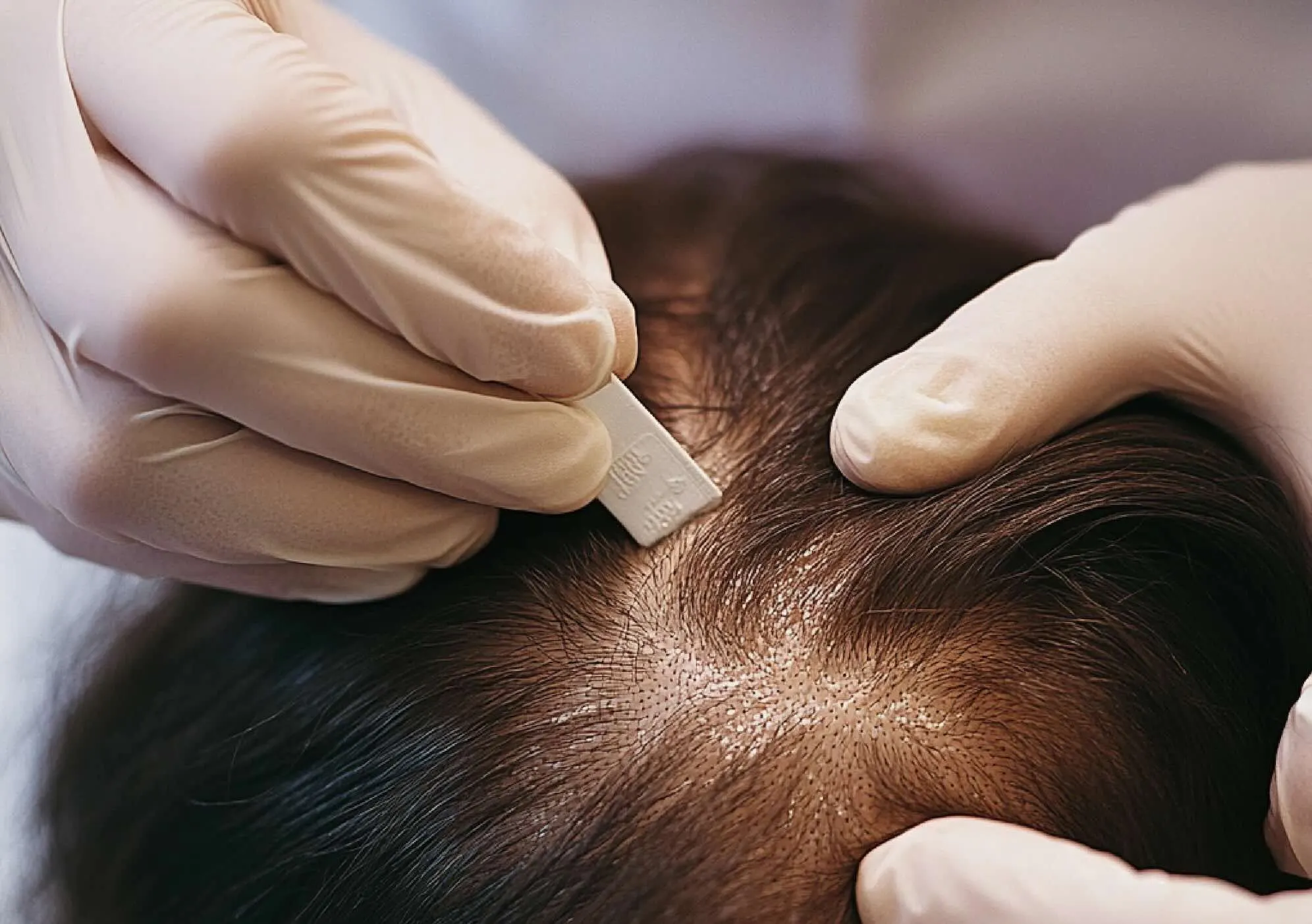
Dermatologists and hair restoration specialists use tools like trichoscopy and serial photography to assess pattern stability. If you have been on medical therapy (finasteride or minoxidil) and your hair loss has stabilized, this is a strong positive indicator.
Healthy Donor Area
The donor area must have sufficient density and quality to provide enough follicles for a natural-looking result. A good donor area has:
- Adequate hair density (typically above 60 follicular units per square centimeter)
- Good hair caliber (thicker individual hairs provide better coverage)
- Minimal miniaturization (the donor area itself should not be thinning)
- Sufficient laxity (for FUT procedures, the scalp needs enough elasticity for strip excision)
Realistic Expectations
A good candidate understands that:
- A hair transplant redistributes existing hair; it does not create new hair
- Multiple procedures may be needed over time as hair loss progresses
- Results take 12 to 18 months to fully mature
- Medical therapy (finasteride, minoxidil) may still be recommended alongside the transplant to protect remaining native hair
- The goal is natural-looking improvement, not necessarily a return to teenage hair density
The Ideal Age Range
While there are exceptions, most hair restoration specialists consider 30 to 40 to be the ideal age range for a first hair transplant. By this age:
- The hair loss pattern has usually stabilized enough to plan strategically
- The patient has a clearer picture of their ultimate pattern of loss
- Donor area characteristics are well-established
- Patients are typically mature enough to have realistic expectations
- Medical therapy has been tried and its effects are known
Patients in their twenties can be good candidates if their loss has stabilized and they have been on medical therapy, but extra caution and conservative planning are advisable.
Patients over 50 or 60 can also be excellent candidates, as their pattern is fully established and planning is straightforward. The only additional considerations are general health and healing capacity.
FUE vs. FUT
Two primary surgical techniques are used for hair transplantation, and understanding the differences can help you make an informed decision.
FUE (Follicular Unit Extraction)
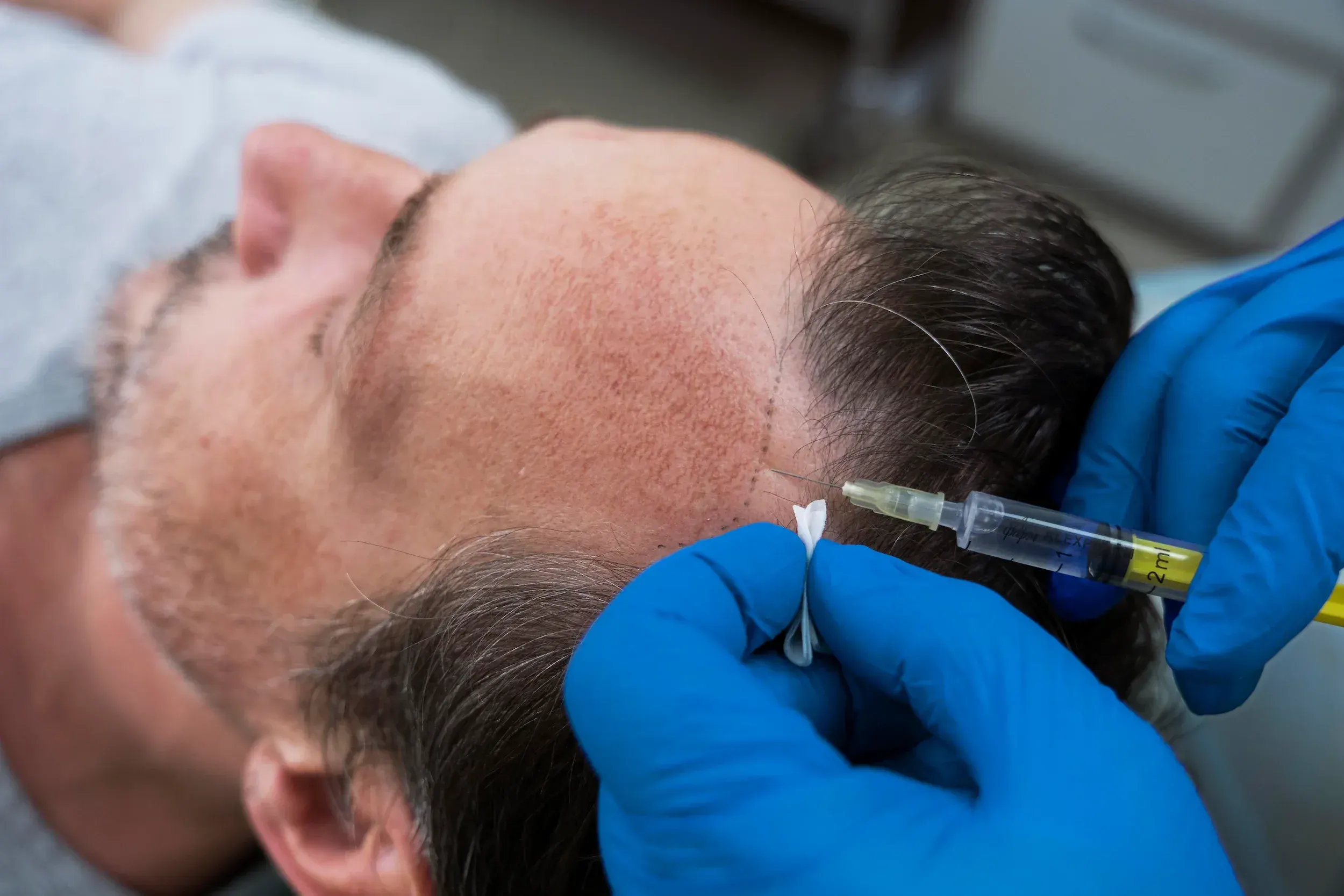
FUE involves extracting individual follicular units directly from the donor area using a small punch tool (0.7mm to 1.0mm in diameter). Each graft is then implanted into tiny incisions in the recipient area.
Advantages:
- No linear scar
- Faster healing time
- Less postoperative discomfort
- Can harvest from a wider donor area including body hair
- Ideal for patients who wear very short hairstyles
Considerations:
- More time-consuming for large sessions
- May have slightly higher transection rates
- Shaving the donor area is often required
FUT (Follicular Unit Transplantation)
FUT involves removing a strip of scalp from the donor area, from which individual follicular units are dissected under a microscope. The donor site is closed with sutures or staples.
Advantages:
- Higher graft yield per session possible
- Lower transection rates (follicles are not individually extracted)
- No need to shave the donor area
- May be preferred for mega-sessions
Considerations:
- Leaves a linear scar (which can be concealed by hair)
- Longer healing time
- More postoperative discomfort
Many surgeons now also offer robotic-assisted FUE using systems like ARTAS, which provides enhanced precision and consistency during the extraction process.
Preparing for a Hair Transplant
Once you and your surgeon have determined that the timing is right, preparation involves several steps:
- Comprehensive consultation including scalp analysis, donor assessment, and digital planning
- Blood work to ensure you are in good health
- Medication review with your surgeon (you may need to stop blood thinners or certain supplements)
- Avoid alcohol and smoking for at least one to two weeks before surgery
- Plan for recovery time as you will need a few days off work at minimum
- Begin or continue medical therapy as recommended by your surgeon
Managing Expectations
Realistic expectations are essential for satisfaction with hair transplant results:
- Density - A single session typically provides 25% to 50% of the density of a full head of hair in the transplanted area. Multiple sessions can increase density further
- Timeline - Transplanted hairs fall out within two to four weeks (shock loss) and begin regrowing at three to four months. Full results are visible at 12 to 18 months
- Natural appearance - Modern techniques create extremely natural-looking results, but the transplanted area will not have the exact same density as your original hair
- Ongoing maintenance - Medical therapy is strongly recommended to protect existing native hair and potentially slow future loss
Hair Transplants Are Not Just for Men
While hair transplant surgery is most commonly associated with male pattern baldness, women can also be excellent candidates. Female pattern hair loss, traction alopecia, and scarring from previous procedures or injuries can all be addressed with transplantation.
Women may benefit from different approaches:
- No-shave FUE techniques that allow the procedure without visible changes to the donor area
- Hairline lowering surgery for women with naturally high hairlines
- Temple and part restoration for targeted areas of thinning
The evaluation process for women is similar but includes additional hormonal workup and consideration of different loss patterns.
The best age for a hair transplant is not a specific number. It is the age at which your hair loss is stable enough to plan strategically, your donor area can support the procedure, and your expectations align with what surgery can realistically achieve. For most people, this falls in the 30 to 40 range, but every individual's situation is unique. A thorough consultation with an experienced hair restoration specialist is the best way to determine whether now is the right time for you.