Understanding Alopecia Universalis: Causes, Symptoms, and Treatment
Alopecia universalis causes complete body hair loss. Learn about its autoimmune causes, genetic factors, diagnostic process, and the latest treatments including JAK inhibitors.
Introduction
Alopecia universalis (AU) represents the most extensive form of alopecia areata, resulting in the complete loss of hair on the entire body. While relatively rare, it can have a profound impact on those affected. Understanding this condition, its causes, and the available treatments is essential for patients and their families.
At DSI Hair, we provide compassionate, expert care for all forms of alopecia, including the most severe. This guide offers a thorough exploration of alopecia universalis to help you understand and navigate this challenging condition.
What Is Alopecia Universalis?
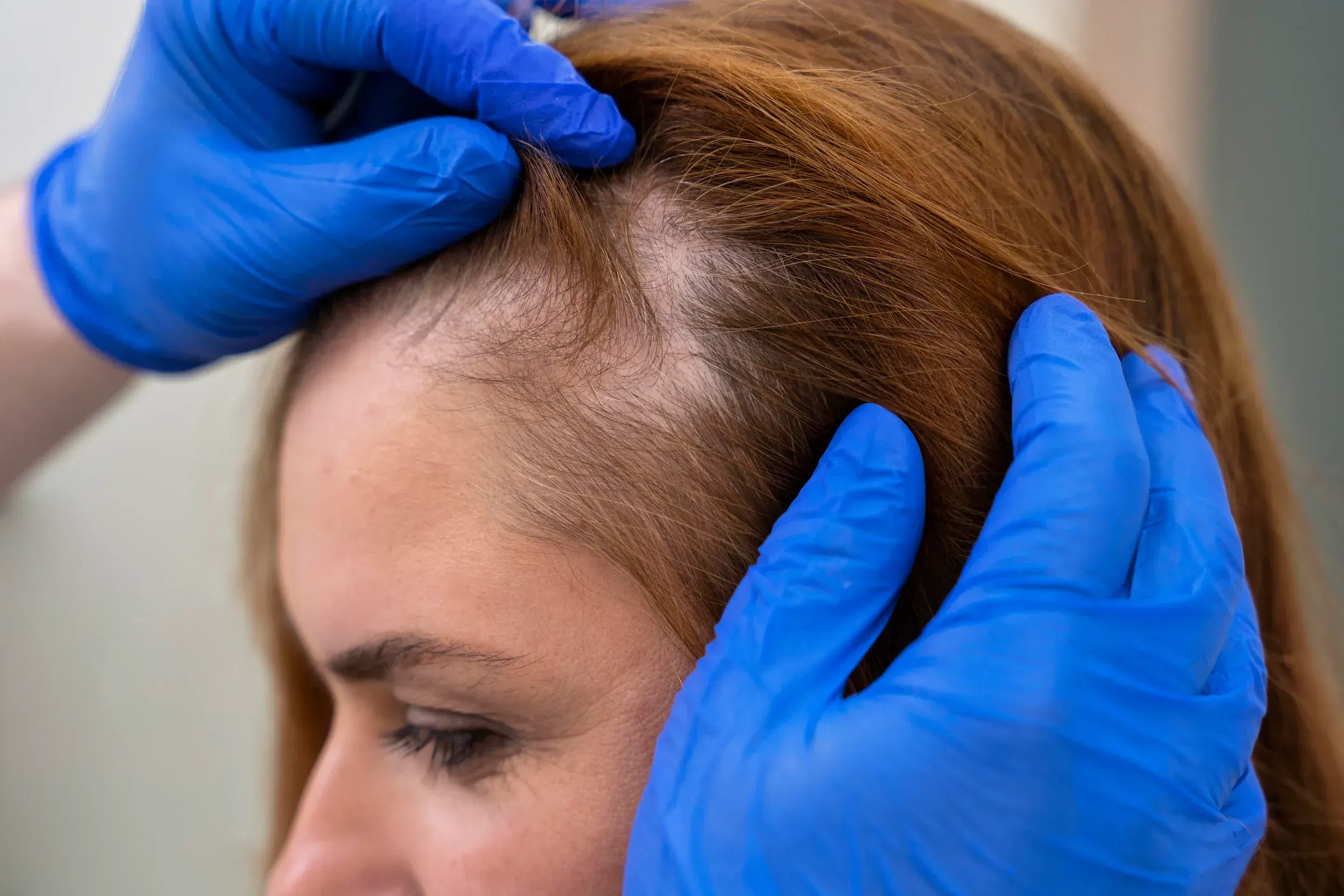
Alopecia universalis sits at the far end of the alopecia areata spectrum:
- Alopecia areata: Patchy hair loss, typically in round spots on the scalp
- Alopecia totalis: Complete loss of all scalp hair
- Alopecia universalis: Complete loss of all hair on the body, including scalp, eyebrows, eyelashes, beard, body hair, and even nasal hair
AU affects approximately 0.001% of the population. It can develop at any age but often first appears in childhood or young adulthood. Some patients progress from patchy alopecia areata to totalis and then universalis, while others develop universalis rapidly.
Symptoms
The primary symptom of alopecia universalis is the complete absence of hair:
- Scalp: Complete loss of all head hair
- Eyebrows and eyelashes: Loss of these hairs affects facial expression and eye protection
- Beard and mustache: Complete loss in men
- Body hair: Loss of arm, leg, chest, and pubic hair
- Nasal and ear hair: Loss of these protective hairs can increase susceptibility to allergens and infections
- Nail changes: Up to 66% of patients with severe alopecia areata experience nail abnormalities including pitting, ridging, brittleness, and rarely, complete nail dystrophy
Associated Symptoms
- Tingling, burning, or itching sensation on the scalp before or during hair loss
- Emotional and psychological impact including anxiety, depression, and social withdrawal
- Increased skin sensitivity in previously hair-covered areas
- Greater susceptibility to sunburn on the scalp
Causes of Alopecia Universalis
Autoimmune Response
AU is fundamentally an autoimmune condition:
- The immune system mistakenly identifies hair follicles as foreign invaders
- T-lymphocytes (specifically CD8+ NKG2D+ T cells) infiltrate the hair follicle, attacking the hair bulb
- This attack causes the follicle to enter a prolonged resting phase, halting hair production
- Importantly, the follicle is not destroyed. It is suppressed. This is why regrowth remains possible even after years of hair loss
- The collapse of "immune privilege" around the hair follicle is a key event in the disease process
- Interferon-gamma and interleukin-15, signaling through the JAK-STAT pathway, are central mediators of the immune attack
Genetic Factors
Genetics play a significant role in susceptibility to AU:
- First-degree relatives of alopecia areata patients have a five to ten times higher risk
- Twin studies show a 55% concordance rate in identical twins
- Multiple genes have been identified as risk factors:
- HLA genes: Particularly HLA-DRB1 variants
- CTLA-4: Involved in T-cell regulation
- IL-2RA: Interleukin-2 receptor gene
- PTPN22: Associated with multiple autoimmune conditions
- NKG2D ligands (ULBP3/ULBP6): The strongest non-HLA genetic association
- The genetic architecture overlaps with other autoimmune diseases, explaining the frequent co-occurrence
Environmental Triggers
In genetically susceptible individuals, environmental factors may trigger the onset:
- Severe emotional stress: A commonly reported precipitating factor
- Physical trauma: Injury to the scalp may trigger localized immune activation
- Viral infections: Some cases follow viral illness, suggesting immune activation as a trigger
- Vaccinations: Rare reports exist, though causation is not established
- Hormonal changes: Puberty, pregnancy, and menopause may influence onset or severity
- Environmental toxins: Exposure to certain chemicals may trigger immune dysregulation in predisposed individuals
Association with Other Autoimmune Diseases
Patients with AU have a higher prevalence of other autoimmune conditions:
- Thyroid disease: Hashimoto's thyroiditis and Graves' disease occur in 8-28% of alopecia areata patients
- Vitiligo: Loss of skin pigmentation, occurring in 4-9% of patients
- Atopic dermatitis: Present in approximately 40% of alopecia areata patients
- Type 1 diabetes: Elevated risk compared to the general population
- Pernicious anemia: Autoimmune destruction of intrinsic factor
- Lupus: Increased co-occurrence
- Celiac disease: Higher prevalence than general population
Screening for these associated conditions is recommended for all AU patients.
Diagnosis
Medical History
A thorough history includes:
- Timeline and pattern of hair loss
- Family history of alopecia and autoimmune diseases
- Associated symptoms (nail changes, skin conditions)
- Medication history
- Emotional and psychological impact assessment
- History of infections or significant stressors preceding onset
Physical Examination
- Assessment of the extent of hair loss across the entire body
- Examination of the scalp for signs of inflammation, scarring, or infection
- Evaluation of nail changes
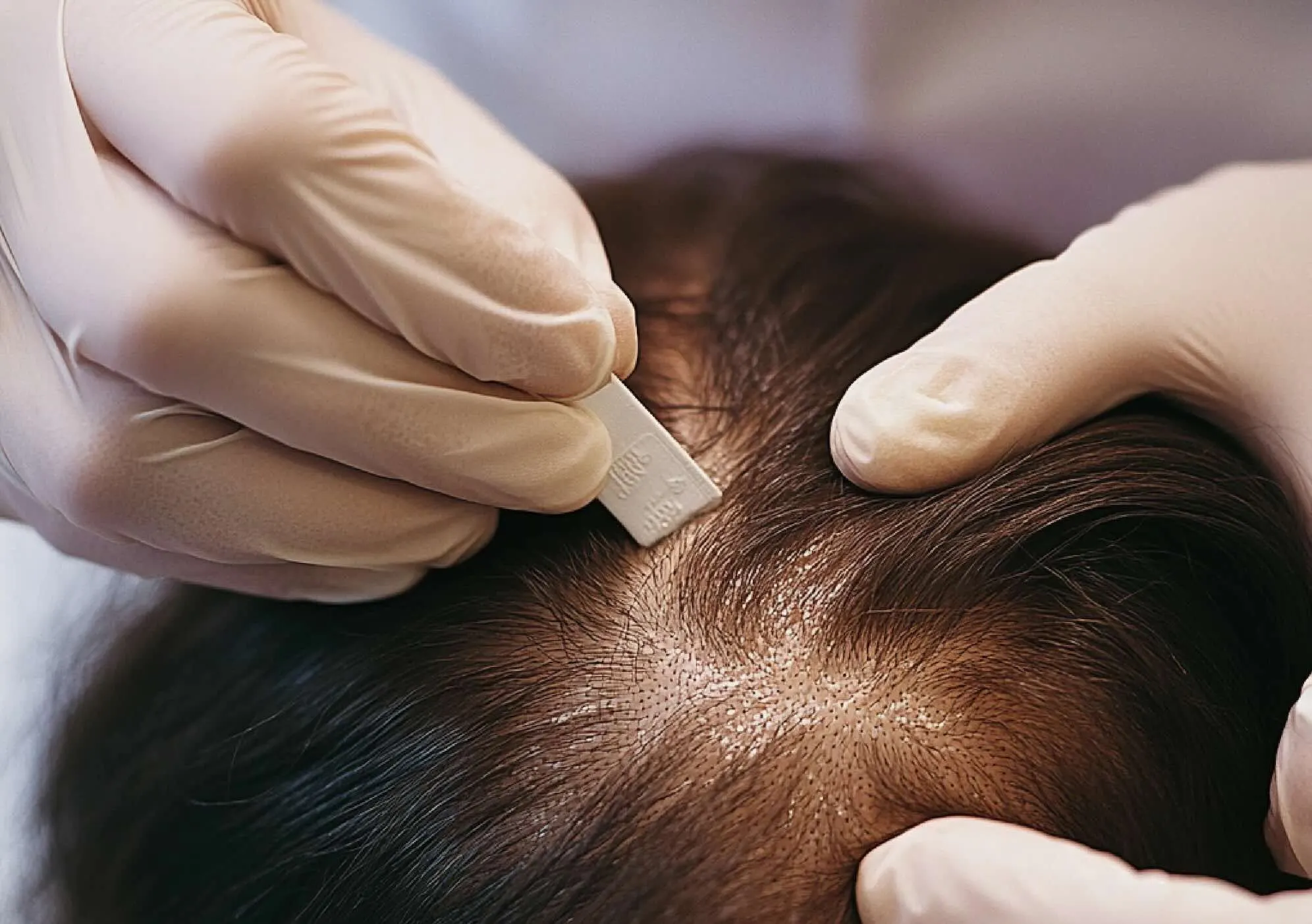
- Dermoscopy may reveal "exclamation point" hairs (short, broken hairs that taper at the base), yellow dots, and black dots characteristic of alopecia areata
Scalp Biopsy
When the diagnosis is uncertain:
- A small punch biopsy (4mm) can be taken from the scalp
- Histopathology shows a characteristic "swarm of bees" pattern of lymphocytic infiltration around the hair bulb
- Helps distinguish AU from other forms of alopecia
- Confirms the autoimmune nature of the condition
Blood Tests
Comprehensive blood work helps identify associated conditions:
- Complete blood count
- Thyroid function tests (TSH, free T4, thyroid antibodies)
- Iron studies (ferritin, serum iron, TIBC)
- Vitamin D levels
- Antinuclear antibodies (ANA)
- Comprehensive metabolic panel
- Celiac screening (tTG-IgA) in symptomatic patients
Treatment Options
Corticosteroids
Corticosteroids suppress the immune system's attack on hair follicles:
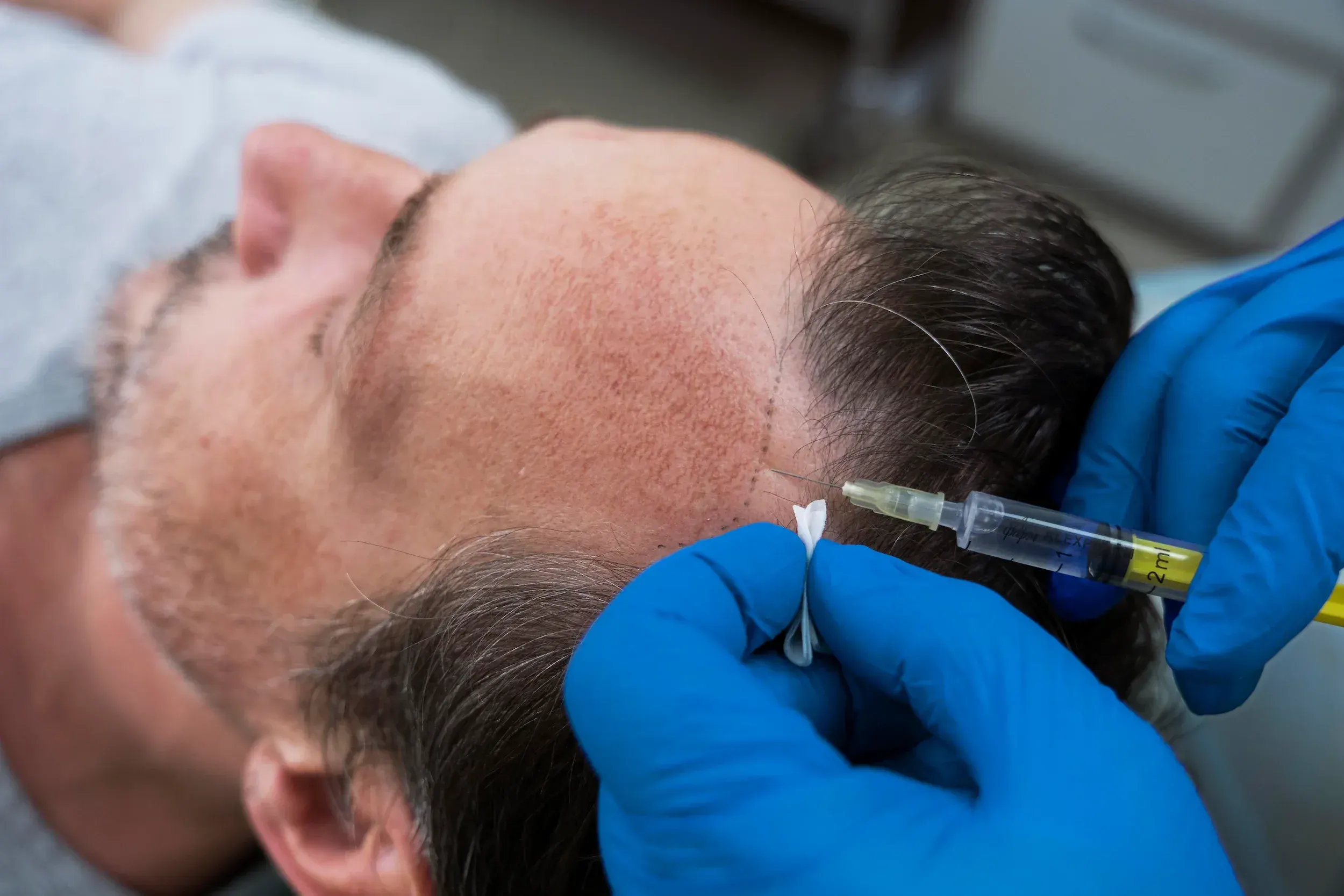
- Intralesional injections: Direct injection of triamcinolone into the scalp. Limited applicability in AU due to the extent of loss
- Topical corticosteroids: High-potency formulations (clobetasol) applied to the scalp. Limited efficacy in severe AU
- Systemic corticosteroids: Oral prednisone can induce temporary regrowth but is not sustainable long-term due to serious side effects (osteoporosis, weight gain, adrenal suppression)
- Pulse therapy: High-dose intravenous methylprednisolone given in short bursts may offer temporary benefit with fewer side effects than daily oral steroids
Topical Immunotherapy
Topical immunotherapy induces an allergic contact dermatitis that redirects the immune response:
- Diphenylcyclopropenone (DPCP): The most commonly used agent
- Squaric acid dibutylester (SADBE): An alternative agent
- Applied weekly to the scalp in increasing concentrations
- Works by creating an allergic reaction that "distracts" the immune system from attacking follicles
- Response rates in AU are lower (10-30%) than in patchy alopecia areata
- Treatment requires months of consistent application
- Can cause significant itching, redness, and blistering
JAK Inhibitors
JAK inhibitors represent the most significant advancement in AU treatment:
- Baricitinib (Olumiant): FDA-approved in 2022 for severe alopecia areata, including AU. The first systemic medication specifically approved for this condition
- Ritlecitinib (Litfulo): FDA-approved in 2023 for alopecia areata in patients 12 and older
- Tofacitinib (Xeljanz): Used off-label with significant evidence supporting efficacy
- Ruxolitinib: Available in topical and oral forms
How JAK inhibitors work:
- They block the JAK-STAT signaling pathway, which is central to the immune attack on hair follicles
- Specifically target JAK1 and JAK2 (baricitinib), or JAK3/TEC family kinases (ritlecitinib)
- Can produce dramatic regrowth even in long-standing AU
- Clinical trials show 30-40% of patients achieving 80% or greater hair regrowth
- Must be taken continuously; hair loss often recurs upon discontinuation
- Require monitoring for side effects including infections, blood count changes, and lipid elevations
Minoxidil
- Can be used as an adjunct therapy alongside other treatments
- May support regrowth in follicles that are being released from immune suppression by JAK inhibitors or corticosteroids
- Available topically or as low-dose oral formulation
- Not effective as a standalone treatment for AU
Supplements
- Vitamin D: Deficiency is common in AU patients and may worsen the condition
- Zinc: Supports immune regulation and hair growth
- Biotin: Supports keratin production
- Probiotics: Emerging evidence suggests gut health may influence autoimmune conditions
- Supplements are supportive but not primary treatments for AU
Emerging Treatments
- IL-17 inhibitors: Targeting interleukin-17 pathways
- PDE4 inhibitors: Apremilast is being studied
- Stem cell therapies: Research ongoing
- Microbiome modulation: The gut-immune connection is an active area of investigation
- Combination approaches: Using JAK inhibitors with other therapies for enhanced response
Coping Strategies
Living with AU requires emotional as well as physical support:
Emotional Support
- Professional counseling: Therapists experienced with chronic medical conditions can help process the emotional impact
- Support groups: Organizations like the National Alopecia Areata Foundation (NAAF) connect patients with others who understand their experience
- Online communities: Social media groups provide daily support and practical tips
- Family education: Helping loved ones understand the condition reduces misunderstanding and improves support
Practical Considerations
- Wigs and hairpieces: Modern wigs are increasingly natural-looking and comfortable. Options range from synthetic to human hair, and medical-grade wigs may be partially covered by insurance
- Scalp protection: Sunscreen (SPF 30+) or hats to protect the scalp from UV damage
- Eyebrow solutions: Microblading, tattooing, or cosmetic products can restore the appearance of eyebrows
- Eyelash alternatives: False eyelashes or magnetic lashes for cosmetic purposes
- Nasal care: Saline rinses may help compensate for the loss of nasal hair's filtering function
Building Confidence
- Many individuals with AU choose to embrace their appearance without wigs or cosmetic solutions
- The visibility of AU has increased through public figures and social media advocates
- Confidence-building activities, exercise, and community involvement support mental health
- Children with AU benefit from school awareness programs and peer education
Frequently Asked Questions
Is alopecia universalis permanent? Not necessarily. Because AU does not destroy follicles, regrowth is possible. Some patients experience spontaneous remission, and new treatments like JAK inhibitors can induce significant regrowth even after years of hair loss.
Is AU contagious? Absolutely not. AU is an autoimmune condition that cannot be transmitted between people.
Can children develop AU? Yes. Alopecia areata, including AU, can develop at any age, and childhood onset is common. Pediatric treatment approaches are available.
Does AU affect life expectancy? No. AU does not affect physical health or life expectancy. Its primary impact is on quality of life and emotional well-being.
Will my children inherit AU? There is an increased risk but no certainty. Having AU gives your children a 5-10% chance of developing some form of alopecia areata, compared to about 2% in the general population.
Conclusion
Alopecia universalis is a challenging condition, but the landscape of treatment and support has never been more hopeful. The advent of JAK inhibitors has transformed the treatment paradigm, offering the possibility of significant regrowth for patients who previously had limited options.
At DSI Hair, we provide comprehensive care for alopecia universalis patients, from advanced medical treatments to emotional support and practical guidance. Our dermatology team stays at the forefront of emerging therapies to ensure our patients have access to the best available care.
If you or a loved one is affected by alopecia universalis, schedule a consultation with DSI Hair today. Together, we can explore your treatment options and develop a plan that addresses both your physical and emotional needs.