Treating Alopecia Areata: Restoring Confidence and Hair Health
Learn about alopecia areata, the autoimmune condition affecting 7 million Americans. Discover types, causes, advanced treatments including JAK inhibitors, and how DSI Hair can help.
Introduction
Alopecia areata is one of the most common autoimmune conditions in the world, affecting approximately 6.8 million people in the United States alone. Despite its prevalence, it remains widely misunderstood. The sudden appearance of smooth, round bald patches can be alarming and emotionally devastating.
At DSI Hair, we have extensive experience treating alopecia areata in all its forms. This guide provides a thorough understanding of the condition, from its causes and types to the latest treatment advances that are transforming outcomes for patients.
What Is Alopecia Areata?
Alopecia areata is an autoimmune disorder in which the body's immune system mistakenly attacks hair follicles. Unlike androgenetic alopecia (pattern baldness), which is driven by hormones and genetics, alopecia areata is an immune-mediated process.
Key facts:
- Affects approximately 2% of the global population at some point in their lives
- Can develop at any age, though onset before age 30 is most common
- Affects all genders and ethnicities equally
- Is not contagious
- Does not permanently destroy hair follicles (in most cases), meaning regrowth is possible even after prolonged loss
- Has an unpredictable course with remissions and recurrences
Types of Alopecia Areata
Alopecia Areata Monolocularis
The most common presentation:
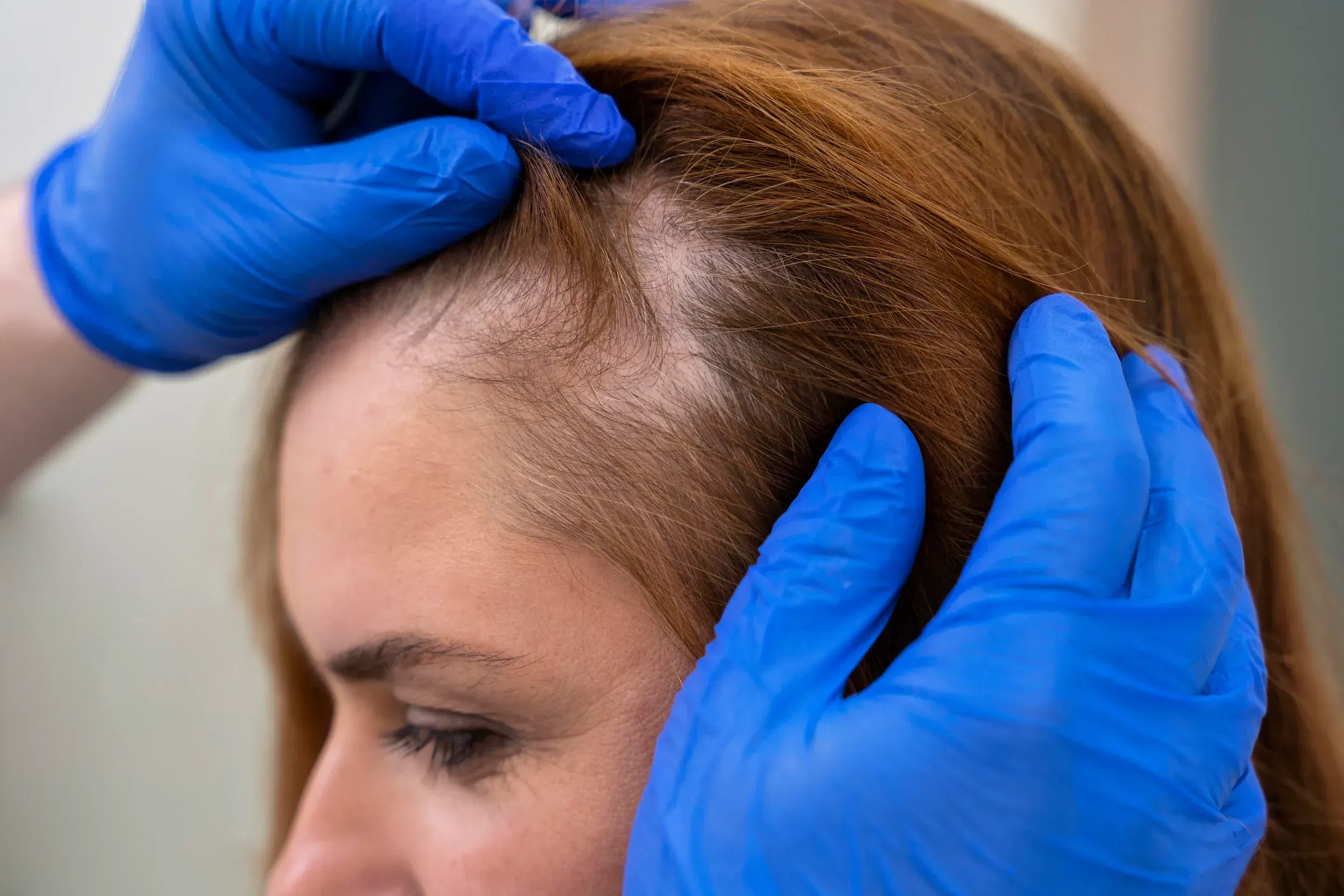
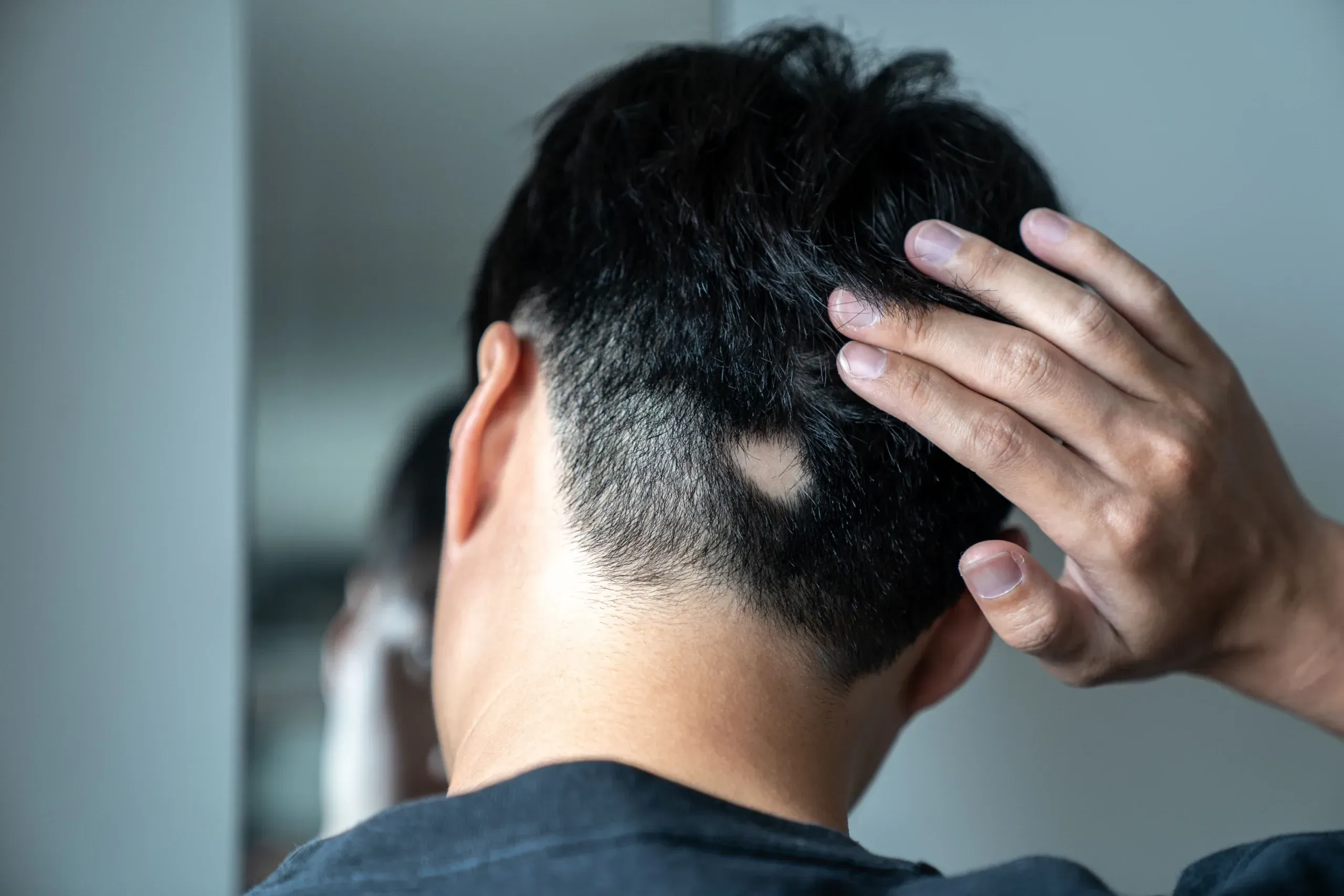
- A single, smooth, round or oval patch of hair loss
- Usually on the scalp but can appear on any hair-bearing area
- Often the first manifestation of the disease
- Many cases resolve spontaneously within six to twelve months
- May progress to more extensive forms
Alopecia Areata Multilocularis
Multiple patches of hair loss:
- Two or more distinct patches on the scalp or body
- Patches may merge over time, creating larger areas of loss
- More likely to have a chronic course than single-patch disease
- May fluctuate with patches resolving and new ones appearing
Alopecia Totalis
Complete loss of all scalp hair:
- Represents progression from patchy alopecia areata
- Eyebrows and eyelashes may or may not be affected
- More resistant to treatment than patchy forms
- Significantly impacts appearance and self-image
Alopecia Universalis
Complete loss of all body hair:
- The most severe form of alopecia areata
- Includes scalp, eyebrows, eyelashes, beard, body hair, and even nasal hair
- Affects approximately 5% of alopecia areata patients
- Has been most responsive to newer JAK inhibitor treatments
Causes and Risk Factors
The Autoimmune Mechanism
The immune system attacks are centered on the hair follicle bulb:
- CD8+ T cells infiltrate the hair follicle, targeting the hair matrix (the actively dividing part of the follicle)
- The attack disrupts the normal hair growth cycle, forcing follicles into premature catagen and telogen phases
- Importantly, the follicle stem cells in the bulge region are spared, which is why regrowth remains possible
- The loss of "immune privilege" around the hair follicle is a central event. Normally, hair follicles suppress local immune surveillance. In alopecia areata, this protection fails
- Key signaling molecules include interferon-gamma and interleukin-15, which act through the JAK-STAT pathway
Genetic Factors
- First-degree relatives have a five to ten times higher risk
- Multiple genes contribute to susceptibility, particularly HLA genes and immune regulatory genes
- Having alopecia areata increases the risk for other autoimmune conditions
- The genetic architecture overlaps with vitiligo, type 1 diabetes, and thyroid disease
Environmental Triggers
In genetically susceptible individuals, environmental factors can initiate or worsen the disease:
- Emotional or physical stress
- Viral infections
- Vaccinations (rare association)
- Physical trauma to the scalp
- Hormonal changes
Risk Factors for Severe Disease
- Onset before puberty
- Family history of alopecia areata
- Extensive loss at first presentation
- Nail involvement
- Associated autoimmune conditions
- Ophiasis pattern (band-like loss at the periphery of the scalp)
Diagnosis
Alopecia areata is typically diagnosed clinically:
- Characteristic appearance: Smooth, round patches without scarring or scaling
- Exclamation point hairs: Short, broken hairs that taper at the base, found at the edges of active patches
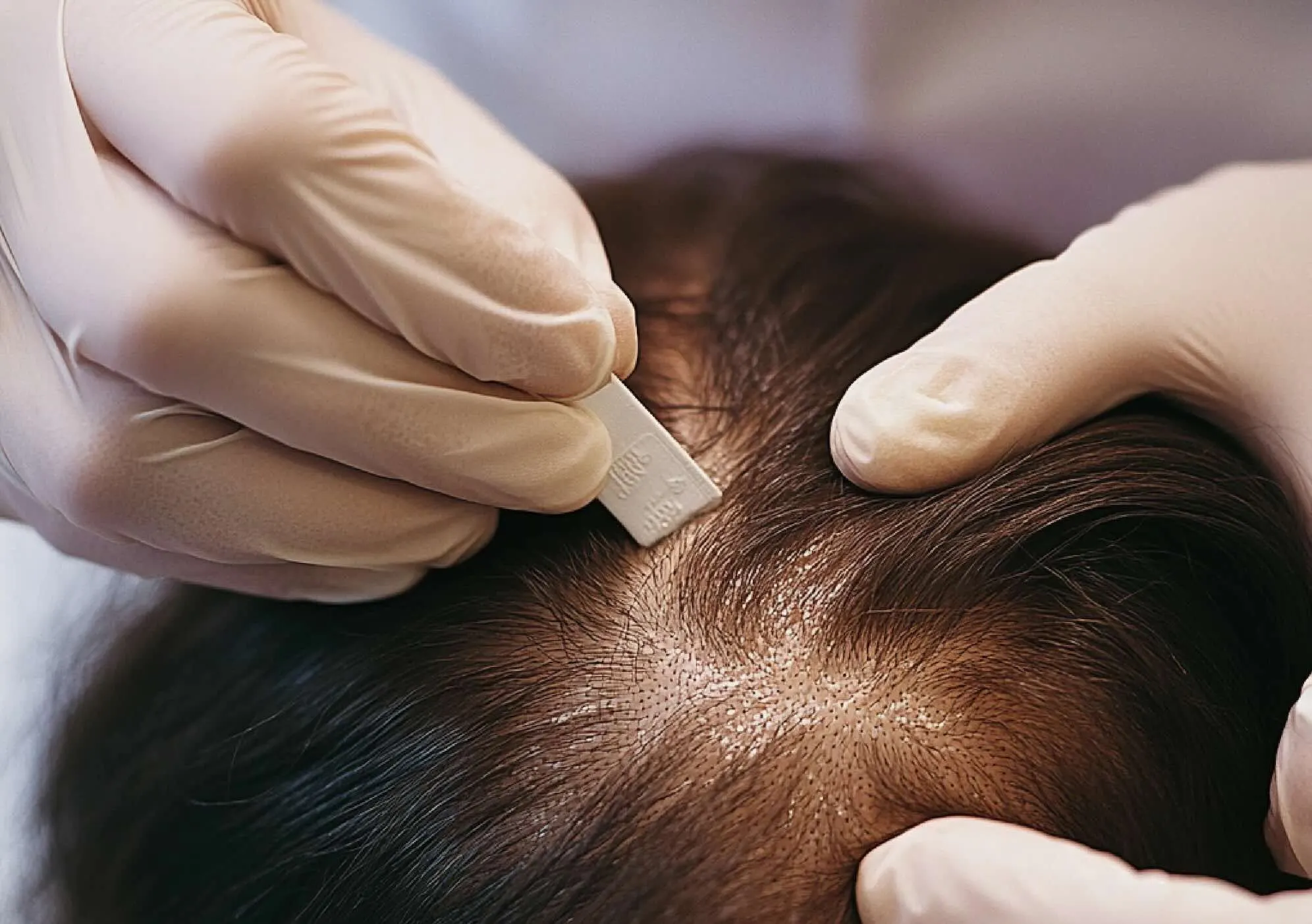
- Dermoscopy: Reveals yellow dots, black dots, broken hairs, and short vellus hairs characteristic of the condition
- Pull test: Positive at the margins of active patches
- Scalp biopsy: Shows a characteristic "swarm of bees" pattern of lymphocyte infiltration around hair follicle bulbs
- Blood work: To screen for associated autoimmune conditions (thyroid, celiac, vitiligo)
How to Stop Alopecia Areata from Spreading
While you cannot fully control the immune process, several strategies may help limit progression:
- Seek treatment early: Starting treatment when patches first appear gives the best chance of controlling the disease
- Reduce stress: Stress management may help modulate immune function
- Treat aggressively: More extensive disease often warrants more aggressive treatment approaches
- Monitor for new patches: Regular self-examination and dermatology follow-ups
- Optimize overall health: Good nutrition, adequate sleep, and exercise support immune regulation
- Avoid scalp trauma: Be gentle with affected areas
Advanced Treatments
Topical Medications
- High-potency corticosteroids: Clobetasol propionate applied to affected areas can suppress local immune activity
- Minoxidil 5%: Used as an adjunct to stimulate regrowth in conjunction with anti-inflammatory treatments
- Anthralin: A topical irritant that may modulate the local immune response
- Calcineurin inhibitors: Tacrolimus and pimecrolimus, which suppress T-cell activation
Oral Medications
- Corticosteroids: Short courses of oral prednisone can halt rapidly progressing disease, but long-term use is limited by side effects
- Methotrexate: An immunosuppressant used for more resistant cases
- Cyclosporine: A potent immunosuppressant with significant side effect potential
JAK Inhibitors
The most significant treatment breakthrough for alopecia areata:
- Baricitinib (Olumiant): FDA-approved for severe alopecia areata. Targets JAK1 and JAK2
- Ritlecitinib (Litfulo): FDA-approved for alopecia areata in patients 12+. Targets JAK3 and TEC kinases
- Tofacitinib: Used off-label with significant supporting evidence
- These medications block the JAK-STAT signaling pathway that drives the immune attack on follicles
- Clinical trials show 30-40% of patients achieving significant regrowth
- Can produce dramatic results even in long-standing, severe cases
- Require ongoing monitoring for side effects (infections, blood count changes, lipid elevations)
Intralesional Injections
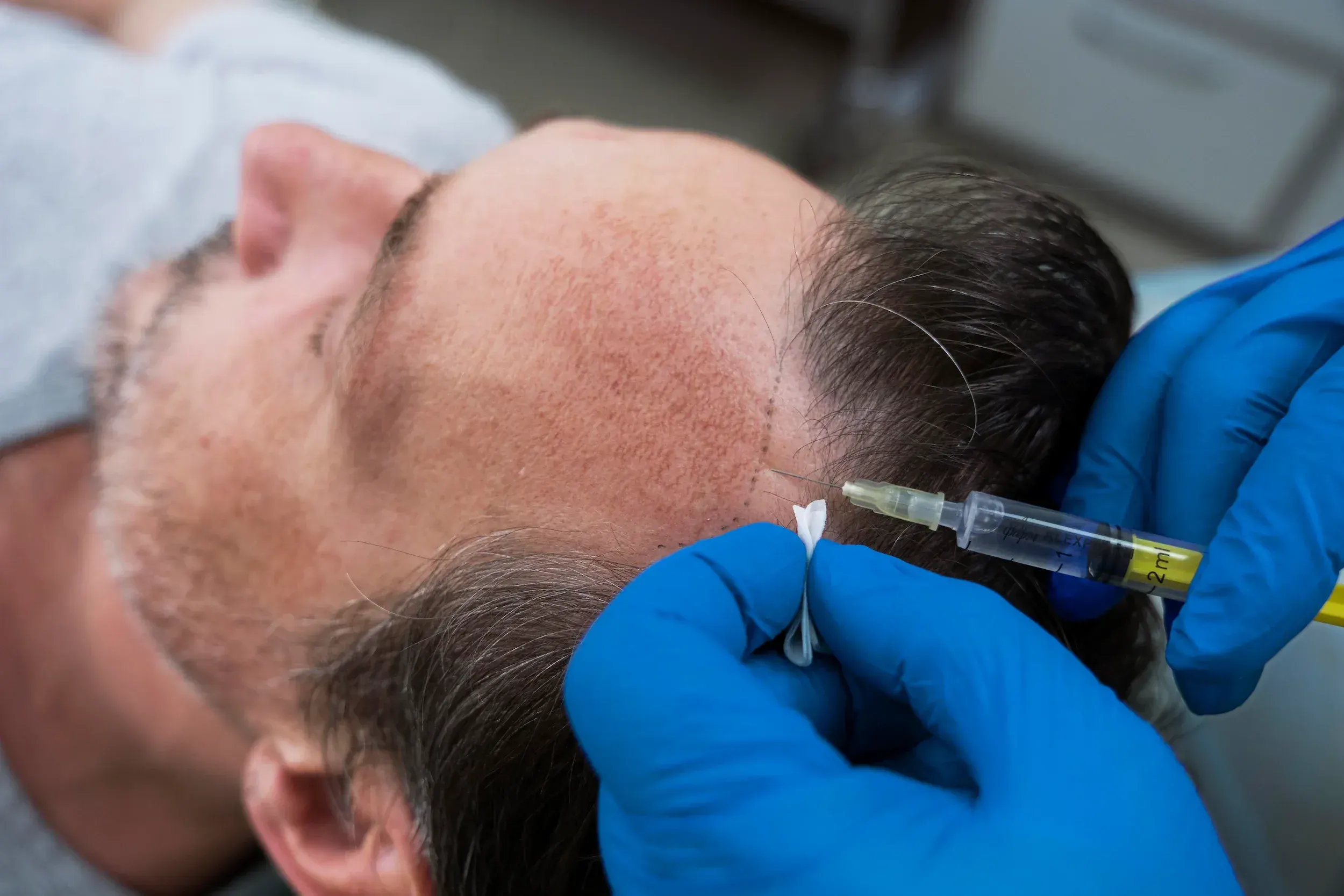
- Triamcinolone acetonide injected directly into affected patches
- The most effective treatment for limited patchy disease
- Typically performed every four to six weeks
- Delivers high concentrations of corticosteroid directly to the affected follicles
- Not practical for extensive disease
PRP Therapy
Platelet-rich plasma shows promise for alopecia areata:
- Growth factors in PRP may modulate the local immune environment
- Anti-inflammatory properties may help reduce the immune attack
- Several studies show improved regrowth compared to placebo
- Can be combined with other treatments for enhanced effect
- Safe with minimal side effects
Laser Therapy
Low-level laser therapy may offer supportive benefits:
- Anti-inflammatory effects may help calm immune-mediated inflammation
- Promotes cellular energy production in recovering follicles
- Can be used as an adjunct to primary immunomodulatory treatments
- The Revian Red cap at DSI Hair provides convenient at-home treatment
ARTAS Robotic Hair Transplant
For patients with stable, long-standing alopecia areata:
- May be considered when disease has been stable (no new patches) for two or more years
- Transplanted follicles may or may not be affected by future autoimmune attacks
- Best suited for patients with localized, chronic patches that have not responded to treatment
- Should be combined with ongoing immunomodulatory therapy
- Requires careful patient selection and counseling about risks
Prognosis
The outlook for alopecia areata varies considerably:
- Patchy disease: About 50% of patients will regrow hair within one year without treatment. With treatment, rates are higher
- Extensive disease (totalis/universalis): Spontaneous remission is less common. However, JAK inhibitors have dramatically improved outcomes
- Chronic relapsing course: Many patients experience cycles of loss and regrowth over years
- Factors favoring good prognosis: Limited patches, adult onset, short duration, no nail involvement, no family history
- Factors favoring poorer prognosis: Childhood onset, extensive loss, ophiasis pattern, nail involvement, associated autoimmune diseases
How Long Does Alopecia Areata Last?
This is one of the most difficult questions to answer because the course is highly variable:
- Single patches often resolve within six to twelve months, even without treatment
- Some patients experience one episode and never have a recurrence
- Others have chronic, relapsing disease that persists for years or decades
- With modern treatments, particularly JAK inhibitors, many patients can maintain good regrowth as long as they continue therapy
- Disease activity may fluctuate with stress, illness, and other triggers
Psychological Impact
The emotional toll of alopecia areata should not be underestimated:
- Studies show significantly elevated rates of anxiety, depression, and social phobia
- Children and adolescents are particularly vulnerable to bullying and social isolation
- The unpredictable nature of the disease adds to psychological stress
- Body image and self-esteem are commonly affected
- Quality of life scores are comparable to other chronic skin diseases
Addressing the psychological impact is an essential part of comprehensive care:
- Professional counseling or therapy
- Support groups (National Alopecia Areata Foundation)
- Open communication with family, friends, and colleagues
- Peer support from others with the condition
- Cosmetic solutions (wigs, microblading, scalp micropigmentation) while pursuing treatment
Why Choose DSI Hair
DSI Hair offers several advantages for alopecia areata patients:
- Expert dermatology team: Board-certified dermatologists experienced in autoimmune hair loss
- Comprehensive diagnostics: Thorough evaluation including blood work, dermoscopy, and when needed, biopsy
- Access to advanced treatments: Including JAK inhibitor consultation, PRP therapy, and LLLT
- ARTAS robotic transplantation: For appropriate candidates with stable disease
- Personalized treatment plans: Every patient receives a customized approach based on their disease type, severity, and goals
- Emotional support: We understand the psychological impact and approach every patient with empathy and respect
- Long-term partnership: Alopecia areata requires ongoing management, and we are committed to supporting you through every phase
Frequently Asked Questions
Is alopecia areata curable? There is currently no cure, but the disease can be effectively managed with treatment. Many patients achieve and maintain excellent regrowth with modern therapies.
Can stress cause alopecia areata? Stress does not cause alopecia areata directly, but it can trigger episodes in genetically susceptible individuals or worsen existing disease.
Is alopecia areata hereditary? There is a genetic component. Having a first-degree relative with the condition increases your risk by five to ten times.
Can children get alopecia areata? Yes. Alopecia areata commonly first appears in childhood. Pediatric-appropriate treatments are available.
Will my hair grow back? In many cases, yes. The follicles are not destroyed, so regrowth is always possible. Modern treatments, especially JAK inhibitors, have significantly improved the likelihood of regrowth.
Conclusion
Alopecia areata is a challenging condition, but the treatment landscape has never been more promising. The approval of JAK inhibitors has transformed outcomes for patients with severe disease, and a comprehensive approach combining immunomodulatory therapy with supportive treatments like PRP and LLLT offers the best chance for sustained regrowth.
At DSI Hair, we are dedicated to providing expert, compassionate care for alopecia areata patients at every stage of their journey. From initial diagnosis through long-term management, our team is here to help you restore not just your hair, but your confidence.
Schedule your consultation today and discover how the latest advances in alopecia areata treatment can work for you.