3 Month Hair Transplant Month by Month | Results Timeline
A detailed month-by-month timeline of hair transplant recovery, from the first week through 18 months. Know exactly what to expect at each stage of the process.
Hair Transplant Recovery: A Complete Timeline
Understanding the hair transplant recovery timeline helps you set realistic expectations and stay patient through the process. Results do not happen overnight — the journey from surgery to final results spans 12 to 18 months. Here is what to expect at every stage.
Week 1: The First Seven Days
The first week is the most hands-on phase of recovery.
Day 1:
- Mild soreness and tightness in the scalp
- Bandage over the donor area (removed within 24 hours at most clinics)
- Prescribed pain medication and antibiotics
- Sleep in an elevated position to minimize swelling
Days 2–3:
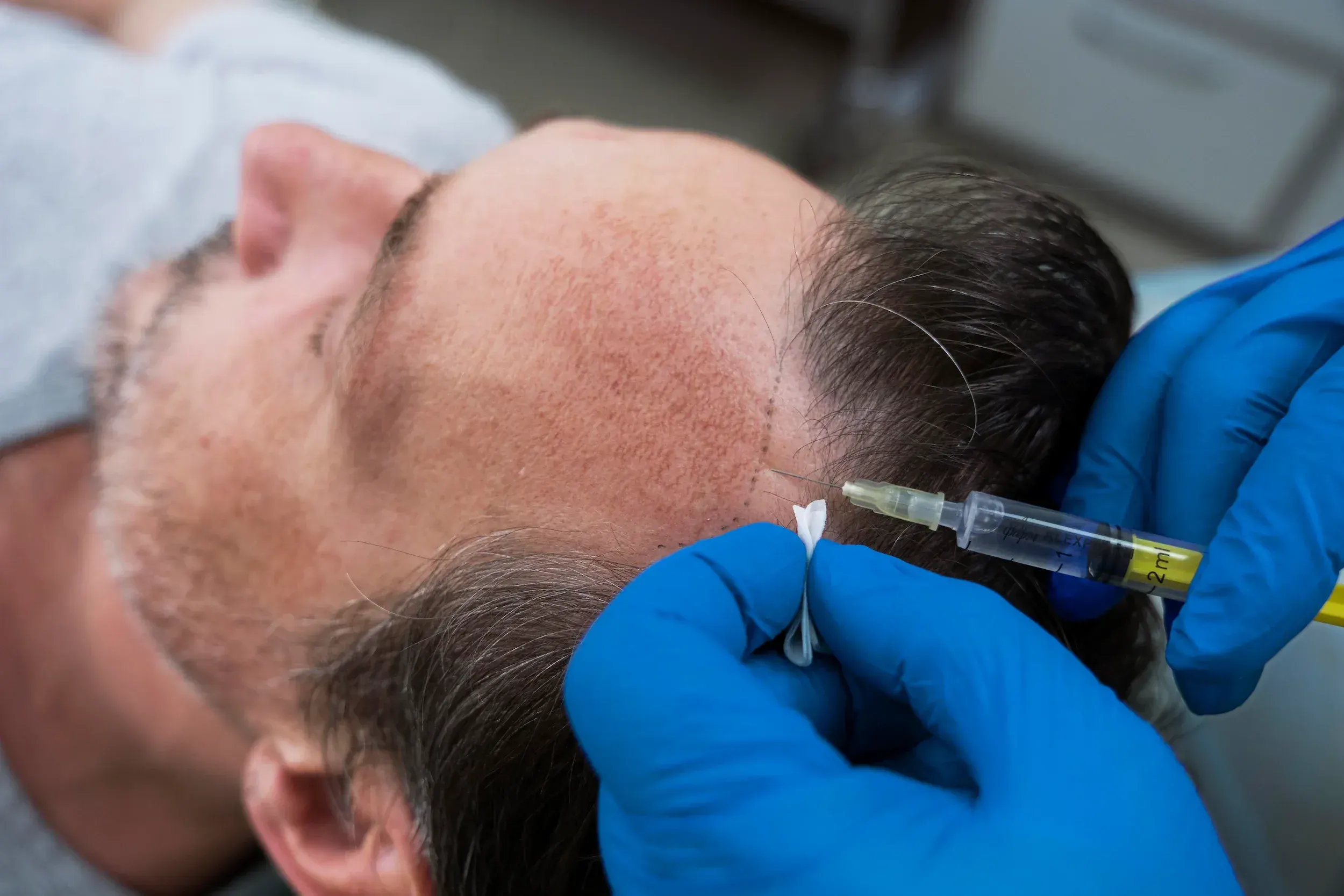
- Swelling may develop around the forehead and eyes — this is normal and temporary
- Begin gentle washing per your surgeon's instructions
- Small scabs form around each transplanted graft
- Avoid touching, scratching, or picking at the recipient area
Days 4–7:
- Swelling subsides
- Scabs begin to loosen and fall off naturally during gentle washing
- Donor area tenderness decreases
- Most patients feel comfortable returning to desk work
- Avoid strenuous exercise, heavy lifting, and direct sun exposure
Weeks 2–3: Shedding Begins
This is the phase that catches many patients off guard. The transplanted hairs begin to shed — and this is completely normal.
- Shock loss — The transplanted hairs fall out as the follicles enter a resting phase after the trauma of being moved
- This does NOT mean the grafts have failed — the follicles are alive beneath the surface and will reactivate
- Some patients also experience temporary shedding of native hair near the transplanted area (this also recovers)
- Scabs should be fully gone by the end of week 3
- The scalp may appear similar to or even thinner than before surgery — this is temporary
Weeks 4–6: The Quiet Period
This is often called the "ugly duckling" phase. The transplanted hairs have shed, new growth has not yet begun, and the scalp may look like nothing happened.
- Patience is critical during this period
- The follicles are in a resting (telogen) phase beneath the skin
- The scalp continues to heal and mature
- Redness in the recipient area fades
- You can resume most normal activities, including moderate exercise
- Continue any prescribed medications (finasteride, minoxidil) as directed
Month 3: Early Growth Appears
Month three is when most patients see the first signs of new growth.
- Fine, thin hairs begin to emerge from the transplanted follicles
- Hair may appear wispy, curly, or lighter in color initially — this is normal
- Growth is uneven — some areas start before others
- The new hairs will thicken and straighten over the coming months
- This is an encouraging milestone, but the results are still early
Months 4–5: Noticeable Improvement
By months four and five, the progress becomes more visible:
- More follicles are actively producing hair
- Hairs begin to thicken and darken
- Early density improvement becomes noticeable, especially in the hairline
- Growth continues to be uneven — this is normal
- Patients often start to feel more confident about the direction of their results
Month 6: Meaningful Change
The six-month mark is a significant milestone:
- Approximately 50–60% of transplanted hairs are now growing
- Hair texture and thickness are improving
- The hairline and recipient areas show clear improvement compared to pre-surgery
- Styling becomes easier as new hair blends with existing hair
- Most patients can see a meaningful difference in photos compared to month one
Months 9–12: Maturation
This is when results really come together:
- 80–90% of transplanted hairs are now growing
- Hair continues to thicken and mature
- Density improves noticeably month over month
- The overall result begins to look natural and full
- Patients often report that this is when friends and family start commenting on the improvement
Months 12–18: Final Results
The final phase of maturation:
- Remaining follicles complete their growth cycle
- Hair reaches full thickness and length
- Density is at its maximum
- The final result is fully visible by 12–18 months, depending on the individual
- Some patients continue to see subtle improvements even beyond 18 months
Illinois-Specific Tips for Recovery
If you are recovering from a hair transplant in Illinois, keep these local considerations in mind:
- Winter procedures — Cold, dry air can irritate the scalp during early recovery. Use a loose-fitting hat and a humidifier indoors
- Summer procedures — Protect the scalp from sun exposure for at least 4–6 weeks. The Illinois summer sun can cause hyperpigmentation in healing skin
- Seasonal allergies — Illinois allergy seasons can cause sneezing and nose-blowing, which can increase swelling in the first week. Discuss antihistamines with your surgeon
- Follow-up access — Choose a clinic where follow-up appointments are convenient, especially in the first month when monitoring is most important
Staying on Track
The most important things you can do during recovery:
- Follow your surgeon's post-operative instructions carefully
- Take prescribed medications consistently
- Be patient during the shedding and quiet phases
- Attend all follow-up appointments
- Take monthly progress photos from the same angles in the same lighting
- Stay in communication with your surgical team if you have concerns
Remember — the final result is worth the wait. Every successful hair transplant patient goes through the same stages, and the transformation from month one to month twelve is remarkable.