Hair Transplant Recovery Timeline
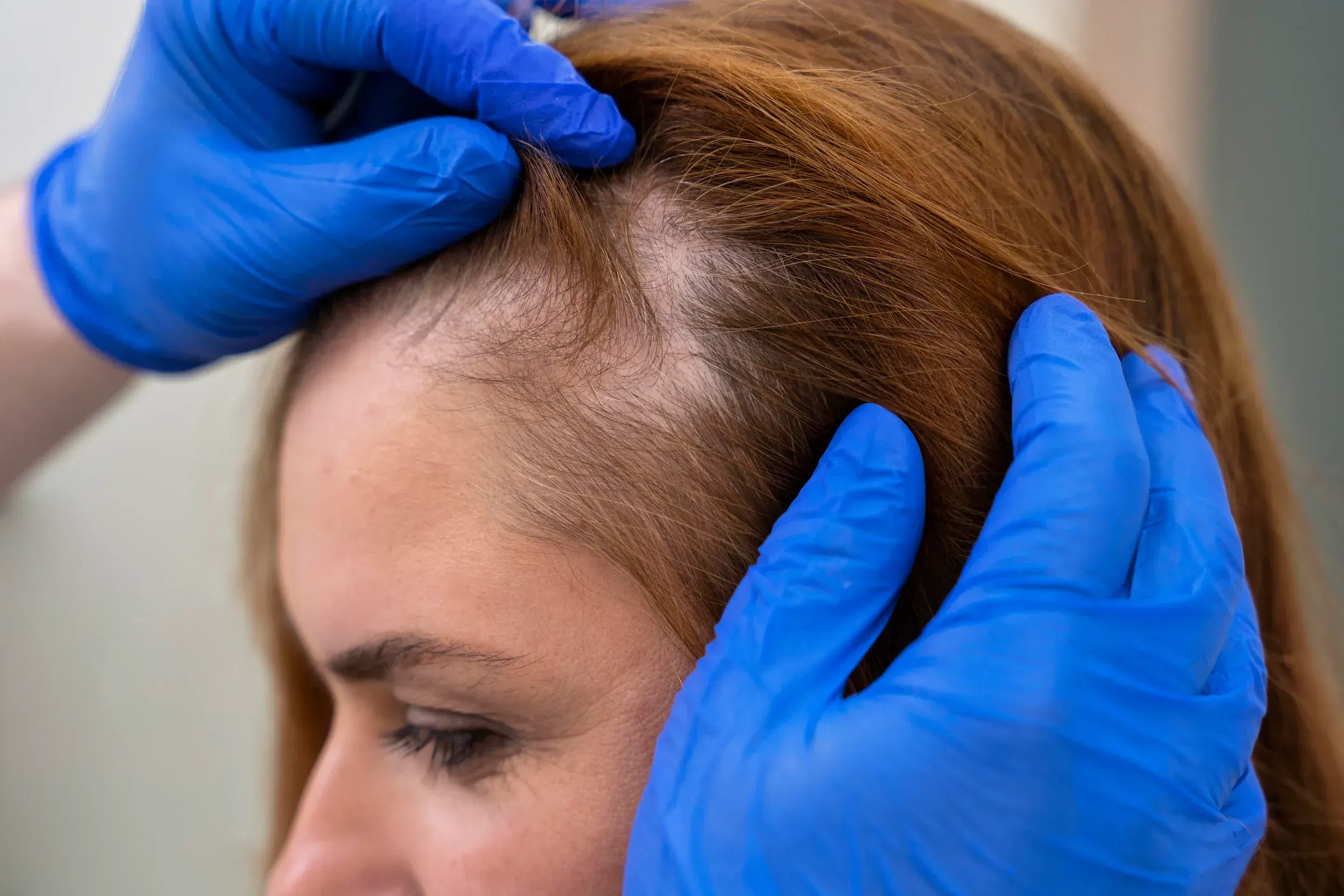
Hair loss can be a challenging experience, affecting self-esteem and confidence. For many, hair transplant surgery offers a path to restore their hairline.
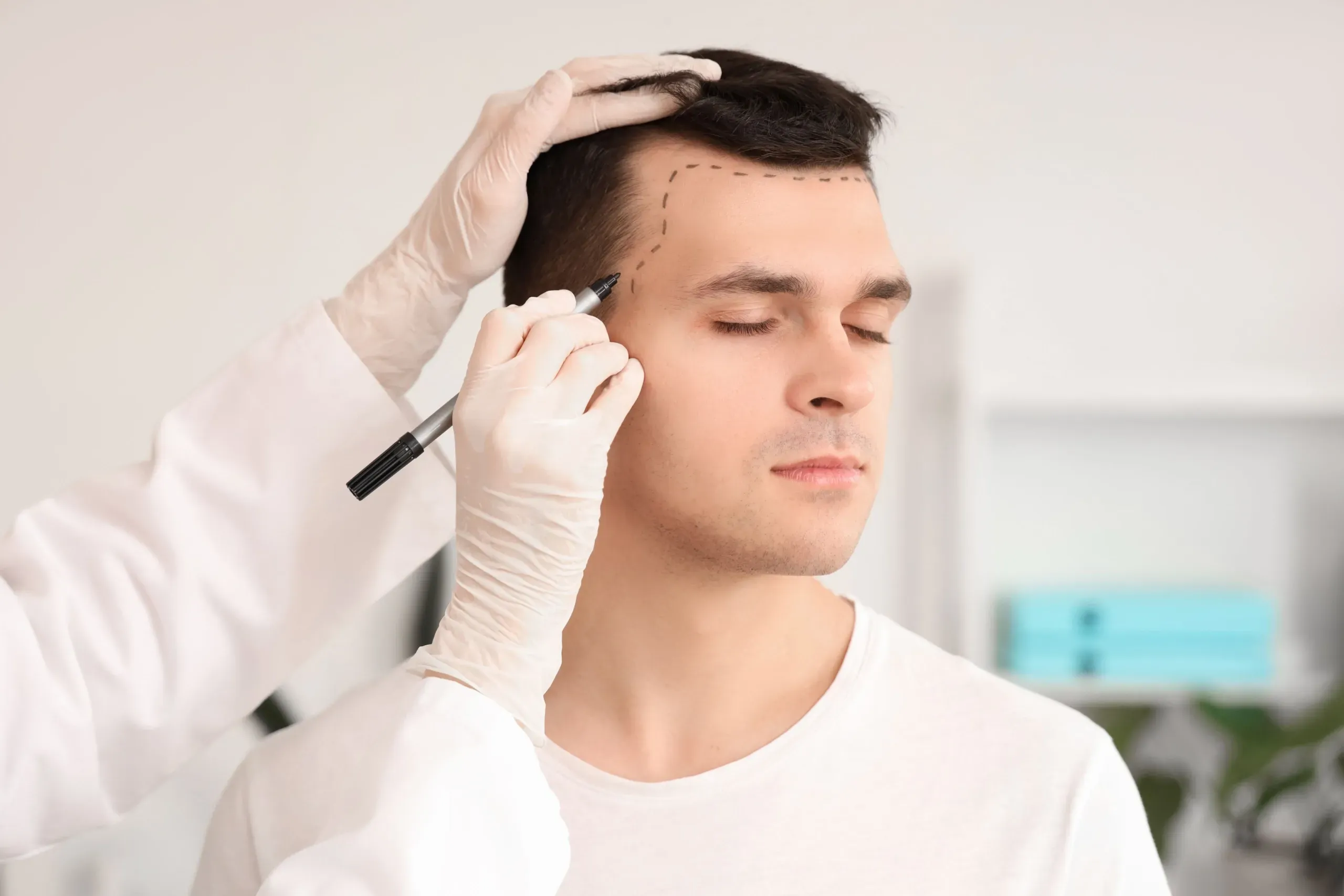
Hair loss can be a challenging experience, affecting self-esteem and confidence. For many, hair transplant surgery offers a path to restore their hairline and combat baldness. If you're considering this option, understanding the hair transplant recovery timeline is crucial. In this article, we'll walk you through what to expect after a hair transplant procedure, with a special focus on the advanced ARTAS robotic hair transplant system.
Understanding Hair Transplant Procedures
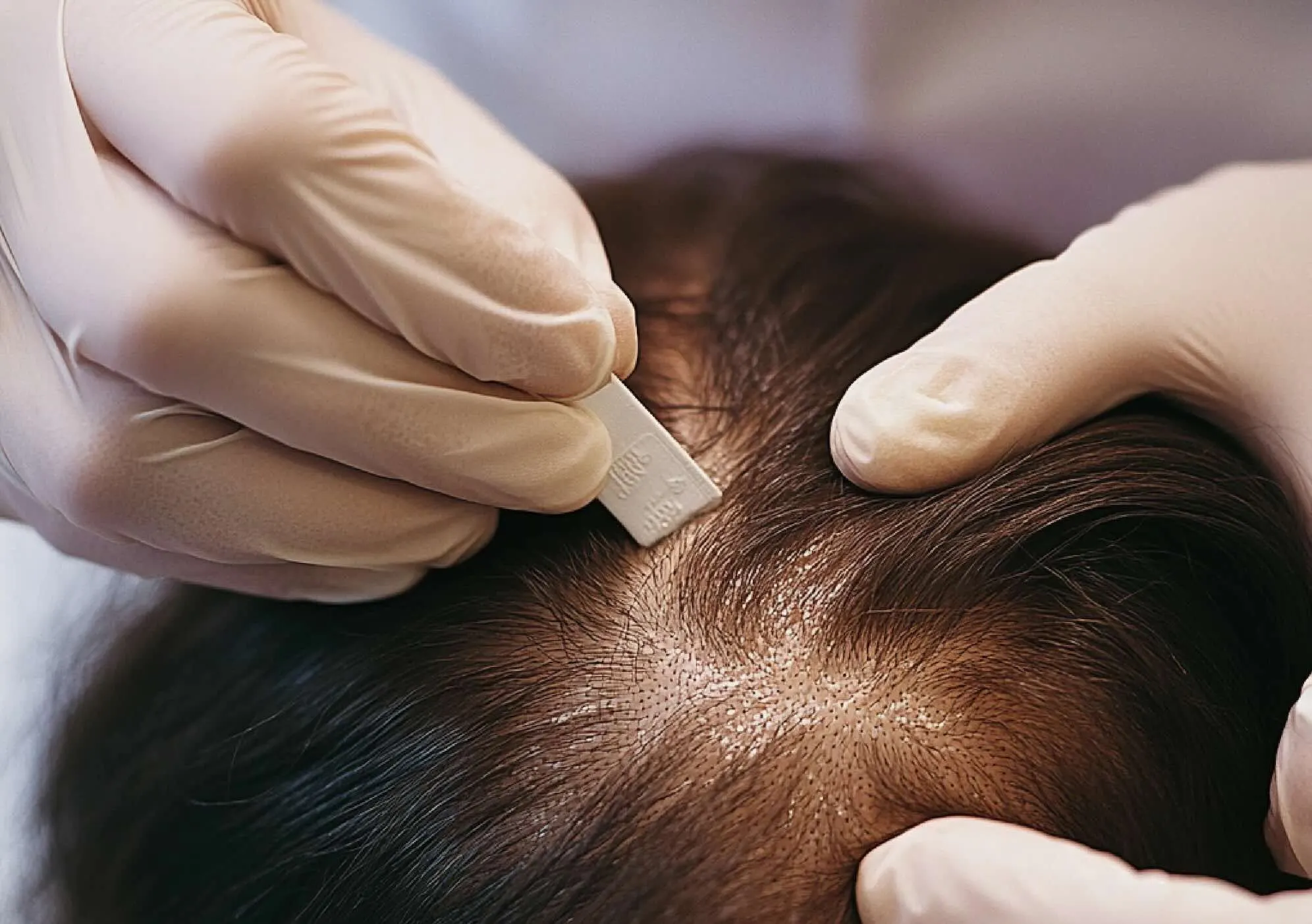
Before diving into the recovery timeline, it's essential to understand the different types of hair transplant procedures. Traditional methods include Follicular Unit Transplantation (FUT) and Follicular Unit Extraction (FUE). FUT involves removing a strip of skin from the donor area, while FUE extracts individual follicular units directly from the scalp.
The ARTAS system, however, takes FUE to the next level. This robotic hair transplant technology uses artificial intelligence to select and harvest the best hair follicles with precision. This approach minimizes damage to the donor site, reduces recovery time, and provides natural-looking results.
Immediate Post-Procedure (Days 1-3)
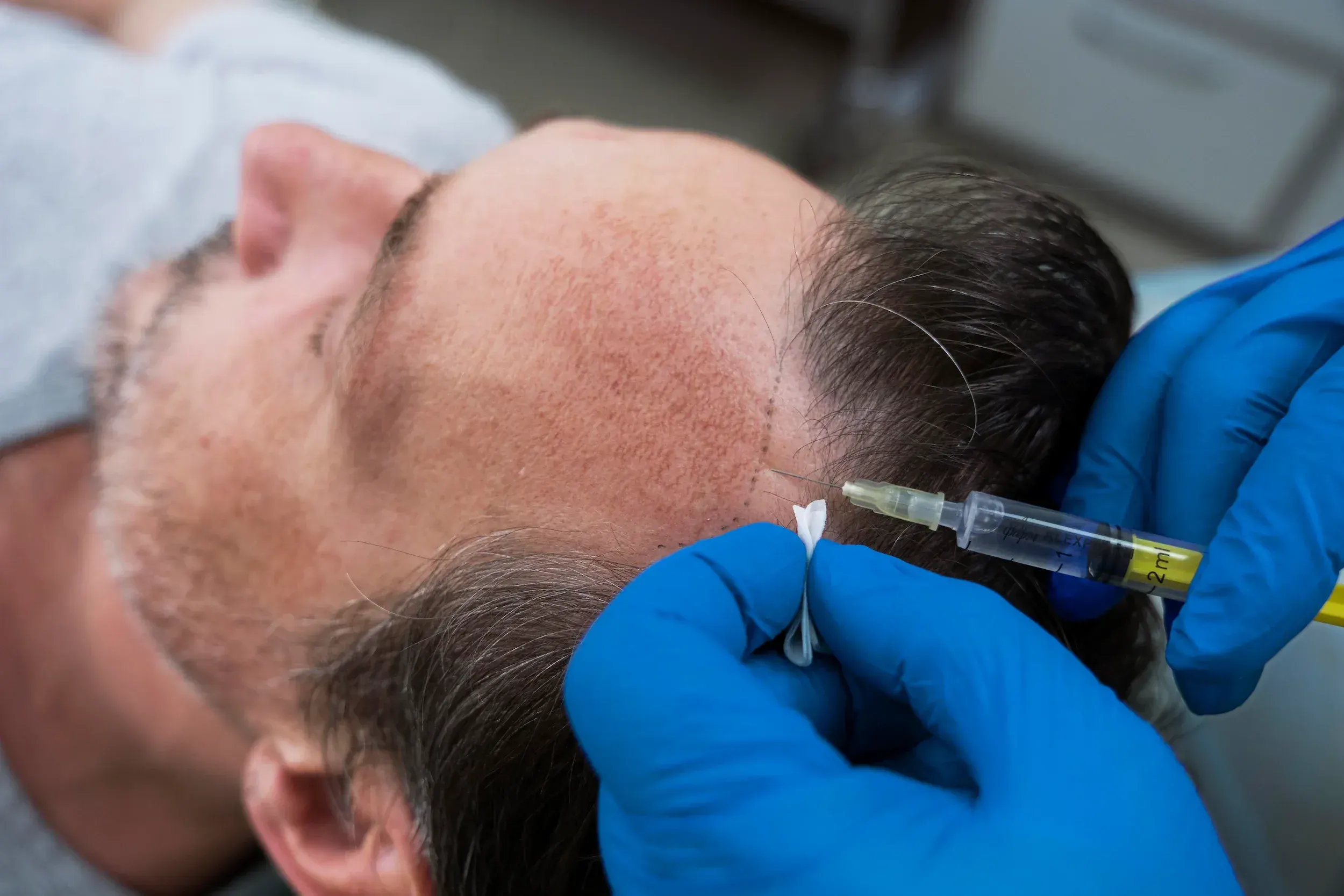
The first few days after your hair transplant procedure are crucial for setting the stage for successful recovery. Here's what to expect:
- Mild discomfort and swelling in the donor and recipient areas
- Small scabs around the transplanted hair follicles
- Instructions to sleep with your head elevated
- Medication to manage pain and reduce the risk of infection
With ARTAS, patients often report less discomfort compared to traditional methods. The precision of the robotic system means smaller incisions and less trauma to the scalp, potentially speeding up the initial recovery process.
The First Week (Days 4-7)
As you move into the first week post-surgery, you'll notice several changes:
- Scabs may become more noticeable but will start to fall off naturally
- Swelling may move down to the forehead and around the eyes, but this is temporary
- You may be advised to gently wash your scalp, following specific aftercare instructions
- Avoid strenuous activities and direct sunlight on the transplanted area
Weeks 2-4: The Shedding Phase
Don't be alarmed if you notice your transplanted hair falling out during this period. This is a normal part of the hair growth cycle called "shock loss." Key points to remember:
- Shedding of transplanted hair is expected and temporary
- The hair follicles remain in place and will regrow
- Continue following aftercare instructions to support healing
- You may be able to return to light exercises, but consult your surgeon first
Months 1-3: The Dormant Phase
During this period, patience is key. Your scalp is healing, and the transplanted follicles are preparing for new growth.
- Little visible hair growth occurs during this time
- The donor area will have healed significantly
- You can usually return to normal hair care routines
- Some surgeons may recommend starting minoxidil to support growth
Months 4-6: Early Growth Phase
Excitement builds as you enter the early growth phase:
- New hair growth begins, often starting as fine, thin hairs
- The hair growth cycle kicks into gear
- Hair density slowly increases
- You may have a follow-up appointment to check progress
Months 7-12: Continued Growth and Maturation
As you approach the one-year mark, you'll see significant improvements:
- Hair continues to grow and thicken
- The transplanted area begins to blend with surrounding hair
- You can style your hair more freely
- Final results start to become visible
Beyond the First Year
While most patients see their final results within 12-18 months, improvements can continue:
- Hair may continue to thicken and mature
- Long-term care involves maintaining overall hair health
- Some patients opt for additional procedures to increase density
Tips for Optimal Recovery
To ensure the best possible outcome from your hair transplant surgery:
- Follow all aftercare instructions meticulously
- Avoid smoking and limit alcohol consumption
- Eat a balanced diet rich in proteins and vitamins
- Stay hydrated
- Protect your scalp from sun exposure
- Be patient and maintain realistic expectations
- Attend all follow-up appointments