Understanding Hair Transplant Costs: Insights from Dr. Vic Khanna
Dr. Vic Khanna breaks down hair transplant costs, from graft pricing to financing options. Learn what makes ARTAS robotic transplants worth the investment at DSI Hair.
Introduction
One of the most common questions I receive from patients considering hair restoration is about cost. Hair transplant pricing can seem confusing, with wide ranges quoted online and little transparency about what you are actually paying for. As a hair restoration specialist at DSI Hair, I want to demystify hair transplant costs and help you understand the value of investing in a quality procedure.
In this guide, I break down the factors that determine hair transplant pricing, explain why the ARTAS robotic system offers exceptional value, and discuss financing options that make this life-changing procedure accessible.
What Is ARTAS Robotic Hair Transplant?
The ARTAS system represents the pinnacle of hair transplant technology. It is an FDA-cleared robotic system that performs follicular unit extraction (FUE) with unmatched precision.
How ARTAS Works
- AI-powered selection: The ARTAS robot uses artificial intelligence and advanced imaging to identify and select the optimal follicular units for harvesting
- Robotic precision: A robotic arm performs the extraction with consistent accuracy that no human hand can match across thousands of grafts
- Digital mapping: The system creates a three-dimensional model of your scalp to plan optimal graft placement
- Minimally invasive: Individual follicular units are extracted through tiny punctures (less than 1mm) with no linear scar
ARTAS vs Traditional FUE
While manual FUE relies entirely on the surgeon's skill and endurance:
- ARTAS maintains consistent precision throughout the entire procedure, even after thousands of extractions
- Transection rates (damage to follicles during extraction) are lower with robotic guidance
- The procedure is faster, reducing time under local anesthesia
- Results are more consistent and natural-looking
- Recovery is faster with less trauma to the donor area
ARTAS vs FUT (Strip Method)
The older strip method (FUT) involves removing a strip of scalp from the back of the head:
- FUT leaves a permanent linear scar
- Recovery is longer and more uncomfortable
- There is a limit to how many procedures can be performed
- ARTAS leaves no linear scar, just tiny dot scars that are virtually invisible
- ARTAS patients can wear their hair short without concern about scar visibility
Cost Factors
Number of Grafts
The single biggest factor in hair transplant cost is the number of grafts needed:
- Each graft (follicular unit) contains one to four individual hairs
- The number of grafts required depends on the size of the area to be covered and the desired density
- Mild recession or temple work: 500-1,500 grafts
- Moderate crown or frontal thinning: 1,500-3,000 grafts
- Extensive coverage: 3,000-5,000+ grafts
- Some patients require multiple sessions for maximum coverage
Surgeon Expertise
The experience and reputation of your surgeon significantly affects pricing:
- Board-certified dermatologists and plastic surgeons with specialized hair restoration training command higher fees
- This premium is justified by superior results, lower complication rates, and better aesthetic outcomes
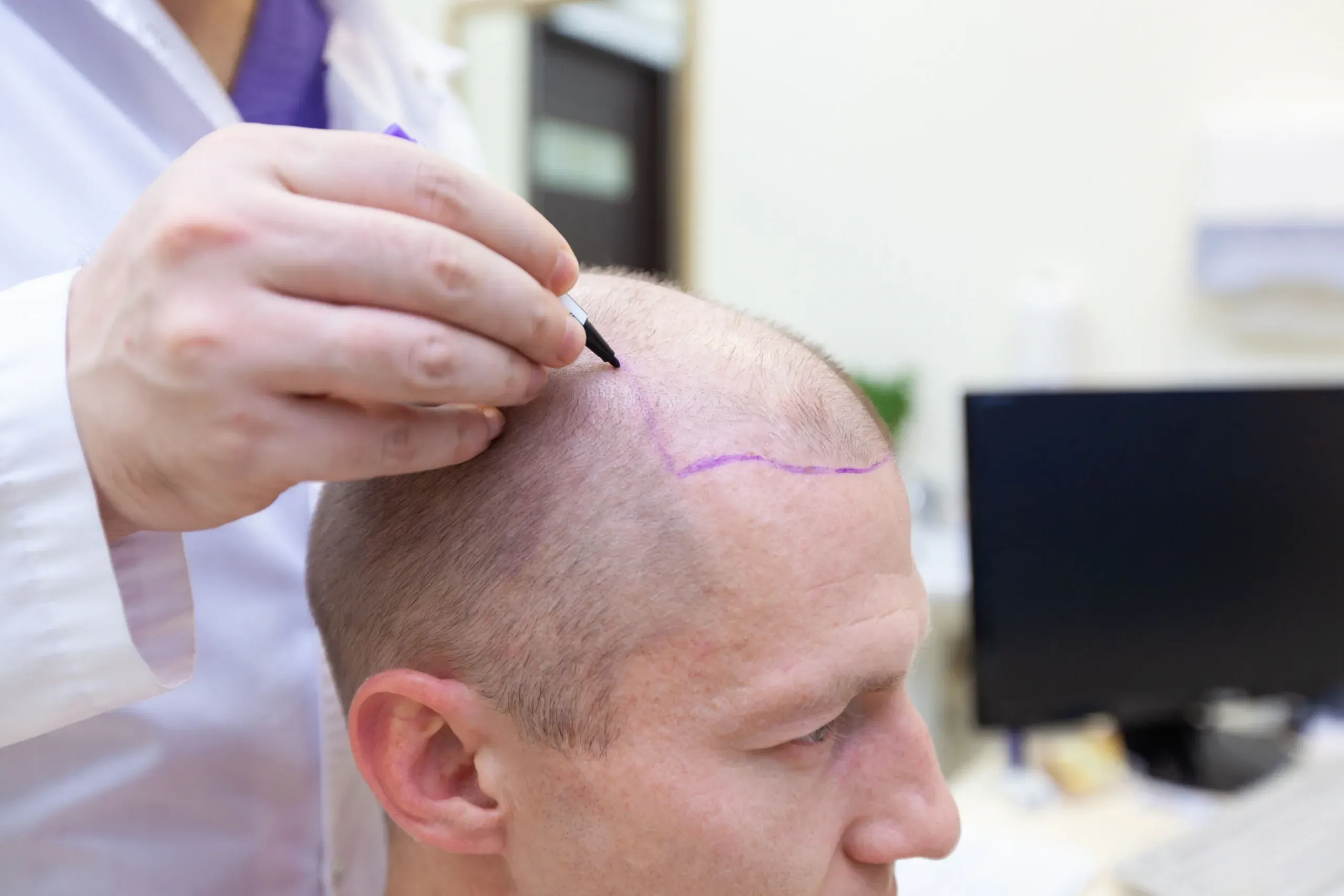
- An experienced surgeon knows how to design a natural-looking hairline that will age well
- The surgeon's artistic sense is as important as technical skill
- At DSI Hair, our team combines dermatologic expertise with ARTAS robotic precision
Geographic Location
Hair transplant costs vary by region:
- Major metropolitan areas typically have higher prices
- However, traveling for a bargain can be risky. The cheapest option is rarely the best
- Some patients travel internationally for lower costs, but this introduces risks related to follow-up care, regulatory standards, and recourse if complications arise
- In the greater Chicago and Illinois area, pricing reflects the high standard of medical care available
Facility and Technology
The quality of the facility and equipment matters:
- ARTAS robotic procedures require a significant investment in technology
- State-of-the-art facilities with proper sterilization and safety protocols add to overhead
- These factors directly impact your safety and results
- Cheaper clinics may cut corners on facility standards
Why ARTAS Is Worth the Investment
Patients sometimes compare ARTAS pricing to cheaper manual FUE options. Here is why the investment is justified:
Superior Precision
- AI-guided selection of optimal grafts means better quality follicular units are harvested
- Consistent extraction depth and angle reduces transection (damage to follicles)
- Higher graft survival rates translate to better density from fewer grafts
Natural Results
- The ARTAS system accounts for natural hair growth patterns and angles
- Digital planning allows visualization of results before the procedure
- Precise placement creates a hairline that looks natural, not "pluggy"
Faster Recovery
- Smaller extraction sites heal faster with less scarring
- Most patients return to normal activities within a few days
- No sutures or staples required
- Less post-operative discomfort
Long-Term Value
- Transplanted hair grows permanently in its new location
- The results last a lifetime
- When compared to decades of spending on medications, topical treatments, and concealers, a transplant often provides better value
- The confidence and quality of life improvement is difficult to put a price on
Financing Options
Internal Financing at DSI Hair
We believe cost should not prevent anyone from achieving their hair restoration goals. DSI Hair offers:
- Flexible payment plans: Spread the cost over monthly installments
- Interest-free options: Select plans with zero interest for qualified patients
- Customizable terms: Work with our team to find a payment schedule that fits your budget
- Quick approval: Straightforward application process with fast decisions
Other Financing Options
- CareCredit: A healthcare-specific credit card with promotional financing periods
- Prosper Healthcare Lending: Offers fixed-rate loans for medical procedures
- Health Savings Accounts (HSA) and Flexible Spending Accounts (FSA): Hair transplants may qualify for HSA/FSA payment in certain circumstances
- Personal loans: Banks and credit unions offer personal loans that can be used for medical procedures
The Procedure and Aftercare
Before the Procedure
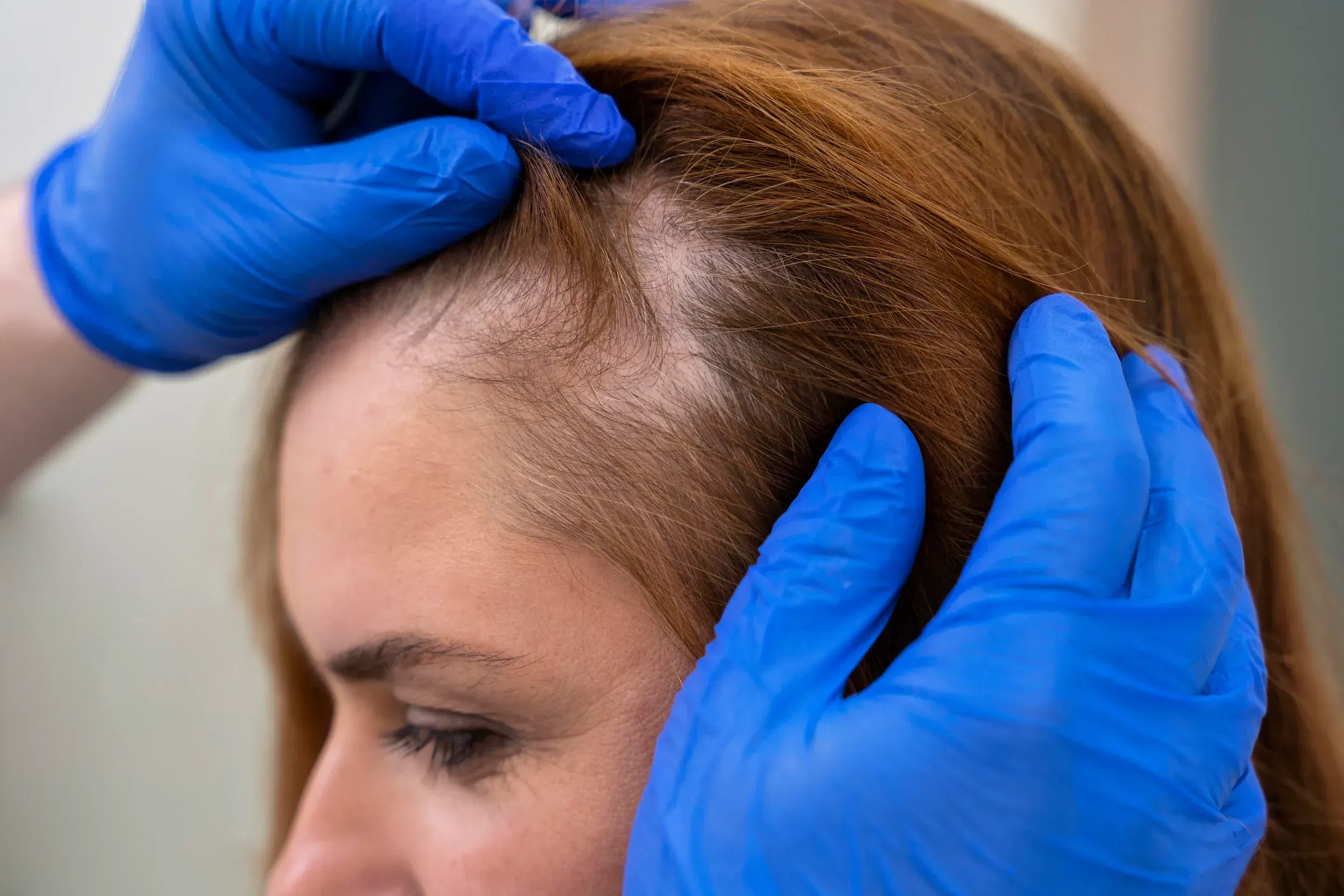
- Comprehensive consultation to evaluate your hair loss pattern and goals
- Discussion of graft count, expected results, and realistic expectations
- Pre-operative instructions including medication adjustments and avoiding blood thinners
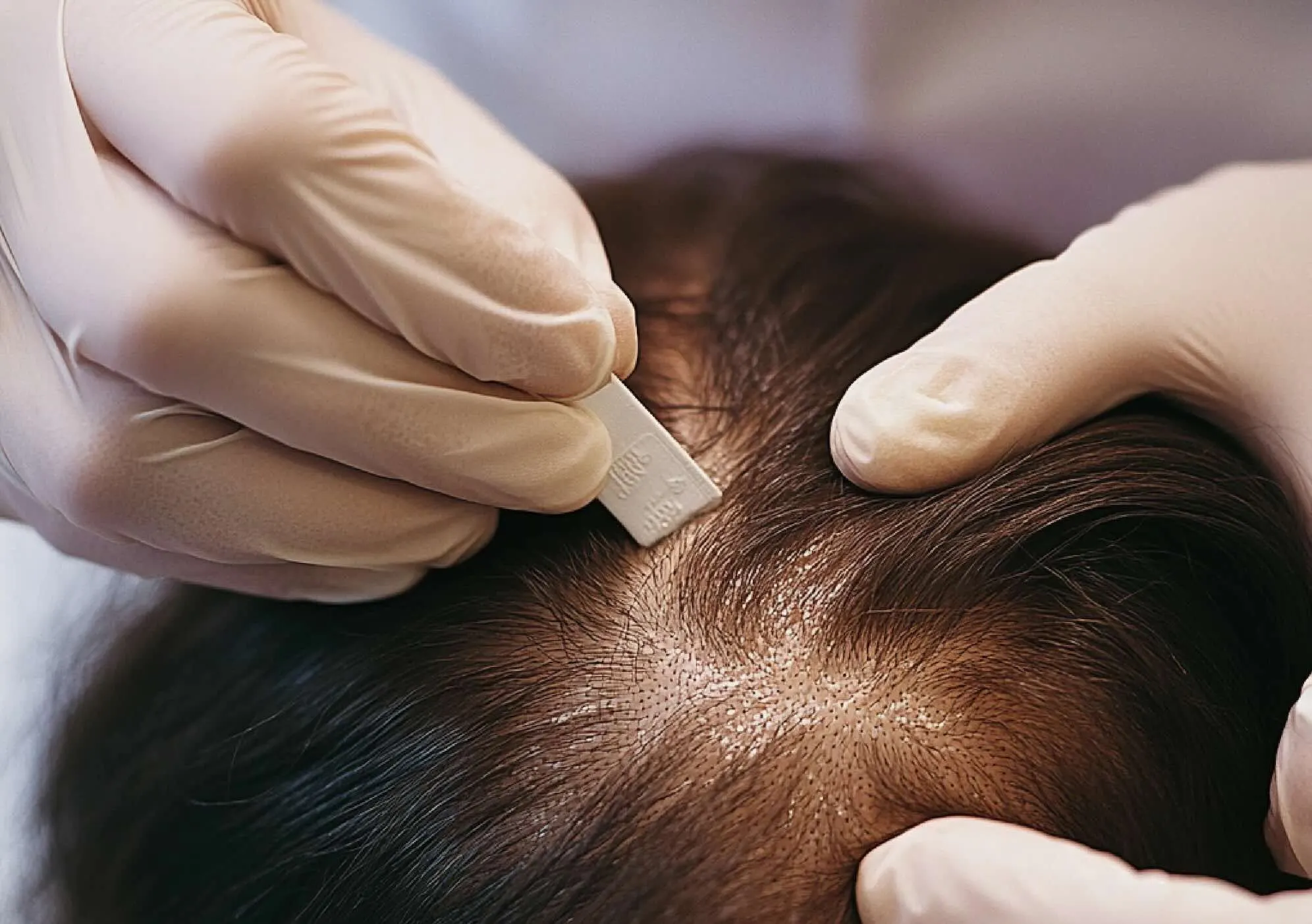
- Scalp preparation and photography for documentation
Day of the Procedure
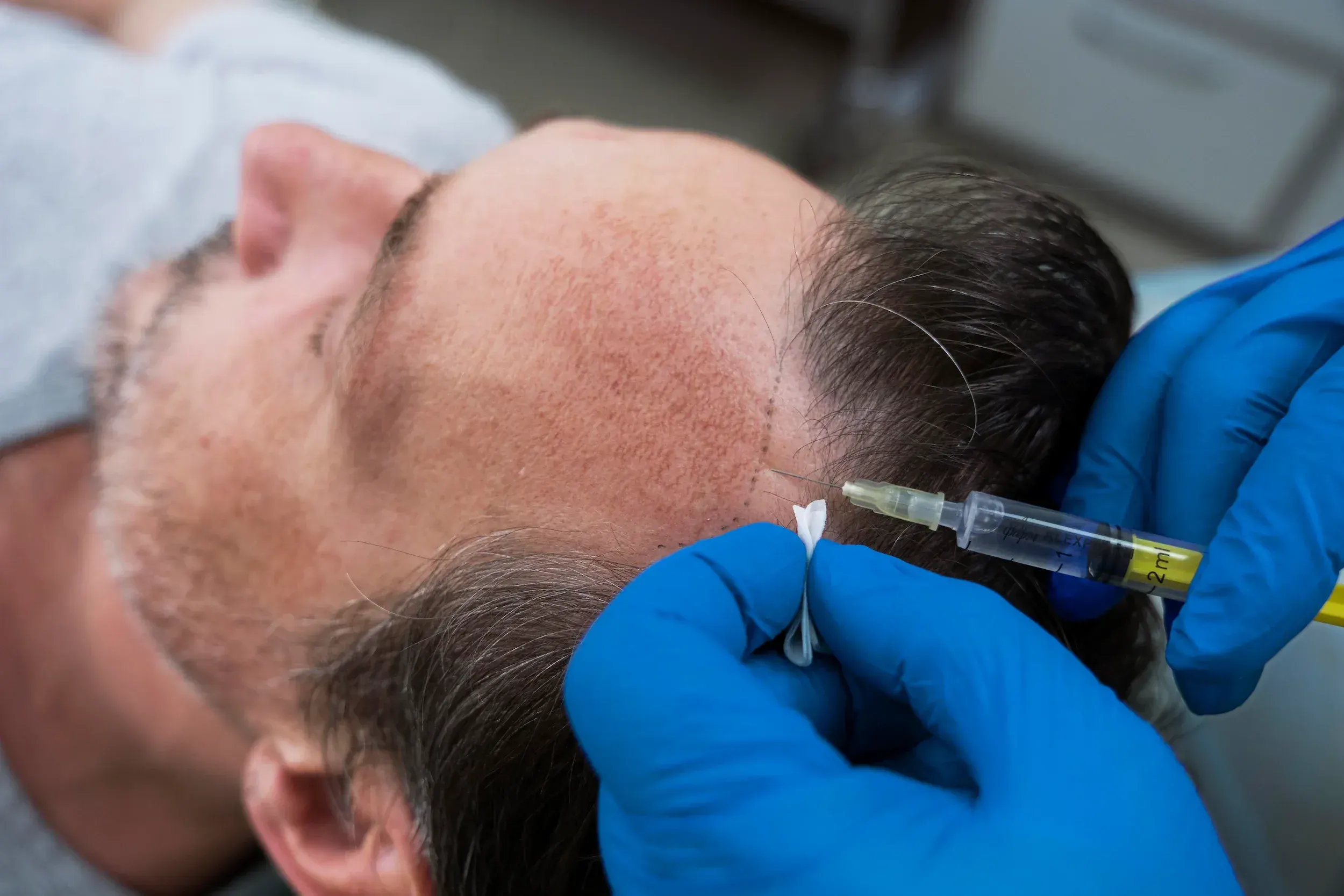
- Local anesthesia is administered (you are awake and comfortable throughout)
- The ARTAS robot harvests individual follicular units from the donor area
- Harvested grafts are prepared and quality-checked
- Recipient sites are created in the thinning or bald areas
- Grafts are carefully placed at natural angles and density
- Total procedure time: typically four to eight hours depending on graft count
Aftercare
- First 48 hours: Avoid touching the transplanted area. Sleep with your head elevated
- First week: Gentle washing begins per our instructions. Avoid strenuous exercise
- Weeks 2-4: The transplanted hairs will shed (this is normal and expected). The follicles remain alive beneath the surface
- Months 3-4: New hair begins growing from the transplanted follicles
- Months 6-9: Significant growth becomes visible
- Month 12: Full results are typically achieved
- Ongoing: Follow-up appointments to monitor progress and optimize complementary treatments
Calculating Your Cost
A rough framework for estimating hair transplant costs:
- Cost per graft: Typically ranges from $3 to $8, depending on the factors discussed above
- ARTAS robotic procedures: Generally at the higher end of this range, reflecting the advanced technology
- Example calculations:
- 1,000 grafts at $5/graft = $5,000
- 2,000 grafts at $6/graft = $12,000
- 3,000 grafts at $5/graft = $15,000
- 4,000 grafts at $5/graft = $20,000
These are illustrative ranges. Your actual cost will be determined during your personalized consultation at DSI Hair, based on your specific needs and goals.
What Is Included in the Price
At DSI Hair, your transplant cost typically includes:
- Pre-operative consultation and planning
- The procedure itself
- All medications needed during and after the procedure
- Post-operative care instructions and supplies
- Follow-up appointments
- Photography and progress documentation
Why Choose DSI Hair
- Expert team: Board-certified dermatologists specializing in hair restoration
- ARTAS robotic technology: The most advanced FUE system available
- Comprehensive approach: We combine transplantation with PRP, LLLT, and medical therapy for optimal results
- Transparent pricing: No hidden fees or surprise costs
- Flexible financing: Multiple payment options to fit your budget
- Personalized care: Every treatment plan is customized to your unique pattern, goals, and anatomy
- Proven results: A track record of satisfied patients with natural-looking outcomes
Frequently Asked Questions
Is a hair transplant worth the cost? For most patients, absolutely. A transplant provides permanent results that improve with time. When considered over a lifetime, it is often more cost-effective than ongoing medications and products.
Can I get a transplant if I am still losing hair? We recommend stabilizing active hair loss with medical therapy before proceeding with transplantation. This ensures the best long-term outcome and prevents the need for additional procedures.
How many sessions will I need? Many patients achieve their goals in a single session. However, some with extensive hair loss may benefit from multiple sessions spaced 12 or more months apart.
Does insurance cover hair transplants? Hair transplants are considered cosmetic and are not covered by most insurance plans. However, our financing options make the procedure accessible.
What is the youngest age for a transplant? We generally recommend waiting until at least age 25, when the hair loss pattern has stabilized enough to plan a long-term strategy. Younger patients may benefit from medical therapy first.
Conclusion
A hair transplant is an investment in yourself, one that pays dividends in confidence, appearance, and quality of life for decades to come. Understanding the costs involved and the factors that influence pricing empowers you to make an informed decision.
At DSI Hair, we combine world-class ARTAS robotic technology with experienced dermatologic expertise and transparent, flexible pricing. Our goal is to make permanent hair restoration accessible and to deliver results that exceed your expectations.
I invite you to schedule a consultation to discuss your specific situation, receive an accurate cost estimate, and explore the financing options available to you. Your journey to fuller hair starts with a conversation.
Dr. Vic Khanna is a hair restoration specialist at DSI Hair, dedicated to helping patients achieve natural-looking, permanent results through advanced robotic technology and comprehensive care.