ARTAS Hair Transplant Recovery: Timeline and What to Expect
ARTAS robotic hair transplant offers precise, minimally invasive extraction with faster recovery. Here is a detailed timeline of what to expect after your procedure.
How ARTAS Works
The ARTAS Robotic System represents the most advanced technology available for hair transplant surgery. It uses AI-powered image guidance and robotic precision to perform Follicular Unit Extraction (FUE) with exceptional consistency.
Key Features
- Robotic FUE — The ARTAS system automates the extraction of individual follicular units from the donor area using a precision punch tool
- AI guidance — Advanced algorithms analyze the scalp in real time, identifying optimal grafts based on angle, direction, density, and spacing
- Precision — The robotic arm performs extractions with sub-millimeter accuracy, reducing trauma to surrounding tissue
- Consistency — Unlike manual extraction, which relies entirely on human steadiness, ARTAS maintains the same level of precision from the first graft to the last
This combination of technology and minimally invasive technique translates directly into a smoother, more comfortable recovery.
Recovery Timeline
Days 1–3: Immediate Recovery
Day 1:
- Mild soreness and tightness across the scalp, particularly in the donor area
- Small bandage over the donor zone (removed within 24 hours)
- Prescribed pain medication and antibiotics
- Sleep in an elevated position using extra pillows
- Avoid touching or scratching the recipient area
Days 2–3:
- Swelling may develop around the forehead — this is normal and peaks around day 2–3
- Begin gentle hair washing per your surgeon's instructions
- Tiny scabs form around each transplanted graft
- Donor area shows small, dot-like extraction sites that are already beginning to heal
- Pain is typically mild (most patients describe it as a 2–3 out of 10)
- Over-the-counter pain medication is usually sufficient
Week 1: Early Healing
- Swelling subsides by day 4–5
- Scabs in the recipient area loosen and begin to fall off during gentle washing
- Donor area continues to heal — the tiny extraction points close quickly due to their small size
- Most patients feel comfortable returning to desk work by day 5–7
- Avoid strenuous exercise, heavy lifting, and direct sun exposure
- Continue sleeping in an elevated position
Weeks 2–6: Shedding Phase
This phase is expected and should not cause concern:
- Weeks 2–3 — Transplanted hairs begin to shed. This is called shock loss and happens because the follicles enter a temporary resting phase after being moved
- Weeks 3–4 — Most transplanted hairs have shed. The scalp may look similar to before surgery
- Weeks 4–6 — The recipient area continues to heal. Redness fades. Donor area is largely healed with minimal visible signs of extraction
- The follicles are alive beneath the surface — they are simply resting before starting their new growth cycle
Months 3–6: Early Growth
- Month 3 — Fine, thin new hairs begin to emerge. This is the first visible sign that the transplanted follicles are active
- Month 4 — More follicles begin producing hair. Growth may appear uneven across different areas
- Month 5 — Hairs begin to thicken and darken
- Month 6 — Approximately 50–60% of transplanted hairs are growing. Meaningful improvement is visible, especially in the hairline
This is an exciting phase, but the results are still maturing.
Months 6–12: Building Density
- Months 6–8 — Continued thickening and increased density. The transplanted hair blends more naturally with existing hair
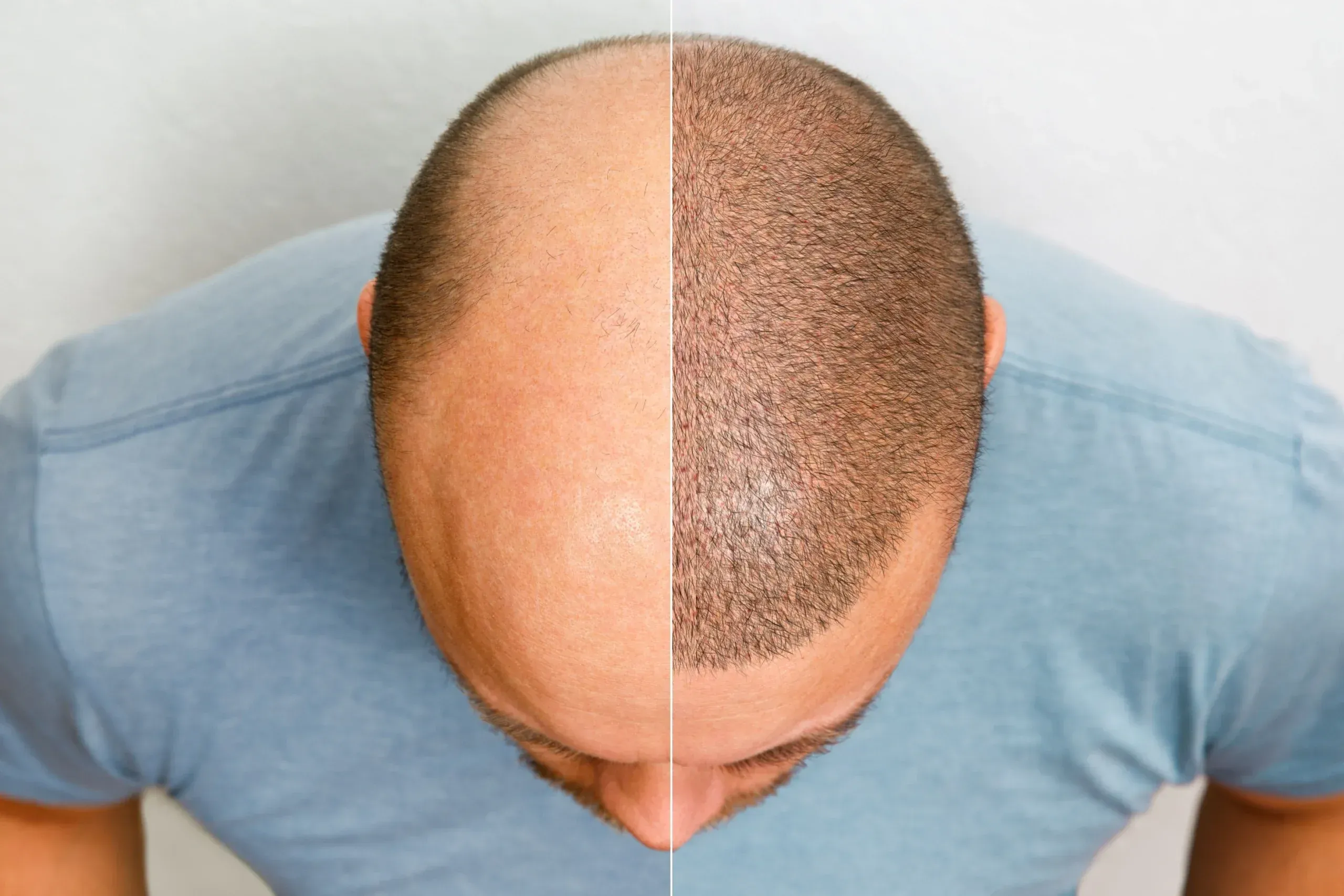
- Months 9–10 — 80–90% of transplanted hairs are now growing. The result becomes increasingly natural and full
- Month 12 — Most patients see their near-final result. Hair has reached full thickness and length
12+ Months: Final Results
- Remaining follicles complete their growth cycle
- Some patients see continued subtle improvement up to 18 months
- Hair can be styled, cut, and colored normally
- The final result is natural, permanent, and designed to last
ARTAS vs. Traditional FUE Recovery
ARTAS offers several recovery advantages compared to traditional manual FUE:
- More consistent extraction — Less tissue trauma means faster healing
- Smaller extraction sites — Robotic precision creates uniform, minimal extraction points
- Faster donor healing — Most patients report the donor area looks normal within 7–10 days
- Less post-operative discomfort — Reduced tissue disruption translates to less soreness
- More predictable results — Consistent graft quality leads to more uniform growth
What to Expect During Recovery
Common experiences throughout the recovery process:
- Itching — As the scalp heals, itching is normal. Resist the urge to scratch
- Numbness — Some temporary numbness in the donor or recipient area is common and resolves over weeks to months
- Redness — Mild redness in the recipient area may persist for several weeks. It fades gradually
- Texture changes — Early growth may be finer, curlier, or lighter than your natural hair. This normalizes over time
Complementary Treatments for Better Results
Combining ARTAS surgery with supportive treatments enhances outcomes:
Medications
- Finasteride — Protects native hair from DHT-driven thinning, preserving the overall result
- Minoxidil — Stimulates growth in both transplanted and native follicles
Low-Level Laser Therapy (LLLT)
- Improves scalp circulation and supports the hair growth cycle
- Can be started a few weeks after surgery
- Available as in-clinic treatments or at-home laser caps
PRP (Platelet-Rich Plasma)
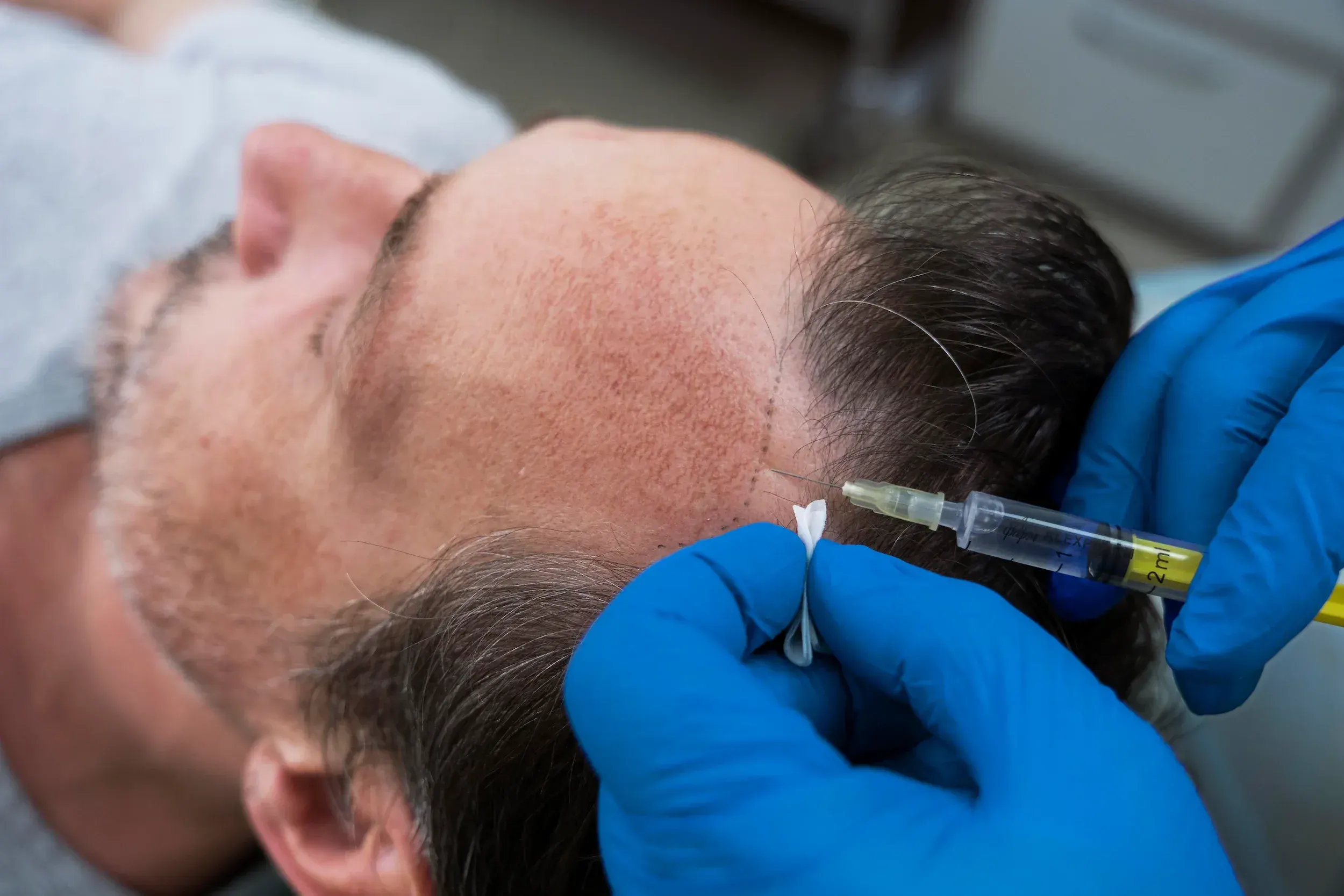
- Growth factor injections that support graft survival and native hair health
- Typically started 4–6 weeks after surgery
- A series of 3–4 sessions is commonly recommended
Key Benefits of ARTAS
- Precision — AI-guided extraction ensures optimal graft selection
- Minimally invasive — No scalpel, no stitches, no linear scar
- Faster recovery — Most patients return to normal activities within a week
- Natural results — Consistent graft quality produces uniform, natural-looking growth
- Comfortable procedure — Robotic precision reduces tissue trauma and post-operative discomfort
Aftercare Tips
- Follow all post-operative instructions carefully
- Sleep elevated for the first 5–7 nights
- Begin gentle washing as instructed (usually day 2–3)
- Avoid direct sun exposure on the scalp for 4–6 weeks
- No strenuous exercise for 2 weeks; ease back gradually
- Take all prescribed medications on schedule
- Attend follow-up appointments
- Take monthly progress photos for comparison
Why Choose DSI Hair
At DSI Hair, we combine the ARTAS Robotic System with the expertise of board-certified specialists who understand that great results come from more than technology alone. Our approach includes:
- Comprehensive evaluation and personalized treatment planning
- Expert surgical execution using the latest robotic technology
- A supportive recovery protocol including PRP and medical therapy
- Long-term monitoring and maintenance planning
- A commitment to natural-looking results that last
Your hair transplant journey begins with a consultation, and we are here to guide you through every step — from evaluation through recovery and beyond.